
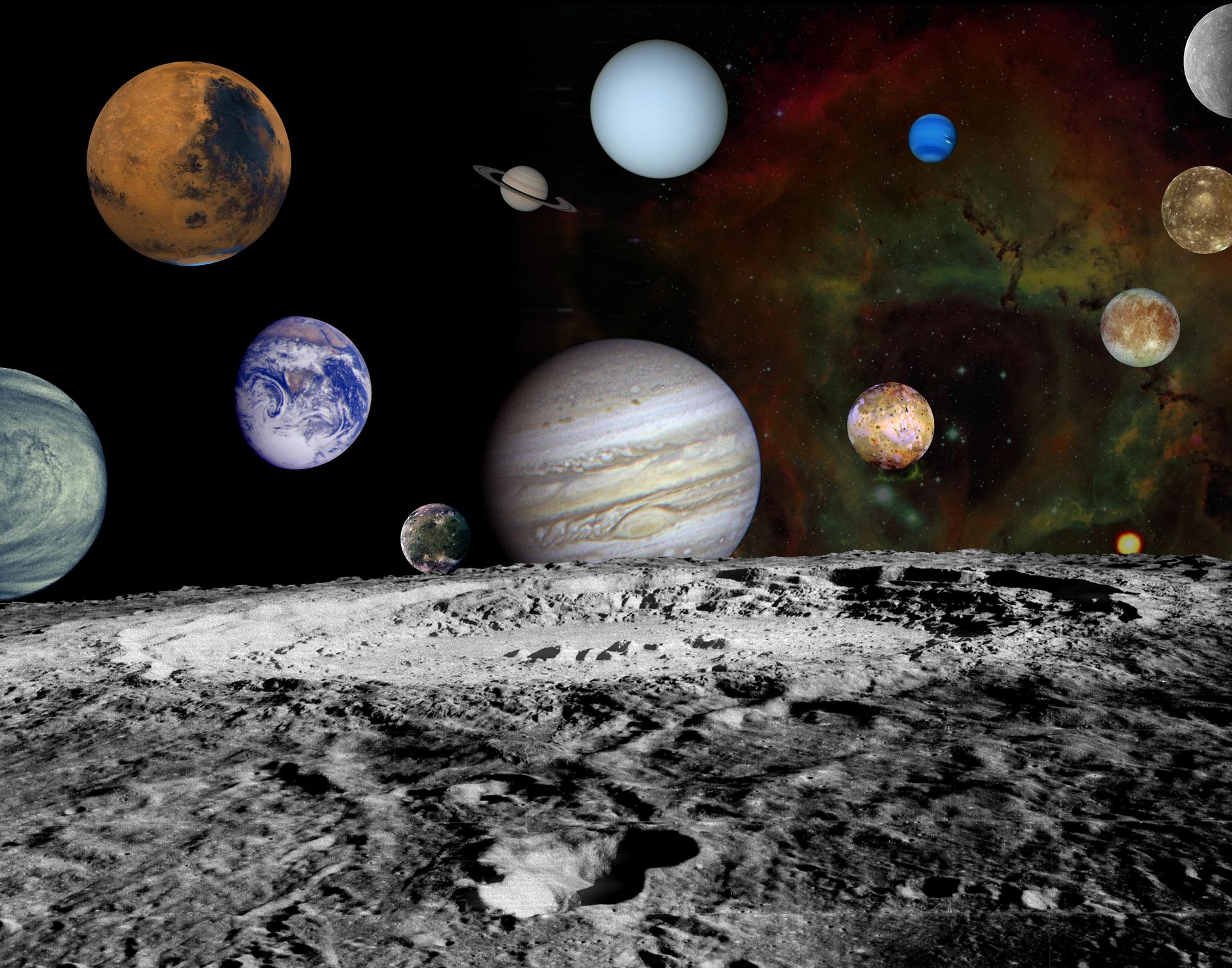
NASA has been exploring space for decades, collecting vast amounts of data from telescopes, satellites, and spacecraft. While some of these missions ended years ago, the information they gathered continues to provide new discoveries today. NASA’s science data archives are a treasure trove for researchers, enabling breakthroughs in astronomy, planetary science, climate studies, and more.
Here’s how old missions and archived data are driving modern science.
The Value of Data Archives
NASA missions generate enormous amounts of data:
- Observations of planets, moons, asteroids, and comets
- Images and spectra from distant stars and galaxies
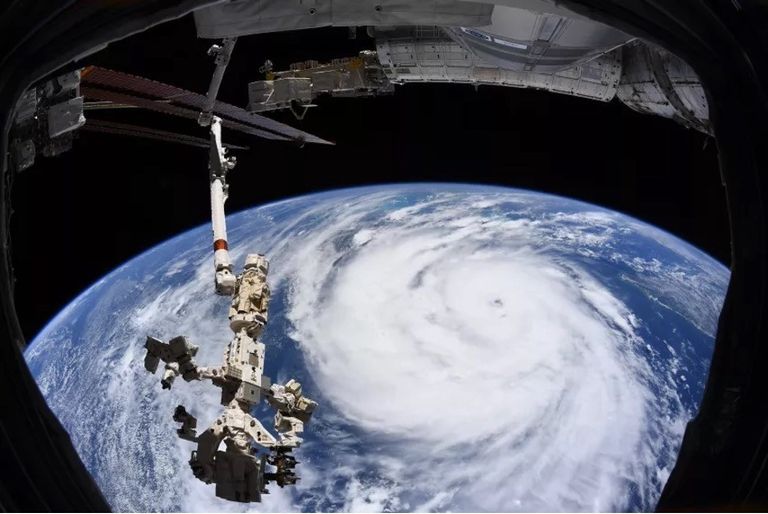
- Measurements of Earth’s atmosphere, oceans, and climate
- Information on cosmic phenomena like black holes and supernovae
Even after a mission ends, this data remains useful. Researchers can reanalyze it with new techniques, compare it to recent observations, and combine it with other datasets to make fresh discoveries.
Examples of Old Missions Driving New Science
Hubble Space Telescope
Launched in 1990, Hubble has produced a vast library of images and measurements. Scientists continue to mine this data to:
- Study the expansion of the universe
- Discover new exoplanets and distant galaxies
- Understand the life cycle of stars
Hubble’s archives are regularly reanalyzed, revealing insights that were not apparent at the time of the original observations.
Voyager Missions
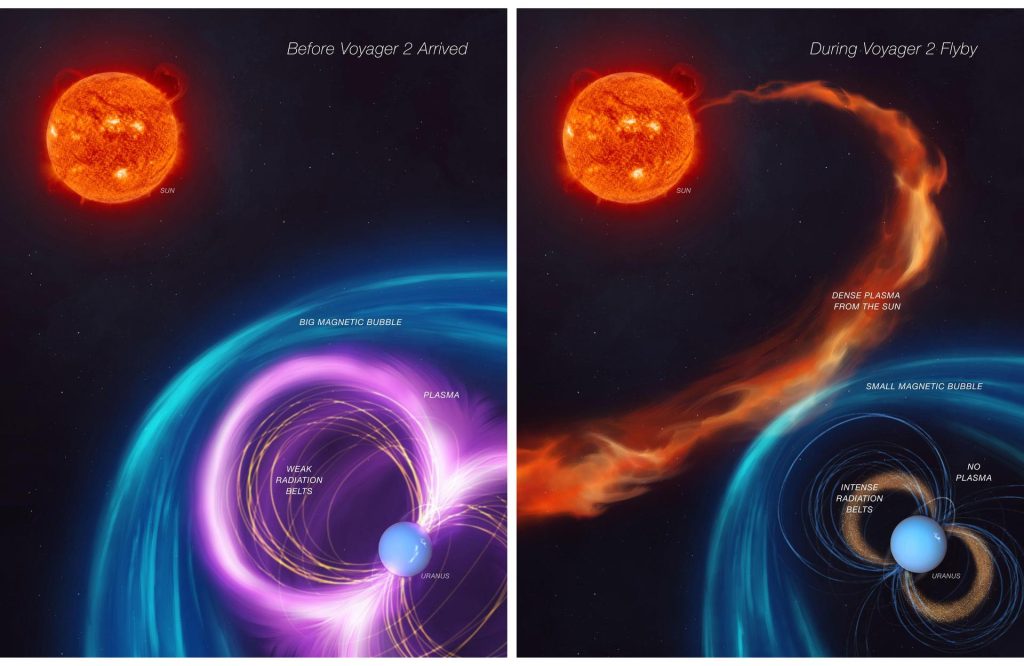
Voyager 1 and 2 launched in 1977, exploring the outer planets. Decades later, their data helps scientists:
- Study planetary atmospheres and magnetospheres
- Understand interstellar space as Voyager 1 travels beyond the solar system
- Provide baseline measurements for new missions to Jupiter, Saturn, and Neptune
Old mission data remains relevant because space science builds on long-term observations.
NASA’s Data Archives
NASA maintains extensive archives to preserve and share mission data:
- Planetary Data System (PDS): Stores data from missions studying planets, moons, and asteroids
- NASA Earth Observing System Data and Information System (EOSDIS): Holds satellite observations of Earth’s climate, atmosphere, and oceans
- Space Science Data Coordinated Archives: Includes astronomy and astrophysics mission data
These archives make data accessible to researchers worldwide, promoting collaboration and new discoveries.
How Researchers Use Archived Data
Scientists use NASA’s archived data in several ways:
- Reanalysis: Applying modern computational methods to old data reveals patterns or signals that were missed initially.
- Comparative Studies: Comparing historical data with current observations helps track changes in planets, stars, and Earth.
- Cross-Mission Analysis: Combining data from multiple missions enhances understanding of complex phenomena.
- Education and Outreach: Students and educators use archived data for projects, learning, and inspiration.
This approach maximizes the scientific return of every NASA mission.
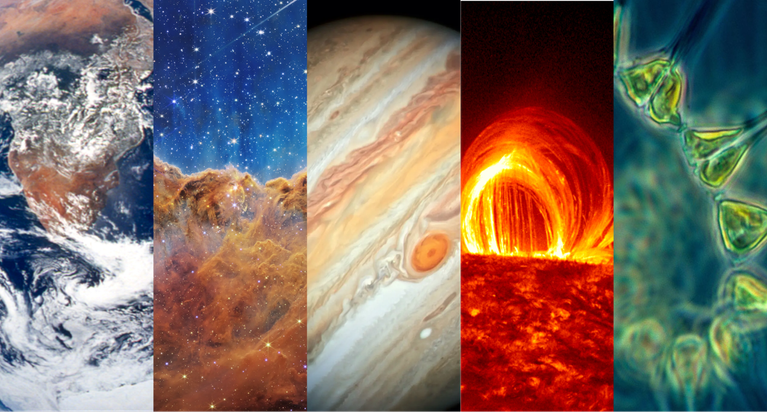
Old Missions, New Discoveries: How NASA’s Data Archives Accelerate Science
Technology Driving New Insights
Advances in computing and data analysis have made it easier to extract new information from old datasets:
- Machine learning and AI can detect subtle patterns in large datasets
- Cloud computing allows researchers worldwide to access and process massive amounts of data
- Improved visualization tools help scientists see trends and connections in the information
These technologies transform archives from static repositories into dynamic research tools.
Notable Discoveries from Old Data
Several major findings have come from reanalyzing archived NASA data:
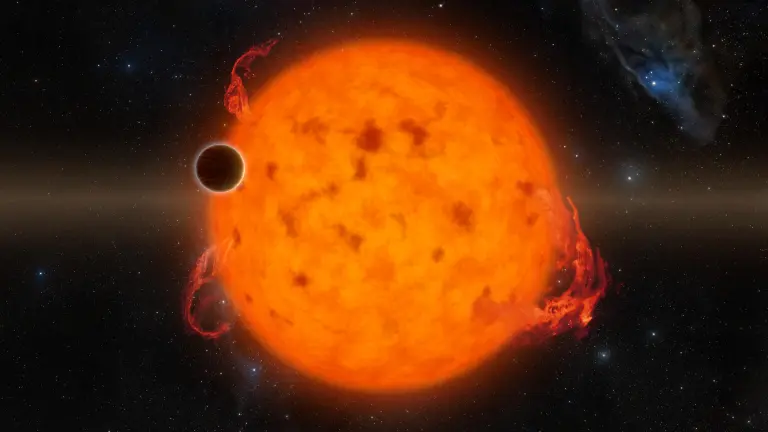
- Discovery of previously unknown exoplanets using archived Hubble and Kepler data
- Identifying long-term climate trends on Earth and Mars
- Detecting distant galaxies and supernovae that were missed in original surveys
These discoveries show that the scientific value of NASA’s missions extends far beyond their active periods.
The Role of Collaboration
NASA’s data archives promote international collaboration:
- Researchers from different countries access the same datasets
- Collaborative projects combine expertise and technology to solve complex questions
- Shared data fosters open science and accelerates discovery
By making data widely available, NASA ensures that missions continue to produce knowledge long after launch.
Benefits Beyond Science
Archived data also has practical applications:
- Climate monitoring and environmental policy use Earth observation data
- Space mission planning benefits from historical data on planetary conditions
- Education and public engagement initiatives draw on real NASA data to inspire future scientists
In this way, old mission data impacts not just research but society as a whole.
Old Missions, New Discoveries: How NASA’s Data Archives Accelerate Science
Future of NASA Data Archives
NASA continues to invest in data preservation and accessibility:
- Expanding cloud storage and processing capabilities
- Developing tools for easier data discovery and analysis
- Supporting AI-driven analysis to unlock hidden insights
- Integrating new mission data with legacy archives
The goal is to ensure that NASA’s scientific legacy continues to grow for decades to come.
Conclusion
NASA’s archived data is a powerful resource, turning past missions into new discoveries. By preserving observations, enabling reanalysis, and encouraging global collaboration, NASA accelerates science in ways the original missions could not have imagined.
Old missions may have ended years ago, but their data continues to shape our understanding of the universe, Earth, and our place in space. With modern tools and a culture of sharing, NASA ensures that every piece of information collected remains valuable for future generations of scientists.
Read Also: Keep your face towards the sunshine and shadows will fall behind you
Watch Also: https://www.youtube.com/@TravelsofTheWorld24








Leave a Reply