
NASA isn’t just exploring the stars—it’s also keeping an eye on potential threats to Earth. One of the biggest dangers from space comes in the form of asteroids. These space rocks travel at incredible speeds, and even small ones can cause significant damage if they collide with Earth. NASA uses science data, advanced technology, and international collaboration to track, study, and plan for these threats, keeping our planet safe.
Here’s how NASA’s science data helps defend Earth from asteroids.
Understanding the Threat
Asteroids are chunks of rock and metal left over from the formation of the solar system. They vary in size from small pebbles to massive bodies several miles across. While most stay in space, some cross Earth’s orbit and pose potential hazards.
Key points about asteroid threats:
- Even a small asteroid, 30–50 meters wide, can cause massive local destruction
- Larger asteroids, over a kilometer wide, could have global effects
- Monitoring and predicting their paths is essential to prevent disasters
NASA’s planetary defense programs focus on identifying these objects early, so there’s time to respond.
NASA’s Planetary Defense Program
NASA’s Planetary Defense Coordination Office (PDCO) leads efforts to protect Earth from asteroids and comets. The office works on three main tasks:
- Detection: Finding and cataloging near-Earth objects (NEOs)
- Tracking: Monitoring the orbits and predicting possible impacts
- Mitigation: Planning strategies to prevent collisions
Science data plays a crucial role in every step of this process, from observation to decision-making.
Detecting Asteroids
NASA uses a combination of ground-based telescopes, space telescopes, and radar systems to detect asteroids. Key tools include:
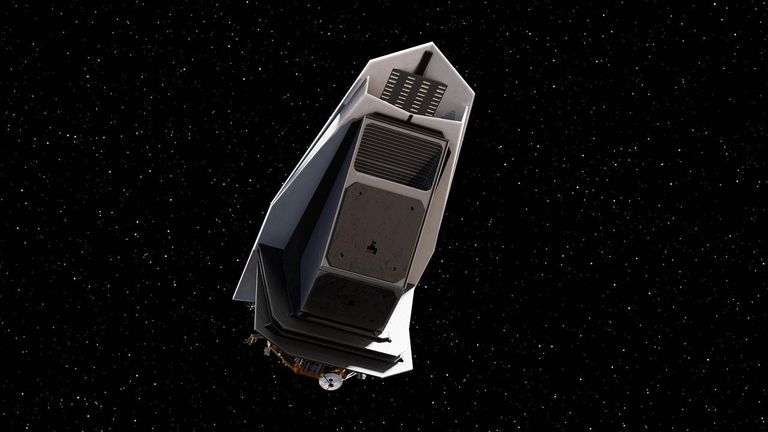
- NEOWISE Space Telescope: Observes infrared light to find asteroids that are dark or hard to see
- Pan-STARRS: A network of telescopes in Hawaii scanning the sky for moving objects
- Catalina Sky Survey: Ground-based telescopes in Arizona that track near-Earth objects
These tools generate massive amounts of data, allowing NASA to identify asteroids early and calculate their trajectories.
Tracking and Predicting Orbits
Once an asteroid is detected, NASA collects data to determine its path. This involves:
- Measuring its speed, size, and trajectory
- Using computer models to predict future positions
- Assessing the probability of collision with Earth
For example, the orbit of asteroid Apophis has been carefully studied using data from multiple observations. NASA can now predict with high confidence that it will not hit Earth for the foreseeable future.
Accurate tracking allows time to plan a response if a dangerous object is found.
Missions to Study Asteroids
NASA doesn’t just watch asteroids from afar—it sends spacecraft to study them directly. Missions include:
- OSIRIS-REx: Collected samples from asteroid Bennu to understand its composition and trajectory
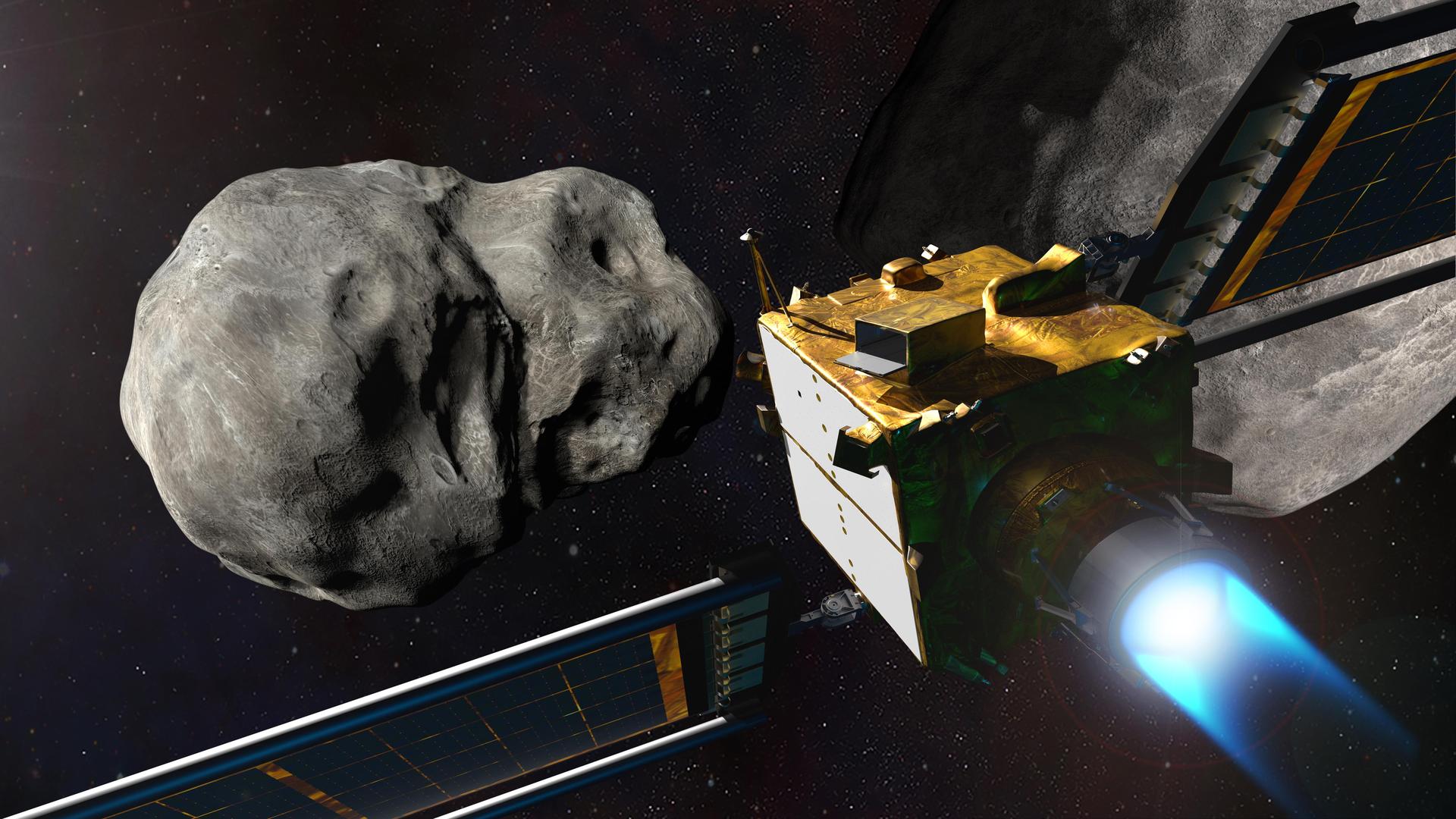
- DART (Double Asteroid Redirection Test): Tested how to change an asteroid’s path by hitting it with a spacecraft
- Lucy Mission: Studying Trojan asteroids near Jupiter to learn about the early solar system
These missions provide precise data that improves predictions and informs potential mitigation strategies.
How NASA Uses Science Data to Protect Earth from Asteroids
Defending Earth: Mitigation Strategies
If a hazardous asteroid were detected, NASA has several possible ways to respond:
- Kinetic Impact: Hitting the asteroid with a spacecraft to slightly alter its orbit (like DART)
- Gravity Tractor: Using a spacecraft’s gravity to slowly shift the asteroid’s trajectory
- Nuclear Deflection: As a last resort, using explosives to change its course
Science data from observation and missions helps decide which method is most effective, safe, and feasible.
International Collaboration
Asteroid defense is a global concern. NASA works with:
- The European Space Agency (ESA)
- United Nations Office for Outer Space Affairs
- Space agencies worldwide to share data and coordinate response plans
Collaboration ensures that any dangerous asteroid can be tracked globally and that mitigation strategies are coordinated across nations.
Public Awareness and Education
NASA also uses science data to keep the public informed:
- Publishing asteroid tracking data online
- Educating people about potential threats and NASA’s preparedness
- Sharing results of missions like DART and OSIRIS-REx
Transparency and public engagement help build trust and awareness about planetary defense efforts.
Future of Planetary Defense
NASA continues to improve its science data collection and asteroid defense capabilities:
- Launching next-generation telescopes like the Near-Earth Object Surveyor
- Improving computational models to predict asteroid paths more accurately
- Expanding international partnerships and response planning
- Exploring new technologies for asteroid deflection
The goal is to detect threats earlier, understand them better, and be ready to protect Earth if needed.
Why NASA’s Work Matters
Asteroids are unpredictable, but early detection and data-driven action can prevent disasters. NASA’s science data helps humanity:
- Predict potential impacts years in advance
- Test and refine deflection strategies
- Conduct missions that improve understanding of space rocks
- Build global cooperation for planetary defense
This work ensures that Earth remains safe while humanity continues exploring space.
Conclusion
NASA’s science data is more than numbers—it’s a shield protecting Earth from potential asteroid impacts. By detecting, tracking, studying, and planning mitigation strategies, NASA helps humanity prepare for threats from space. Missions like DART and OSIRIS-REx, combined with international collaboration and advanced modeling, make asteroid defense a real and achievable part of space exploration.
Read Also: Keep your face towards the sunshine and shadows will fall behind you
Watch Also: https://www.youtube.com/@TravelsofTheWorld24








Leave a Reply