
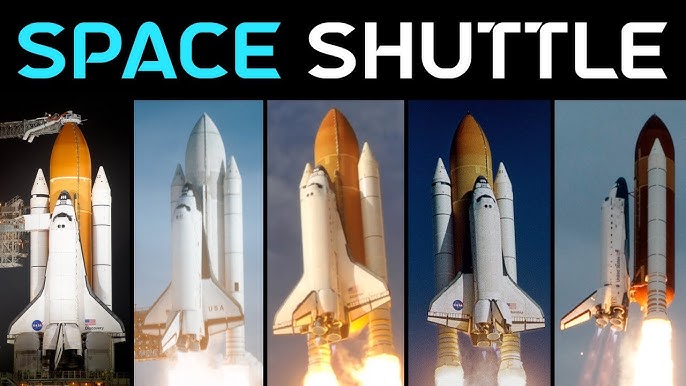
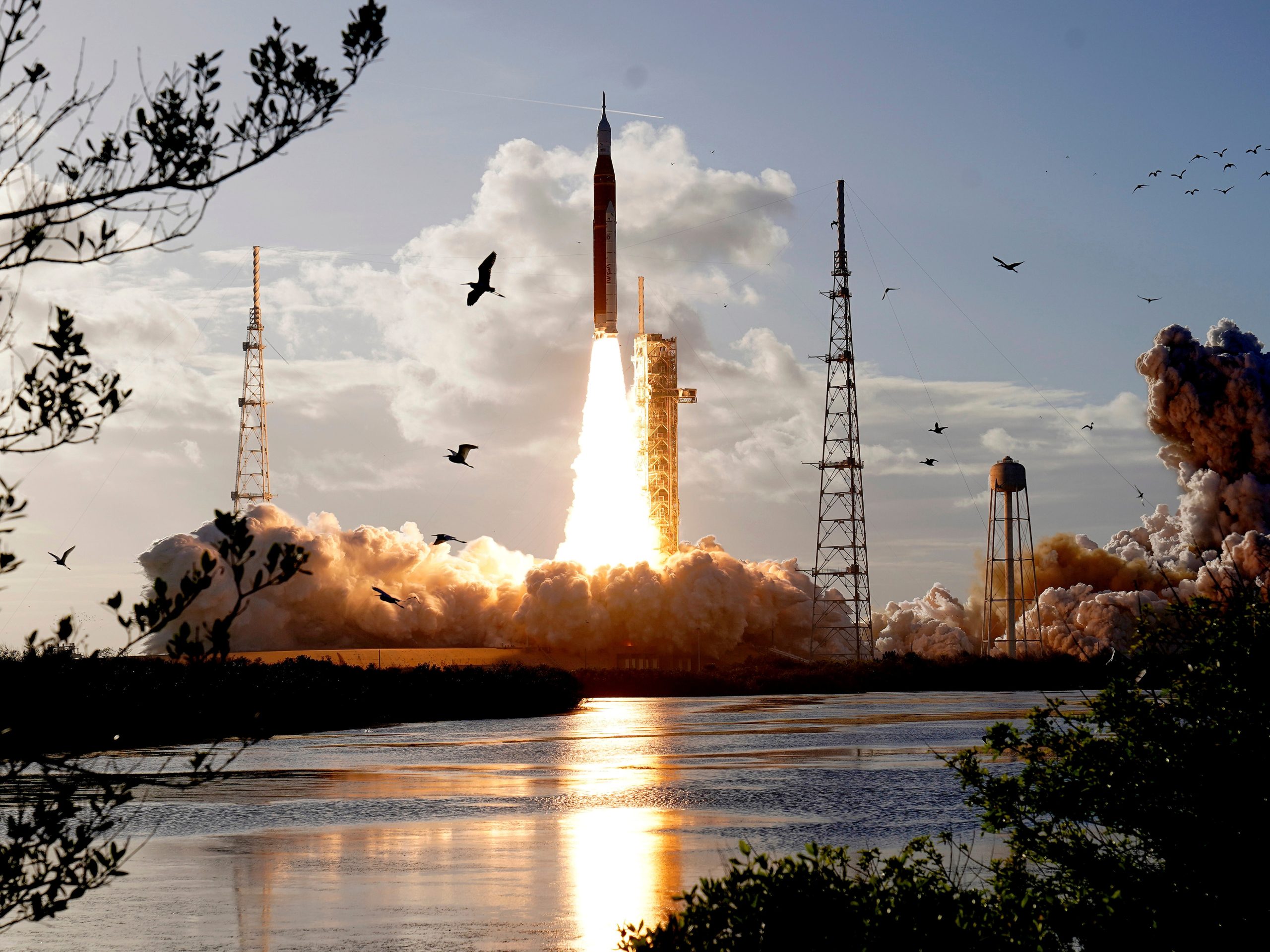
NASA has successfully launched the Artemis I mission, marking a major step in humanity’s return to the Moon. Unlike the later Artemis II mission, Artemis I is uncrewed and serves as a critical test of the Space Launch System (SLS) and Orion spacecraft. This mission sets the foundation for future crewed lunar flights and the long-term Artemis program goals.
The launch demonstrates decades of planning, engineering, and collaboration, while paving the way for astronauts to travel beyond Earth’s orbit safely.
Artemis I Mission Overview
Artemis I is designed to:
- Test the Space Launch System (SLS) rocket, the most powerful rocket NASA has ever built
- Test the Orion spacecraft systems in deep space
- Demonstrate re-entry, descent, and recovery operations for crewed missions
- Provide data to improve safety and performance for Artemis II and III
Although no astronauts are onboard, the mission is vital for validating technology and procedures needed for future human spaceflight.
Launch Details
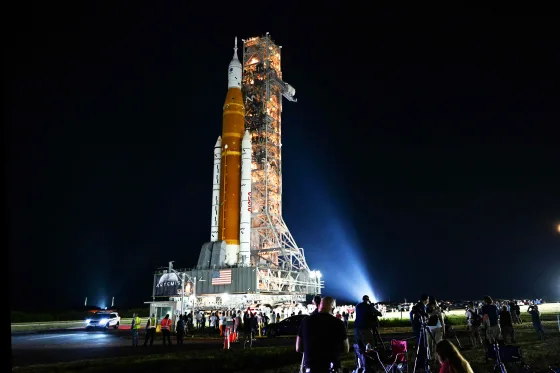
Artemis I lifted off from Kennedy Space Center aboard the SLS rocket. Key steps in the launch included:
- Ignition of the RS-25 engines, lifting the rocket off the pad
- Stage separation, with boosters safely falling into the Atlantic Ocean
- Deployment of the Orion spacecraft into a trajectory toward the Moon
- Activation of spacecraft systems, including solar panels and onboard computers
The launch was monitored by mission control teams to ensure all systems functioned properly.
Space Launch System (SLS)
The SLS rocket is the backbone of the Artemis program. Features include:
- Heavy-Lift Capability: Able to carry Orion, cargo, and supplies beyond low Earth orbit
- RS-25 Engines: Four powerful engines fueled by super-cooled liquid hydrogen and liquid oxygen
- Booster Rockets: Two solid rocket boosters provide extra thrust during liftoff
- Future Use: Designed to support crewed lunar missions, deep-space exploration, and potential Mars missions
The Artemis I launch proved that SLS can handle the demands of deep-space missions.
Orion Spacecraft
Orion is the spacecraft designed to carry astronauts safely through deep space. For Artemis I, Orion is being tested for:
- Life support systems (for future crewed missions)
- Navigation and guidance in lunar orbit
- Thermal control and radiation protection
- Re-entry and splashdown procedures
Orion’s systems were fully operational during Artemis I, providing valuable data for future missions.
Lunar Trajectory
Artemis I follows a translunar trajectory, traveling around the Moon in a distant retrograde orbit. This orbit allows:
- Testing of spacecraft systems in deep-space conditions
- Observations of the Moon from various angles
- Validation of navigation, communication, and maneuvering systems
The orbit is designed to stress-test Orion in ways that mirror crewed mission scenarios.
Objectives of Artemis I
The mission’s main objectives include:
- Testing Hardware: Ensure SLS and Orion operate as designed in space
- Validating Systems: Confirm navigation, communication, and life-support systems function properly
- Gathering Data: Collect information on performance, trajectory, and environmental conditions
- Preparing for Crew: Provide lessons for Artemis II, the first crewed lunar mission
Every observation and measurement from Artemis I helps reduce risk for future missions.
Key Milestones
Artemis I achieved several important milestones:
- First flight of the SLS rocket with a full Orion spacecraft
- Successful deployment of solar arrays and spacecraft systems
- Entry into a distant retrograde lunar orbit
- Data collection for re-entry procedures and mission planning
These milestones build confidence in NASA’s deep-space exploration plans.
International and Industrial Collaboration
Artemis I is supported by international and commercial partners:
- European Space Agency (ESA) provided the Orion service module
- Boeing, Lockheed Martin, and other contractors contributed key components for SLS and Orion
- Workforce programs train engineers and technicians to support construction and operations
This collaboration ensures that technology, expertise, and resources are shared effectively.
Safety and Testing
Even though Artemis I is uncrewed, safety and reliability are critical:
- The spacecraft includes sensors and monitoring systems to track performance
- Engineers simulate conditions astronauts would face, including radiation and thermal stress
- Re-entry procedures are tested to ensure safe recovery of Orion
This thorough testing minimizes risks for upcoming crewed missions.
Significance of Artemis I
Artemis I is historically significant for several reasons:
- First step in NASA’s Artemis program, which aims to land humans on the Moon again
- Validation of new technology for deep-space missions
- Provides lessons for crewed lunar exploration and long-term sustainability
- Demonstrates international cooperation and workforce capability
The mission is a milestone for space exploration in the 21st century.
Preparing for Artemis II and Beyond
Data from Artemis I will inform:
- Crew procedures for Artemis II, the first mission with astronauts
- Landing operations for Artemis III, which will include the first woman and first person of color on the Moon
- Long-term lunar exploration plans, including habitat construction and sustainability measures
Lessons from Artemis I ensure future missions are safer and more effective.
Public Engagement and Inspiration
Artemis I has captured global attention, inspiring students, educators, and space enthusiasts. NASA shares:
- Live launch coverage and mission updates
- Educational resources for STEM learning
- High-resolution images of Orion and lunar perspectives
The mission encourages a new generation of explorers and engineers to pursue careers in science and aerospace.
Legacy of Artemis I
Even as an uncrewed mission, Artemis I sets the stage for:
- Crew safety validation in deep space
- Testing next-generation human spaceflight technology
- Establishing a sustainable path for lunar exploration
- Building international partnerships for future missions
It is a critical milestone in humanity’s return to the Moon and beyond.
Conclusion
The successful launch of Artemis I aboard the SLS rocket demonstrates NASA’s commitment to deep-space exploration. Orion’s performance in lunar orbit provides essential data for Artemis II and III, while the mission proves that the United States is ready to resume human exploration of the Moon.
Artemis I is a stepping stone toward sustainable lunar missions, future Mars exploration, and a new era of human spaceflight. With careful planning, international collaboration, and advanced technology, NASA is once again leading humanity beyond Earth’s orbit.
Read Also: Keep your face towards the sunshine and shadows will fall behind you
Watch Also: https://www.youtube.com/@TravelsofTheWorld24









Leave a Reply