

NASA is using artificial intelligence (AI) and open science to better understand and fight climate change. By analyzing data from satellites, sensors, and climate models, NASA can track changes on Earth, predict future impacts, and provide insights to governments, scientists, and communities. Open science ensures that this data is available to anyone who wants to study and address climate challenges.
Here’s how NASA combines AI and open science to protect the planet.
Understanding Climate Change with NASA Data
NASA collects a huge amount of information about Earth, including:
- Temperature, humidity, and precipitation
- Ocean levels, currents, and sea ice
- Atmospheric gases like carbon dioxide and methane
- Land use changes, deforestation, and urban growth
This data helps scientists track climate trends, study extreme events, and understand how human activity affects the planet.
Artificial Intelligence in Climate Research
AI allows NASA to process massive datasets quickly and accurately. Its applications include:
- Predicting Extreme Weather: AI models forecast hurricanes, floods, and droughts using satellite imagery and climate data
- Monitoring Sea Level Rise: Machine learning analyzes long-term data to detect trends in oceans and ice sheets
- Climate Pattern Analysis: AI detects subtle changes in temperature, rainfall, and atmospheric conditions
- Carbon Emission Tracking: Satellites measure greenhouse gases, and AI helps identify sources and trends
AI accelerates understanding and provides actionable insights for policymakers and communities.
Open Science and Climate Solutions
NASA’s open science initiatives make climate data accessible to everyone:
- Global Collaboration: Researchers worldwide can use the same datasets to study climate trends
- Faster Innovation: Open data allows new climate models and solutions to be developed quickly
- Education and Awareness: Students, educators, and the public can use NASA’s climate data for learning and advocacy
- Decision Support: Governments and NGOs can access real-time information to plan disaster response and climate adaptation
Open science ensures that NASA’s research benefits everyone, not just scientists.
Key NASA Tools and Platforms
NASA provides several platforms to support AI and open science for climate research:
- Earth Observing System Data and Information System (EOSDIS): Provides satellite observations of Earth’s climate and environment
- Earthdata Search: Access to datasets for climate studies, including temperature, ocean, and atmospheric data
- Applied Sciences Program: Collaborates with communities to apply NASA data to climate solutions
- Climate Change Portal: Offers visualizations, tools, and resources for understanding climate trends
These tools make it easier for anyone to study climate change and develop solutions.
Case Studies: AI and Open Science in Action
Monitoring Wildfires
Satellites detect fires and smoke plumes, while AI predicts fire spread and impact. Open access allows emergency responders to plan evacuations and resource allocation effectively.
Tracking Hurricanes and Storms
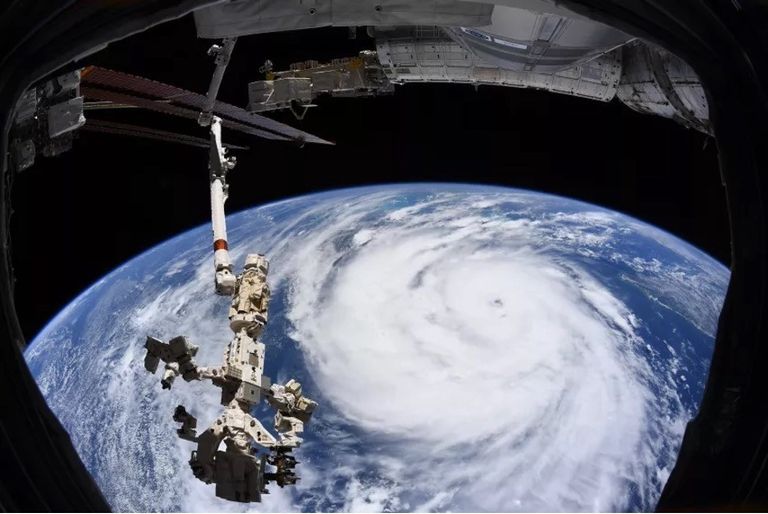
AI analyzes satellite images and weather data to forecast hurricane paths and intensities. Open science ensures these predictions are available to governments and the public.
Observing Ice Sheets and Sea Levels
AI models examine satellite data to track melting glaciers and rising sea levels. Open data allows scientists worldwide to study long-term trends and prepare coastal communities.
Carbon and Methane Tracking
Satellites measure greenhouse gases, and AI identifies sources of emissions. Open science ensures transparency and supports climate policy development.
Collaboration for Global Impact
NASA’s AI and open science efforts are collaborative:
- Partnering with international space agencies and universities
- Sharing datasets for research and policy planning
- Encouraging cross-disciplinary studies for comprehensive climate solutions
- Supporting local governments and NGOs with actionable insights
Collaboration ensures that climate knowledge and solutions reach every part of the globe.
Public Engagement and Education
NASA encourages public participation through:
- Citizen science projects analyzing environmental data
- Educational programs using open climate datasets for classrooms and workshops
- Online platforms allowing volunteers to contribute to climate research
These initiatives increase awareness, inspire action, and cultivate the next generation of climate scientists.
Future Directions
NASA continues to expand its AI and open science capabilities for climate research:
- Developing more advanced AI models to predict climate events
- Integrating data from new satellites, sensors, and drones
- Expanding open data access and visualization tools
- Enhancing global collaborations to address climate challenges collectively
These efforts aim to make climate research faster, more accurate, and widely available.
Why NASA’s Work Matters
Climate change is one of the greatest challenges facing humanity. NASA’s use of AI and open science helps:
- Understand current and future climate trends
- Predict and mitigate the impact of extreme events
- Support policymakers, communities, and educators with data-driven insights
- Promote global collaboration in tackling environmental challenges
By combining technology, data, and public engagement, NASA empowers the world to respond to climate change effectively.
Conclusion
NASA’s AI and open science initiatives are transforming climate research. Satellites, sensors, and advanced AI models provide insights into temperature, weather patterns, sea levels, and greenhouse gas emissions. Open data ensures scientists, governments, and the public can use this information to fight climate change.
Through technology, transparency, and collaboration, NASA is helping humanity understand and protect our planet for the future.
Read Also: Keep your face towards the sunshine and shadows will fall behind you
Watch Also: https://www.youtube.com/@TravelsofTheWorld24








Leave a Reply