
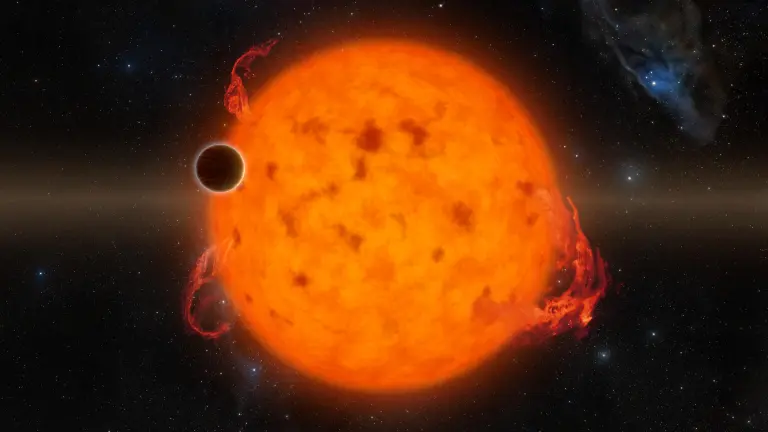
NASA’s search for planets beyond our solar system—exoplanets—relies not only on advanced telescopes and spacecraft but also on the curiosity and effort of everyday people. Citizen science programs allow the public to participate in discovering and studying these distant worlds. By involving volunteers, NASA expands its research capacity, speeds up discoveries, and inspires the next generation of space explorers.
Here’s how citizen science is shaping the future of exoplanet research.
What Is Citizen Science?
Citizen science refers to scientific research conducted, in whole or in part, by members of the public. In astronomy, volunteers help scientists by:
- Analyzing telescope data for patterns
- Identifying potential exoplanet candidates
- Classifying stars, galaxies, or other cosmic phenomena
- Contributing to projects online or through mobile apps
NASA harnesses this collective power to accelerate the search for exoplanets while educating and engaging the public.
NASA’s Citizen Science Programs
NASA supports several programs that involve the public in exoplanet research:
- Planet Hunters: Volunteers analyze data from the Kepler and TESS missions to find transiting exoplanets.
- Exoplanet Explorers: Citizen scientists review light curves to identify dips in brightness that may indicate a planet passing in front of its star.
- Disk Detective: Participants help identify protoplanetary disks, which are regions where planets are forming around young stars.
- Zooniverse Platform: Hosts multiple NASA projects that allow volunteers to classify data, spot unusual patterns, and contribute to scientific publications.
These programs make it possible for thousands of volunteers to contribute meaningfully to space research from their own homes.
How Citizen Scientists Make a Difference
Citizen scientists provide insights that computers and automated algorithms might miss. Their contributions include:
- Spotting unusual signals or anomalies in telescope data
- Cross-checking automated detections to reduce false positives
- Classifying objects in ways that enhance data quality and accuracy
- Suggesting new approaches or discoveries that inspire professional scientists
Even small contributions can lead to the identification of new exoplanets or previously overlooked celestial phenomena.
Success Stories in Exoplanet Discovery
Citizen science has already produced remarkable results:
- Volunteers discovered exoplanets like KIC 8462852 b, also known as Tabby’s Star candidate signals
- Planet Hunters participants contributed to identifying dozens of exoplanet candidates in Kepler and TESS data
- Public involvement has led to co-authorship of scientific papers, recognizing the importance of citizen contributions
These successes show that everyday people can help expand our understanding of the universe.
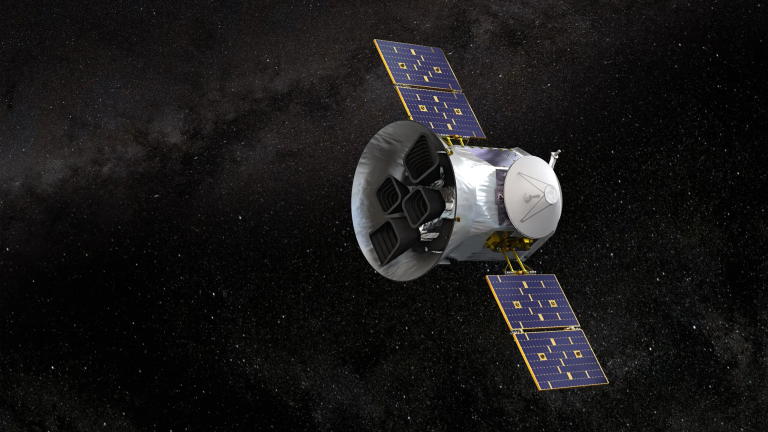
How NASA Citizen Science Fuels Future Exoplanet Research
Why Citizen Science Matters for the Future
NASA’s missions generate enormous amounts of data, far more than professional scientists can analyze alone. Citizen science:
- Increases the speed of data analysis
- Provides a human perspective that complements AI and automated algorithms
- Encourages public interest in STEM fields
- Builds a global community of space enthusiasts
As missions like the James Webb Space Telescope and future exoplanet missions collect ever-larger datasets, citizen science will become even more essential.
Learning and Inspiration
Participation in citizen science programs is educational and inspiring:
- Volunteers gain hands-on experience with real scientific data
- Programs teach skills like data analysis, pattern recognition, and astronomy basics
- Participants feel part of the discovery process, fostering excitement about space exploration
- Educational institutions can integrate citizen science projects into classrooms to engage students
By learning through action, participants become ambassadors for science in their communities.
Collaboration Between Professionals and Volunteers
NASA’s approach emphasizes collaboration:
- Professional scientists design the research and provide guidance
- Volunteers contribute by analyzing data, spotting anomalies, or classifying objects
- Feedback loops allow discoveries to be verified and refined by both groups
- Many citizen scientists become skilled in interpreting complex datasets
This partnership enhances the quality and quantity of exoplanet research.
The Role of Technology
Modern technology makes citizen science possible:
- Online platforms like Zooniverse allow volunteers worldwide to participate
- Interactive tutorials teach new participants how to analyze data effectively
- Cloud computing ensures large datasets can be accessed and processed efficiently
- Visualization tools help volunteers spot patterns in light curves and images
Technology bridges the gap between professional researchers and public volunteers.
Looking Ahead
The future of exoplanet research depends on combining advanced missions with citizen science:
- NASA’s TESS and James Webb Space Telescope will provide massive amounts of data for analysis
- Citizen scientists will help sift through the data, identifying planets and other phenomena
- International collaborations will expand volunteer participation across borders
- Future discoveries may include Earth-like planets, habitable worlds, or unusual exoplanetary systems
Public involvement ensures that humanity can explore more of the universe than ever before.
Conclusion
NASA’s citizen science programs demonstrate that space exploration is not just for professional scientists. By empowering volunteers to analyze data, spot patterns, and discover exoplanets, NASA accelerates research and inspires global engagement.
Citizen scientists contribute to our understanding of distant worlds, help shape the future of astronomy, and show that curiosity and participation can lead to real discoveries. Through collaboration, technology, and open access to data, NASA is making exoplanet research a shared adventure for everyone.
Read Also: Keep your face towards the sunshine and shadows will fall behind you
Watch Also: https://www.youtube.com/@TravelsofTheWorld24







Leave a Reply