
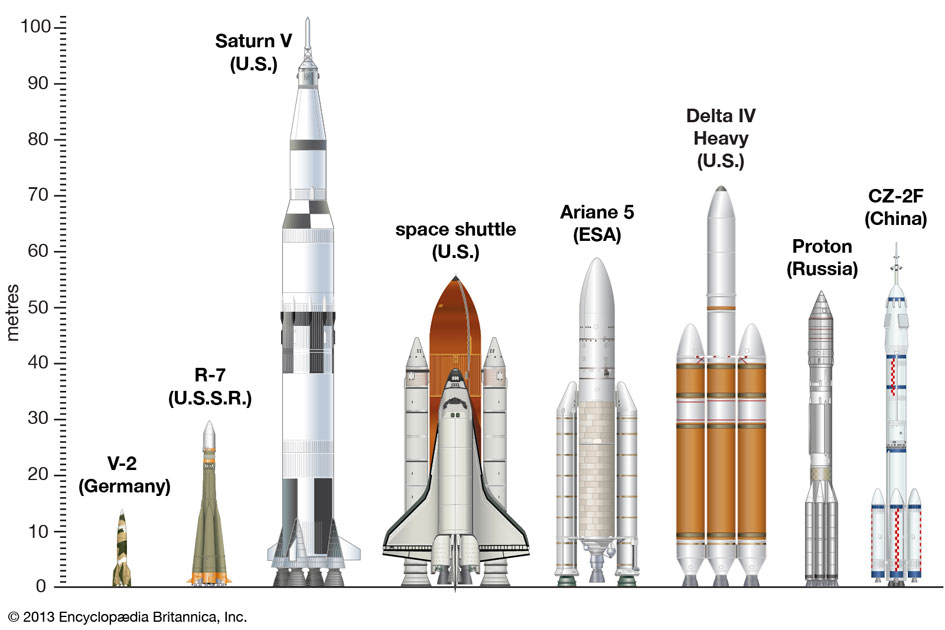
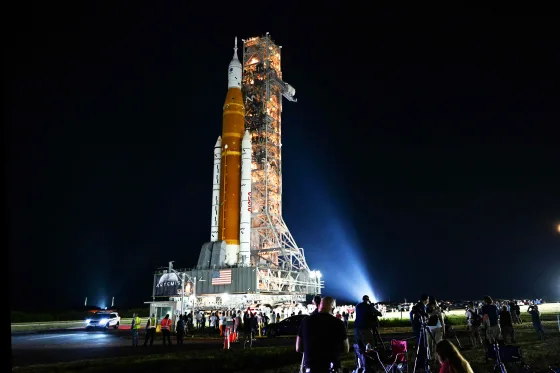
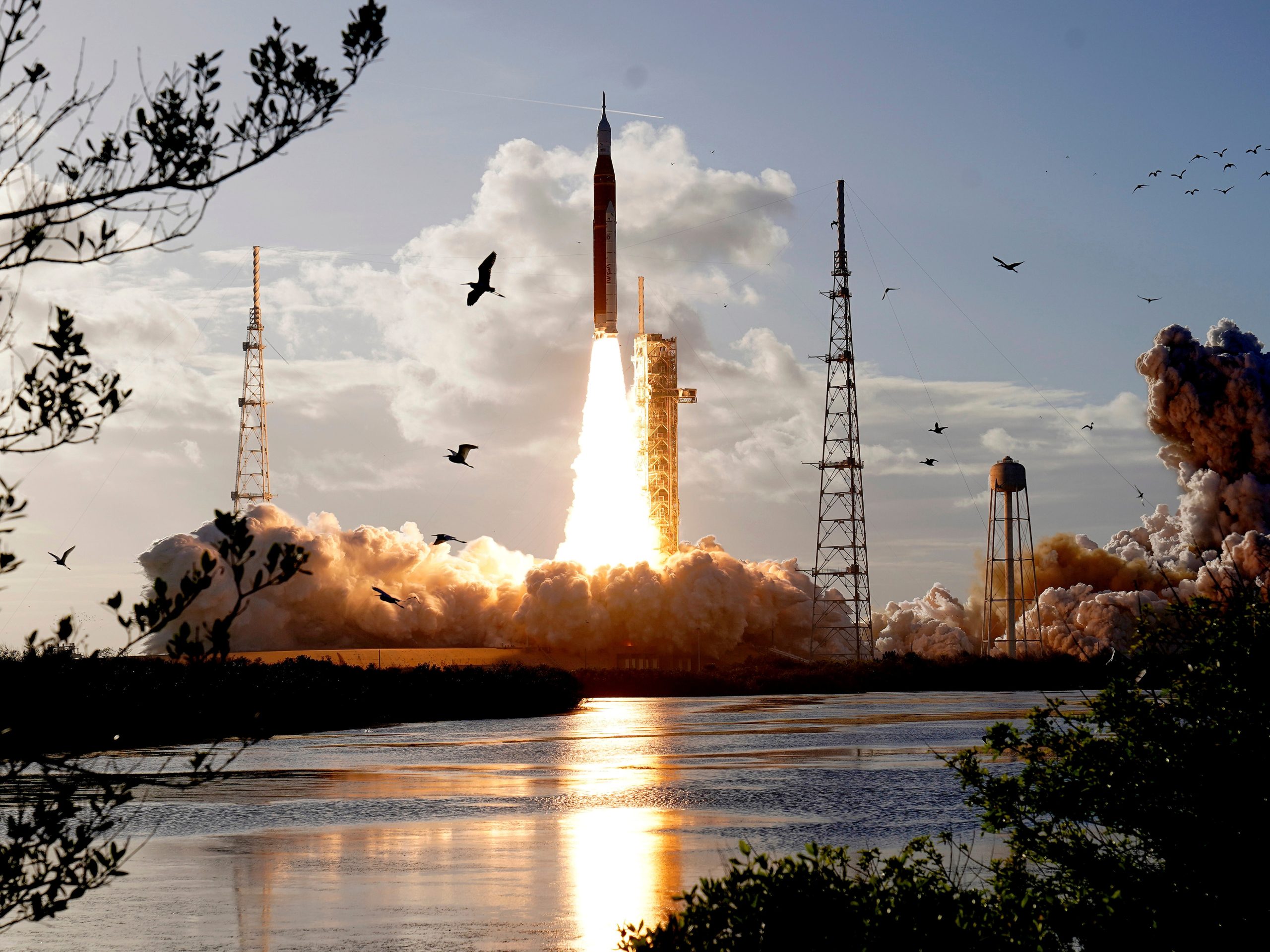
As NASA prepares to launch its new mega Moon rocket, the Space Launch System (SLS), later this month, space enthusiasts and experts are comparing it to the iconic Saturn V rocket that carried Neil Armstrong and the Apollo astronauts to the Moon in the 1960s. Both rockets represent their era’s cutting-edge technology, but the SLS comes with modern engineering, advanced systems, and a bigger price tag.
Here’s a detailed look at how NASA’s new SLS stacks up against the Saturn V.
Historical Context: Saturn V
The Saturn V rocket is one of the most famous rockets in history:
- Era: 1960s and 1970s
- Purpose: To carry astronauts to the Moon under NASA’s Apollo program
- Height: 363 feet tall
- Payload Capacity: About 140,000 kg (310,000 lbs) to low Earth orbit (LEO)
- Crewed Moon Missions: 11 launches, including Apollo 11, which landed Neil Armstrong and Buzz Aldrin on the Moon in 1969
Saturn V was an engineering marvel for its time, capable of carrying astronauts and lunar modules farther than any humans had traveled before.
NASA’s Space Launch System (SLS)
The SLS is NASA’s modern mega rocket, designed for deep-space missions, including lunar exploration and beyond. Key features include:
- Height: 322 feet tall (slightly shorter than Saturn V)
- Payload Capacity: Up to 130,000 kg (286,000 lbs) to low Earth orbit in its Block 1 configuration
- Engines: Four RS-25 engines and two solid rocket boosters
- Purpose: To carry the Orion spacecraft, astronauts, and cargo to lunar orbit and eventually Mars
The SLS is part of NASA’s Artemis program, aiming to return humans to the Moon, land the first woman and person of color on its surface, and prepare for sustainable lunar exploration.
Cost Comparison
- Saturn V: Estimated $6.5 billion total for all Apollo-era rockets (about $50 billion in today’s dollars)
- SLS: Estimated $23 billion for development of the Block 1 rocket
The SLS is expensive, but it reflects modern technology, inflation, and the complex requirements of contemporary deep-space missions.
Technology and Design
Saturn V
- Three-stage liquid-fueled rocket
- F1 engines on the first stage produced over 7.5 million pounds of thrust
- Designed for single-use lunar missions
- Relatively simple electronics by today’s standards
SLS
- Core stage with four RS-25 engines (heritage engines from Space Shuttle program)
- Two solid rocket boosters, each providing 3.6 million pounds of thrust
- Modern avionics, sensors, and guidance systems
- Designed for deep-space exploration with modular upgrades for future missions
The SLS incorporates decades of advancements in materials, electronics, and safety systems.
Payload and Crew Capacity
- Saturn V: Could carry the Apollo Command, Service, and Lunar Modules for 3 astronauts to the Moon
- SLS: Designed to carry the Orion spacecraft, which can support 4 astronauts, plus cargo for lunar missions
The SLS focuses on flexibility for Artemis missions, future lunar bases, and even potential Mars exploration.
Mission Profiles
- Saturn V: Launched astronauts to the Moon in single missions, requiring multiple rockets for supply or larger payloads
- SLS: Part of a sustainable lunar program, supporting repeated missions, lunar orbit operations, and eventual landings on the Moon
The SLS aims to provide a long-term platform for space exploration rather than one-off missions.
Safety and Modern Systems
NASA’s SLS has enhanced safety compared to Saturn V:
- Redundant life-support and communication systems in Orion
- Advanced sensors and avionics to monitor performance in real-time
- Abort systems to protect crew in emergencies
- Modern engineering standards and materials
Saturn V was state-of-the-art in its time, but SLS benefits from over 50 years of technological progress.
Public and Cultural Impact
- Saturn V: Became a symbol of the space race and American ingenuity, inspiring generations of scientists and explorers
- SLS: Represents a new era of exploration, including diversity, international collaboration, and sustainability in space programs
Both rockets carry symbolic weight, but SLS focuses on a long-term vision of space travel.
Comparisons in Numbers
| Feature | Saturn V | SLS Block 1 |
|---|---|---|
| Height | 363 ft (110.6 m) | 322 ft (98 m) |
| Lift-off Thrust | 7.5 million lbs | 8.8 million lbs |
| Payload to LEO | 140,000 kg (310,000 lbs) | 130,000 kg (286,000 lbs) |
| Crew Capacity | 3 astronauts | 4 astronauts |
| Launch Era | 1967–1973 | 2020s+ |
| Cost (modern USD) | ~$50 billion total | ~$23 billion |
The SLS is slightly shorter but generates more thrust, uses modern systems, and is part of a sustainable program rather than a one-time lunar race.
Conclusion
NASA’s Space Launch System builds on the legacy of Saturn V while incorporating modern technology, safety measures, and mission flexibility. The SLS is not just a rocket; it is a platform for sustainable lunar exploration and future missions to Mars.
While Saturn V captured the imagination of the 1960s and made history by sending humans to the Moon, the SLS represents a new chapter—one that focuses on long-term human presence beyond Earth, international collaboration, and inspiring future generations.
The maiden flight of the SLS will show how this $23 billion rocket performs compared to its legendary predecessor, setting the stage for a new era of space exploration.
Read Also: Keep your face towards the sunshine and shadows will fall behind you
Watch Also: https://www.youtube.com/@TravelsofTheWorld24






Leave a Reply