
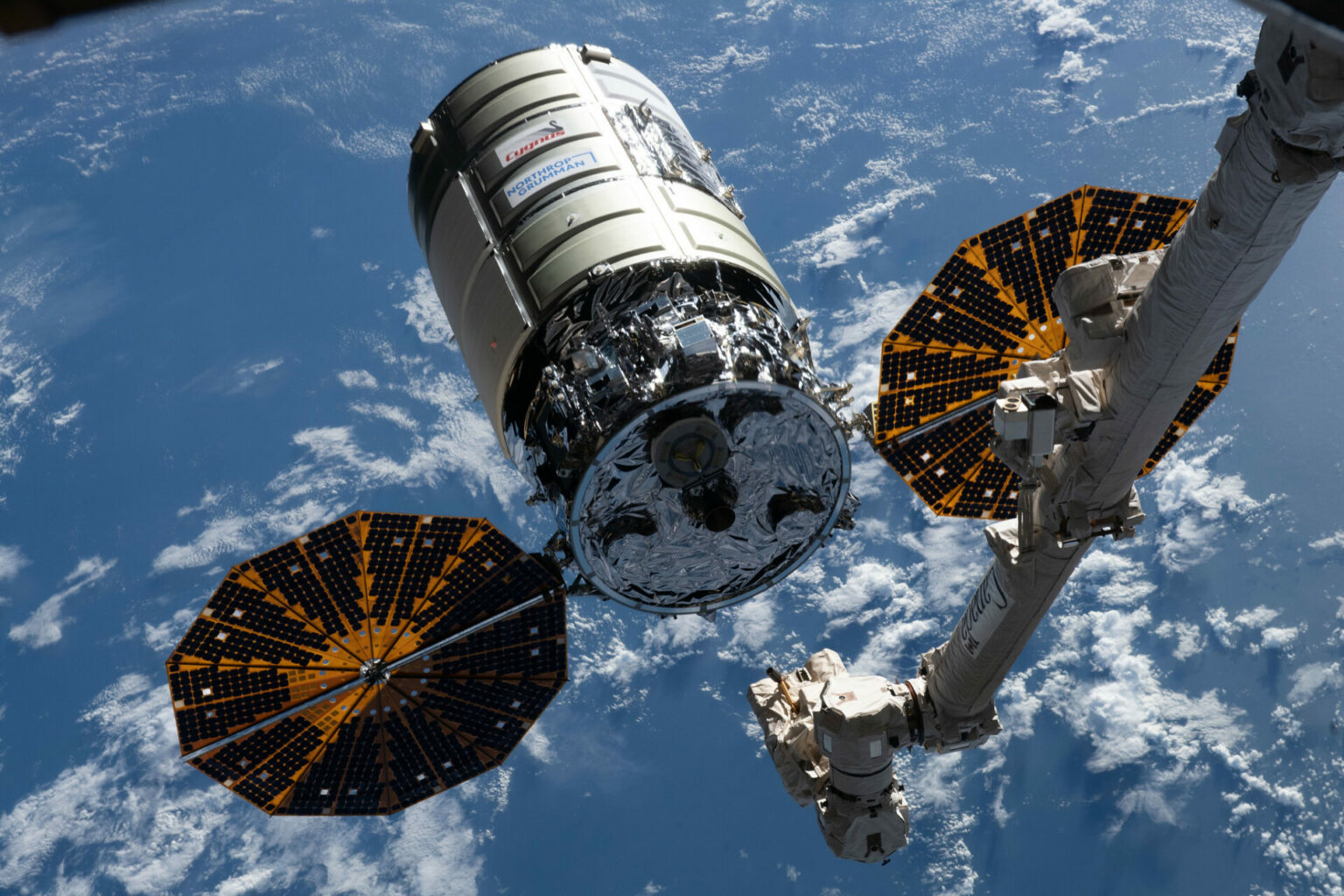
Space missions don’t always go exactly as planned, and that’s completely normal. Even with years of preparation and testing, unexpected issues can still happen. Recently, NASA and Northrop Grumman made the decision to delay the arrival of their cargo spacecraft after detecting a propulsion-related issue.
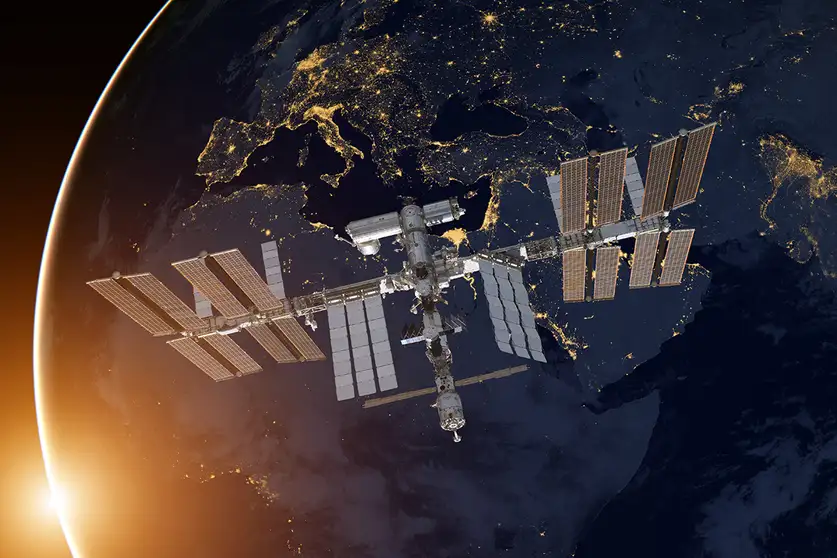
The mission involves the Cygnus XL, which was on its way to the International Space Station as part of a routine resupply mission. While the situation is under control, the delay highlights how carefully space agencies handle even small technical concerns to ensure safety and mission success.
Let’s walk through what happened, what it means, and what comes next.
What Happened?
During the journey toward the ISS, engineers noticed a problem related to the spacecraft’s propulsion system. This system is responsible for controlling the spacecraft’s movement in space, including adjusting its speed and direction.
As soon as the issue was identified, NASA and Northrop Grumman teams took a cautious approach. Instead of continuing with the original plan, they decided to postpone the arrival of Cygnus XL at the space station.
This decision was not made out of panic, but out of careful thinking. In space missions, safety always comes first.
Why the Propulsion System Matters
The propulsion system is one of the most important parts of any spacecraft. It allows the spacecraft to:
- Change its orbit
- Slow down or speed up
- Align properly for docking
- Maintain a safe distance from the ISS
When approaching the ISS, everything has to be extremely precise. Even a small error in movement could create serious risks.
That’s why any issue related to propulsion is taken very seriously. Engineers want to fully understand the problem before moving forward.
What Is Cygnus XL?
Cygnus XL is an upgraded version of the Cygnus cargo spacecraft. It is designed to carry larger amounts of supplies and equipment to the ISS.
Some key points about Cygnus XL:
- It can transport several tons of cargo
- It operates without a crew
- It uses automated systems for navigation
- It is captured by the ISS robotic arm instead of docking on its own
This spacecraft plays a big role in keeping the ISS running smoothly.
A Routine Mission, An Unusual Pause
The mission itself is part of NASA’s regular cargo delivery program. These missions happen multiple times a year and are essential for supporting astronauts in space.
However, delays like this remind us that space is a challenging environment. Even routine missions can face unexpected situations.
The good news is that the issue was detected early, giving engineers enough time to respond properly.
How NASA Handles Situations Like This
NASA has strict safety protocols for handling technical issues. When something unusual is detected, the process usually includes:
- Pausing the mission timeline
- Analyzing data from the spacecraft
- Running simulations to understand the problem
- Testing possible solutions
- Deciding on the safest way forward
This careful approach helps prevent small problems from becoming bigger ones.
Impact on the ISS Crew
The delay of the Cygnus XL arrival does not put astronauts in immediate danger. The ISS is always stocked with enough supplies to handle delays.
However, it may affect:
- The timing of certain experiments
- Planned maintenance activities
- The station’s overall schedule
NASA teams will adjust plans as needed to keep everything running smoothly.
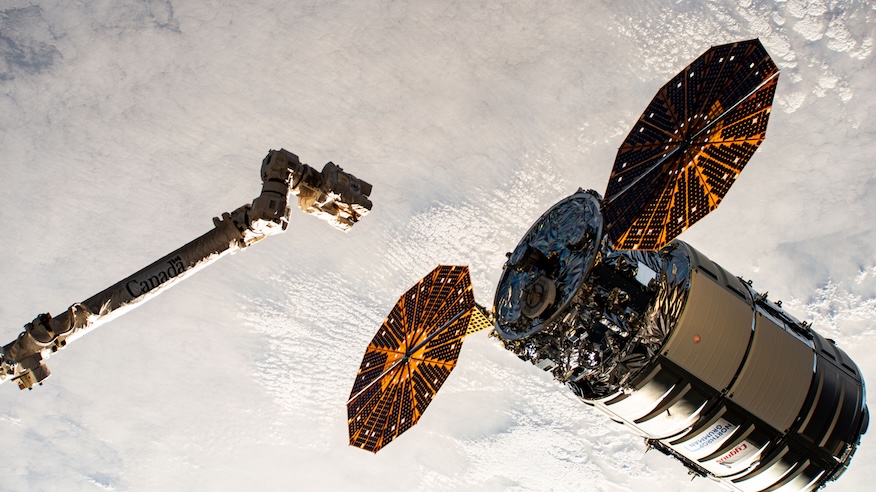
NASA and Northrop Grumman Postpone Cygnus XL Arrival to ISS Following Propulsion Issue
Communication and Transparency
NASA and Northrop Grumman are known for being open about mission updates. As soon as the issue was identified, they shared information with the public.
This transparency helps build trust and allows people around the world to stay informed about what’s happening in space.
It also shows how seriously these organizations take their responsibilities.
What Happens Next?
Right now, engineers are focused on understanding the propulsion issue. Once they identify the cause, they will decide on the best solution.
Possible next steps include:
- Fixing the issue through onboard adjustments
- Updating the spacecraft’s software
- Changing the approach path to the ISS
- Setting a new arrival date
Only after everything is confirmed to be safe will the mission continue.
The Role of Teamwork
Situations like this require strong teamwork between different groups. Engineers, mission controllers, and specialists all work together to solve the problem.
The collaboration between NASA and Northrop Grumman is especially important here. Both teams bring their expertise to ensure the mission stays on track.
This kind of teamwork is one of the biggest strengths of modern space exploration.
Learning from Challenges
Every issue in space becomes a learning opportunity. By studying what went wrong, engineers can improve future missions.
This helps make spacecraft more reliable and reduces the chances of similar problems happening again.
In this way, even delays contribute to progress.
A Common Part of Space Missions
It’s important to understand that delays are a normal part of space exploration. Many past missions have faced similar situations.
Even historic missions like those in the Apollo program had to deal with unexpected challenges.
What matters most is how these challenges are handled—and in this case, the response has been careful and professional.
Why Safety Always Comes First
In space, there is no room for risky decisions. Everything must be planned and executed with precision.
By postponing the arrival, NASA and Northrop Grumman are showing their commitment to safety.
They would rather take extra time to fix an issue than risk the success of the mission or the safety of the ISS.
Public Reaction
When news of the delay came out, many people were curious but also supportive. Space enthusiasts understand that these things can happen.
In fact, many see this as a positive sign—it shows that the systems in place are working and that issues are being caught early.
Looking Ahead
Once the propulsion issue is resolved, Cygnus XL will continue its journey to the ISS. The mission will still deliver its cargo and support ongoing operations in space.
This delay is just a small pause in a much larger process.
NASA and its partners will continue working toward their goals, including maintaining the ISS and preparing for future missions to the Moon and beyond.
Conclusion
The postponement of the Cygnus XL arrival may seem like a setback, but it is actually a sign of responsible and careful space exploration.
By taking the time to address a propulsion issue, NASA and Northrop Grumman are ensuring the safety and success of the mission.
Space exploration is full of challenges, but it is also full of solutions. Every delay, every adjustment, and every decision brings us closer to a better understanding of how to operate in space.
In the end, it’s not just about reaching the destination—it’s about getting there safely and successfully.
And with teams like these working behind the scenes, the future of space exploration remains strong and promising.
Read Also: Keep your face towards the sunshine and shadows will fall behind you
Watch Also: https://www.youtube.com/@TravelsofTheWorld24








Leave a Reply