
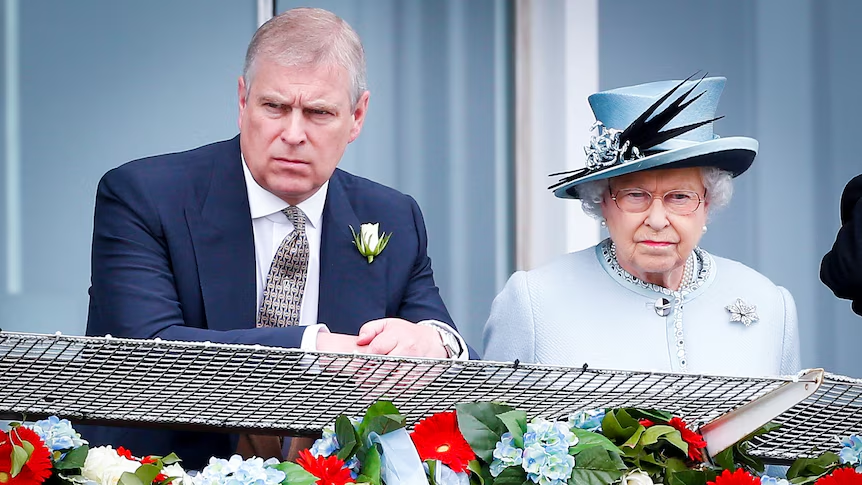
The story around Prince Andrew and his connection to Jeffrey Epstein has been one of the most talked-about royal controversies in recent years. It brought global attention, raised serious questions, and put the British royal family under intense pressure. But according to several reports and royal insiders, one key figure stood firmly in a different position — Queen Elizabeth II herself.
It has been claimed that Queen Elizabeth II did not believe her son, Prince Andrew, had behaved improperly in relation to Jeffrey Epstein. This belief shaped how she responded to the situation, especially in its early stages, even as public opinion began to shift.
The Beginning of the Controversy
The controversy began gaining serious attention when Prince Andrew’s friendship with Jeffrey Epstein came under scrutiny. Epstein, a wealthy financier, was later convicted and widely accused of running a large network involving the exploitation of young girls.
Prince Andrew had known Epstein for years. Photos of them together, along with reports of Andrew staying at Epstein’s properties, raised many concerns. Things became more serious when a woman named Virginia Giuffre accused Andrew of sexual misconduct when she was a minor — something Andrew strongly denied.
The situation quickly became a major scandal, not just for Prince Andrew but for the entire royal family.
Queen Elizabeth’s Initial Reaction
Despite the growing pressure and media attention, Queen Elizabeth reportedly stood by her son at the beginning. According to royal insiders, she believed Andrew’s denial and did not think he had acted improperly.
This reaction may not be surprising when you consider the strong bond between a mother and her child. Andrew was often said to be one of the Queen’s favorite sons. She had known him all his life and trusted him deeply.
For the Queen, the accusations were serious, but she also believed in fairness and loyalty. From her perspective, there was no proven evidence at that time that Andrew had done anything wrong.
A Mother’s Trust vs Public Pressure
As the situation continued to develop, the pressure from the public and media kept increasing. Many people questioned how the royal family was handling the issue. Critics argued that Prince Andrew should step back from royal duties and face proper legal questioning.
At the same time, Queen Elizabeth had to balance two difficult roles — being a mother and being the head of the monarchy.
While she may have personally believed Andrew, she also understood that the reputation of the royal family was at stake. The monarchy depends heavily on public trust, and this controversy was damaging that trust.
The BBC Interview That Changed Everything
A major turning point came when Prince Andrew gave a now-famous interview with BBC News in 2019.
In that interview, Andrew attempted to clear his name. However, the interview did not go as planned. Many viewers felt his answers were unconvincing and lacked empathy, especially toward Epstein’s victims.
Instead of helping his case, the interview made things worse. Public opinion turned even more strongly against him.
After the interview, it became much harder for the royal family — including Queen Elizabeth — to continue supporting Andrew in the same way.
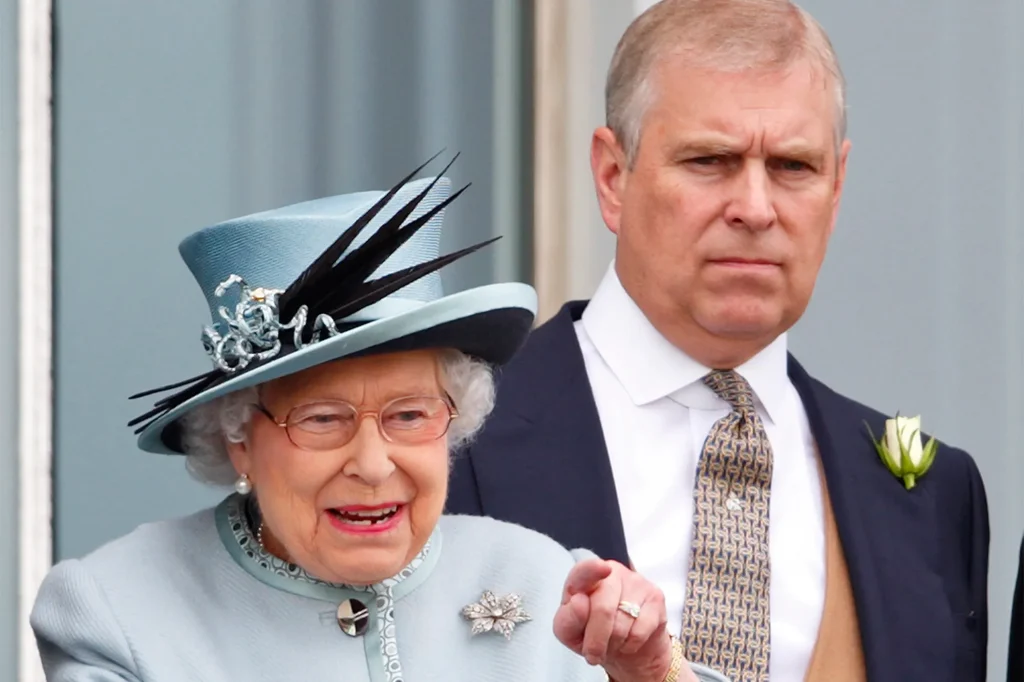
Queen Elizabeth Stood by Prince Andrew During Epstein Scandal
Stepping Back from Royal Duties
Soon after the interview, Prince Andrew announced that he would step back from his royal duties. This decision was widely seen as necessary to protect the monarchy from further damage.
Queen Elizabeth agreed to this step. Even though she may have personally believed in her son’s innocence, she recognized the importance of maintaining the dignity and stability of the royal institution.
This moment showed a shift from personal belief to public responsibility.
Legal Developments and Settlement
The legal case involving Virginia Giuffre continued to move forward in the United States. Prince Andrew denied all allegations and chose not to admit any wrongdoing.
Eventually, in 2022, the case was settled out of court. While the settlement avoided a full trial, it did not fully clear Andrew’s name in the eyes of the public.
For many people, the settlement raised further questions rather than providing clear answers.
The Queen’s Final Years and Position
During her final years, Queen Elizabeth remained largely silent on the issue in public. This was consistent with her lifelong approach — she rarely spoke openly about personal or political controversies.
However, reports suggest that privately she continued to support her son. At the same time, she allowed decisions to be made that limited his public role.
This balance reflects her style of leadership. She believed in loyalty and family, but she also understood her duty to the crown.
The Royal Family’s Image
The Prince Andrew controversy had a lasting impact on the image of the royal family. It came at a time when the monarchy was already facing challenges, including changing public attitudes and calls for modernization.
For younger members of the royal family, like Prince William, the focus has been on rebuilding trust and maintaining a positive image.
The situation also showed how quickly public opinion can change in the modern media age. What might have been handled quietly in the past became a global story overnight.
Public Reaction
Public reaction to the Queen’s reported belief in Andrew has been mixed. Some people understand her position as a mother who trusts her son. Others feel that the seriousness of the allegations required a stronger response from the beginning.
This difference in opinion highlights a larger issue — how should powerful institutions respond to serious accusations, especially when they involve family members?
There is no easy answer, and the Prince Andrew case remains a complex and emotional topic.
A Complicated Legacy
Queen Elizabeth II is remembered as one of the most respected monarchs in history. Her reign lasted over 70 years, and she guided the royal family through many challenges.
The Prince Andrew controversy is just one part of that long history. While it raised difficult questions, it does not define her entire legacy.
Instead, it shows the human side of leadership — even a queen must sometimes make tough decisions involving family and duty.
Final Thoughts
The claim that Queen Elizabeth did not believe Prince Andrew behaved improperly offers an important insight into how she viewed the situation. It reflects her personal trust in her son, but also the difficult balance she had to maintain as the head of the monarchy.
In the end, the story is not just about one person or one decision. It is about family, responsibility, public trust, and the challenges of leadership in a modern world.
Prince Andrew’s association with Jeffrey Epstein will likely remain a topic of discussion for years to come. And Queen Elizabeth’s response will continue to be analyzed as part of her complex and remarkable life.
Read Also: Keep your face towards the sunshine and shadows will fall behind you
Watch Also: https://www.youtube.com/@TravelsofTheWorld24










Leave a Reply