
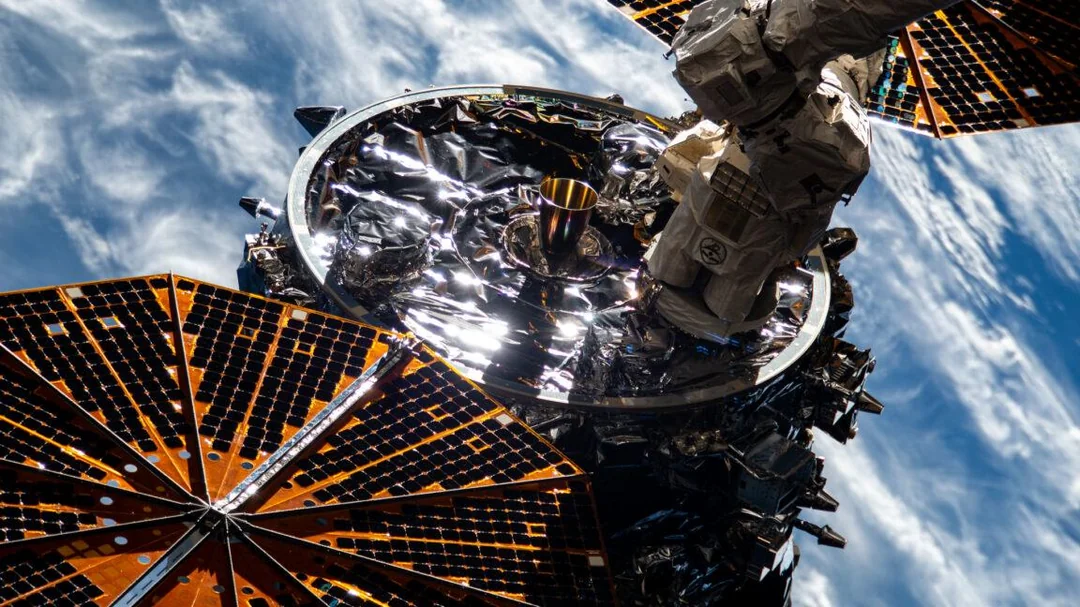
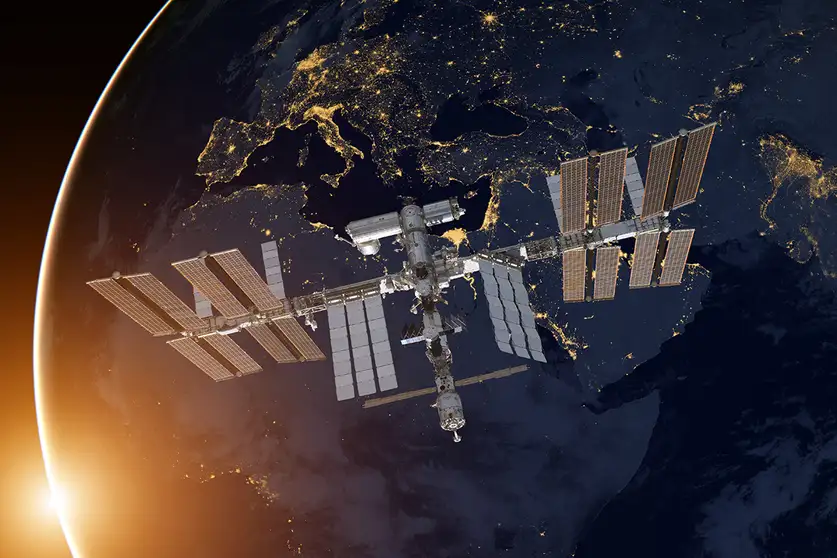
A major cargo delivery to the International Space Station has been delayed after a technical problem occurred early Tuesday. The spacecraft carrying a record supply load experienced an early shutdown of its main engine, preventing it from reaching orbit as planned.
Although the situation is being handled carefully, the delay highlights the challenges of spaceflight and the importance of safety when delivering supplies to astronauts in orbit. Let’s break down what happened, why it matters, and what comes next.
What Happened?
The spacecraft was carrying an unusually large amount of cargo intended for the ISS. This cargo included:
- Food and personal supplies for astronauts
- Scientific experiments
- Spare parts and maintenance equipment
- Technology for ongoing research
Shortly after liftoff, engineers noticed that the spacecraft’s main engine shut down earlier than expected. This prevented the vehicle from following its normal trajectory toward the station.
As a result, the delivery will not reach the station on its originally scheduled timeline.
Why the Main Engine Matters
The main engine is critical for propelling the spacecraft into orbit and adjusting its path. It controls:
- Speed and acceleration
- Trajectory toward the ISS
- Orbital insertion for docking
- Positioning to safely approach the station
When the engine shuts down too early, the spacecraft cannot reach the required orbit and must be monitored closely to ensure safety.
The Cargo
This mission was notable because it carried a record supply load—the largest amount of cargo for a single trip to the ISS in recent times.
The cargo includes items that astronauts rely on daily, as well as experiments that support research in microgravity. Delays in delivering these materials can temporarily affect certain operations on the station, though NASA ensures astronauts have essential supplies to maintain safety and normal routines.
Handling the Situation
NASA and the spacecraft operator immediately paused operations to evaluate the issue. Engineers are:
- Analyzing data from the spacecraft’s sensors
- Investigating why the engine shut down early
- Checking backup systems and possible alternative routes
- Planning the safest way to proceed
Even though the engine problem is serious, the situation is under control and poses no immediate danger to the ISS or its crew.
Impact on the ISS Crew
The delay affects the timing of resupply but does not create an emergency. Astronauts have enough food, water, and essential equipment to continue daily operations safely.
However, some planned experiments or maintenance tasks may be postponed until the supplies arrive.
Why Spaceflight Is Challenging
Spaceflight is complicated and requires precise timing. Even small deviations can cause problems. Factors that can affect missions include:
- Engine performance
- Weather conditions at launch
- Communication systems
- Orbital mechanics and timing with the ISS
Delays and technical issues are normal in spaceflight, and NASA has procedures to address them safely.
How NASA Responds
When a spacecraft experiences an engine issue, NASA follows strict protocols:
- Halting the planned trajectory to prevent further risk
- Consulting with ground control engineers and mission planners
- Considering backup plans for orbital insertion or docking
- Coordinating with the ISS team for revised schedules
This approach ensures that safety remains the top priority.
Future Steps
Engineers will determine whether the spacecraft can still reach the ISS after adjustments, or if it must wait for a future launch window. Options may include:
- Correcting the orbit using backup thrusters
- Returning the spacecraft for maintenance
- Scheduling a new launch for cargo delivery
The final plan will depend on safety assessments and technical analysis.
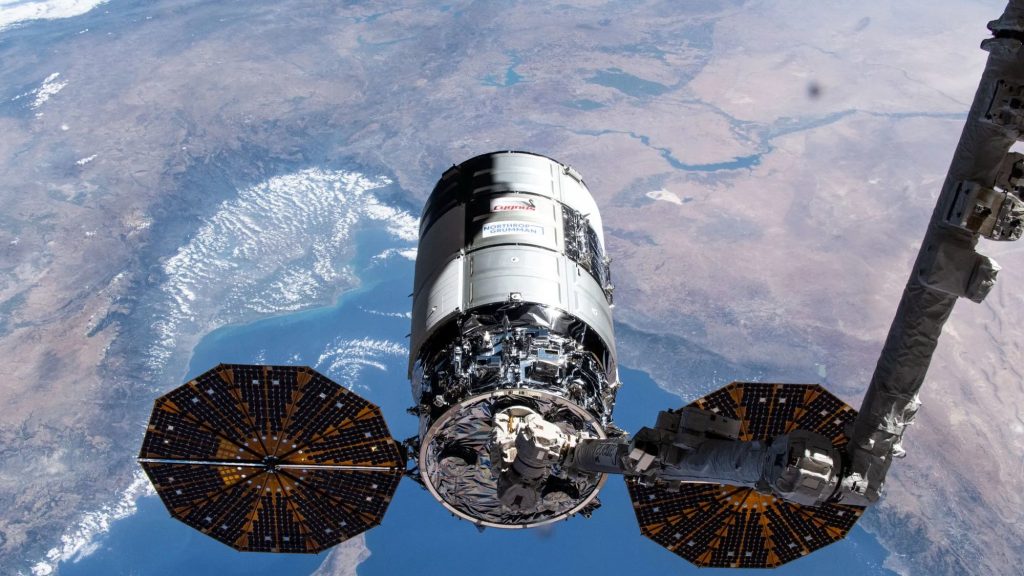
A Record Supply Load Won’t Reach the International Space Station as Scheduled
Importance of Cargo Missions
Resupply missions are essential for the ISS. They provide:
- Food, water, and personal items for astronauts
- Scientific equipment for research
- Spare parts for maintenance
- Technology demonstrations that benefit future missions
Delays in cargo delivery can temporarily affect operations, but NASA plans ahead to minimize disruptions.
Learning from Issues
Every technical issue in space provides valuable lessons. By studying why the engine shut down early, engineers can:
- Improve spacecraft reliability
- Avoid similar problems in future missions
- Enhance safety protocols for crewed and cargo flights
These lessons strengthen NASA’s ability to operate in space safely.
Public Communication
NASA and its partners are transparent about mission updates. When delays occur, the public is informed quickly.
Sharing information helps maintain trust and allows people worldwide to follow the progress of space exploration.
The Role of Teamwork
Resolving issues like this requires coordination between multiple teams:
- Engineers analyzing spacecraft data
- Mission controllers planning alternatives
- ISS crew adjusting schedules
- Communication teams ensuring updates reach the public
Teamwork ensures that even unexpected challenges are managed effectively.
Challenges of Record Loads
Carrying a record cargo load adds complexity:
- Heavier loads require precise engine performance
- More mass affects trajectory calculations
- Safety margins are smaller for large loads
These factors make careful monitoring essential during launch and flight.
The Bigger Picture
While this delay is inconvenient, it is part of the process of maintaining the ISS. Spaceflight is inherently risky, and NASA’s careful response shows the agency’s commitment to safety.
Every mission, even those with problems, contributes to experience and knowledge for future flights. Lessons learned help improve technology, procedures, and planning.
Conclusion
The early shutdown of the spacecraft’s main engine delayed a record supply load to the International Space Station, but the situation is under control. Engineers and mission planners are assessing options to safely deliver the cargo, and the astronauts aboard the ISS remain secure.
This incident highlights the challenges of spaceflight and the importance of safety protocols. While delays are disappointing, they provide valuable insights for future missions and ensure that when the cargo finally arrives, it does so safely and effectively.
Read Also: Keep your face towards the sunshine and shadows will fall behind you
Watch Also: https://www.youtube.com/@TravelsofTheWorld24








Leave a Reply