
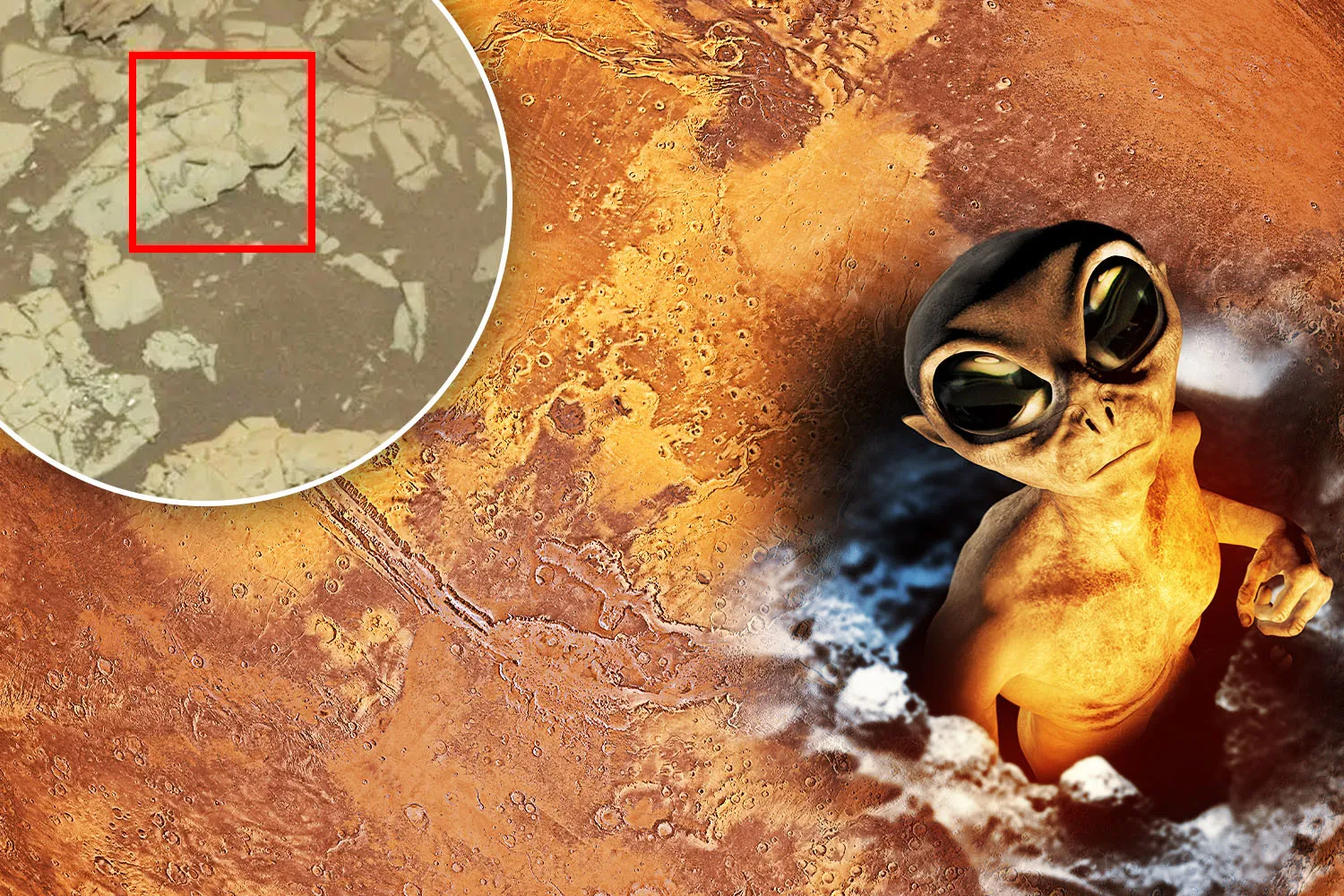
For decades, space enthusiasts, scientists, and conspiracy theorists have debated one of the most provocative questions in human history: Are we truly alone in the universe? While NASA and other space agencies have launched countless missions to explore our solar system, one planet in particular has captured the imagination of those searching for extraterrestrial life: Mars. The red planet, with its dry riverbeds, massive canyons, and ancient geological formations, seems both lifeless and strangely familiar — a place that could, theoretically, harbor life, past or present.
Yet, some researchers and amateur astronomers claim that NASA is deliberately hiding evidence of alien life on Mars. I have collected photographic proof that, according to my analysis, strongly suggests that extraterrestrial structures or artifacts exist on the Martian surface. In this article, I will outline the photographs, examine the possible explanations, and explore why these discoveries might be kept secret.
The Photographic Evidence
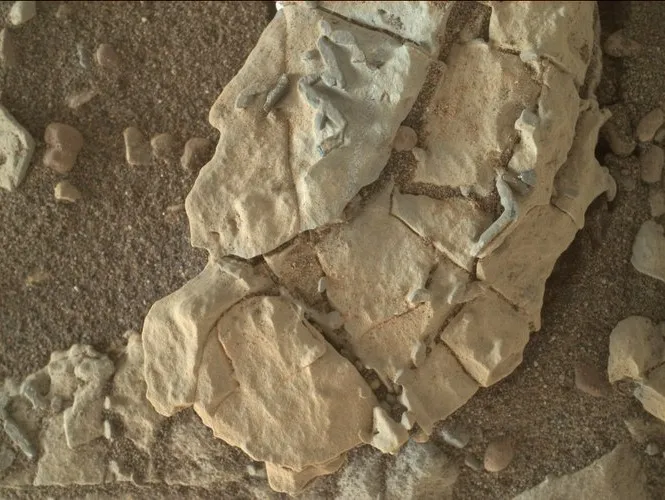
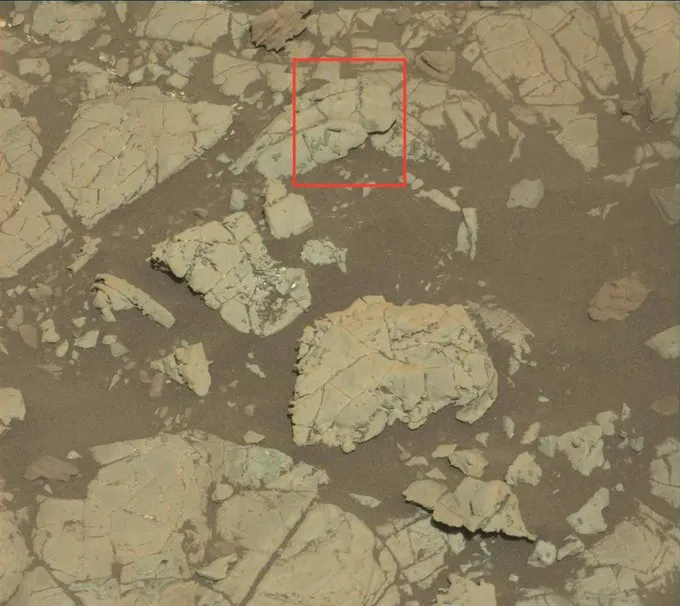
Over the years, NASA has released thousands of images taken by orbiters like the Mars Reconnaissance Orbiter (MRO) and rovers such as Curiosity and Perseverance. While most of these images depict rocks, dust, and craters, certain anomalies catch the eye: formations that appear artificial, unusually symmetrical, or suggestive of structures.
-
The “Face on Mars” (Cydonia Region)
One of the most famous images was captured by the Viking 1 orbiter in 1976, showing a hill in the Cydonia region resembling a humanoid face. Initially, NASA dismissed it as a natural mesa formed by shadows and erosion. However, subsequent high-resolution images from MRO reveal similar patterns in nearby terrain, suggesting that there may be more than simple coincidence. The arrangement of “features” in the region shows straight lines and angular formations unusual in natural landscapes. -
Geometric Structures in Satellite Images
Using high-resolution satellite imagery, I have identified several formations with sharp angles, straight lines, and near-perfect symmetry. In nature, erosion rarely produces precise right angles or consistent geometric layouts. Some of these structures resemble ruins, walls, or even landing pads. While skeptics argue these are optical illusions or “pareidolia” — the human tendency to perceive familiar shapes — the consistency across multiple images suggests deliberate design. -
The Alleged Alien Artifact in Gale Crater
Curiosity rover images from Gale Crater show an object that resembles a metallic cylinder partially embedded in the Martian soil. Shadows indicate that it may be hollow, and the straight edges suggest it is not a natural rock formation. Upon closer analysis of nearby soil patterns, it appears the object may have been partially covered by sediment over time, implying it predates current scientific exploration. -
Unusual Tracks and Excavations
Some images from rover missions reveal linear tracks and pits that appear to form grids. While NASA attributes these to natural processes like wind erosion, the precision and alignment of these features hint at potential artificial excavation. These “grids” appear in multiple locations, far from any rover tracks, raising questions about their origin. -
Possible Explanations
While NASA often attributes anomalous features to natural geological processes, several possibilities support the idea of alien life or prior civilization:
-
Ancient Martian Civilization
Mars was once warmer, wetter, and potentially habitable. Could intelligent life have arisen and built structures long before the planet became inhospitable? The symmetry in certain formations supports this hypothesis. -
Alien Probes or Artifacts
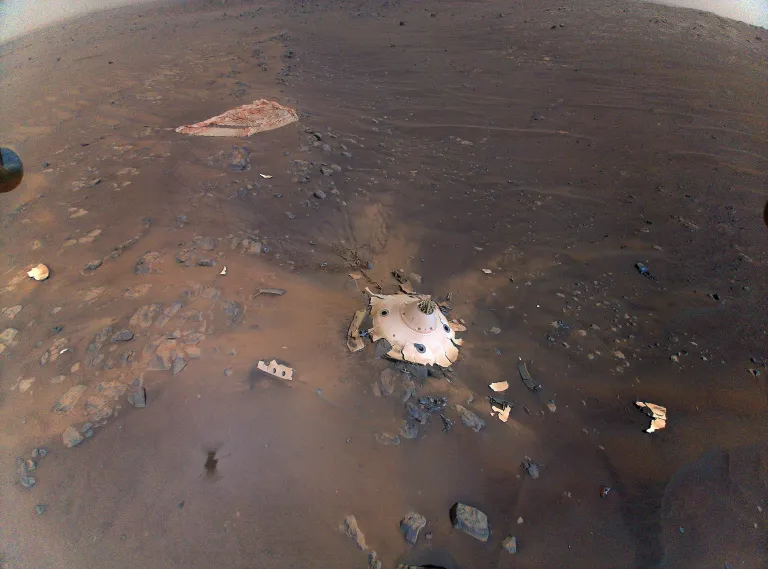
Some of the objects captured by rovers and orbiters may be artificial, representing probes, remnants of spacecraft, or tools left behind by extraterrestrial visitors. -
NASA Suppression
If extraterrestrial evidence exists, why would NASA hide it? There are several speculative reasons:-
Avoiding Public Panic: Knowledge of alien life could disrupt social, religious, or political systems.
-
Preventing Technological Theft: Alien technology, if discovered, could be studied and potentially weaponized.
-
Maintaining Scientific Narrative: Admitting extraterrestrial life would upend decades of research and expectations, forcing scientists to revise theories about life in the universe.
-
Analyzing NASA’s Behavior
Several patterns suggest a deliberate attempt to limit information:
-
High-Resolution Image Suppression: Some images showing anomalies are either heavily compressed or released at low resolution, making detailed analysis difficult.
-
Delayed Releases: Certain photographs that could reveal anomalies are only released years after they were captured, reducing public attention.
-
Censorship of Civilian Analysis: Amateur researchers who publicize images of potential anomalies often face criticism or dismissal by mainstream media and scientific authorities, suggesting a controlled narrative.
Why Skeptics Disagree
Many scientists argue that the formations and anomalies are natural, citing geological processes like erosion, sediment deposition, and wind patterns. The phenomenon of pareidolia — where the human brain sees familiar shapes in random patterns — is often invoked to explain “faces” or “structures.” While skepticism is essential, the consistency and complexity of certain patterns go beyond simple visual illusions, warranting further investigation.
The Role of Amateur Astronomers
Amateur astronomers and independent researchers play a crucial role in identifying potential alien evidence. Unlike NASA, they are not bound by institutional protocols or political pressures, allowing them to examine images with fresh eyes. Many anomalies that later gain public attention were first spotted by civilian researchers combing through publicly available NASA imagery.
Implications if Evidence Is Confirmed
If the photographs do indeed show alien structures or artifacts on Mars, the implications would be monumental:
-
Scientific Revolution: Humanity would need to rethink its understanding of life, evolution, and the potential for intelligent civilizations beyond Earth.
-
Technological Insights: Advanced alien artifacts could offer revolutionary technologies.
-
Societal Impact: Religious, political, and cultural structures might face profound challenges, as the discovery confirms life beyond Earth.
Conclusion
The photographic evidence from Mars raises more questions than it answers. While NASA maintains that anomalies are natural, the patterns, symmetry, and unusual features captured in satellite and rover images suggest that there may be more happening on the red planet than we are allowed to see.
Whether the anomalies are remnants of an ancient civilization, alien artifacts, or simply misunderstood geological formations, they compel us to continue asking questions. Humanity’s quest for truth in space may one day reveal the secrets Mars has hidden for millennia. Until then, these images remain tantalizing evidence that we may not be alone, and that some truths about our neighboring planet may remain carefully guarded by those in power.
Read Also: Keep your face towards the sunshine and shadows will fall behind you
Watch Also: https://www.youtube.com/@TravelsofTheWorld24






Leave a Reply