
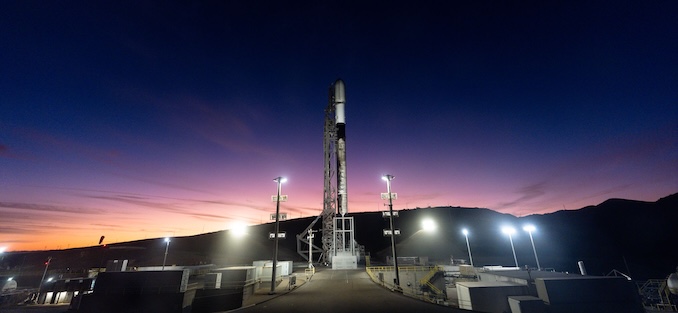
The world of space launches is moving faster than ever, and once again SpaceX has shown how powerful and efficient modern space travel can be. In a recent mission from California, the company successfully launched 119 payloads into orbit as part of its smallsat rideshare program. This mission highlights how space is becoming more accessible, not just for big agencies, but also for smaller companies, universities, and even startups.
Let’s take a closer look at what this mission means, how it works, and why it’s such a big deal.
What Is a Smallsat Rideshare Mission?
A rideshare mission is exactly what it sounds like. Instead of one large satellite taking up the entire rocket, multiple smaller satellites share the same launch.
In this case, 119 different payloads were packed together and sent into space on a single rocket. These payloads included:
- Small satellites (smallsats)
- CubeSats (tiny cube-shaped satellites)
- Technology demonstration units
- Scientific instruments
This approach helps reduce costs and allows more organizations to send their projects into space.
The Rocket Behind the Mission
The mission was carried out using the reliable Falcon 9 rocket. Falcon 9 is known for its ability to launch, land, and be reused, which makes it one of the most cost-effective rockets in the world today.
Some key features of Falcon 9:
- Reusable first stage booster
- Ability to carry multiple payloads
- High launch frequency
- Proven track record of success
After liftoff from California, the rocket traveled into orbit and began deploying the payloads one by one.
Launch Site: California
This mission took place from Vandenberg Space Force Base, a major launch site located on the west coast of the United States.
Vandenberg is often used for missions that need a polar orbit, which allows satellites to pass over the entire Earth as the planet rotates. This is especially useful for:
- Earth observation satellites
- Weather monitoring
- Environmental studies
The location makes it ideal for rideshare missions like this one.
A Record Number of Payloads
Launching 119 payloads in a single mission is a huge achievement. It shows how far space launch systems have come in terms of efficiency and capacity.
Each payload had its own purpose, but they all shared one common goal: reaching orbit safely.
The deployment process is carefully planned. Satellites are released at specific times and angles to avoid collisions and ensure they reach their correct positions in space.
Who Uses These Missions?
One of the most exciting parts of rideshare missions is the variety of customers involved. These launches are not just for governments or big companies.
They are used by:
- Startups testing new space technology
- Universities running research projects
- Private companies launching communication satellites
- Governments deploying small monitoring systems
This wide range of users shows how space is becoming more open and accessible.
Why Rideshare Missions Are Important
Rideshare missions are changing the space industry in several ways:
1. Lower Costs
Launching a satellite used to be extremely expensive. By sharing a rocket, costs are divided among multiple customers.
2. More Opportunities
Smaller organizations now have a chance to send their projects into space.
3. Faster Access
Instead of waiting years for a dedicated launch, customers can join a rideshare mission and reach orbit sooner.
Precision and Planning
Even though it may look simple, launching 119 payloads requires careful planning.
Engineers must:
- Design the layout of satellites inside the rocket
- Plan the order of deployment
- Ensure safe distances between payloads
- Monitor each release in real time
Any mistake could cause satellites to collide or end up in the wrong orbit.
This mission shows how advanced SpaceX’s systems have become.
Reusability: A Game Changer
One of the biggest reasons SpaceX can offer rideshare missions is its focus on reusability.
After launching the payloads, the Falcon 9 booster returned to Earth and landed safely. This allows it to be used again in future missions.
Reusability helps:
- Reduce launch costs
- Increase launch frequency
- Make space travel more sustainable
This approach has completely changed how the space industry operates.
The Growing Smallsat Market
The demand for small satellites is growing rapidly. These satellites are used for many purposes, including:
- Internet services
- Earth imaging
- Navigation
- Scientific research
Because they are smaller and cheaper to build, more organizations can afford to develop them.
Rideshare missions are the perfect solution for launching these satellites.
Impact on Everyday Life
Even though these satellites are in space, their impact is felt on Earth.
They help improve:
- Weather forecasting
- Internet connectivity in remote areas
- Disaster monitoring
- Environmental protection
This means missions like this one are not just about space—they also make life better on Earth.
Competition and Innovation
SpaceX is leading the rideshare market, but it is not alone. Other companies and countries are also working on similar programs.
This competition drives innovation and leads to better technology and lower costs.
However, SpaceX’s ability to launch large numbers of payloads at once gives it a strong advantage.
Challenges of Large Rideshare Missions
While rideshare missions are efficient, they also come with challenges:
- Managing many different customers
- Coordinating satellite requirements
- Ensuring safe deployment
- Handling delays if one payload is not ready
Despite these challenges, SpaceX continues to improve its processes.
Looking Toward the Future
The success of this mission shows that rideshare launches will play a big role in the future of space exploration.
We can expect:
- Even larger missions with more payloads
- Faster and more frequent launches
- New types of satellites and technologies
- Greater participation from around the world
Space is no longer limited to a few big players—it is becoming a shared space for innovation.
A Milestone Moment
Launching 119 payloads in one mission is not just a technical success—it’s a milestone for the entire space industry.
It shows what is possible when technology, planning, and vision come together.
For many of the organizations involved, this mission represents years of work finally reaching orbit.
Conclusion
The recent rideshare mission by SpaceX is a clear example of how space travel is evolving. By launching 119 payloads from California using the Falcon 9 rocket, the company has once again demonstrated its ability to lead in innovation and efficiency.
This mission is more than just a launch—it’s a sign of a future where space is more accessible, more active, and more important than ever before.
From small startups to large organizations, more people now have the chance to reach space and turn their ideas into reality.
And as missions like this continue, one thing is clear: the space industry is growing fast, and we are only just getting started.
Read Also: Keep your face towards the sunshine and shadows will fall behind you
Watch Also: https://www.youtube.com/@TravelsofTheWorld24








Leave a Reply