
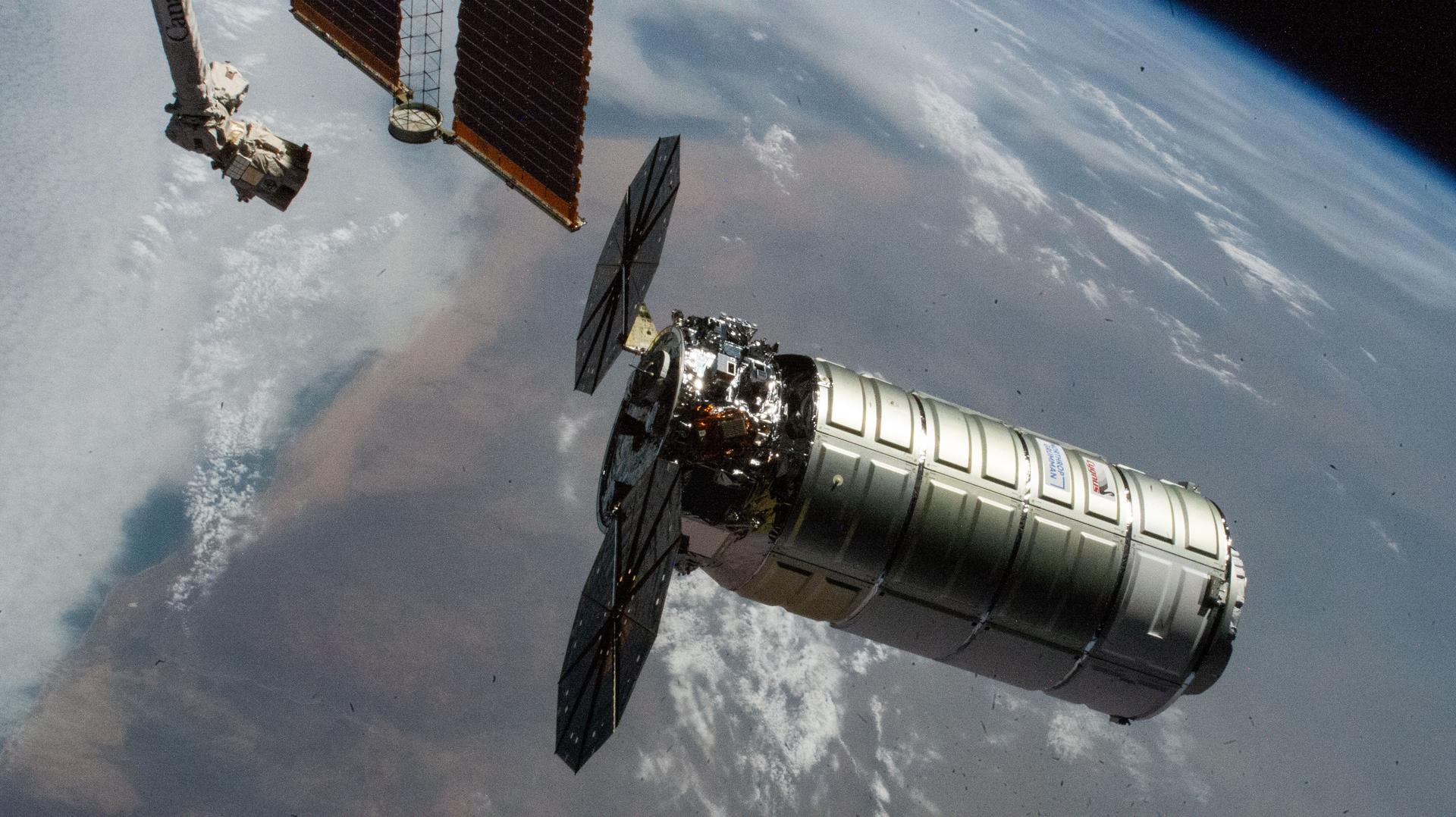
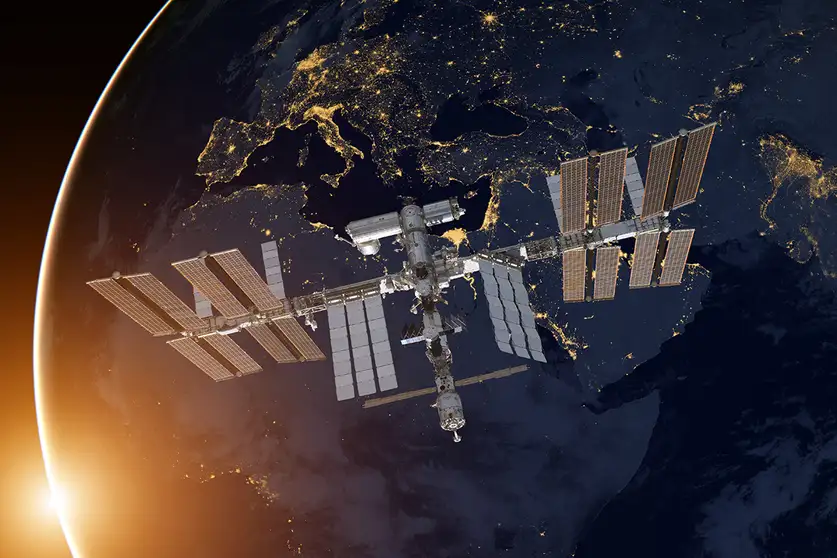
Space activity around Earth is busier than ever, and NASA is once again preparing for an important cargo mission to support life and research in orbit. The upcoming CRS-24, operated by Northrop Grumman, is aiming for an April 11 launch. This mission comes at a time when the International Space Station is running on a very tight and active schedule.
Let’s break down what this mission is about, why it matters, and what makes this particular launch a bit more challenging than usual.
What Is CRS-24?
CRS stands for Commercial Resupply Services. These are missions where private companies send cargo to the International Space Station for NASA. CRS-24 is one of these missions, and it plays a key role in keeping the station running smoothly.
Unlike crewed missions, CRS-24 will not carry astronauts. Instead, it will deliver:
- Food and supplies for astronauts
- Scientific experiments
- Spare parts and equipment
- Tools needed for maintenance
These missions are like delivery trucks for space—without them, life aboard the ISS would become very difficult.
The Spacecraft: Cygnus
For this mission, Northrop Grumman is using its well-known Cygnus spacecraft. Cygnus is specially designed to carry cargo into orbit and safely deliver it to the space station.
Some key features of Cygnus:
- It can carry several tons of cargo
- It operates without a crew
- It docks with the ISS using robotic systems
- It burns up safely in Earth’s atmosphere after the mission
This makes it a reliable and efficient option for resupply missions.
Launch Details
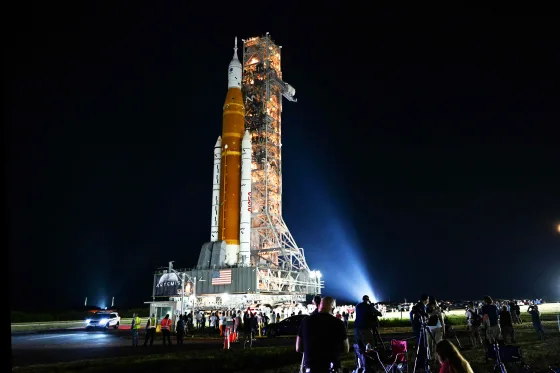
The CRS-24 mission is targeting a launch on April 11. It will lift off aboard an Antares rocket from the United States.
The launch process includes:
- Liftoff from the launch pad
- Reaching orbit within minutes
- Deploying the Cygnus spacecraft
- Traveling toward the ISS over the next couple of days
Once it reaches the station, astronauts will use a robotic arm to capture the spacecraft and attach it to the station.
A Busy Time for the ISS
One of the biggest challenges for this mission is timing. The International Space Station is currently operating on a very full schedule.
At any given time, the ISS may have:
- Crew rotations (astronauts arriving and leaving)
- Spacewalks
- Scientific experiments running continuously
- Other cargo missions docking and undocking
Because of this, NASA has to carefully plan exactly when CRS-24 can arrive. Even a small delay could affect multiple activities onboard.
This is why the April 11 launch date is important—it fits into a narrow window when the station can safely receive the cargo.
Why This Mission Matters
CRS-24 might sound like just another routine mission, but it plays a very important role.
1. Supporting Astronauts
Astronauts aboard the ISS depend on regular deliveries. These include food, clothing, and personal items.
2. Enabling Science
Many experiments on the ISS require fresh materials or new equipment. CRS-24 will bring supplies that allow scientists to continue their research.
3. Maintaining the Station
The ISS is a complex structure that needs constant maintenance. Spare parts and tools delivered by missions like CRS-24 help keep everything working properly.
Science on Board
One of the most exciting parts of any cargo mission is the science it carries. CRS-24 will include experiments designed to take advantage of the unique conditions in space.
In microgravity, scientists can study things that are difficult or impossible to observe on Earth, such as:
- How cells grow and behave
- How materials react without gravity
- New ways to develop medicines
- Improvements in technology
These experiments can lead to discoveries that benefit life on Earth.
Coordination and Teamwork
Just like other NASA missions, CRS-24 requires a lot of teamwork. Multiple teams work together to make it happen, including:
- Engineers preparing the rocket and spacecraft
- Mission planners scheduling the launch
- Astronauts getting ready to receive the cargo
- Ground control teams monitoring the mission
The coordination becomes even more important when the ISS schedule is full. Everyone has to stay in sync to avoid conflicts.
The Role of Commercial Partners
NASA’s partnership with companies like Northrop Grumman shows how space exploration is changing. Instead of handling everything on its own, NASA now works with private companies to carry out many missions.
This approach has several benefits:
- It reduces costs
- It allows NASA to focus on deep space missions
- It encourages innovation in the private sector
CRS-24 is a great example of how this partnership works in practice.
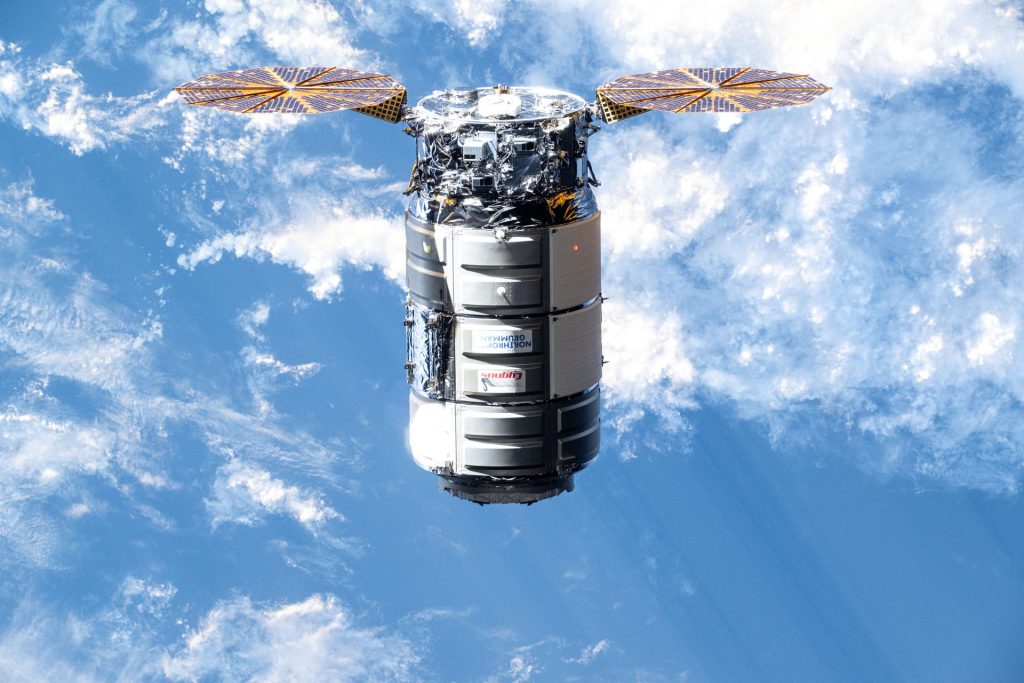
NASA’s Northrop Grumman CRS-24 Mission Targets April 11 Launch Amid Full Station Schedule
What Happens After Docking?
Once Cygnus is attached to the ISS, astronauts will begin unloading the cargo. This process can take several days.
They will:
- Transfer supplies into the station
- Set up experiments
- Check and store equipment
After the cargo is unloaded, Cygnus will not return to Earth. Instead, it will be filled with waste from the station and sent back into Earth’s atmosphere, where it will safely burn up.
Challenges Along the Way
Even though missions like CRS-24 are well-planned, there are always challenges:
- Weather conditions at the launch site
- Technical checks before liftoff
- Timing with the ISS schedule
- Communication and tracking in space
NASA and Northrop Grumman prepare for these challenges by running multiple tests and backup plans.
A Step Toward the Future
Cargo missions like CRS-24 may not get as much attention as missions to the Moon or Mars, but they are just as important.
They help maintain a continuous human presence in space, which is key for future exploration.
The experience gained from these missions will support bigger goals, including:
- Long-term space stations
- Missions to the Moon under the Artemis program
- Future journeys to Mars
Public Interest and Awareness
Every NASA mission, including CRS-24, helps keep the public interested in space exploration. Launches are often streamed live, allowing people around the world to watch in real time.
This connection between space agencies and the public helps inspire the next generation of scientists, engineers, and explorers.
Final Thoughts
The upcoming CRS-24 mission by NASA and Northrop Grumman is another important step in keeping the International Space Station running smoothly. Even though it may seem like a routine delivery, it plays a critical role in supporting astronauts and advancing science.
With a targeted April 11 launch and a packed schedule aboard the ISS, this mission highlights the importance of timing, teamwork, and careful planning.
As space activity continues to grow, missions like CRS-24 remind us that every successful launch—big or small—contributes to the bigger picture of human exploration.
In the end, it’s not just about sending cargo to space. It’s about building a future where humans can live, work, and explore beyond Earth—and missions like this are making that future possible.
Read Also: Keep your face towards the sunshine and shadows will fall behind you
Watch Also: https://www.youtube.com/@TravelsofTheWorld24








Leave a Reply