
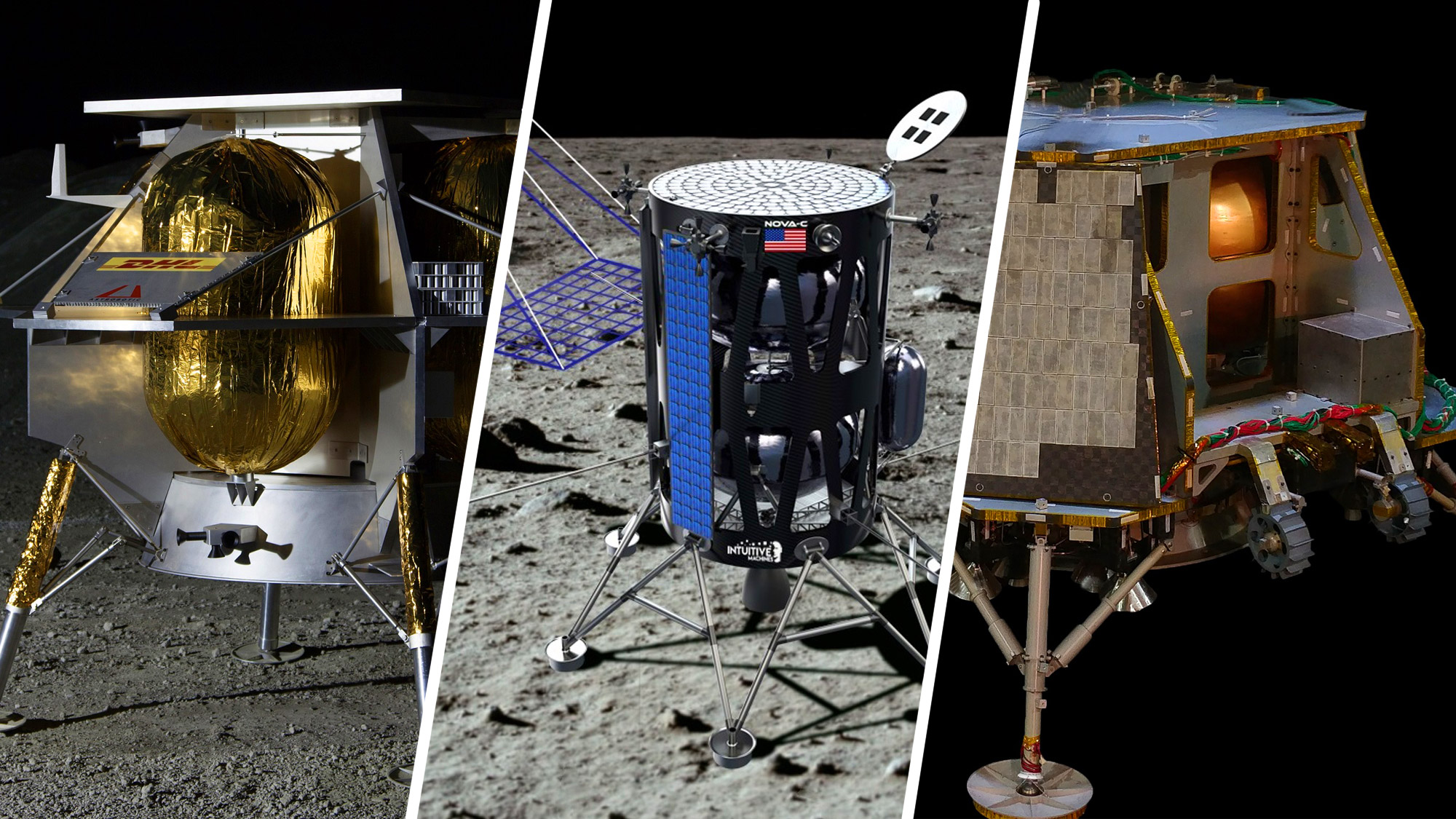
NASA is about to announce something big today: new private companies that will help land on the Moon. This is an exciting step in humanity’s plans to return to the Moon and explore it in ways we haven’t done since the Apollo missions.
For decades, NASA has led Moon missions on its own. But now, the agency is partnering with private companies to build landers, spacecraft, and technology. These partnerships aim to speed up exploration, reduce costs, and make missions more flexible.
Why Private Partnerships Matter
Private companies bring new ideas, faster development, and innovative technology. NASA benefits because:
-
Companies can build landers and spacecraft more efficiently
-
Cost of missions is shared between NASA and companies
-
Technology developed for Moon missions can help future Mars missions
This approach also creates opportunities for the private space industry, encouraging growth and investment.
The Moon Lander Program
NASA’s Moon Lander Program focuses on designing spacecraft that can safely carry astronauts and cargo to the Moon’s surface. Key goals include:
-
Landing astronauts on the Moon safely
-
Delivering equipment, rovers, and scientific instruments
-
Supporting lunar bases in the future
-
Testing technology for long-term human presence
Private companies play a role in building innovative landers, which could be reusable, more efficient, and faster to develop.
Artemis Program and the Moon
NASA’s Artemis program is the main plan to return humans to the Moon. Artemis missions aim to:
-
Orbit the Moon with astronauts aboard the Orion spacecraft
-
Land astronauts at the Moon’s South Pole, where water ice exists
-
Test habitat and technology systems for future missions
Private landers will support these missions by carrying astronauts, cargo, and equipment safely to the lunar surface.
What We Expect from Today’s Announcement
NASA’s announcement today will likely include:
-
Names of private companies selected as partners
-
Plans for Moon lander designs and missions
-
Expected timeline for first landings
-
How these partnerships fit into the Artemis program and future lunar bases
This announcement will be a major moment for private space companies and for NASA’s Moon plans.
How Private Landers Will Work
Private landers are designed to:
-
Carry astronauts safely to the Moon’s surface
-
Deliver cargo and scientific instruments
-
Possibly be reusable for multiple missions
These landers may use advanced engines, landing systems, and guidance technology. NASA will work closely with companies to test and certify these landers for safety.
Companies Likely to Be Involved
While NASA has not officially announced today, past reports suggest companies such as:
-
SpaceX (known for Starship)
-
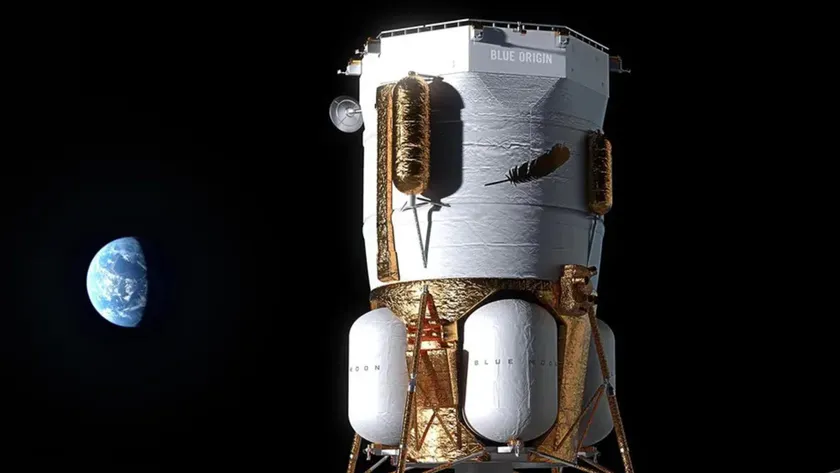
Blue Origin
-
Dynetics
-
Other innovative private space companies
These companies bring experience from Earth orbit missions, satellite launches, and cargo delivery. They are now moving into Moon landing technology.
Safety and Testing
Landing on the Moon is not easy. It requires careful planning, testing, and precision. NASA and private partners will:
-
Test engines and landing systems on Earth
-
Simulate Moon landing conditions
-
Ensure astronaut safety for crewed missions
This thorough testing is essential to prevent accidents and ensure mission success.
How This Benefits NASA
NASA benefits from private partnerships because it allows the agency to:
-
Focus on science, exploration, and crew safety
-
Leverage innovative technology from private companies
-
Reduce costs by sharing expenses and resources
This collaboration also helps NASA meet tight timelines for lunar exploration.
Timeline for Moon Landings
NASA’s plan involves several steps:
-
2025–2026: Testing and announcing private lander partners
-
First missions: Cargo landings and robotic missions to the Moon
-
Crewed missions: Astronauts using private landers for surface operations
-
Long-term goal: Building sustainable lunar bases
Each step builds on the previous one to ensure safety and success.
Supporting Technology
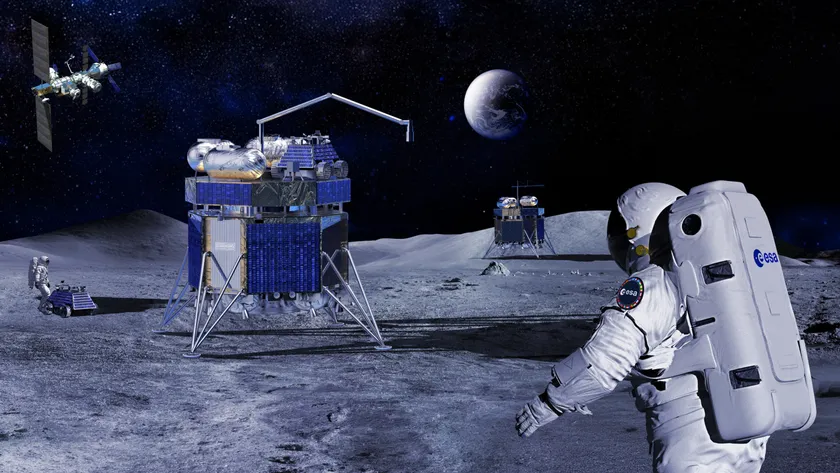
Private landers will use advanced technology to:
-
Navigate to the Moon safely
-
Land on challenging terrain
-
Carry astronauts, rovers, and cargo efficiently
-
Possibly return to orbit for reuse
Technology tested on the Moon will later be useful for Mars missions and deep space exploration.
International Collaboration
NASA is also working with international partners. Countries like Europe, Japan, and the UAE may support Moon missions through:
-
Shared technology
-
Astronaut training
-
Collaborative scientific experiments
Private companies help bridge NASA and international efforts, making missions more efficient.
How This Impacts Space Industry
NASA’s private partnerships have big effects on the space industry:
-
Encouraging new startups to develop lunar technology
-
Creating jobs in engineering, robotics, and aerospace
-
Attracting private investment in space exploration
-
Driving innovation in propulsion, navigation, and robotics
This model is helping the commercial space sector grow faster than ever.
Scientific Goals
Private landers are not just about transporting astronauts—they also help with science:
-
Delivering scientific instruments to study the Moon
-
Collecting samples of lunar soil and rocks
-
Testing new exploration techniques for future missions
Science from the Moon will help understand:
-
Planetary formation
-
History of the solar system
-
Potential for life-supporting environments
Long-Term Vision
NASA’s long-term vision includes:
-
Permanent lunar bases for research and exploration
-
Using the Moon as a training ground for Mars missions
-
Expanding human presence in space sustainably
Private landers are a key part of this vision, making lunar exploration faster, cheaper, and more flexible.
Public Engagement
Announcements like today’s generate excitement around the world:
-
People follow NASA news and updates
-
Students and young engineers are inspired to pursue space careers
-
Public engagement helps fund and support space missions
The private lander program also shows how collaboration between government and private industry benefits humanity.
Challenges Ahead
Even with private partners, lunar missions face challenges:
-
Engineering difficulties with lander design and landing safely
-
Funding and budget constraints
-
Timing and scheduling missions
-
Ensuring astronaut safety in every step
NASA and private companies will work together to overcome these challenges.
Economic Opportunities
The private Moon lander program also opens economic opportunities:
-
Companies can sell services to NASA and other space agencies
-
Mining and resource extraction could provide materials for space infrastructure
-
Space tourism may eventually benefit from Moon landers and habitats
This program shows how space exploration can support both science and industry.
How the Public Can Follow the Announcement
NASA usually shares updates through:
-
Live streams and press briefings
-
Social media channels with videos and photos
-
News websites and space blogs
Today’s announcement will likely include details about the selected companies and their plans.
Why This Is Exciting
This announcement is exciting because:
-
Private companies will play a major role in human spaceflight
-
It marks a new era of Moon exploration
-
Technology developed now will support future Mars missions
-
It shows how collaboration accelerates space exploration
The Moon is becoming more accessible and practical thanks to these partnerships.
Conclusion
NASA’s announcement of new private Moon lander partners is a huge step for space exploration. It highlights how government and private industry can work together to achieve ambitious goals.
Private landers will:
-
Deliver astronauts and cargo
-
Support lunar science and technology tests
-
Help build sustainable lunar operations
-
Prepare humanity for Mars and deep space missions
Today’s news reminds us that the Moon is no longer a distant dream. With private landers and NASA working together, humans are closer than ever to returning to the lunar surface and exploring beyond.
The future of space exploration is collaborative, innovative, and exciting, and 2025–2026 are shaping up to be historic years in humanity’s journey to the Moon and beyond.
Read Also: Keep your face towards the sunshine and shadows will fall behind you
Watch Also: https://www.youtube.com/@TravelsofTheWorld24















Leave a Reply