
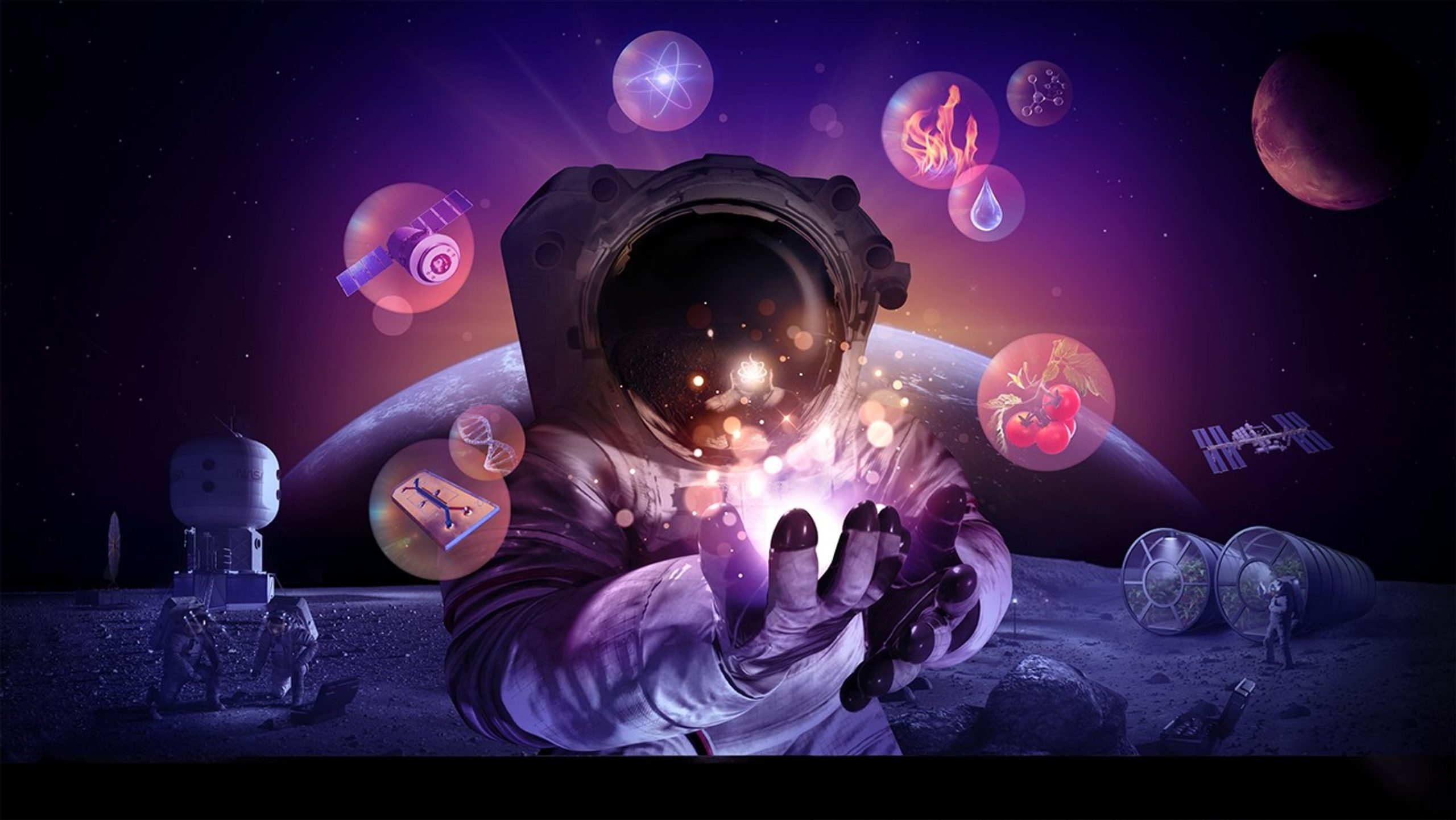
NASA is mostly famous for rockets, astronauts, and space missions. But behind all of this, there is a very important area of science called Biological and Physical Sciences. This field helps scientists understand how life and matter behave in space.
In simple words, NASA studies not only planets and stars but also how living things and physical materials act in space conditions like zero gravity, radiation, and extreme temperatures.
Let’s understand it step by step in an easy way.
What is NASA Biological & Physical Sciences?
NASA Biological & Physical Sciences is a branch of research that studies:
- How living organisms behave in space
- How the human body reacts to space travel
- How physical materials (like water, fire, metals) change in space
This helps NASA prepare astronauts for long missions, like going to the Moon or Mars.
Why is this science important?
Space is very different from Earth. There is:
- No gravity (or very low gravity)
- High radiation
- No normal air pressure
- Extreme cold and heat
Because of these conditions, humans and other living things behave differently in space.
NASA studies this so astronauts can:
- Stay healthy in space
- Work safely in space stations
- Travel long distances without serious health problems
Biological Sciences in NASA
Biological sciences focus on living things in space.
1. Human Health in Space
NASA studies how the human body changes in space. For example:
- Bones become weaker without gravity
- Muscles lose strength
- Blood circulation changes
That’s why astronauts exercise daily on the International Space Station (ISS).
2. Plants in Space
NASA also grows plants in space to see how they survive.
They study:
- How plants grow without gravity
- How roots and leaves behave
- How plants can provide food for astronauts
This is very important for future Mars missions.
3. Microorganisms
NASA studies tiny organisms like bacteria.
They want to know:
- Do bacteria behave differently in space?
- Can they survive long space travel?
- Do they become more dangerous?
This helps protect astronauts from infections.
4. Animals in Space
In the past, NASA sent animals like mice and monkeys to space to study how living bodies react to space conditions.
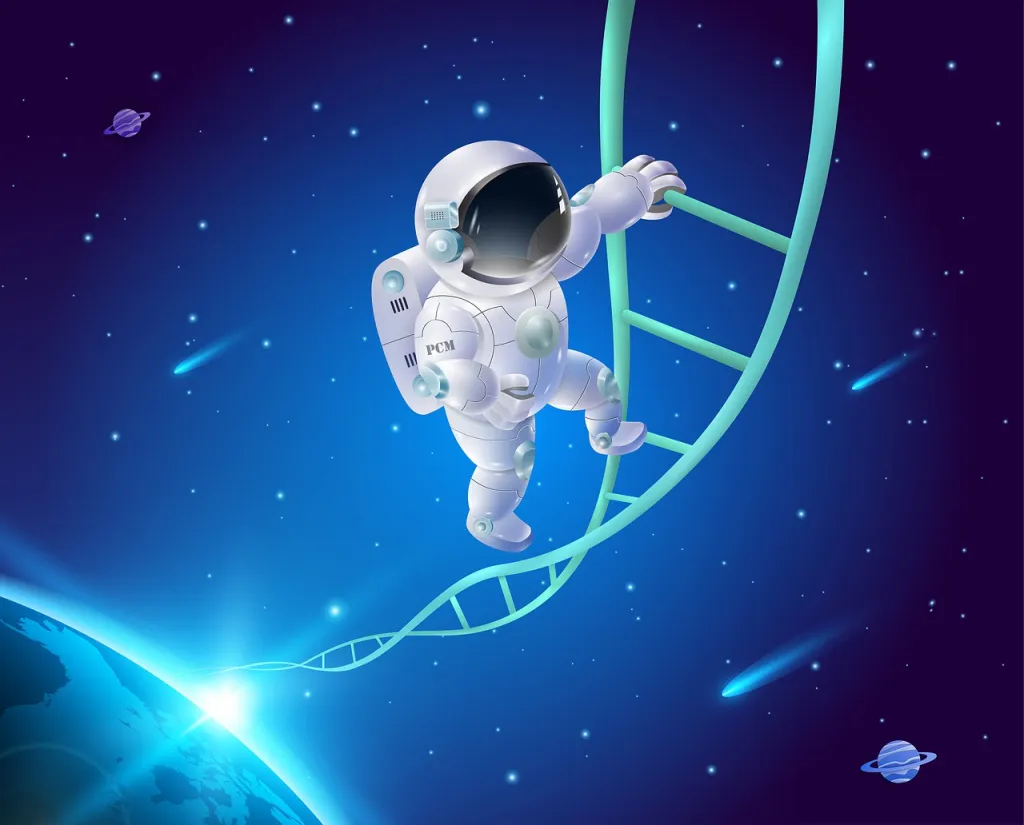
NASA Biological & Physical Sciences Explained Simply
Physical Sciences in NASA
Physical sciences focus on non-living things and natural laws like physics and chemistry.
1. Fluids in Space
On Earth, liquids behave normally because of gravity. In space, things change.
NASA studies:
- How water moves in zero gravity
- How fuel behaves in rockets
- How liquids can be stored safely
2. Fire in Space
Fire behaves very differently in space. It forms a round shape instead of going upward.
NASA studies this to:
- Improve spacecraft safety
- Prevent fire accidents in space stations
3. Materials Science
NASA tests different materials to see if they can survive space conditions.
They check:
- Strength of metals
- Resistance to radiation
- Temperature changes
This helps build strong spacecraft and spacesuits.
4. Physics of Space
NASA also studies basic physics in space, like:
- Gravity
- Motion
- Energy
- Heat transfer
These help in designing rockets and space missions.
International Space Station (ISS)
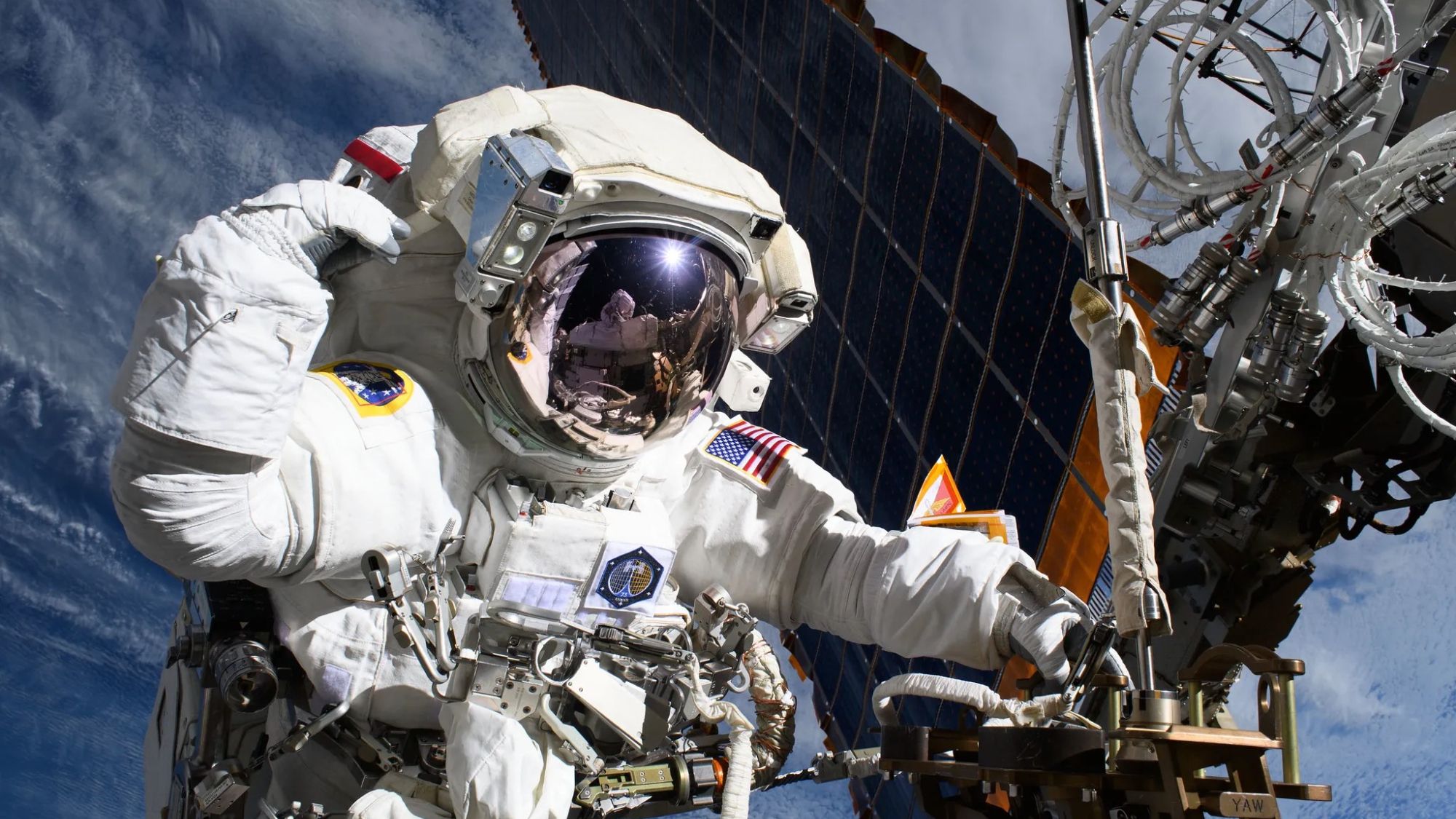
A big part of NASA’s research happens on the International Space Station (ISS).
It is like a floating laboratory in space where astronauts live and do experiments.
On ISS, scientists study:
- Human health
- Plant growth
- Physical experiments
- New technologies
It is one of the most important places for space science research.
How NASA Uses This Research
NASA uses biological and physical science research for:
1. Space Missions
To prepare for missions to:
- Moon
- Mars
- Deep space
2. Astronaut Safety
To protect astronauts from:
- Bone loss
- Muscle weakness
- Radiation exposure
3. Technology Development
To build better:
- Spacecraft
- Space suits
- Life support systems
4. Earth Benefits
NASA research also helps people on Earth.
For example:
- Better medical tools
- Improved farming techniques
- New materials for industry
- Understanding climate change
Simple Example
Imagine you place a glass of water in space.
On Earth:
- Water stays at the bottom due to gravity
In space:
- Water floats in bubbles
NASA studies this to understand how to handle liquids in spacecraft.
Why NASA Studies Life in Space
The main goal is simple:
To make long space travel safe and possible for humans.
If humans want to live on the Moon or Mars in the future, we must understand:
- How the body survives
- How food grows
- How materials behave
That’s why this research is very important.
Future of This Science
NASA’s Biological and Physical Sciences will help in:
- Building human colonies on Mars
- Long-term space travel
- Finding ways to grow food in space
- Understanding life beyond Earth
It may even help answer a big question:
Are we alone in the universe?
Final Thoughts
NASA’s Biological and Physical Sciences is a powerful field that connects life science and physics with space exploration.
It helps us understand:
- How humans survive in space
- How plants and microbes behave outside Earth
- How physical laws change in space conditions
In simple words, it is the science that makes future space travel possible.
Read Also: Keep your face towards the sunshine and shadows will fall behind you
Watch Also: https://www.youtube.com/@TravelsofTheWorld24





Leave a Reply