
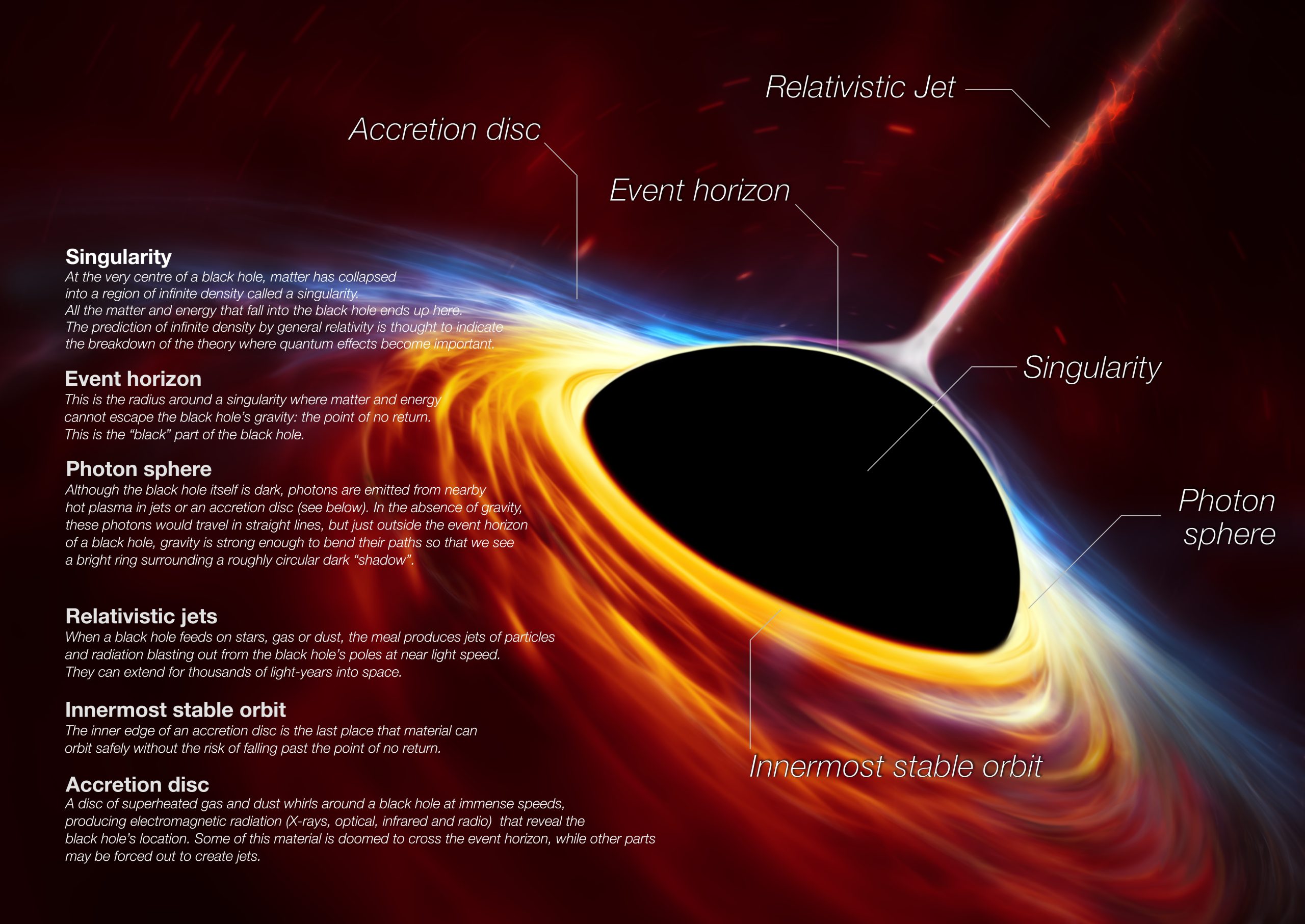
Astronomers have recently noticed something unusual happening in a distant galaxy: repeated bursts of energy that look like “hiccups.” These strange signals are not coming from a star or a normal explosion, but likely from a black hole behaving in a new and unexpected way.
This discovery is helping scientists learn more about how black holes work and how they affect the galaxies around them.
Let’s understand this in a simple way.
What are these “hiccups” in space?
The word “hiccups” here does not mean the human condition. Instead, it refers to repeating bursts of energy coming from space.
Astronomers noticed that in a far-away galaxy, there were:
- Sudden flashes of light
- Repeating energy signals
- Irregular bursts that come and go
These patterns looked like a black hole “hiccuping” at regular intervals.
Where did this happen?
The signals were detected in a distant galaxy far beyond the Milky Way.
Although the exact galaxy is very far away, it is part of the huge universe filled with billions of galaxies, each containing stars, planets, and often a supermassive black hole at the center.
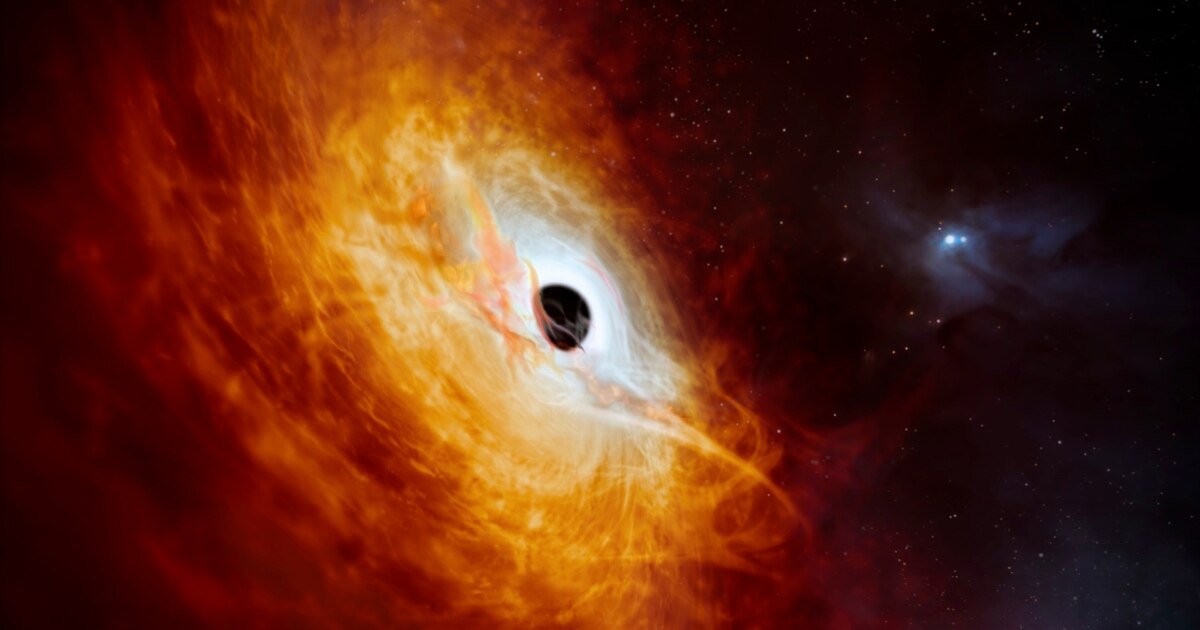
Scientists believe these signals are coming from the region around a supermassive black hole.
What is a black hole doing?
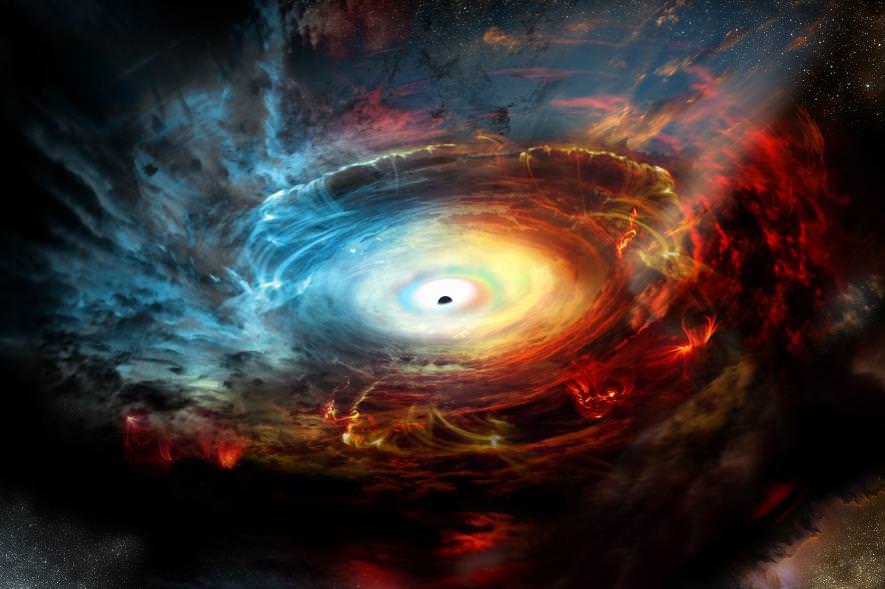
A black hole is a region in space where gravity is extremely strong. It pulls in gas, dust, and sometimes even stars.
In this case, the black hole is likely:
- Pulling in nearby material
- Heating it up to extreme temperatures
- Throwing out bursts of energy
These repeated bursts are what scientists are calling “hiccups.”
Why are these hiccups important?
This behavior is important because it is not commonly seen.
Most black holes:
- Pull matter continuously
- Release energy in a steady way
But this black hole is behaving differently. It is showing:
- Repeated activity
- Sudden energy bursts
- Possible cycles of feeding and resting
This could help scientists understand new physics around black holes.
How do astronomers detect this?
Astronomers cannot see black holes directly. Instead, they study the light and energy around them.
They use:
- Space telescopes
- Radio telescopes
- X-ray observatories
- Long-term sky surveys
By analyzing changes in brightness and energy, they can detect unusual patterns like these “hiccups.”
What causes these repeated bursts?
Scientists are still trying to understand the exact cause, but there are a few ideas:
1. Feeding cycles
The black hole may be pulling in gas in bursts instead of continuously.
2. Magnetic activity
Strong magnetic fields near the black hole may be causing energy to be released in intervals.
3. Interaction with stars
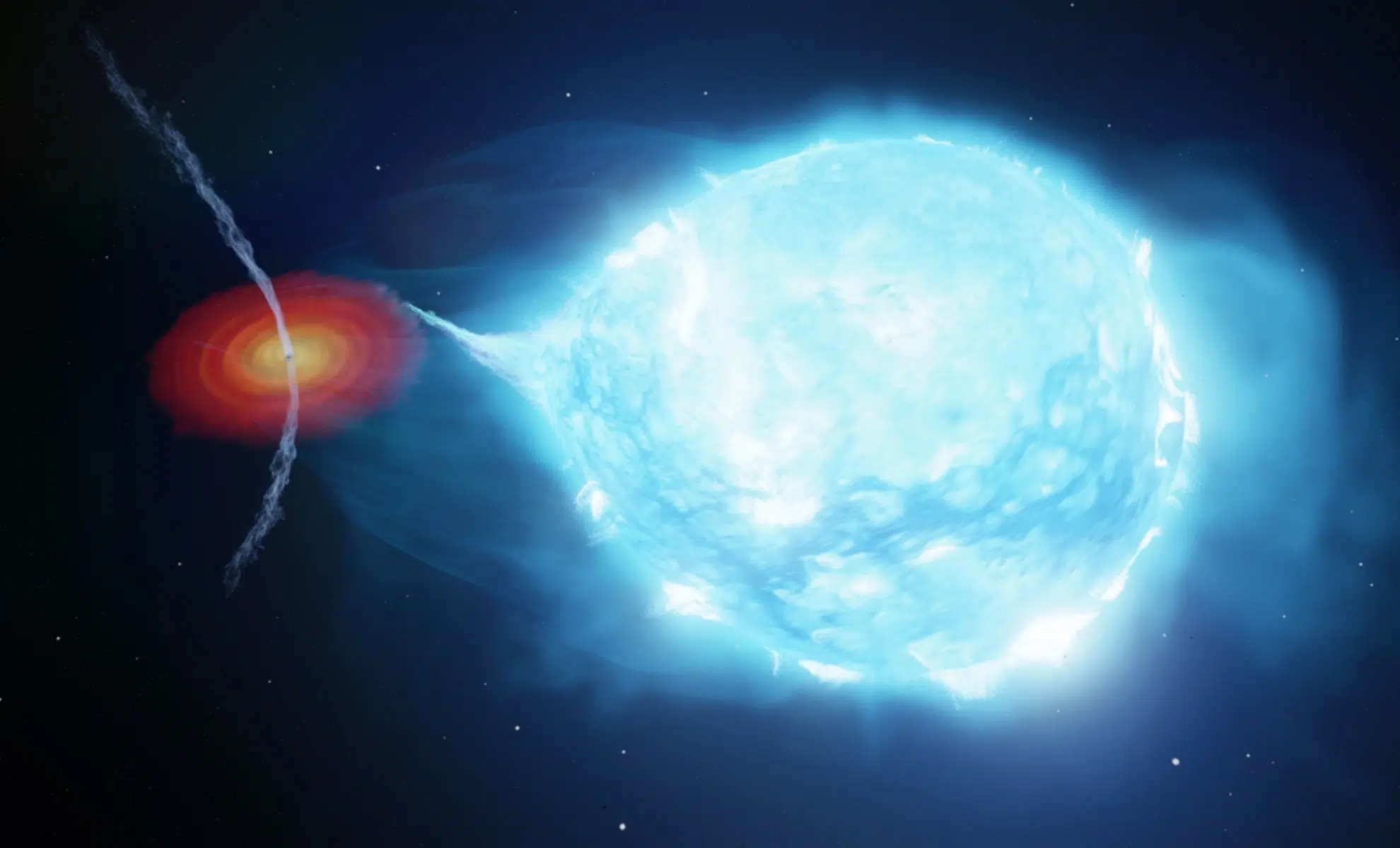
A nearby star might be getting pulled apart in stages, sending repeated waves of energy.
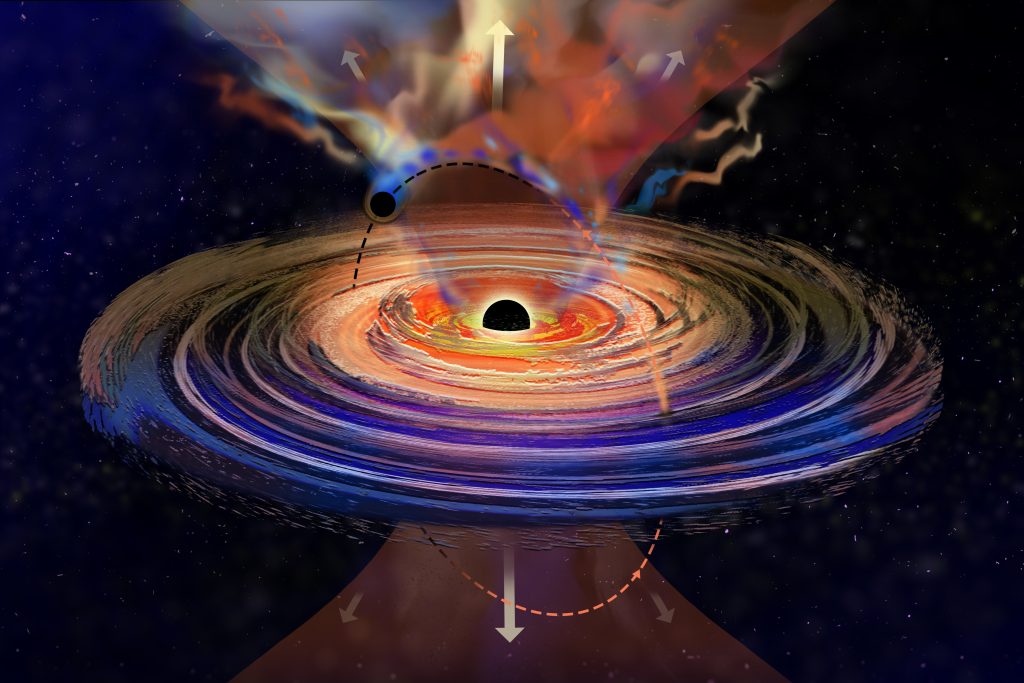
Astronomers Spot Strange Repeating Signals from a Black Hole
What makes this discovery special?
This is special because black holes are usually:
- Quiet
- Steady
- Hard to observe in detail
But this one is showing clear patterns, almost like a heartbeat or rhythm in space.
This helps scientists study:
- How black holes grow
- How they consume matter
- How they affect surrounding space
Connection to galaxy behavior
Black holes are not isolated. They affect entire galaxies.
A supermassive black hole can:
- Control star formation
- Influence gas movement
- Shape the galaxy’s structure
So these “hiccups” may also affect the galaxy around it.
What is a supermassive black hole?
Most large galaxies, including our own Milky Way, are believed to have a supermassive black hole at the center.
These black holes are:
- Millions to billions of times heavier than the Sun
- Extremely powerful
- Capable of shaping entire galaxies
The black hole showing these hiccups is likely one of these massive types.
Why scientists are excited
Astronomers are excited because this behavior:
- Has not been seen clearly before
- Could reveal new physics
- Helps improve black hole models
Every new discovery like this adds a piece to the puzzle of how the universe works.
How this helps future research
Studying these signals can help scientists:
- Predict black hole activity
- Understand energy bursts in space
- Improve telescope technology
- Study galaxy evolution
It may also help answer deeper questions about how matter behaves under extreme gravity.
Role of modern astronomy
Discoveries like this are possible because of advanced tools used in modern astronomy, including:
- Space-based observatories
- High-sensitivity detectors
- Computer simulations
- Global telescope networks
Without these technologies, such faint signals would be impossible to detect.
Link to black hole research
This discovery connects to earlier achievements like imaging black holes using the Event Horizon Telescope, which showed that we can now observe black hole environments in new ways.
Together, these studies are helping scientists move from theory to real observation.
Final thoughts
The discovery of “hiccups” in a far-off galaxy is a reminder that the universe is still full of surprises. A black hole, usually seen as silent and steady, is showing a strange rhythmic behavior that scientists are only beginning to understand.
In simple words:
Even black holes can behave in ways we never expected.
This discovery helps us understand that the universe is active, changing, and full of mysteries waiting to be solved.
Read Also: Keep your face towards the sunshine and shadows will fall behind you
Watch Also: https://www.youtube.com/@TravelsofTheWorld24







Leave a Reply