
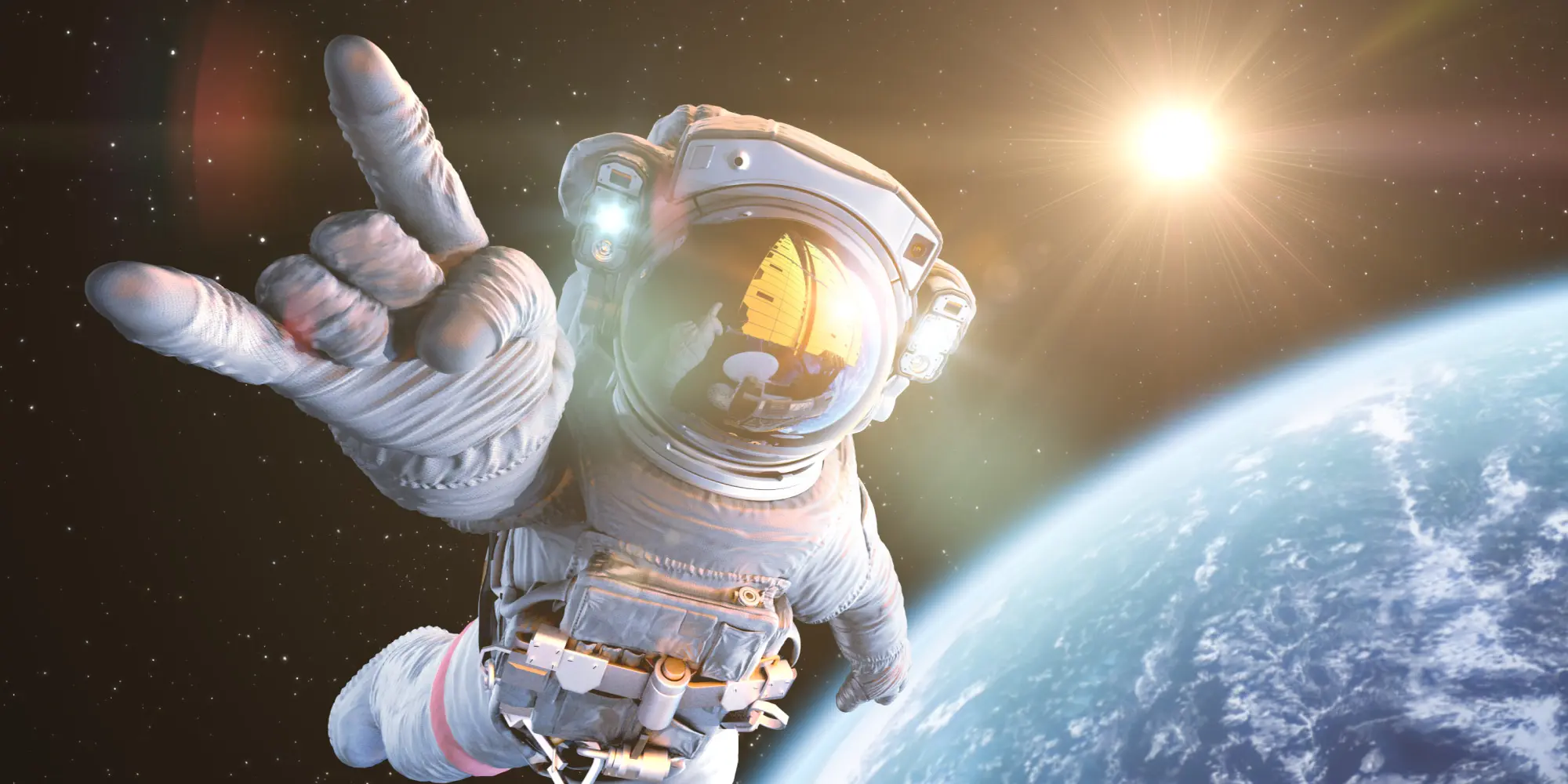
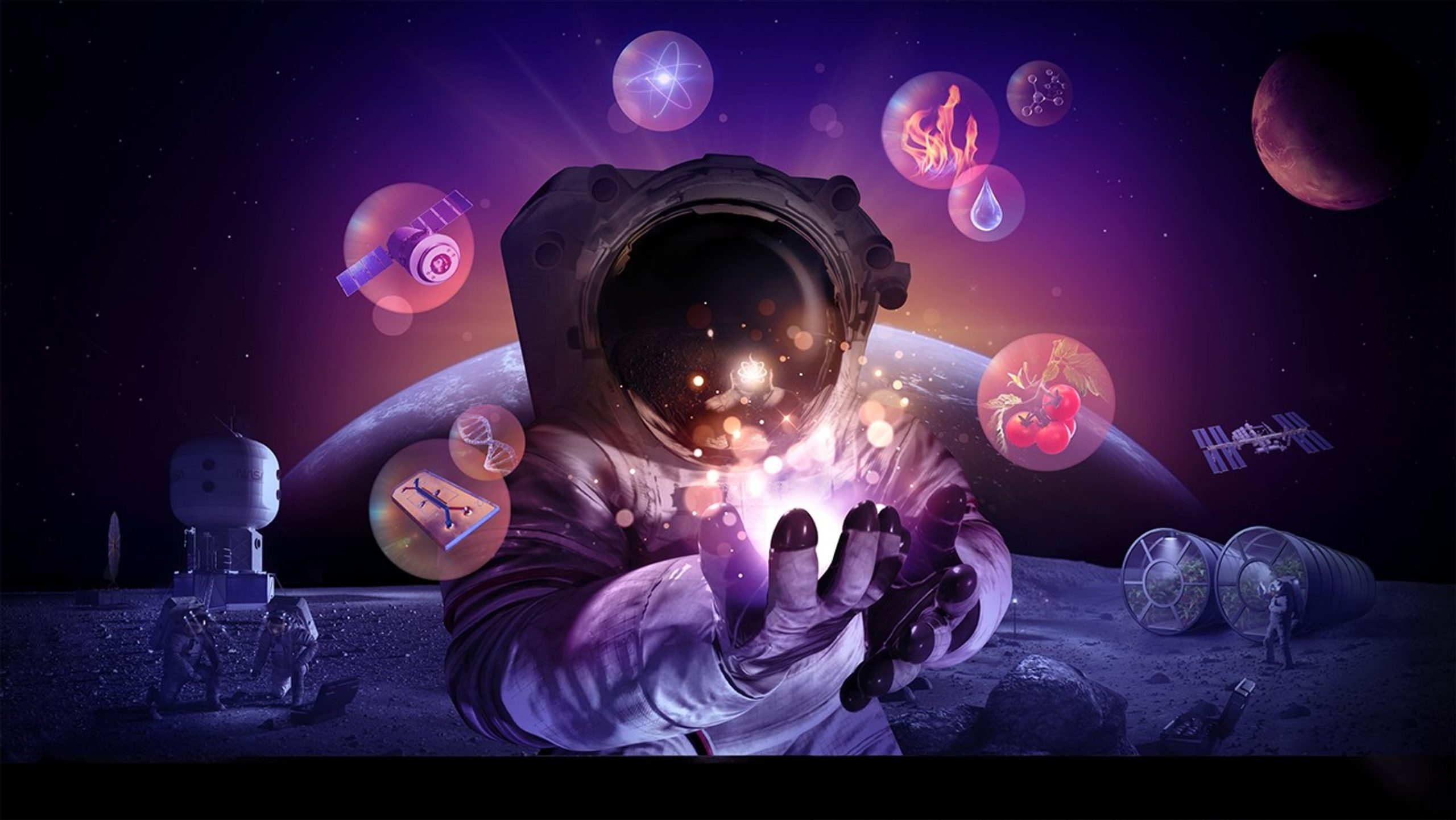
NASA is always looking for ways to make space travel safer for astronauts. One important part of this work is studying how space affects the human body. Recently, a researcher from Rensselaer Polytechnic Institute received a grant from NASA to study something very important: spaceflight stressors.
This research is part of NASA’s space biology program, which focuses on understanding how living systems react to space conditions like zero gravity, radiation, and isolation.
Let’s break this topic down in a simple and clear way.
What is this research about?
The researcher’s work focuses on spaceflight stressors, which are the things in space that put stress on the human body.
These include:
- Microgravity (very low or no gravity)
- Space radiation
- Long periods of isolation
- Changes in sleep and body rhythm
- Physical stress on muscles and bones
The goal is to understand how these stressors affect astronauts and how we can reduce their harmful effects.
Why NASA funds this kind of research
Space is a very harsh environment. Humans are not naturally built for it. So NASA supports research like this to:
- Keep astronauts healthy during missions
- Prepare for long trips to the Moon and Mars
- Improve safety in spacecraft
- Understand how the human body adapts to space
Without this kind of research, long-term space travel would be very risky.
What are spaceflight stressors?
Let’s understand them in simple words.
1. Microgravity
In space, there is almost no gravity. This causes:
- Weak bones
- Loss of muscle strength
- Changes in blood flow
Astronauts must exercise daily to fight these effects.
2. Space Radiation
Outside Earth’s atmosphere, astronauts are exposed to high levels of radiation.
This can:
- Damage cells
- Increase cancer risk
- Affect the immune system
That’s why NASA works on better shielding and protection systems.
3. Isolation and confinement
Astronauts live in small spaces for months.
This can lead to:
- Stress
- Loneliness
- Sleep problems
- Mood changes
Psychological health is just as important as physical health.
4. Disrupted body clock
In space, astronauts see sunrise and sunset many times a day.
This affects:
- Sleep cycle
- Energy levels
- Concentration
What does the researcher study exactly?
The Rensselaer researcher is trying to understand how all these stressors affect biological systems at a deeper level.
This may include studying:
- Cells and how they react in space
- Gene changes caused by space conditions
- Stress responses in the body
- How organs adapt over time
By understanding this, scientists can find ways to protect astronauts better.
Why this research is important
This research is not just about space travel. It also helps on Earth.
1. Better healthcare
Understanding stress on the body in extreme conditions can help doctors treat:
- Muscle loss
- Bone diseases
- Stress-related disorders
2. Future space missions
NASA plans to send humans to:
- The Moon again
- Mars for long-term missions
This research helps make those missions possible and safe.
3. Technology development
It also helps in creating:
- Better medical monitoring devices
- Improved exercise equipment for astronauts
- Advanced protective materials
How NASA supports researchers
NASA gives grants (funding) to universities and scientists through its Space Biology Program.
This support allows researchers to:
- Run experiments
- Use advanced lab equipment
- Study space-related problems on Earth
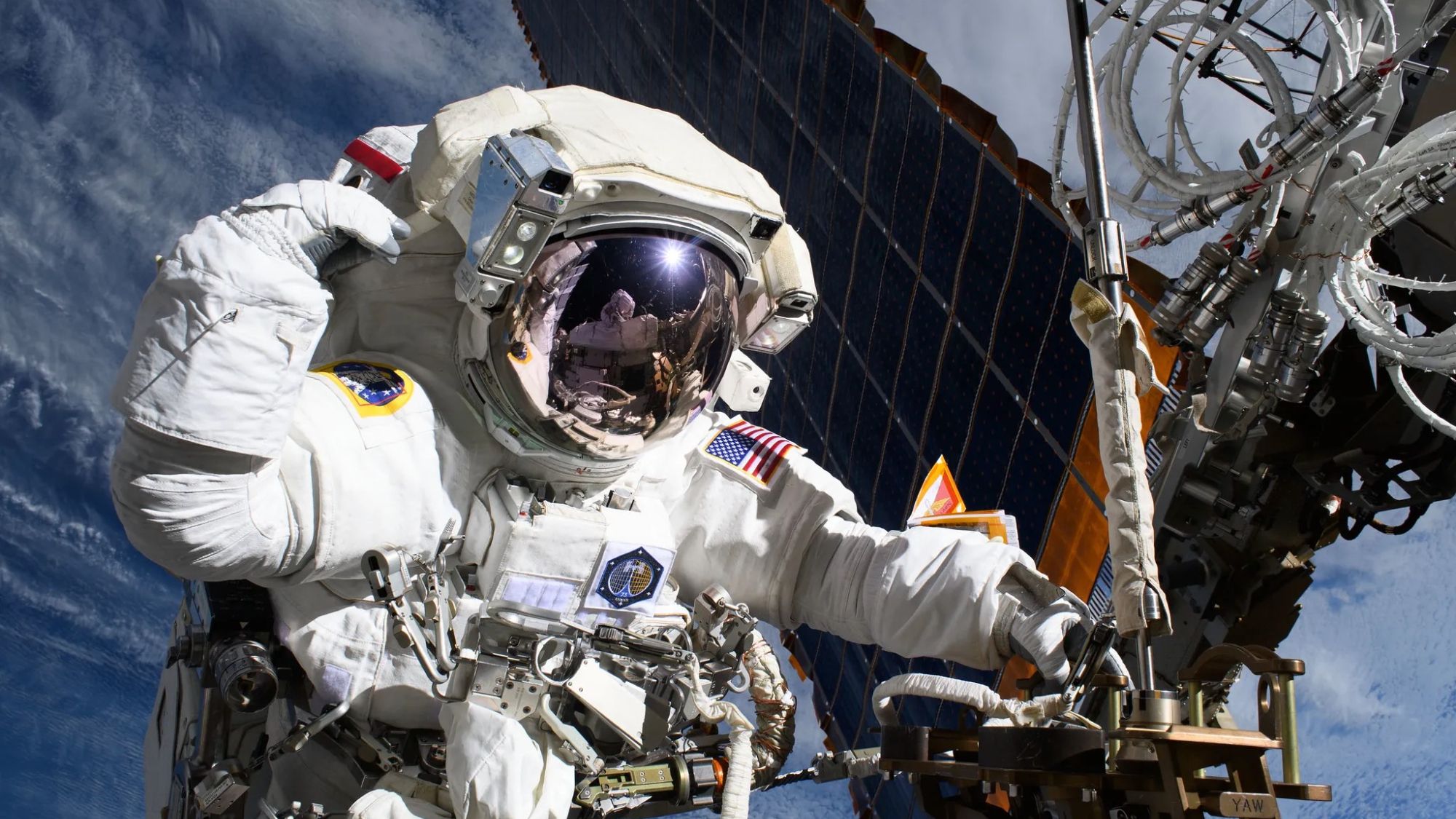
- Sometimes send experiments to the International Space Station

Studying Space Stress: NASA Grant to Rensselaer Researcher
Connection with Rensselaer Polytechnic Institute
The research is happening at Rensselaer Polytechnic Institute, which is known for strong programs in science, engineering, and technology.
Universities like this play a big role in NASA research because they:
- Have skilled scientists
- Provide advanced laboratories
- Work closely with space agencies
How this research is done
Scientists usually study space stress in two ways:
1. Space experiments
Experiments are done on the International Space Station to see real effects of space.
2. Earth-based simulations
Special machines on Earth mimic space conditions like:
- Zero gravity (simulated)
- Radiation exposure
- Isolation chambers
This helps scientists study effects without going to space every time.
Big challenges in this research
Studying space stress is not easy. Some challenges include:
- Limited access to space experiments
- High cost of space missions
- Small number of astronauts available for study
- Complex biological reactions
Despite these challenges, progress is being made every year.
Future goals of this research
NASA and scientists hope this research will help achieve:
- Safer long-term space travel
- Human missions to Mars
- Better health protection systems
- Understanding how life adapts beyond Earth
It may also help answer a big question:
Can humans live outside Earth permanently?
Final thoughts
The NASA grant given to the researcher at Rensselaer Polytechnic Institute is an important step in understanding how space affects the human body.
By studying spaceflight stressors, scientists are working to make space travel safer, longer, and more advanced.
In simple words:
This research helps us understand how humans can survive and succeed in space.
Read Also: Keep your face towards the sunshine and shadows will fall behind you
Watch Also: https://www.youtube.com/@TravelsofTheWorld24






Leave a Reply