
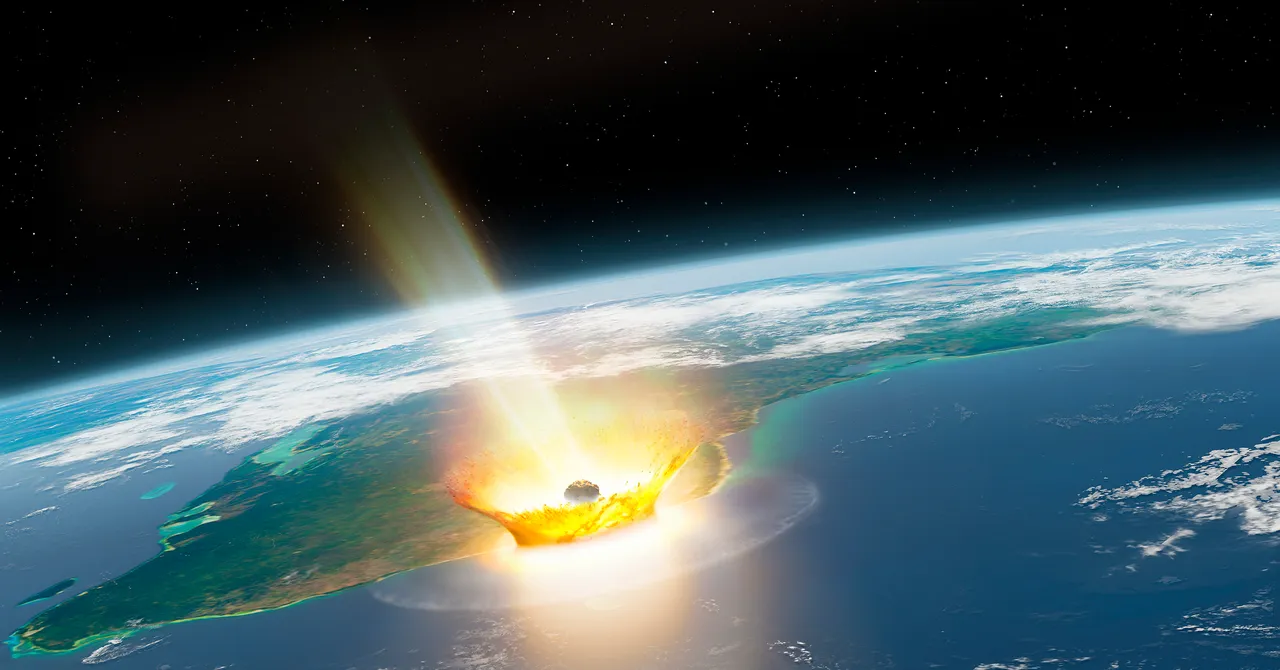
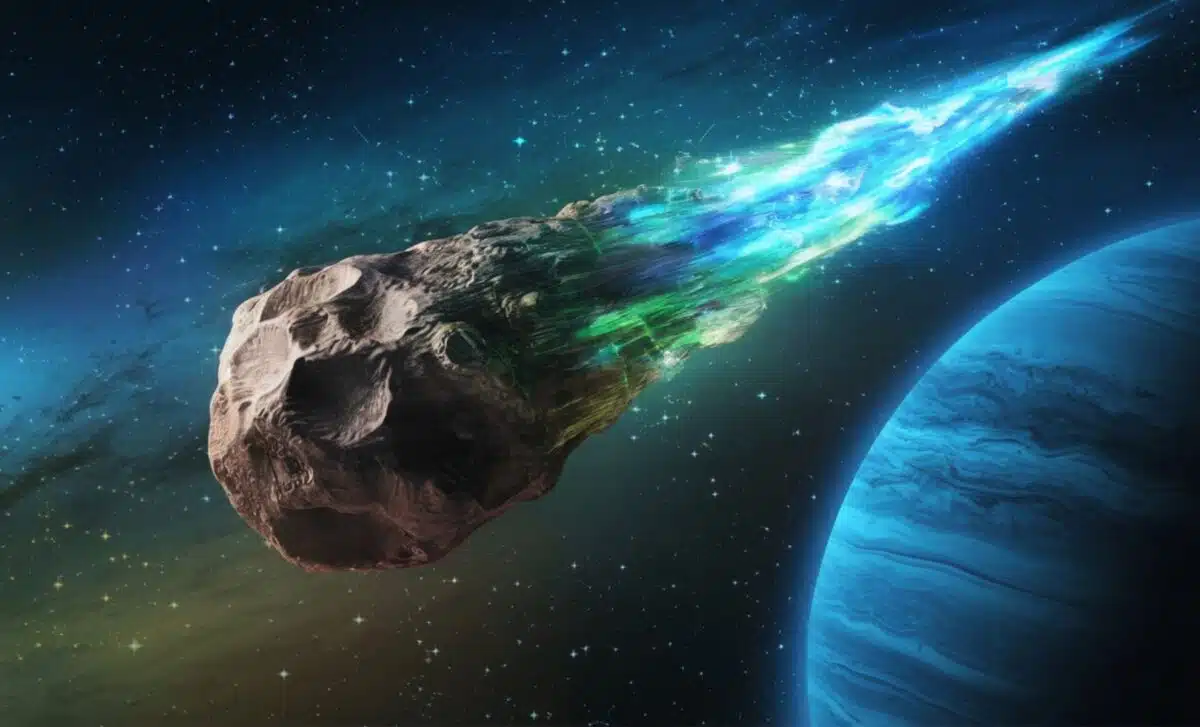
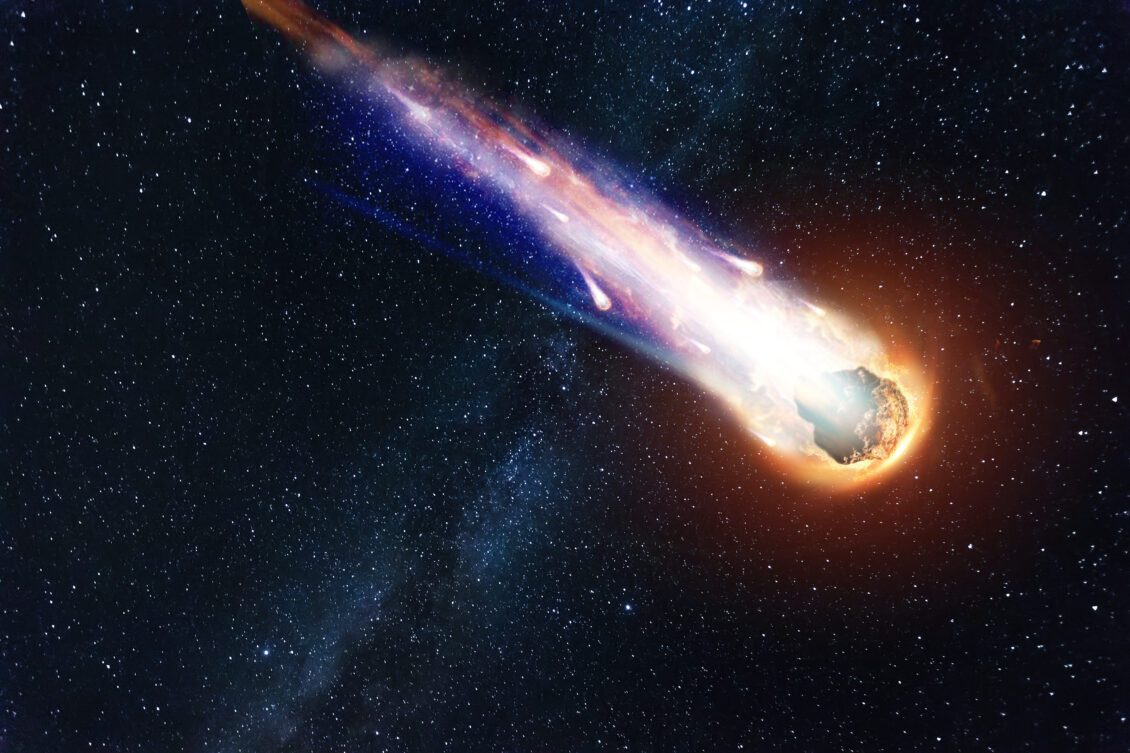
Many people wonder if Earth could be hit by a large asteroid and how likely that really is. Movies often show giant space rocks destroying cities or even the whole planet, which can make it feel like a real danger. But science tells a very different story.
Let’s understand the real chances in simple English.
What Is a Big Asteroid?
A big asteroid usually means a space rock that is:
- At least a few hundred meters wide
- Or even several kilometers wide
For example:
- Small asteroid: size of a car or bus
- Medium asteroid: size of a building
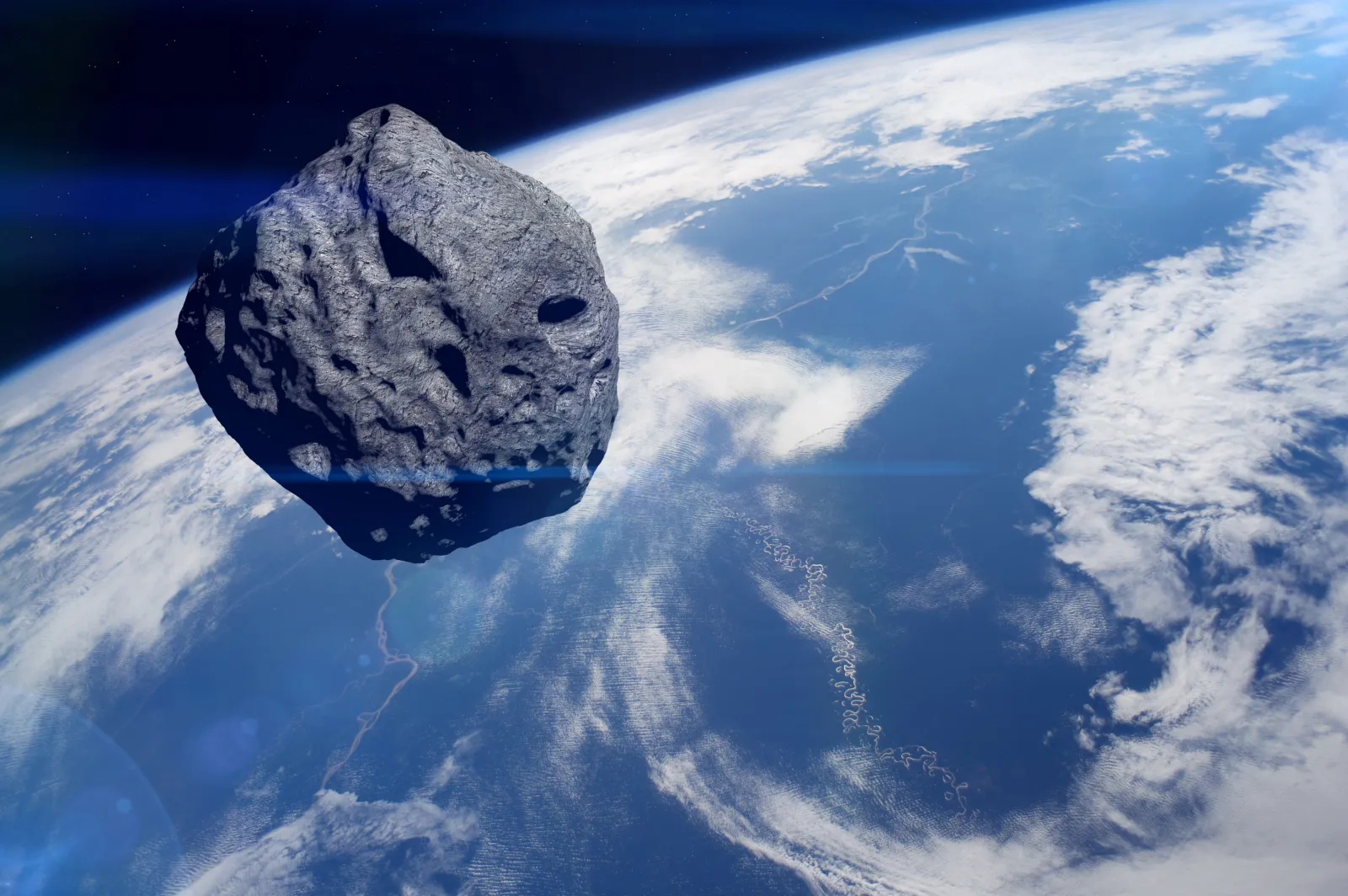
- Big asteroid: size of a city or larger
Only big asteroids are capable of causing serious global damage.
Do Big Asteroids Exist Near Earth?
Yes, they do exist in space. Many of them are in the asteroid belt between Mars and Jupiter.
Some of these objects slowly move closer to Earth’s orbit over time due to gravity and collisions.
But “exist in space” does NOT mean they are coming toward Earth.
How Often Do Big Asteroids Hit Earth?
The chances are extremely low.
Scientists estimate:
- Small impacts happen often (dust and tiny rocks)
- Medium impacts are rare (every hundreds or thousands of years)
- Big impacts are extremely rare (once in millions of years)
So for human life, big asteroid impacts are almost never seen.
What Scientists Say About the Risk
Space agencies like NASA constantly monitor the sky.
They track:
- Thousands of near-Earth objects
- Their speed
- Their path
- Their distance from Earth
Right now, there is:
No known large asteroid on a collision course with Earth.
Why Big Impacts Are So Rare
There are several reasons:
1. Space Is Huge
Most asteroids are very far away from Earth.
2. Orbits Are Stable
Many asteroids follow predictable paths around the Sun.
3. Earth Is a Small Target
Compared to space, Earth is tiny and hard to hit.
4. Gravity Helps Deflect Objects
Planets like Jupiter pull many asteroids away from inner space.
What Happens If a Big Asteroid Hits Earth?
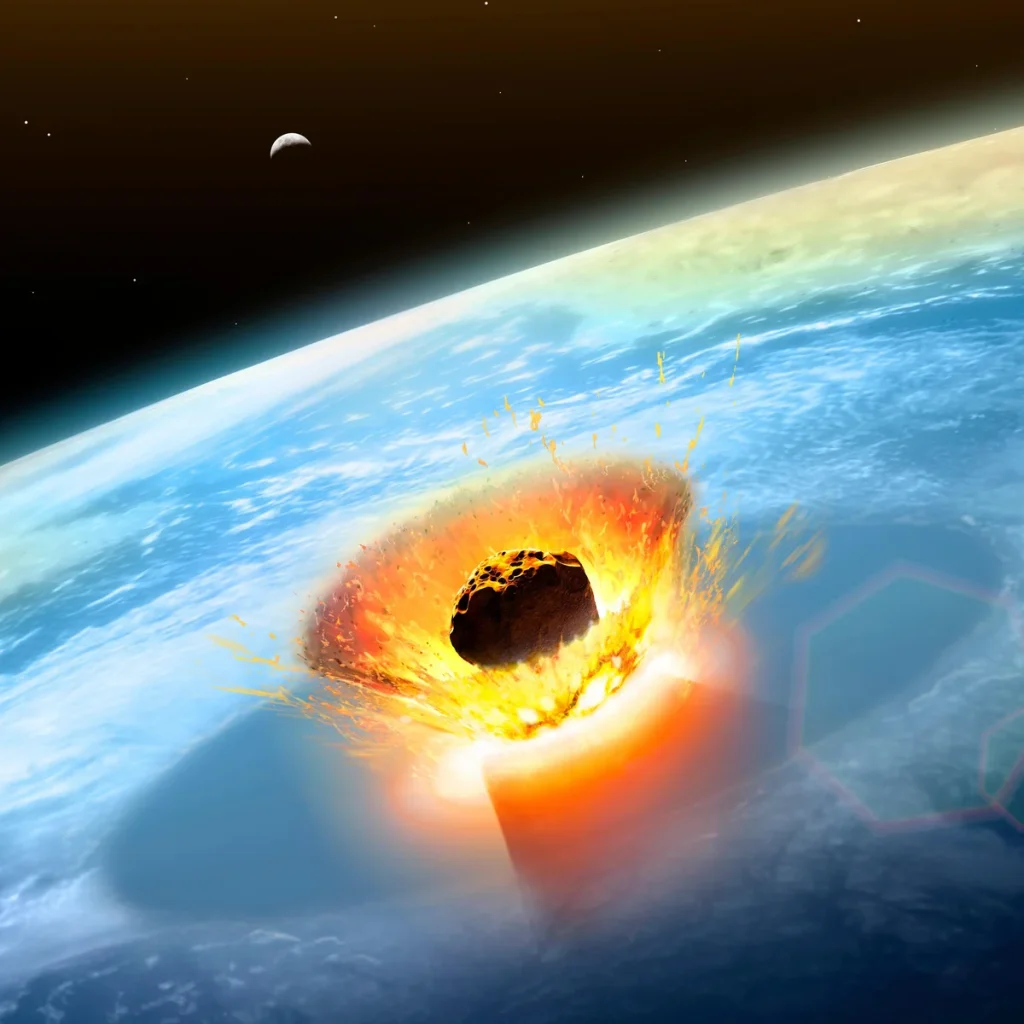
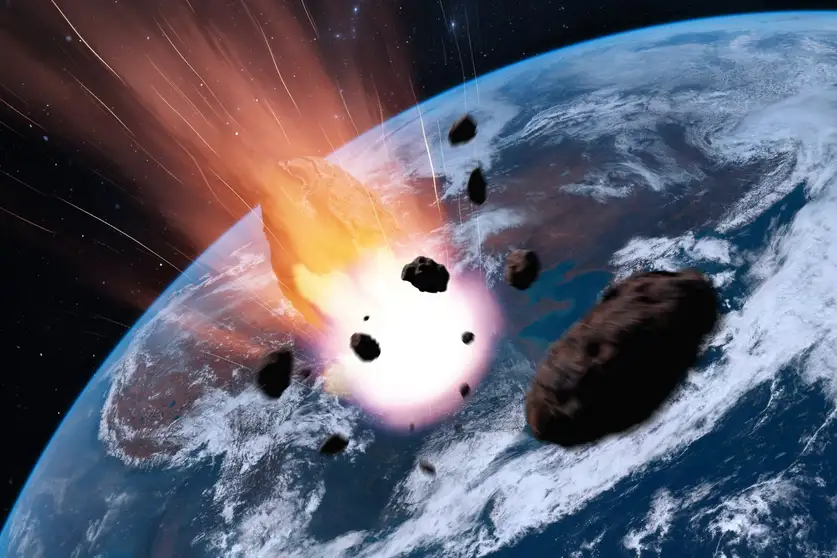
If a large asteroid (like 1 km wide or more) hit Earth, it could cause:
- Massive explosion
- Huge firestorms
- Tsunamis (if it hits ocean)
- Dust blocking sunlight
- Climate changes
This is similar to what may have happened when dinosaurs disappeared.
But again, this is extremely rare.
When Was the Last Big Impact?
The most famous example is:
Chicxulub Impact
- Location: Mexico
- Time: 66 million years ago
- Size: About 10–15 km wide asteroid
This impact is linked to the extinction of dinosaurs.
Since then, no similar global-level impact has happened.
How Scientists Track Dangerous Asteroids
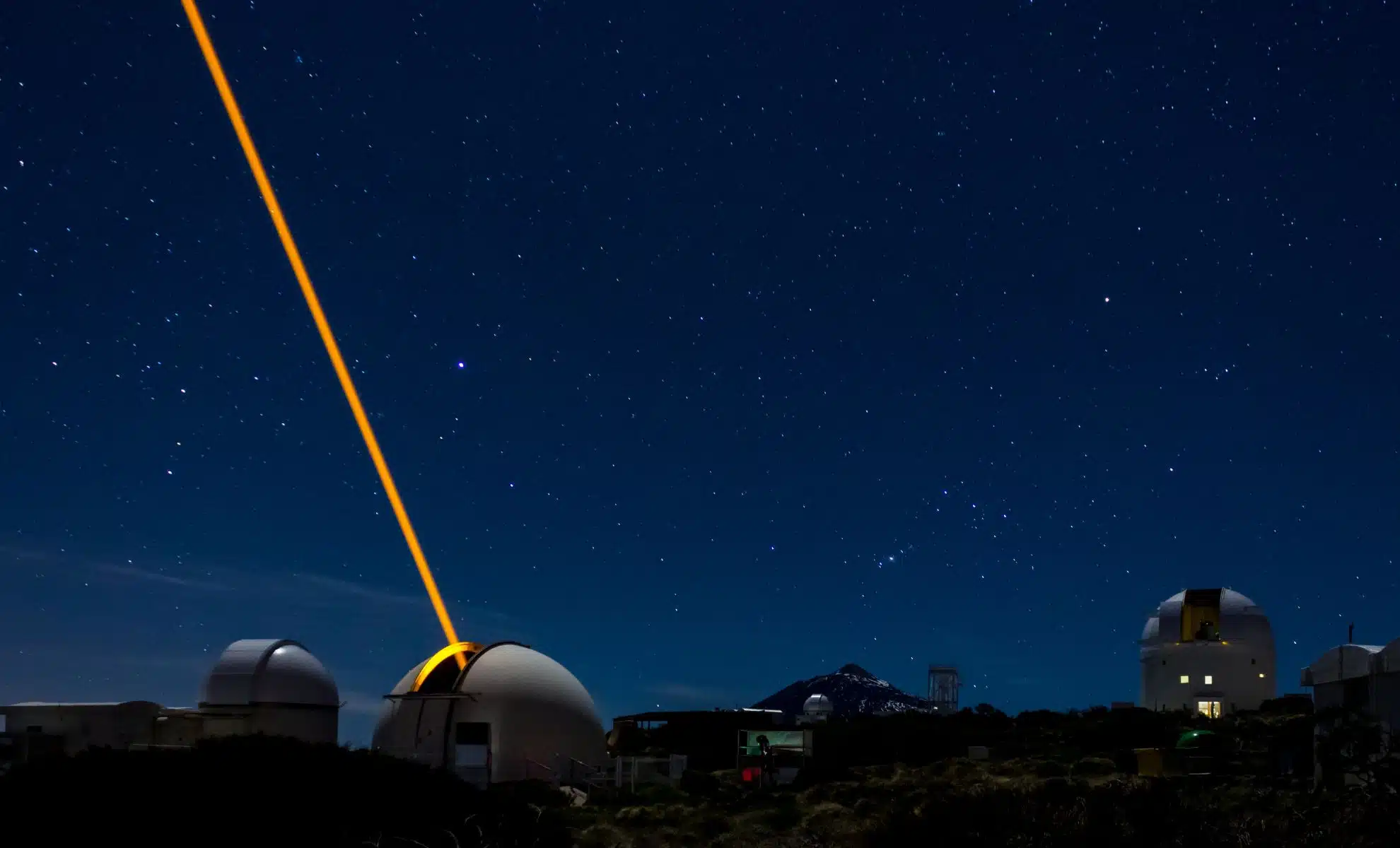
Organizations like NASA use advanced tools:
- Powerful telescopes
- Radar systems
- Computer predictions
- Space observation missions
They can track objects years or even decades in advance.
How Likely Is a Massive Asteroid Impact on Earth? Scientists Explain
Can We Predict an Impact?
Yes, modern science is very good at prediction.
If a big asteroid were coming:
- Scientists would detect it early
- Its path would be calculated
- Risk would be studied carefully
- Plans could be made to deflect it
So there would be time to react.
Can We Stop a Big Asteroid?
Yes, at least in theory.
Scientists are working on methods like:
- Spacecraft impact (pushing it slightly off course)
- Gravity tractors (slowly pulling it)
- Nuclear deflection (in extreme cases)
A real test mission already showed that a spacecraft can change an asteroid’s path slightly.
Why People Think the Risk Is High
Even though the real risk is low, people often worry because:
- Movies show dramatic asteroid impacts
- News headlines sound scary
- Space feels unknown and unpredictable
But real scientific data does not support panic.
What Are Near-Earth Objects?
Asteroids that come close to Earth are called Near-Earth Objects (NEOs).
They include:
- Asteroids
- Some comets
Most NEOs pass safely far from Earth.
Real Risk Level in Simple Words
Let’s make it very simple:
- Small asteroid: happens often, no danger
- Medium asteroid: rare, local risk
- Big asteroid: extremely rare, global risk
Right now, big asteroid risk = very close to zero for our lifetime
Earth’s Natural Protection
Earth also has natural safety systems:
- Atmosphere burns small objects
- Gravity deflects some space rocks
- Most space paths miss Earth completely
So Earth is not an easy target.
Final Thoughts
The chances of Earth being hit by a big asteroid are extremely low. While big asteroids do exist in space, scientists are constantly watching them and tracking their movement.
Thanks to organizations like NASA, we now have advanced systems that can detect threats early and even plan ways to stop them if needed.
So the simple answer is:
Big asteroid impacts are possible in theory, but extremely unlikely in real life.
Instead of fear, this topic is more about understanding how space works and how science helps protect our planet every day.
Read Also: Keep your face towards the sunshine and shadows will fall behind you
Watch Also: https://www.youtube.com/@TravelsofTheWorld24





Leave a Reply