
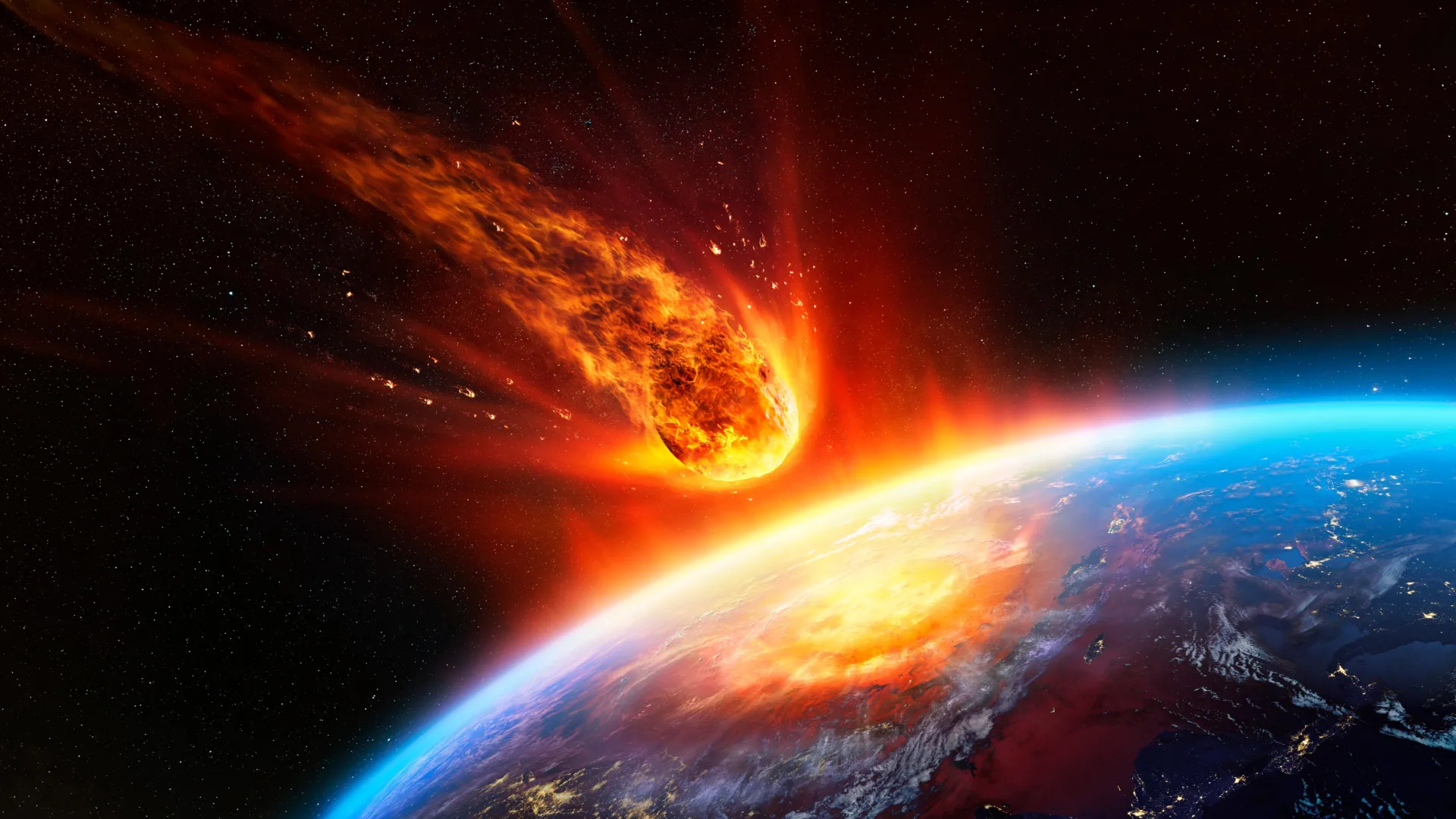
Earth has been hit by space rocks many times in its long history. Most of these impacts were small and harmless, but some were massive and powerful enough to change landscapes, climate, and even life on Earth.
When asteroids hit Earth, they leave behind craters and sometimes cause huge explosions. Scientists study these events to understand how our planet has changed over millions of years.
Let’s look at some of the biggest asteroid impacts ever known on Earth in simple English.
What Is an Asteroid Impact?
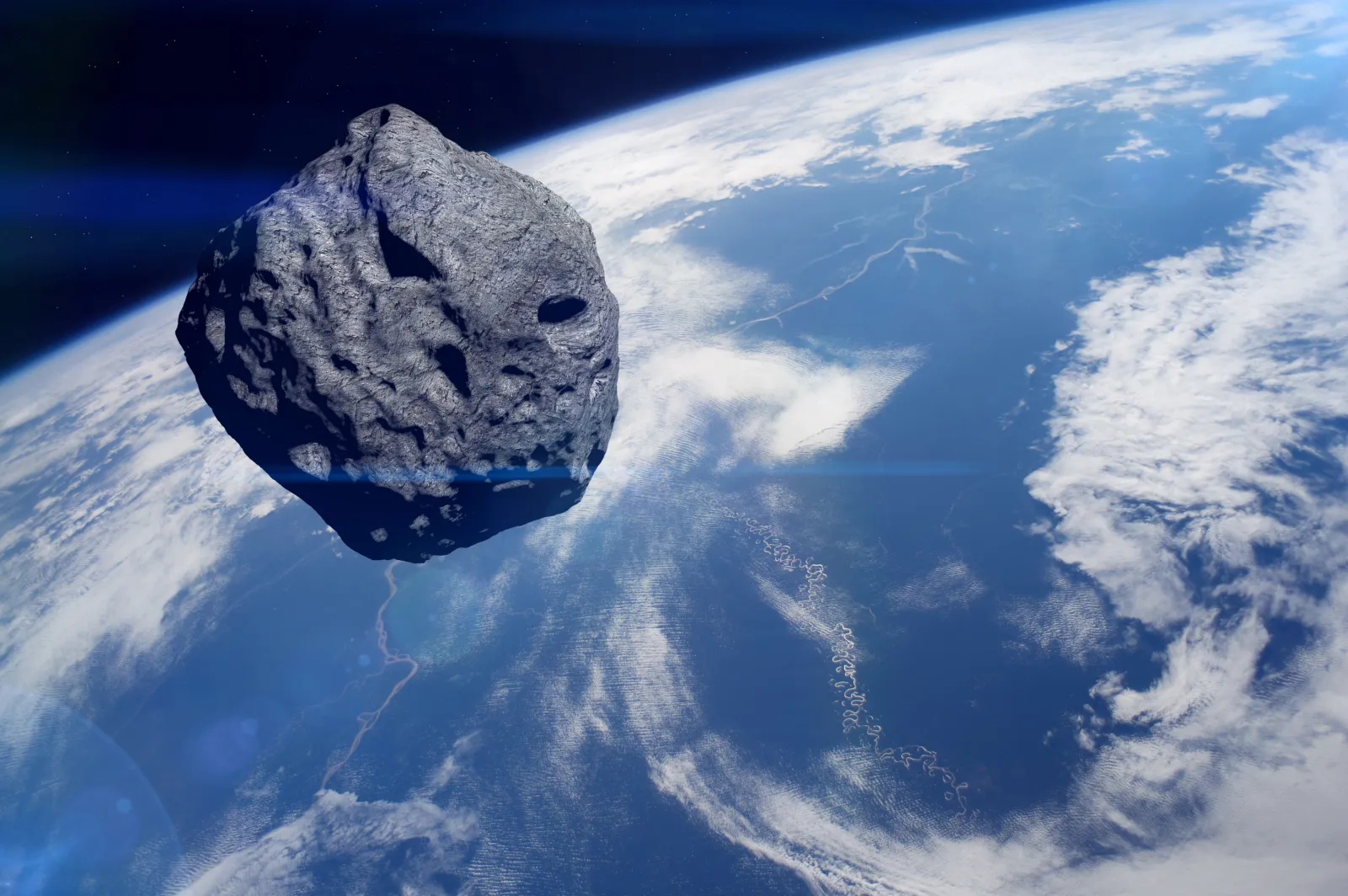
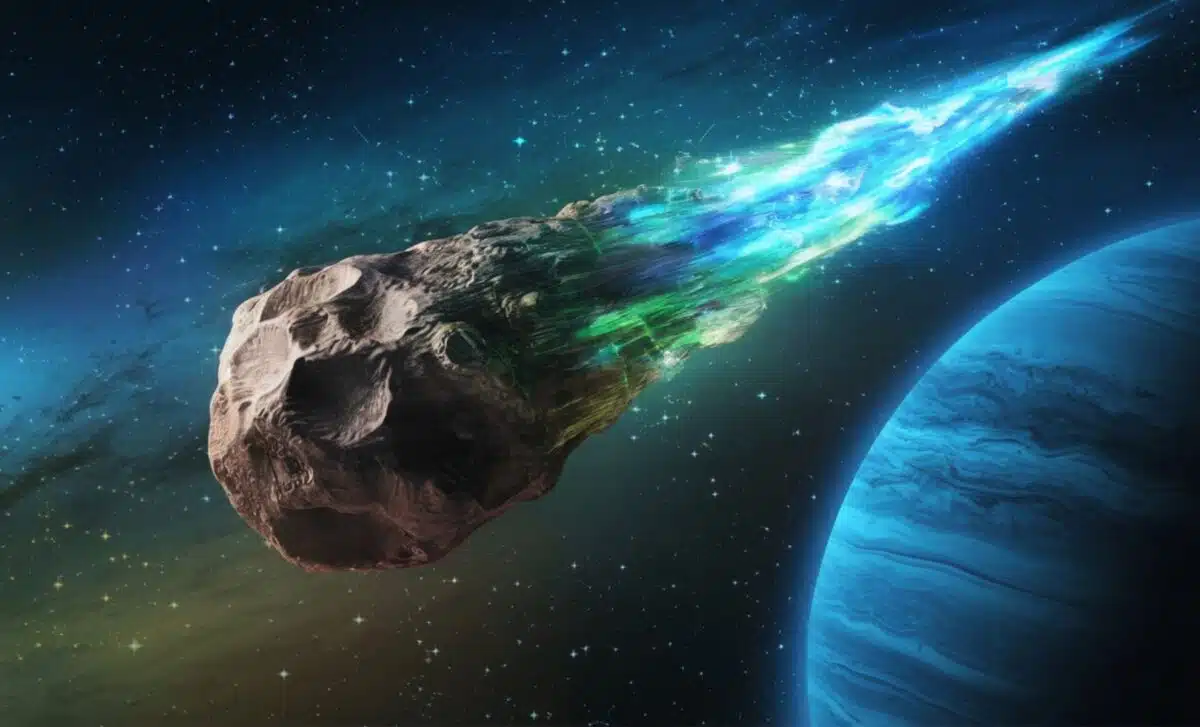
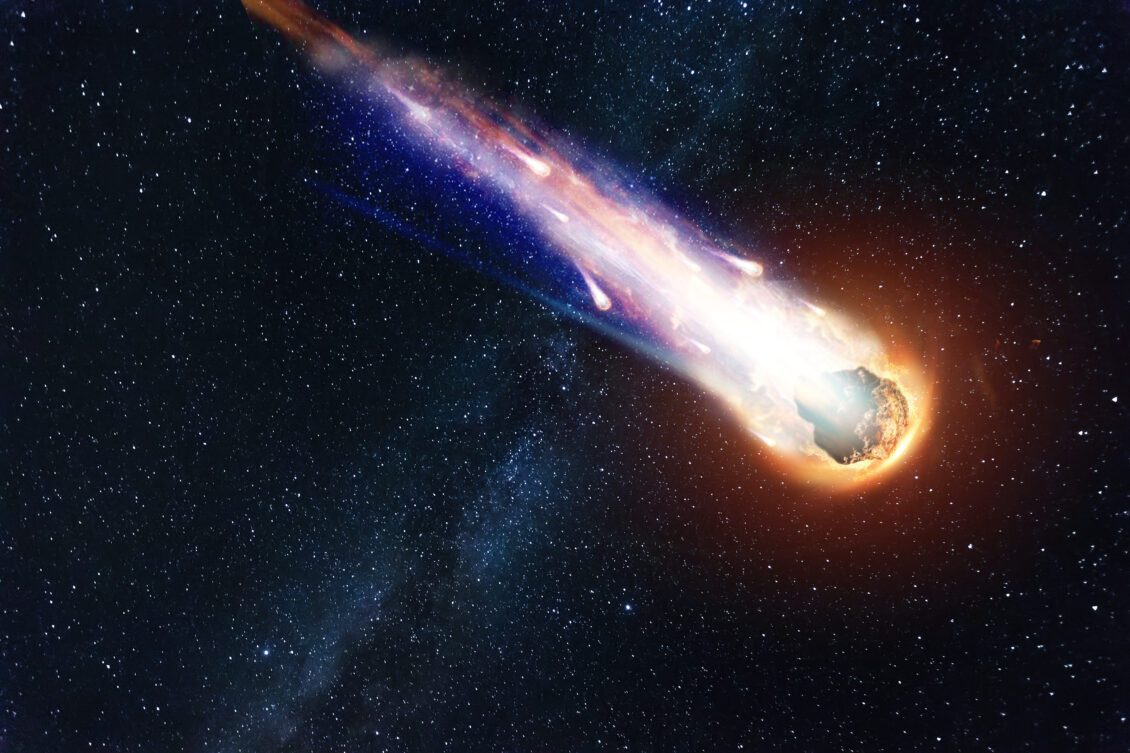
An asteroid impact happens when a space rock from space enters Earth’s atmosphere and hits the surface.
Depending on size and speed, it can:
- Burn up in the sky (small ones)
- Explode in the air
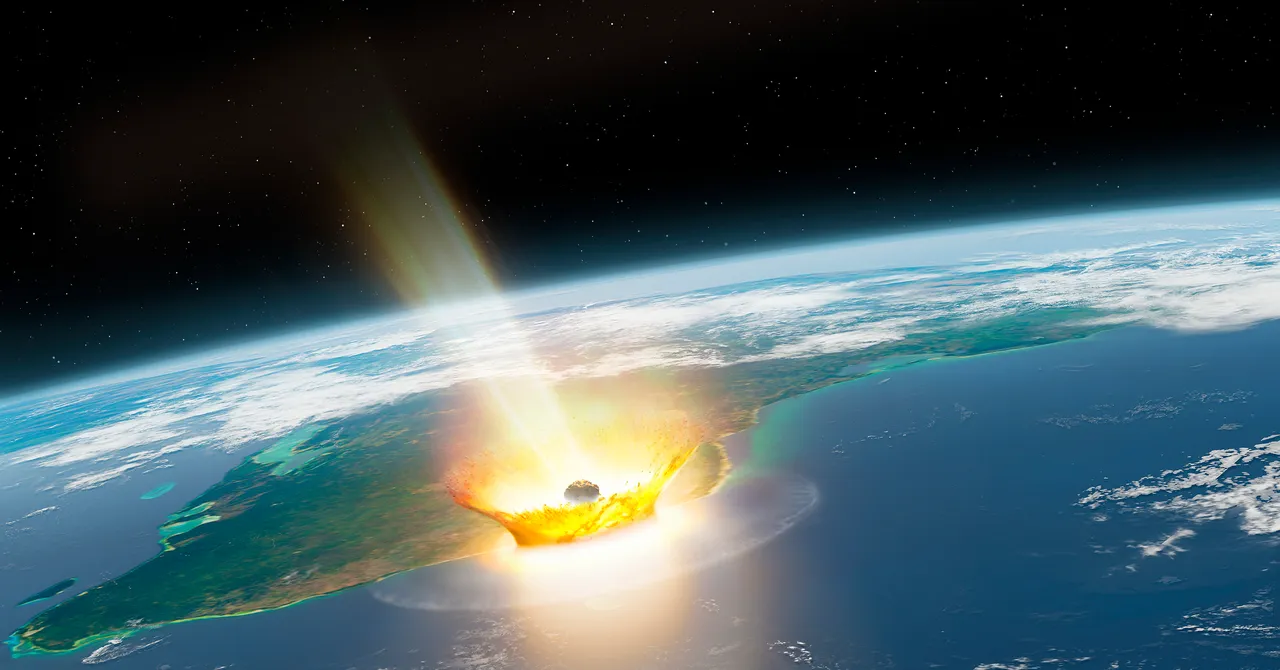
- Or hit the ground and create a crater
Large impacts are rare but very powerful.
1. Chicxulub Impact (Mexico)
This is one of the most famous impacts in history.
- Location: Mexico (Yucatán Peninsula)
- Size: About 10–15 km wide asteroid
- Time: 66 million years ago
This impact is linked to the extinction of the dinosaurs. It caused massive fires, tsunamis, and climate change.
2. Vredefort Crater (South Africa)
- Location: South Africa
- Size: Around 10–15 km asteroid
- Age: About 2 billion years ago
This is the largest known crater on Earth. It is so old that erosion has changed its shape, but scientists still study it.
3. Sudbury Basin (Canada)
- Location: Canada
- Size: Around 10 km asteroid
- Age: 1.8 billion years ago
This impact created a huge crater that is now one of the richest mining areas in the world.
4. Popigai Crater (Russia)
- Location: Siberia, Russia
- Size: About 8 km asteroid
- Age: 35 million years ago
This impact created a massive diamond field due to extreme pressure.
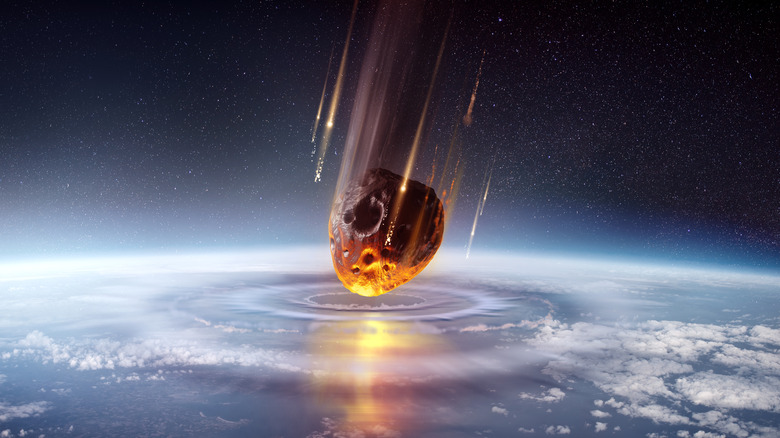
13 Massive Asteroid Impacts That Changed Earth Forever
5. Chesapeake Bay Impact (USA)
- Location: United States
- Size: Around 3 km asteroid
- Age: 35 million years ago
This impact shaped the Chesapeake Bay region and affected water systems.
6. Tunguska Event (Russia)
- Location: Siberia
- Size: 50–60 meters asteroid or comet
- Year: 1908
This object exploded in the air and flattened millions of trees. No crater was formed.
7. Barringer Crater (Arizona, USA)
- Location: Arizona
- Size: About 50 meters asteroid
- Age: 50,000 years ago
This is one of the best-preserved craters on Earth.
8. Kara Crater (Russia)
- Location: Russia
- Size: Several kilometers wide
- Age: About 70 million years ago
This impact created large geological changes in the region.
9. Manicouagan Crater (Canada)
- Location: Quebec, Canada
- Size: About 5 km asteroid
- Age: 214 million years ago
It created a large ring-shaped lake that can still be seen from space.
10. Morokweng Crater (South Africa)
- Location: South Africa
- Size: Around 5 km asteroid
- Age: 145 million years ago
Scientists found fragments of the asteroid deep underground.
11. Acraman Crater (Australia)
- Location: Australia
- Size: About 4 km asteroid
- Age: 580 million years ago
This impact affected ancient marine life at the time.
12. Kara-Kul Crater (Tajikistan)
- Location: Tajikistan
- Size: About 1 km asteroid
- Age: 5 million years ago
It created a lake inside the crater that still exists today.
13. Rio Cuarto Craters (Argentina)
- Location: Argentina
- Size: Multiple small asteroids
- Age: Around 10,000 years ago (debated)
Scientists are still studying whether these are true impact craters.
Why Do Asteroids Hit Earth?
Asteroids are always moving in space. Sometimes:
- Gravity pulls them off their path
- Collisions send them toward Earth
- Orbits slowly change over time
Earth is just in the path of some of them.
What Happens During a Big Impact?
A large asteroid impact can cause:
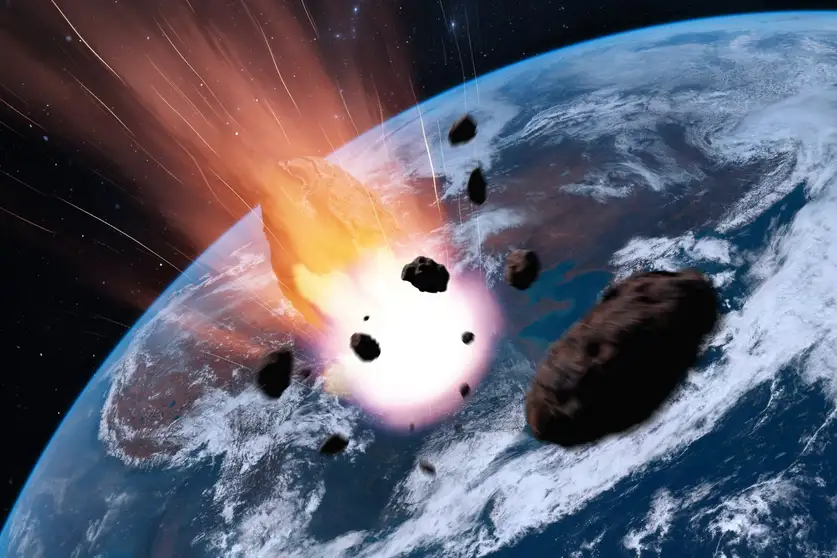
- Huge explosion
- Firestorms
- Tsunamis
- Dust blocking sunlight
- Climate changes
That is why scientists take asteroid tracking seriously.
How Often Do Big Impacts Happen?
Very large impacts are extremely rare:
- Small impacts: frequent
- Medium impacts: rare
- Large impacts: very rare (millions of years apart)
Can We Stop an Asteroid?
Yes, scientists are working on it.
Organizations like NASA are testing ways to:
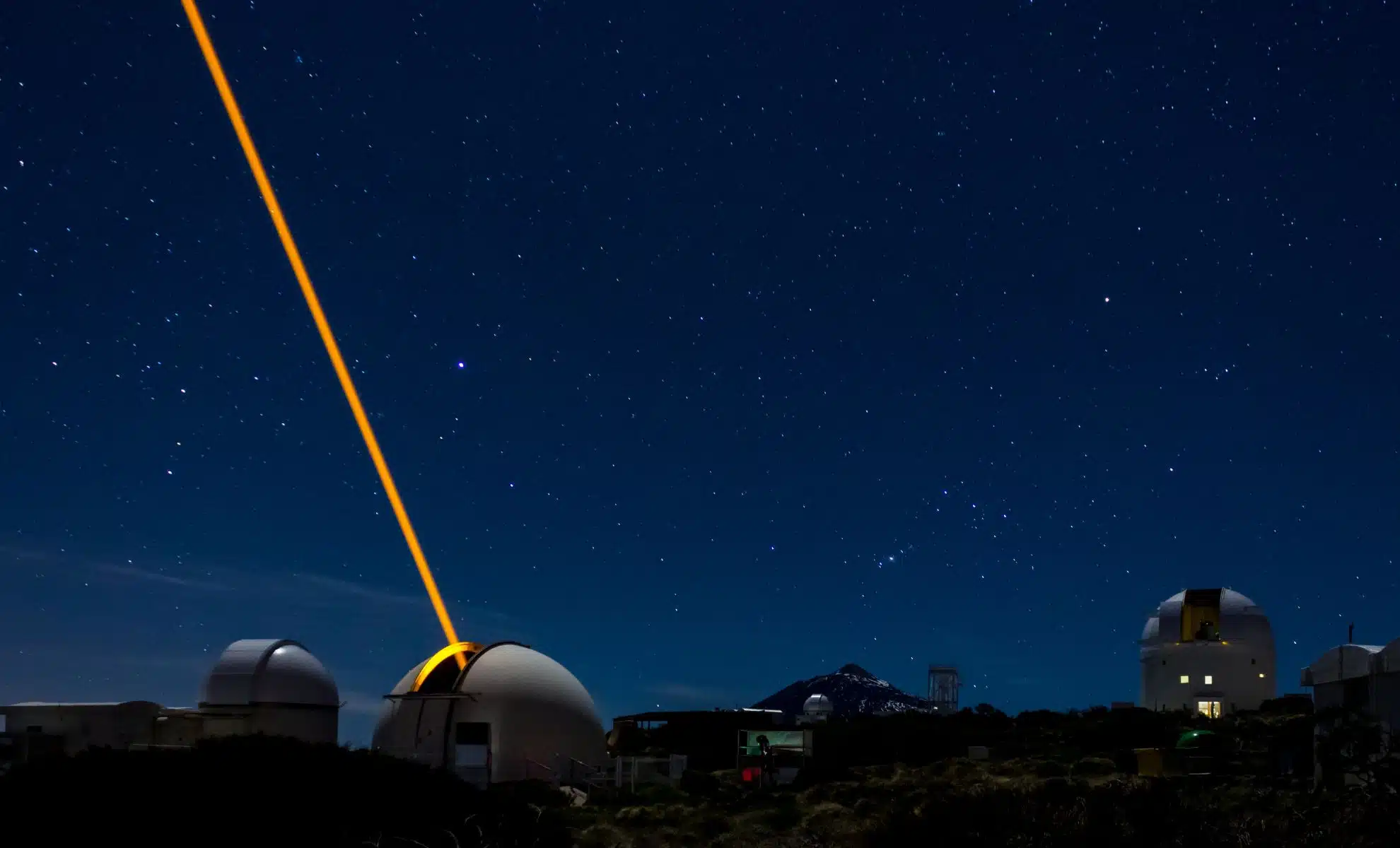
- Detect asteroids early
- Change their direction
- Protect Earth if needed
One method is using spacecraft to slightly push an asteroid away.
Final Thoughts
Earth has a long history of asteroid impacts. Some were small, while others were powerful enough to shape the planet and even life itself.
But the good news is that large impacts are very rare, and scientists today are actively watching the sky.
Thanks to modern technology, we are safer and better prepared than ever before.
Space is powerful and unpredictable, but with science, we continue to understand and protect our planet.
Read Also: Keep your face towards the sunshine and shadows will fall behind you
Watch Also: https://www.youtube.com/@TravelsofTheWorld24





Leave a Reply