
Space technology is changing very fast, and one of the most important areas of growth is how satellites send data back to Earth. Today, satellites collect huge amounts of information every second—from weather updates to Earth images—but transferring that data quickly and efficiently is still a big challenge.
To solve this, the European Space Agency (ESA) has announced a bold plan involving 7 new space missions. These missions aim to completely improve how satellite data is transferred, shared, and used.
Let’s understand this step by step in simple English.
Why Satellite Data Transfer Is Important
Satellites orbit Earth and collect valuable information such as:
- Weather patterns
- Climate changes
- GPS signals
- Earth surface images
- Ocean and forest monitoring
But all this data must be sent back to Earth quickly.
Right now, satellites sometimes face:
- Slow data transfer
- Limited communication windows
- Network delays
- High costs
This is why ESA wants to improve the system.
What Is ESA Planning?
The European Space Agency is planning 7 advanced space missions designed to improve communication between satellites and Earth.
These missions will focus on:
- Faster data transfer
- Better satellite communication networks
- Real-time information sharing
- Advanced space technology
The goal is to build a smarter and more connected space system.
Why This Plan Is Called “Bold”
It is called bold because:
- It uses new and advanced technology
- It involves multiple missions working together
- It aims to change the entire satellite communication system
- It supports future space exploration and Earth monitoring
This is not just a small upgrade—it is a big transformation.
How Satellite Data Transfer Works Today
Right now, satellites send data using radio signals to ground stations on Earth.
The process is:
- Satellite collects data
- Sends signal to Earth
- Ground stations receive it
- Data is processed and used
But this system has limitations:
- Satellites can only send data when they are in range
- Signals can be delayed
- Not all data can be sent instantly
What ESA Wants to Improve
The new ESA missions aim to fix these problems by:
1. Creating Faster Networks
Satellites will be able to communicate faster and more efficiently.
2. Using Space Relays
Some satellites will act like “middle stations” in space, helping pass data between satellites and Earth.
3. Real-Time Communication
Data will reach Earth almost instantly in some cases.
4. Better Coverage
Even remote satellites will stay connected.
The Role of the 7 Missions
Each of the 7 missions will have a specific role.
Together, they will build a complete system for satellite communication.
Some missions will:
- Test new communication technologies
- Build space relay systems
- Improve data storage in orbit
- Strengthen Earth connection systems
All missions will work as a team.
Why This Matters for Earth
Better satellite data transfer will help in many areas:
Weather Forecasting
More accurate weather updates can save lives during storms and disasters.
Climate Monitoring
Scientists can track climate change more effectively.
Navigation
GPS systems will become more precise.
Disaster Response
Faster data helps emergency teams respond quickly.
Role of Satellites in Daily Life
We use satellite data every day without realizing it:
- Google Maps
- Weather apps
- TV signals
- Internet services
Improving satellite communication will improve all of these services.
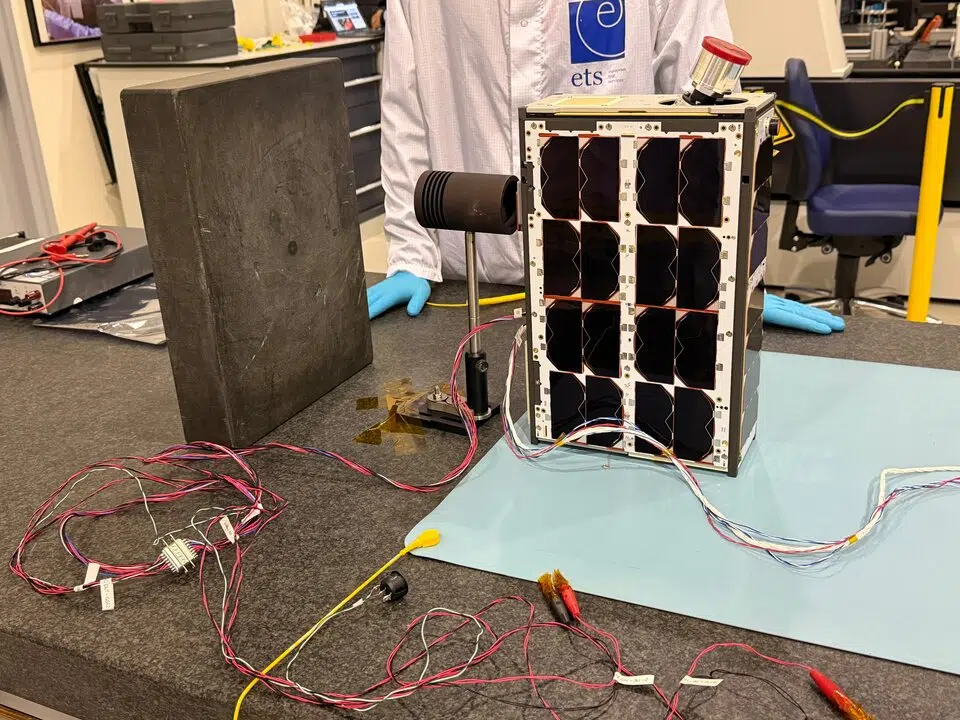
ESA’s 7 Space Missions Set to Transform Satellite Communication
Challenges ESA Wants to Solve
The current system has problems like:
- Data bottlenecks (slow transfer)
- Limited satellite bandwidth
- Delayed communication
- High operational costs
ESA’s new plan aims to remove these barriers.
Technology Behind the Missions
The missions will use advanced technologies such as:
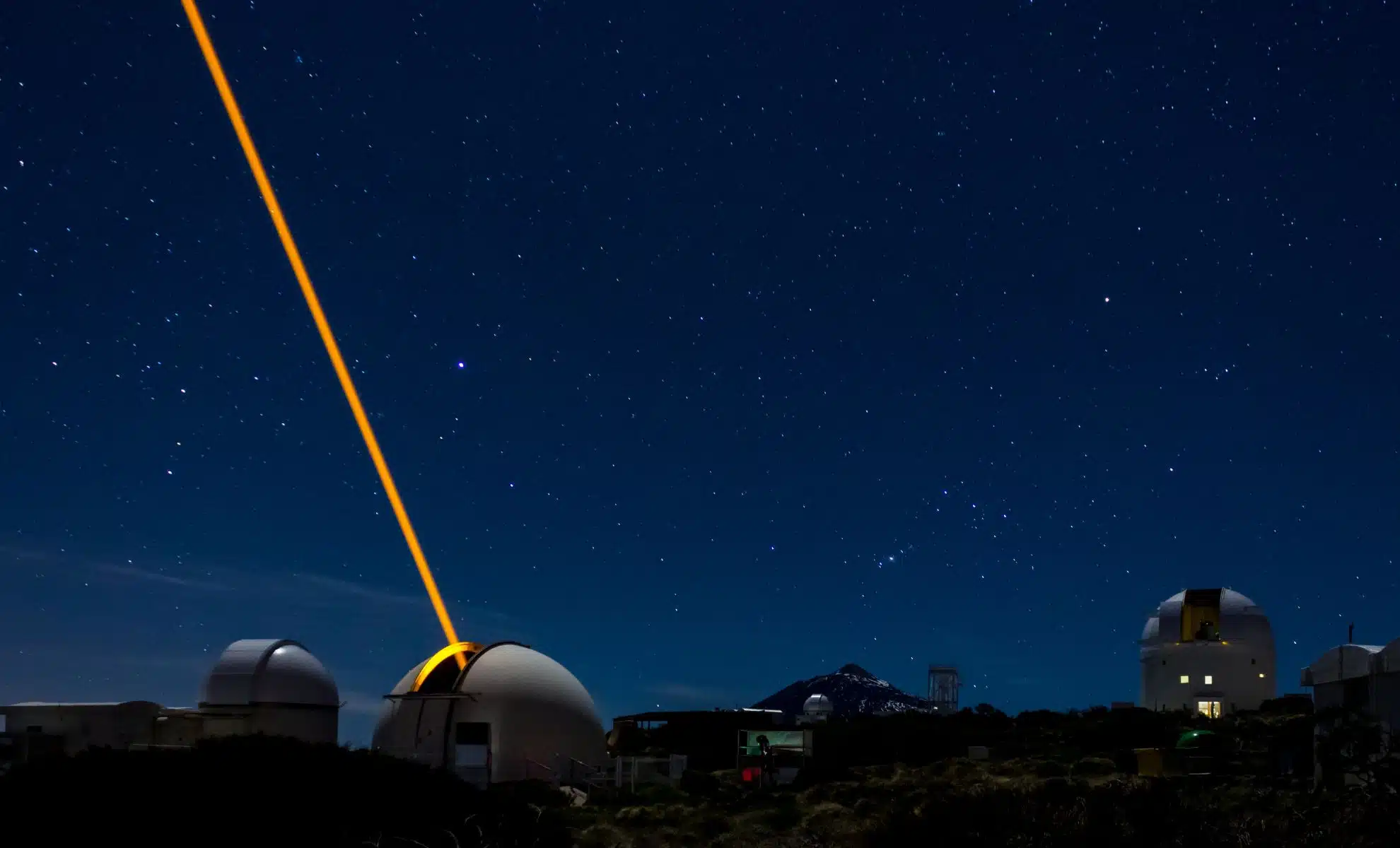
- Laser communication (faster than radio signals)
- Artificial intelligence for data handling
- High-speed onboard processors
- Advanced space networking systems
These tools will make satellites much smarter.
Laser Communication in Space
One of the most exciting technologies is laser communication.
Instead of radio waves, satellites will use light beams to send data.
Benefits include:
- Much faster speed
- Higher data capacity
- More secure transmission
This could revolutionize space communication.
Artificial Intelligence in Satellites
AI will help satellites:
- Decide which data is most important
- Manage communication automatically
- Reduce delays
- Improve efficiency
This makes the system more intelligent and less dependent on humans.
How This Helps Future Space Missions
Better communication systems will support future missions like:
- Moon exploration
- Mars missions
- Deep space research
Reliable data transfer is essential for long-distance space travel.
Importance for Science and Research
Scientists depend on satellite data for:
- Studying Earth’s atmosphere
- Tracking natural disasters
- Understanding oceans and forests
- Observing space weather
ESA’s plan will make this data more accurate and faster.
Global Impact of ESA’s Plan
The European Space Agency works with many countries.
This means:
- Shared technology
- Global cooperation
- Better scientific research
- Improved space infrastructure
The benefits will not be limited to Europe—they will be global.
Future of Satellite Communication
In the future, we may see:
- Fully connected satellite networks
- Instant global data sharing
- Smarter space systems
- Real-time Earth monitoring
ESA’s 7 missions are an important step toward that future.
Why This Plan Is a Big Deal
This project is important because:
- It improves how we understand Earth
- It supports science and safety
- It prepares us for deep space exploration
- It modernizes space technology
It is not just about satellites—it is about the future of communication.
Final Thoughts
The European Space Agency is taking a major step forward with its 7 planned missions to improve satellite data transfer.
This bold plan will:
- Make communication faster
- Improve global data systems
- Support science and safety
- Help future space missions
Space technology is becoming more advanced every year, and this project shows how important satellites are in our daily lives and future exploration.
The way we receive information from space is about to change in a big way—and this is just the beginning.
Read Also: Keep your face towards the sunshine and shadows will fall behind you
Watch Also: https://www.youtube.com/@TravelsofTheWorld24





Leave a Reply