
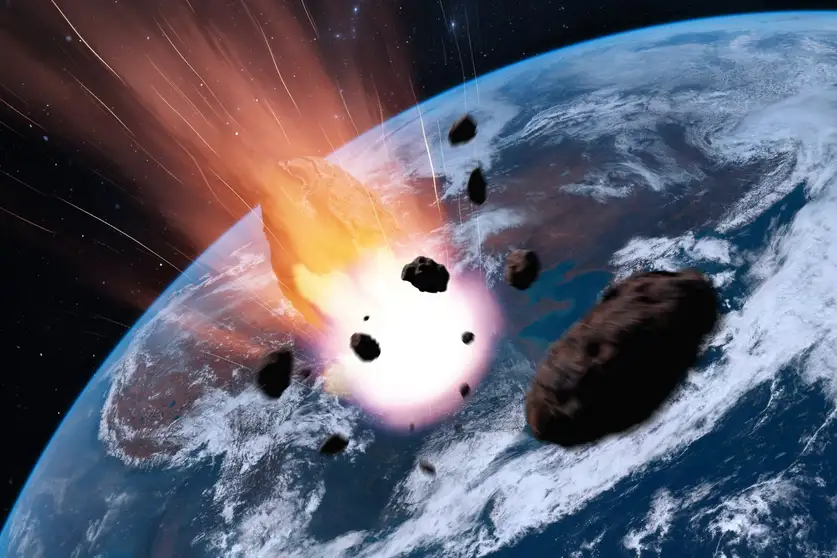
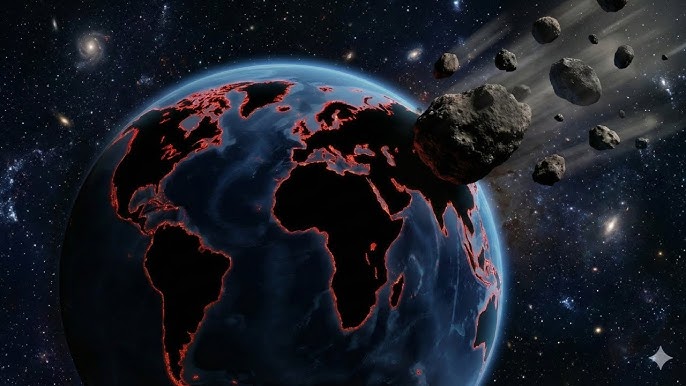
Whenever news or social media talks about asteroids, it can sound a bit scary. Words like “Earth impact” or “near-Earth object” often make people think a disaster is coming. But how real is the danger? Should we actually be worried about an asteroid hitting Earth?
Let’s understand this topic in simple English and look at what science really says.
What Is an Asteroid?
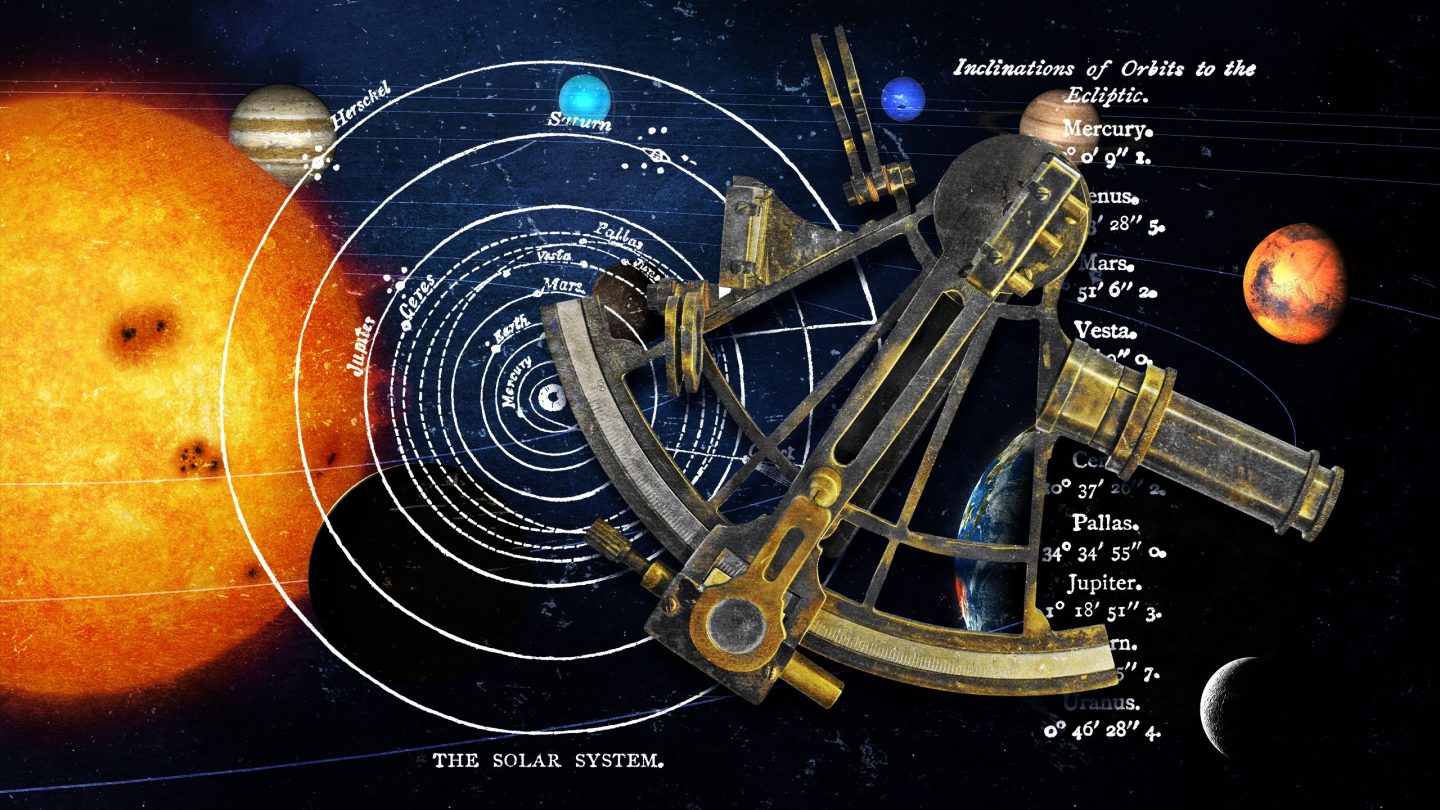
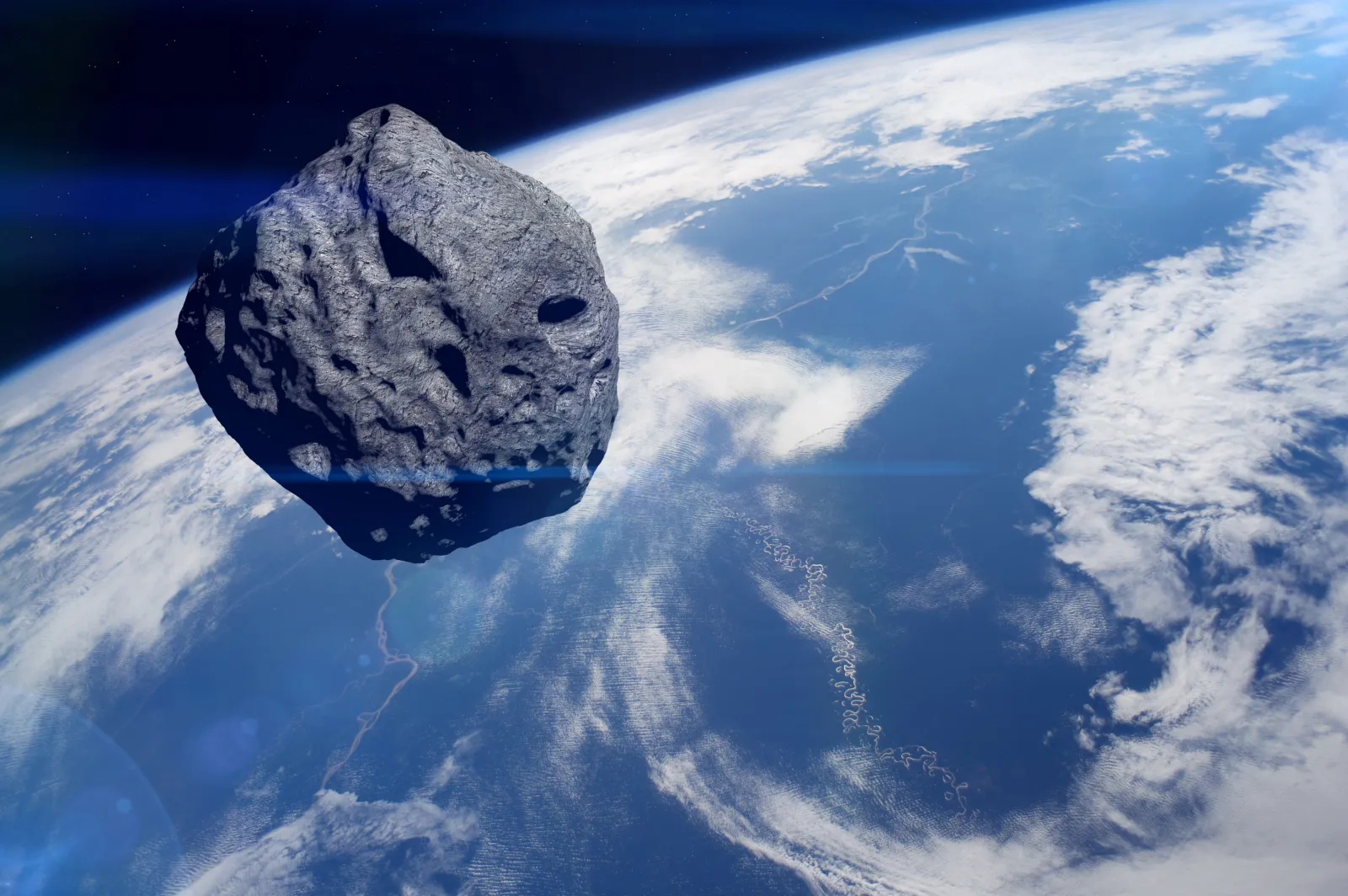
An asteroid is a rocky object that orbits the Sun. These space rocks are leftovers from the early formation of the solar system about 4.6 billion years ago.
They can be:
- Very small, like pebbles
- Medium-sized, like buildings
- Large, like mountains
Most asteroids are found in the belt between Mars and Jupiter.
Do Asteroids Really Hit Earth?
Yes, but not often in a dangerous way.
Every day:
- Tiny dust-sized particles enter Earth’s atmosphere
- They burn up and create shooting stars
Sometimes:
- Small rocks enter the atmosphere and explode in the sky
- Very rarely, pieces reach the ground
But large, dangerous impacts are extremely rare.
How Often Do Big Asteroids Hit Earth?
Large asteroid impacts happen very rarely—once in thousands or even millions of years.
For example:
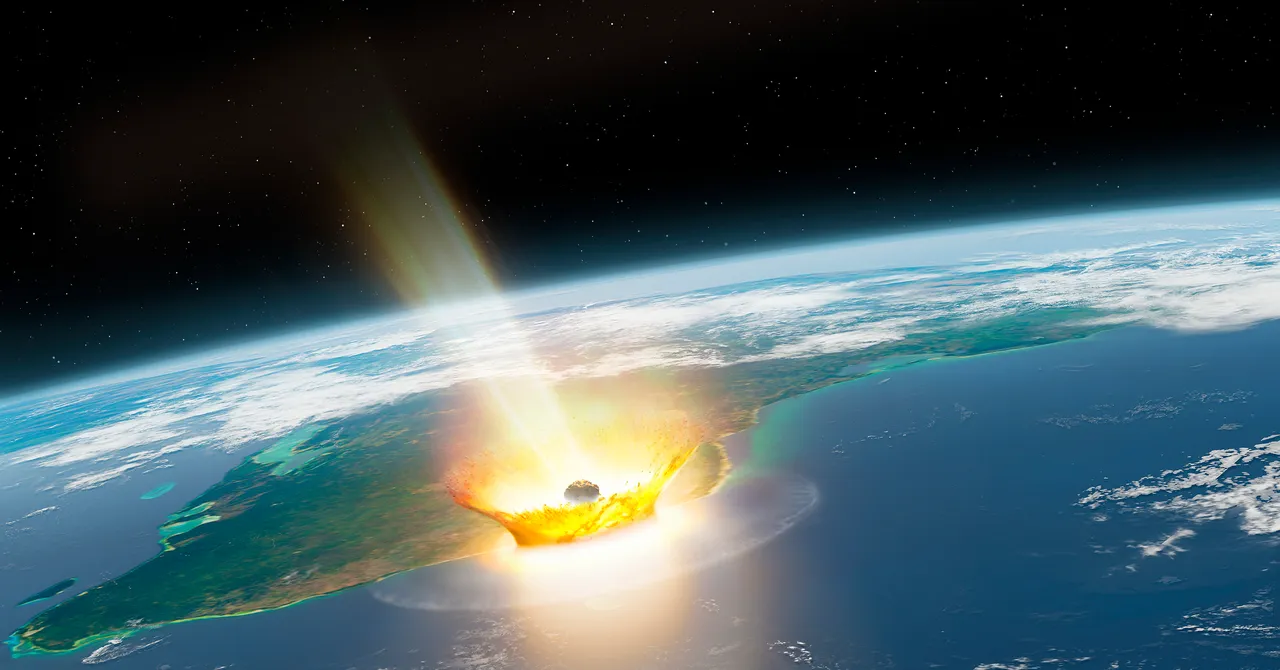
- The dinosaur extinction event is believed to have been caused by a large asteroid about 66 million years ago
- But events like that are extremely uncommon today
So on a human timescale, big impacts are very unlikely.
What Scientists Say About the Risk
Space agencies like NASA constantly monitor space objects near Earth.
They track:
- Thousands of asteroids
- Their speed
- Their direction
- Their distance from Earth
Their conclusion is simple: no known large asteroid is on a collision course with Earth right now.
What Are Near-Earth Objects?
Asteroids that come close to Earth are called Near-Earth Objects (NEOs).
These include:
- Asteroids
- Some comets
They are closely tracked by scientists because they pass near Earth’s orbit.
Most of them pass safely at a very large distance.
What Happens If a Small Asteroid Enters Earth?
Small asteroids are actually quite common.
When they enter Earth’s atmosphere:
- They heat up due to friction
- They burn and explode in the sky
- We see them as meteors (shooting stars)
Most of them never reach the ground.
Famous Example: Chelyabinsk Event
In 2013, a small asteroid exploded over Russia in the city of Chelyabinsk.
What happened:
- It created a bright flash in the sky
- It caused broken windows
- No one was killed
This shows that even small asteroids can cause local damage, but not global destruction.
Why Big Impacts Are Rare
Earth is a small target in a huge space.
Reasons why big impacts are rare:
- Space is mostly empty
- Asteroids are spread out
- Many are in stable orbits
- Scientists track dangerous ones early
So chances of a large asteroid hitting Earth are very low.
How Scientists Detect Dangerous Asteroids
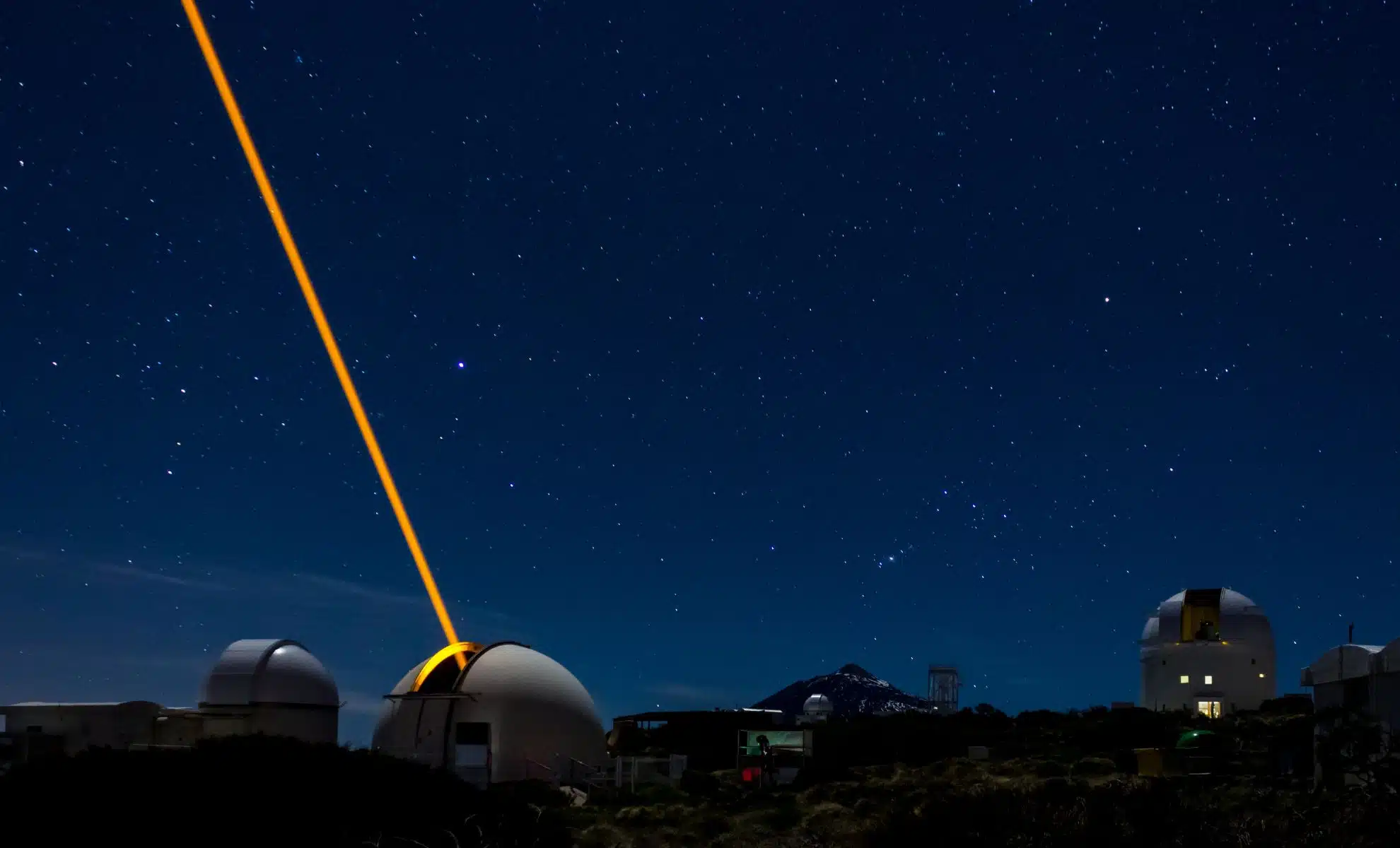
Organizations like NASA use powerful tools:
- Ground telescopes
- Space telescopes
- Radar systems
- Computer simulations
They calculate:
- Path of the asteroid
- Future position
- Possible risk to Earth
If any danger is found, scientists know years in advance.
Planetary Defense: Protecting Earth
Scientists are not just watching—they are also preparing.
Planetary defense means protecting Earth from space objects.
Methods include:
- Tracking asteroids early
- Changing their path if needed
- Using spacecraft to nudge them away
One test mission already showed that a spacecraft can slightly change an asteroid’s orbit.
Should You Be Worried?
Short answer: No.
Here’s why:
- No known large asteroid is coming toward Earth
- Most asteroids burn up in the atmosphere
- Scientists track everything carefully
- Technology is improving every year
So there is no reason for panic.
Why People Still Get Worried
Asteroids sound scary because of movies and headlines.
In films:
- Huge rocks destroy cities
- Earth faces extinction
But in real life:
- These events are extremely unlikely
- Science is monitoring space all the time
Media sometimes makes things sound more dramatic than they are.
The Size Problem
Size matters a lot when it comes to asteroid danger.
Small asteroids:
- Burn up in the atmosphere
- No real danger
Medium asteroids:
- Can cause local damage
- Still rare
Large asteroids:
- Extremely rare
- Could cause global effects
But large ones are very carefully tracked.
How Earth Protects Itself Naturally
Earth has a natural shield:
- Thick atmosphere burns small objects
- Gravity helps deflect some objects
- Most space debris misses Earth completely
This makes Earth safer than it seems.
The Role of Jupiter
The planet Jupiter also helps protect Earth.
Its strong gravity:
- Pulls many asteroids away
- Acts like a space shield in some cases
This reduces the number of objects reaching inner planets.
What Would Happen If a Large Asteroid Came?
If a dangerous asteroid were ever found:
- Scientists would detect it early
- Its path would be studied carefully
- Space missions could be launched to redirect it
- Global alerts would be given if needed
The earlier it is detected, the easier it is to prevent danger.
Real Risk Level
To put it simply:
- Tiny asteroids: common, harmless
- Small meteors: common, harmless
- Medium asteroids: rare, local risk
- Large asteroids: extremely rare
So the overall risk is very low.
Why Monitoring Is Still Important
Even though the risk is low, scientists still monitor space because:
- Space is always changing
- New objects are discovered regularly
- Early detection is key
- Prevention is better than reaction
Space agencies like NASA continue to improve detection systems.
Final Thoughts
Asteroids are real, and Earth does get hit by small ones all the time. But dangerous impacts are extremely rare.
Thanks to science and monitoring by organizations like NASA, we are safer than ever before.
So how worried should you be?
Honestly:
- Not worried
- Just aware
Space is full of moving objects, but Earth is well protected and constantly watched.
Instead of fear, this topic is better seen as a reminder of how powerful and interesting our universe really is.
Read Also: Keep your face towards the sunshine and shadows will fall behind you
Watch Also: https://www.youtube.com/@TravelsofTheWorld24





Leave a Reply