
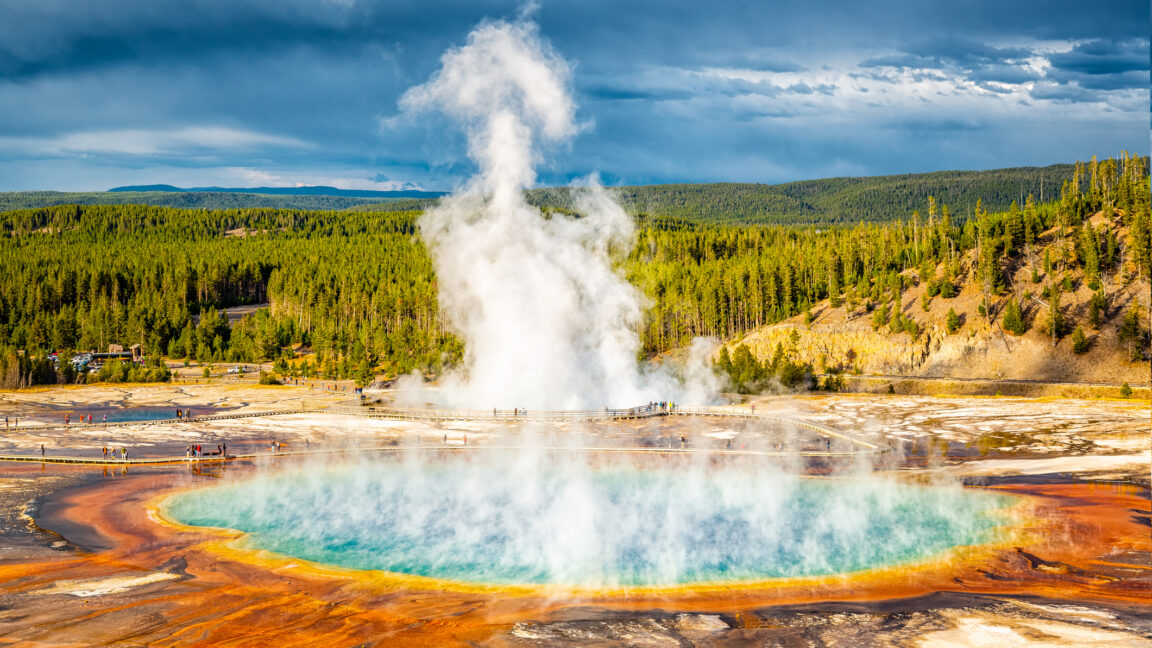
The Yellowstone region in the United States is one of the most fascinating and powerful volcanic areas on Earth. It is famous for its geysers, hot springs, and underground volcanic activity. For a long time, scientists believed that this activity was caused by a deep “mantle plume”—a rising column of hot rock from deep inside the Earth.
But now, a new scientific paper is challenging that idea. It suggests that Yellowstone’s volcanic activity may not come from a mantle plume at all. Instead, it may be driven by the geological history of the region itself.
This new idea is reshaping how scientists understand one of the most powerful volcanic systems on the planet.
Let’s break it down in simple English.
What Is Yellowstone?
Yellowstone is a massive volcanic system located mainly in the western United States. It sits on top of a supervolcano.
It is part of Yellowstone National Park and is known for:
- Geysers like Old Faithful
- Hot springs
- Bubbling mud pools
- Earthquakes and underground heat
This area is not just a normal volcano—it is a supervolcano, meaning it can produce extremely large eruptions.
What Is a Mantle Plume?
For many years, scientists believed Yellowstone was powered by a mantle plume.
A mantle plume is:
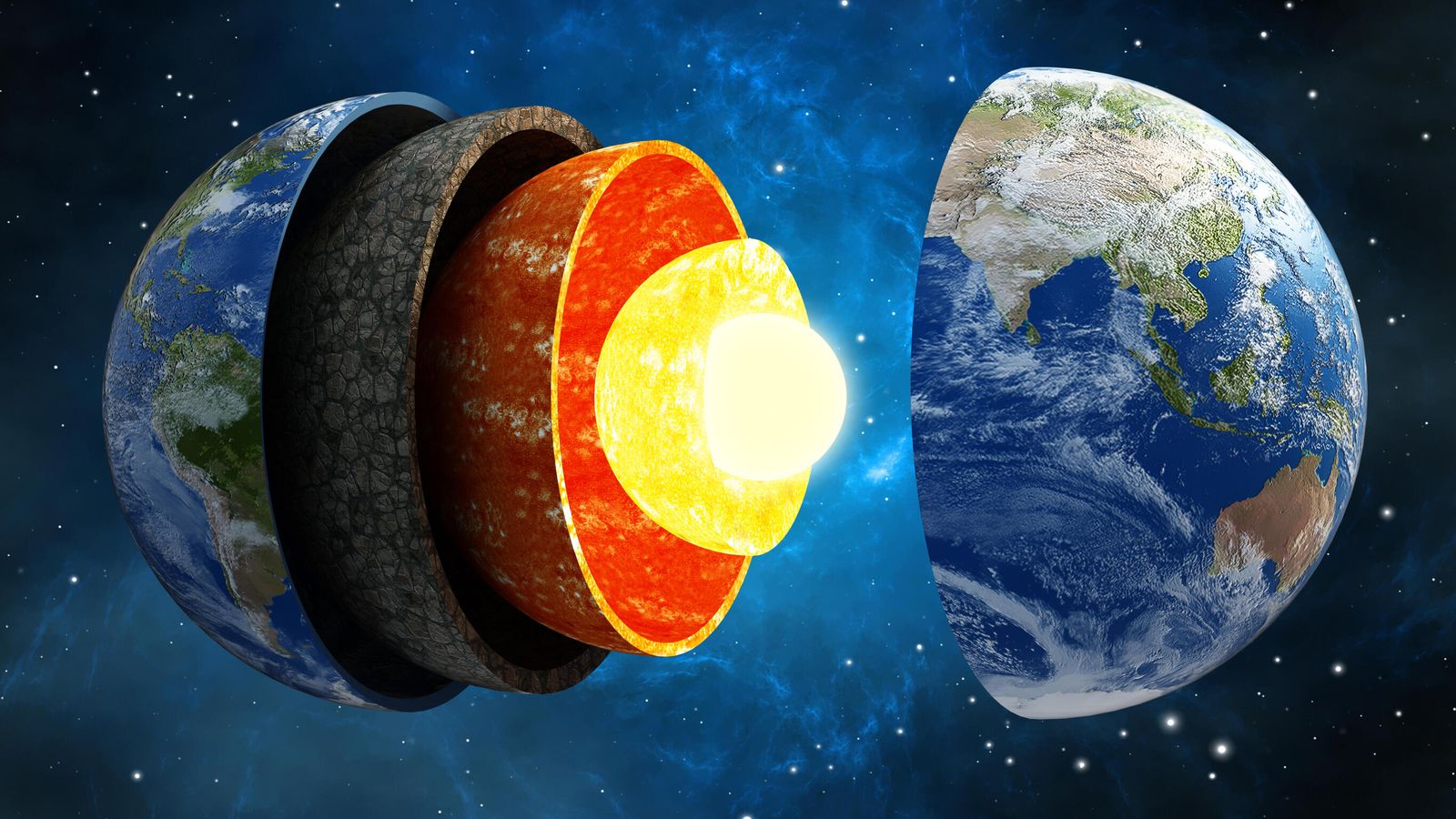
- A column of very hot rock rising from deep inside the Earth
- It moves upward from the Earth’s mantle
- It can cause volcanic activity on the surface
This idea explains many volcanic hotspots around the world.
What the New Paper Suggests
The new research challenges the mantle plume idea.
Instead of deep heat rising from the Earth’s core, the paper suggests that Yellowstone’s activity is driven by:
- The movement of Earth’s crust
- Ancient geological structures
- Changes in the region over millions of years
In simple words: it’s not a deep “hot pipe,” but more like surface and mid-level Earth processes working together.
Why This Is Important
This is important because it changes how scientists understand:
- Volcanic activity
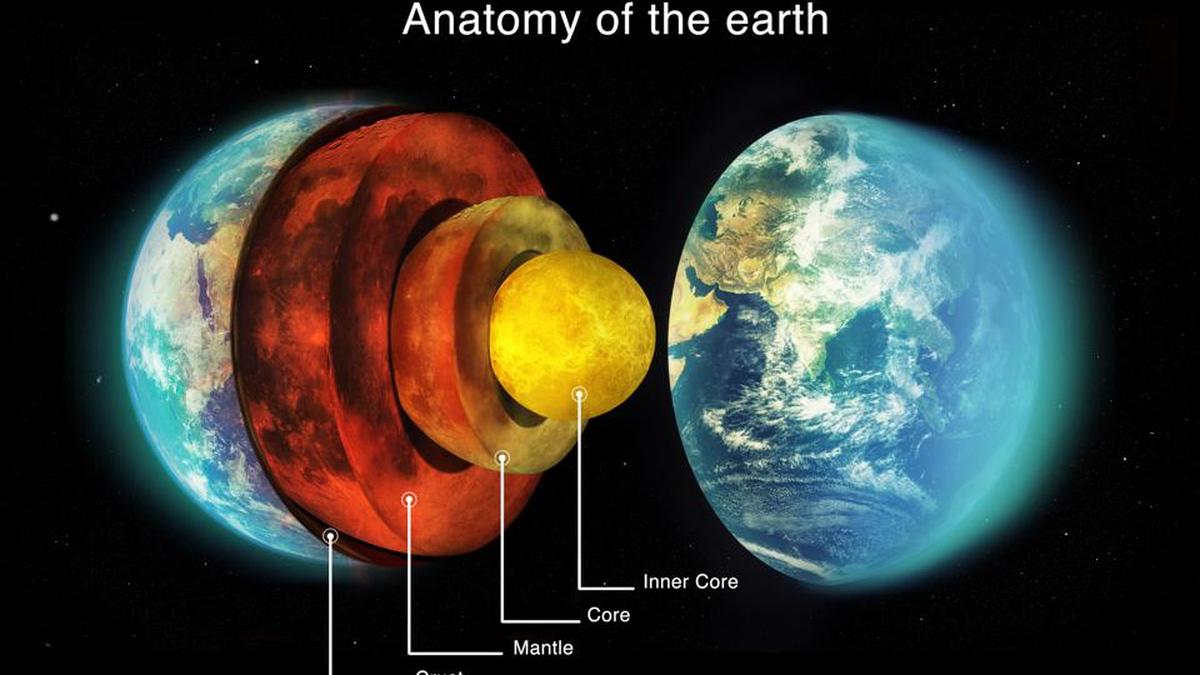
- Earth’s internal structure
- How supervolcanoes form
If the new idea is correct, it could change models used in geology and volcanology.
How Yellowstone Formed
Yellowstone did not appear overnight. It formed over millions of years.
Key processes include:
- Movement of tectonic plates
- Repeated volcanic eruptions
- Changes in Earth’s crust
As the North American plate moved, volcanic activity slowly shifted across the region.
What Is a Supervolcano?
A supervolcano is not a normal volcano.
It is:
- Much larger
- Capable of massive eruptions
- Able to affect global climate
Yellowstone is one of the most famous supervolcanoes on Earth.
Evidence Against the Mantle Plume Idea
The new study points to several observations:
1. Irregular Heat Patterns
The heat under Yellowstone does not always match what a plume would produce.
2. Complex Geological Structure
The underground structure is more complicated than a simple rising plume.
3. Plate Movement Influence
The movement of tectonic plates seems to explain many volcanic features.
Role of Tectonic Plates
Earth’s surface is made of large moving pieces called tectonic plates.
Yellowstone sits on the North American plate.
As this plate moves:
- Cracks form in the crust
- Magma can rise through weak areas
- Volcanic activity can shift over time
This movement may explain Yellowstone’s behavior without needing a deep mantle plume.
Why Scientists Disagree
Science often involves debate.
Some scientists still support the mantle plume idea, while others support the new “history-driven” model.
The disagreement exists because:
- Data can be interpreted in different ways
- Earth’s interior is hard to observe directly
- Both models explain some observations
More research is needed to reach a final conclusion.
Why Yellowstone Is Monitored Closely
Even though scientists debate its origin, Yellowstone is carefully monitored.
Organizations like United States Geological Survey track:
- Earthquakes
- Ground movement
- Heat changes
- Gas emissions
This helps scientists understand if anything unusual is happening.
Is Yellowstone Dangerous?
Right now, there is no sign of an immediate eruption.
Facts:
- Small earthquakes are normal there
- The ground rises and falls slightly over time
- No current evidence of an eruption threat
So while Yellowstone is powerful, it is closely watched and stable for now.
What Would Happen If Yellowstone Erupted?
A supervolcanic eruption would be rare but powerful.
Possible effects:
- Large ash clouds
- Climate cooling
- Disruption of travel and agriculture
- Local destruction near the site
But again, such an event is extremely unlikely in the near future.
Why This New Theory Matters
If Yellowstone is not powered by a mantle plume, it means:
- Volcanoes may form in more ways than we thought
- Earth’s crust plays a bigger role than expected
- Geological history is more important in shaping volcanic systems
This opens new questions in Earth science.
How Science Progresses
This study shows how science works:
- Old ideas are tested
- New data is collected
- Better explanations are proposed
- Debate leads to deeper understanding
Science is always evolving, not fixed.
What We Still Don’t Know
Even with this new research, many questions remain:
- What exactly is driving Yellowstone’s heat?
- How deep does the magma system go?
- Which model is correct?
Scientists are still studying these questions.
Final Thoughts
The new paper challenging the mantle plume theory of Yellowstone is an important step in understanding Earth’s geology.
Instead of a simple deep heat source, it suggests a more complex story shaped by Earth’s history and moving crust.
Whether the mantle plume idea is fully correct or not, one thing is clear: Yellowstone is a powerful and fascinating system that continues to teach us about how our planet works.
Thanks to ongoing research and monitoring by organizations like United States Geological Survey, scientists are getting closer to understanding this incredible natural feature.
Earth still holds many secrets—and Yellowstone is one of its most interesting mysteries.
Read Also: Keep your face towards the sunshine and shadows will fall behind you
Watch Also: https://www.youtube.com/@TravelsofTheWorld24







Leave a Reply