
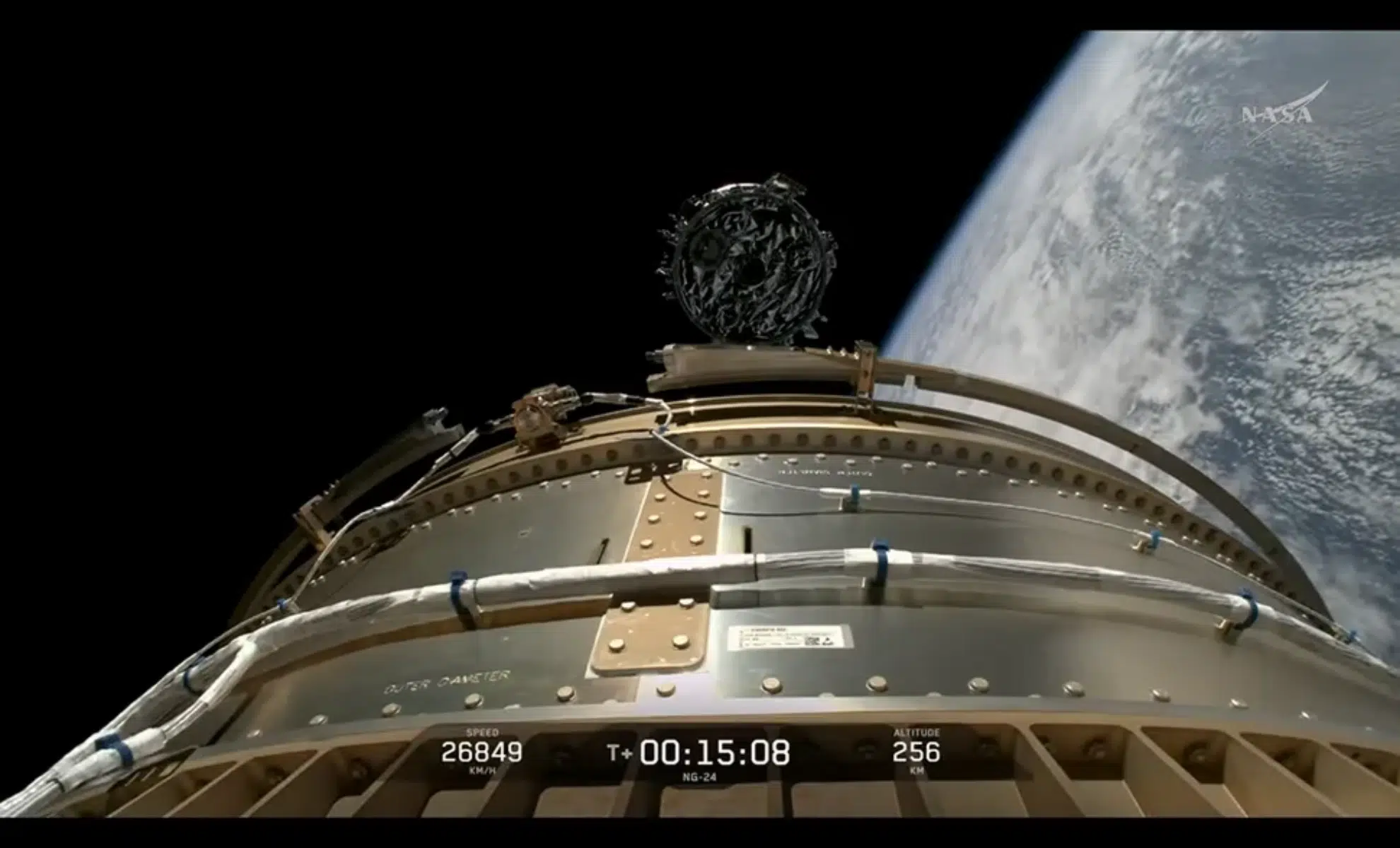
Space exploration continues to reach new milestones, and one of the latest achievements involves a major cargo mission to the International Space Station. In a historic launch, a powerful rocket carried the Cygnus XL spacecraft loaded with supplies for astronauts living and working in space.
This mission is important because it ensures that the space station stays fully supplied with food, tools, and scientific equipment needed for ongoing research.
Let’s understand this mission in a simple and clear way.
What Happened in This Mission?
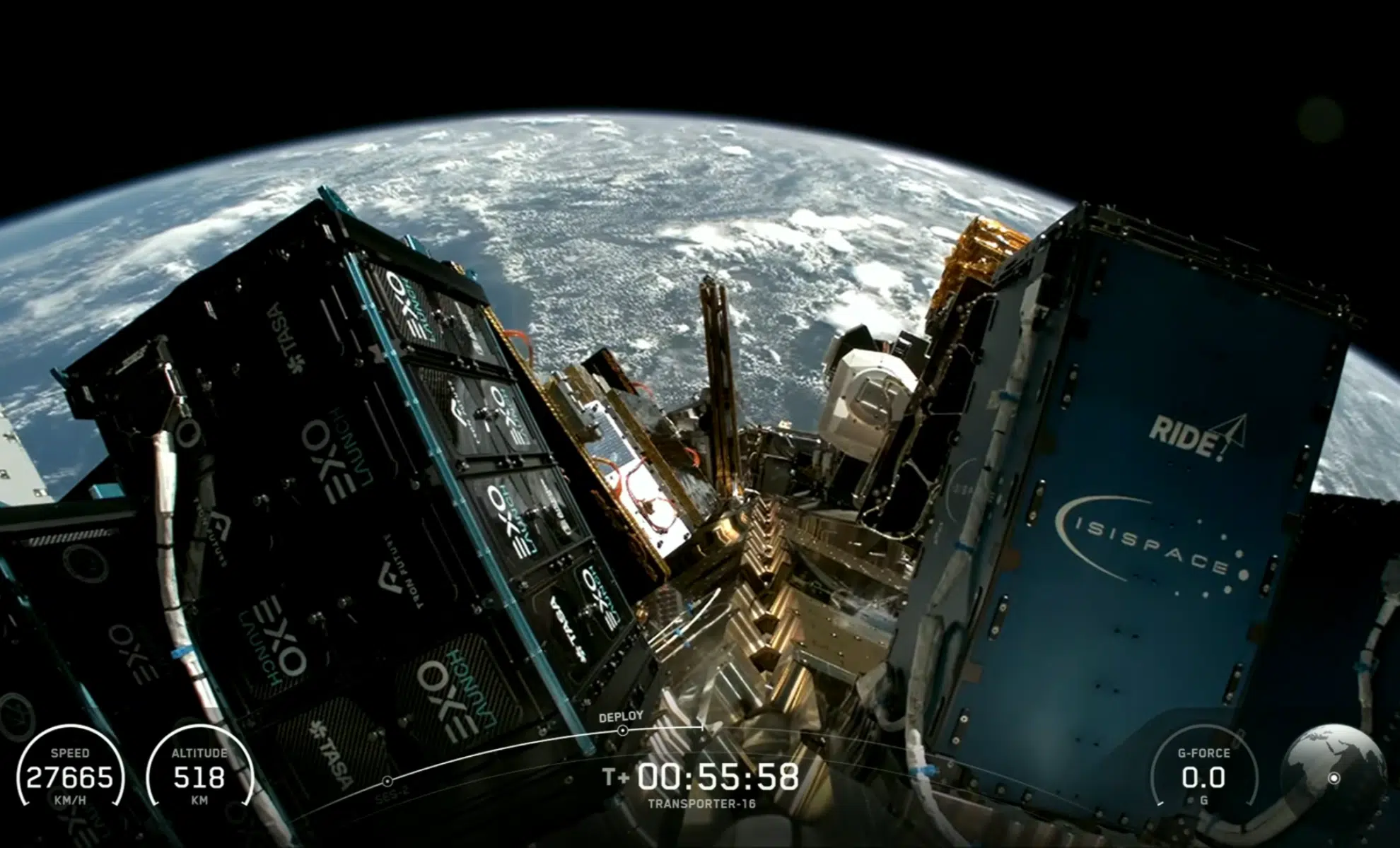
A rocket operated by SpaceX successfully launched a spacecraft called Cygnus XL into space.
The spacecraft was carrying about 5 tons of supplies for astronauts aboard the International Space Station.
This mission is part of regular cargo deliveries that keep the space station running smoothly.
What Is Cygnus XL?
Cygnus XL is a large cargo spacecraft designed to carry supplies to space.
It is built to:
- Transport food and water
- Deliver scientific experiments
- Carry equipment and spare parts
- Support astronauts living in space
It is an upgraded version of earlier Cygnus spacecraft, meaning it can carry more cargo than before.
Why Is This Mission Historic?
This mission is considered historic for several reasons:
- It carried a larger amount of cargo than previous missions
- It used advanced rocket technology
- It supports long-term human presence in space
Every successful mission helps improve future space travel.
What Is the International Space Station?
The International Space Station is a large laboratory orbiting Earth.
It is:
- About 400 km above Earth
- Home to astronauts from different countries
- A place for scientific research in zero gravity
Scientists use it to study:
- Space conditions
- Human health in space
- Physics experiments
- Earth observation
Why Do Astronauts Need Supplies?
Astronauts cannot live in space without regular deliveries from Earth.
They need:
- Food and drinking water
- Oxygen and medical supplies
- Scientific tools
- Clothing and daily essentials
Since the ISS is far from Earth, cargo missions are very important.
Role of SpaceX in Space Missions
The company SpaceX plays a major role in modern space travel.
It is known for:
- Building reusable rockets
- Reducing space travel costs
- Sending cargo and astronauts to space
SpaceX works with space agencies to support missions like this one.
How the Launch Happens
A space cargo mission goes through several steps:
1. Preparation
The spacecraft is loaded with supplies and checked carefully.
2. Launch
A powerful rocket lifts off from Earth carrying the cargo into space.
3. Orbit
The spacecraft travels around Earth until it reaches the space station.
4. Docking
It slowly connects to the International Space Station.
5. Unloading
Astronauts take out all supplies and use them over time.
What Was Inside the Cargo?
The 5 tons of supplies included:
- Food packets for astronauts
- Scientific experiments
- Tools and equipment
- Spare parts for repairs
- Personal items for crew members
Each item is carefully chosen to support life in space.
Why 5 Tons Is Important
Five tons may not sound like much on Earth, but in space logistics it is a huge amount.
This cargo ensures:
- Astronauts can stay longer in space
- Research continues without interruption
- Equipment is replaced when needed
Every kilogram matters in space missions.
Life on the ISS
Astronauts on the International Space Station live in a very unique environment.
They:
- Float due to microgravity
- Exercise daily to stay healthy
- Conduct scientific experiments
- Work in shifts like a normal workplace
Supplies from Earth make this life possible.
Why Space Missions Use Cargo Ships
Human spaceflight is expensive and complex.
Instead of sending everything with astronauts, cargo spacecraft:
- Carry supplies separately
- Reduce risk for human missions
- Allow larger deliveries
This makes space operations more efficient.
Technology Behind the Mission
The success of this mission depends on advanced technology developed by SpaceX.
Some key technologies include:
- Reusable rocket systems
- Automated docking systems
- Precision navigation tools
These technologies help improve safety and reduce cost.
How SpaceX Changed Space Travel
Before companies like SpaceX, space missions were mostly done by government agencies.
Now:
- Private companies are heavily involved
- Costs are lower
- Missions happen more often
This has made space more accessible.
Importance of Cargo Missions
Cargo missions like this one are essential because:
- They support human life in orbit
- They keep research going
- They ensure safety and maintenance
Without them, space stations could not operate.
Challenges of Space Delivery
Delivering cargo to space is not easy.
Some challenges include:
- Extreme launch conditions
- Precise timing for docking
- Safety risks during flight
- Limited space for cargo
Despite these challenges, missions are highly successful.
Future of Space Supply Missions
In the future, space cargo missions may become even more advanced.
We may see:
- Larger spacecraft
- Faster delivery systems
- Regular missions to the Moon and Mars
- More private company involvement
Space logistics will grow as humans explore deeper into space.
Why This Mission Matters for Science
This mission supports many important scientific studies.
Scientists use ISS experiments to learn about:
- Human health in space
- New materials
- Medicine development
- Earth climate changes
Each cargo delivery supports new discoveries.
The Role of International Cooperation
The International Space Station is not owned by one country.
It is a global project involving:
- United States
- Europe
- Japan
- Canada
- Russia
This cooperation shows how space brings nations together.
Final Thoughts
The successful launch of Cygnus XL by SpaceX is another big step in space exploration.
By delivering 5 tons of essential supplies to the International Space Station, this mission helps keep astronauts safe and research ongoing.
It also shows how far human space technology has come and how important continued exploration is.
Space is not just about discovery—it is also about teamwork, technology, and supporting life beyond Earth.
And missions like this bring us closer to the future of living and working in space.
Read Also: Keep your face towards the sunshine and shadows will fall behind you
Watch Also: https://www.youtube.com/@TravelsofTheWorld24










Leave a Reply