
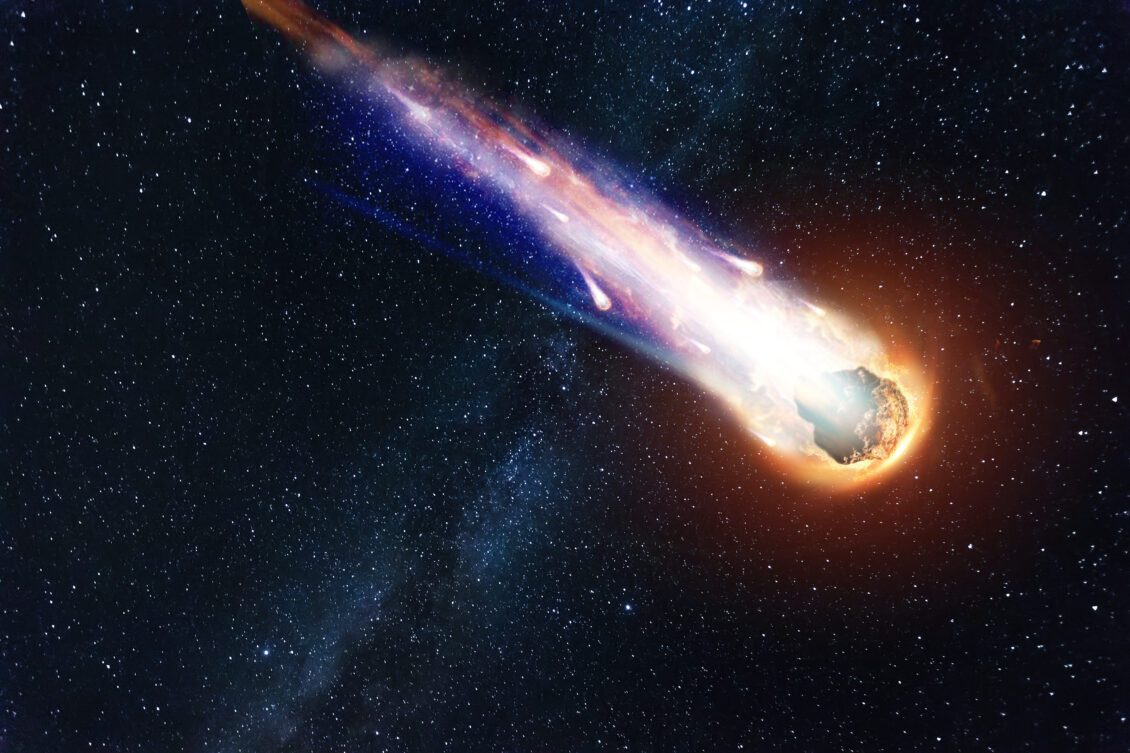
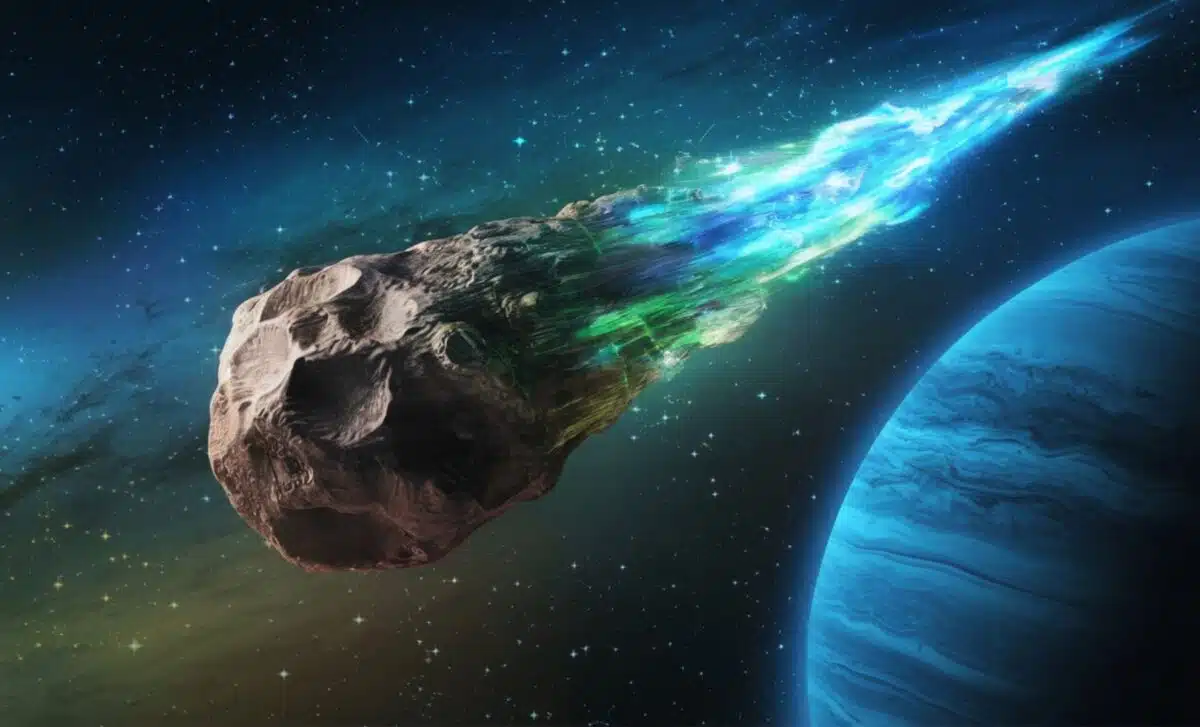
Asteroids often sound scary in movies. We see giant space rocks heading toward Earth and causing disasters. But in real life, the story is much more calm and scientific.
Recently, astrophysicists at Clemson University shared insights about asteroids, what they are, how often they come near Earth, and whether we should actually be worried.
Let’s understand it in a simple and clear way.
What Are Asteroids?
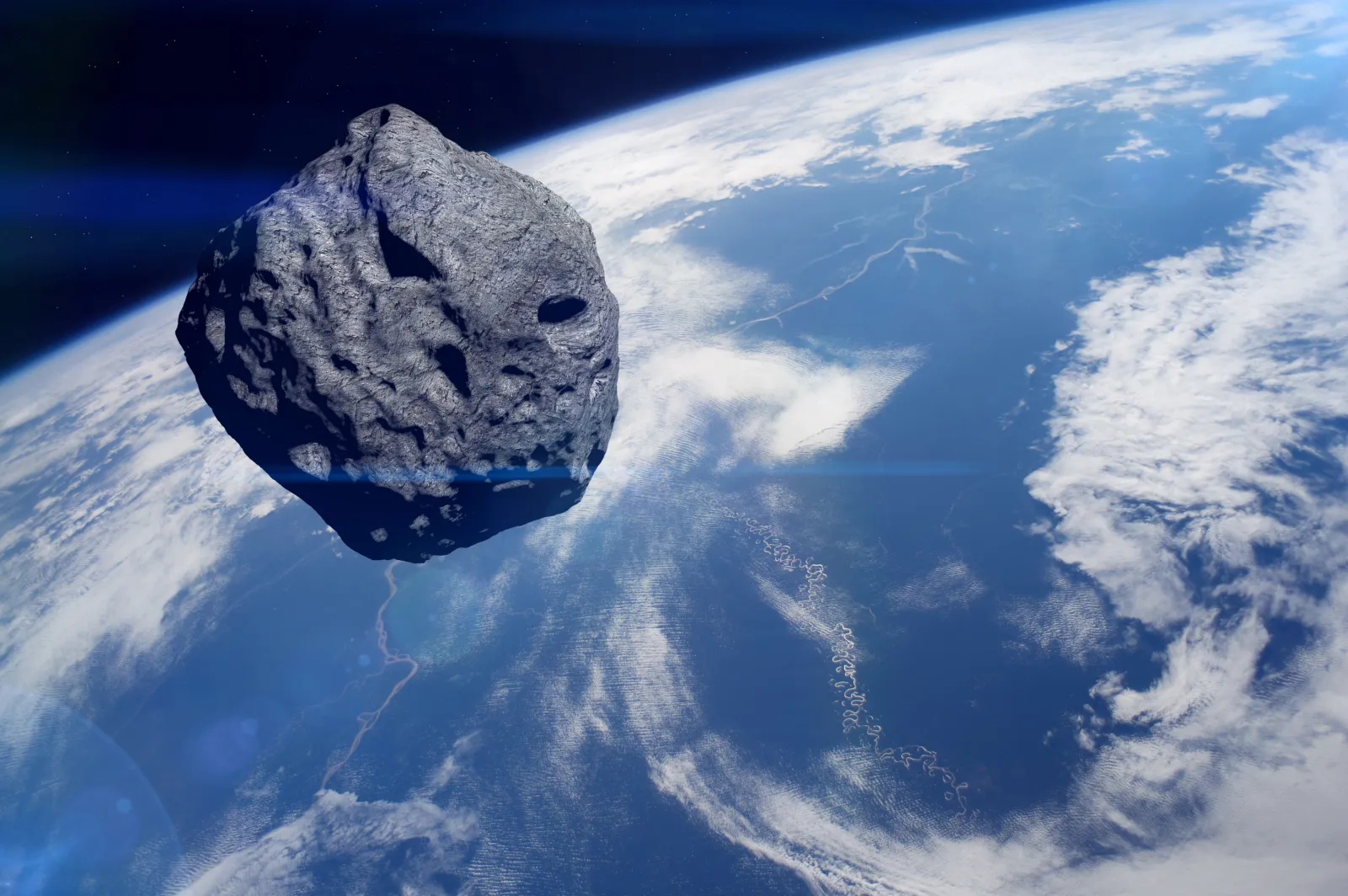
Asteroids are small rocky objects in space. They are leftovers from the early formation of the solar system about 4.6 billion years ago.
They orbit the Sun, just like planets do, but they are much smaller.
Most asteroids are found in the asteroid belt between Mars and Jupiter.
They can be:
- Tiny like a rock
- Or large like a small city
Where Do Asteroids Come From?
Asteroids are leftovers from when the solar system was forming.
When the Sun and planets formed, not all material became part of planets. Some pieces stayed behind. These pieces became asteroids.
They are mostly made of:
- Rock
- Metal
- Ice (in some cases)
Some asteroids are also broken pieces of larger objects that collided long ago.
Types of Asteroids
Scientists classify asteroids into different types:
1. C-type (Carbon-rich)
- Most common type
- Dark in color
- Made of carbon materials
2. S-type (Stony)
- Made of silicate rock
- Brighter than C-type
3. M-type (Metallic)
- Made mostly of metal like iron and nickel
- Very dense
Each type tells scientists something about how the solar system formed.
The Asteroid Belt
The asteroid belt is a region between Mars and Jupiter.
It contains millions of asteroids, but most of the space is empty.
A common myth is that spacecraft cannot pass through it safely. In reality, the asteroids are very far apart from each other.
Do Asteroids Hit Earth?
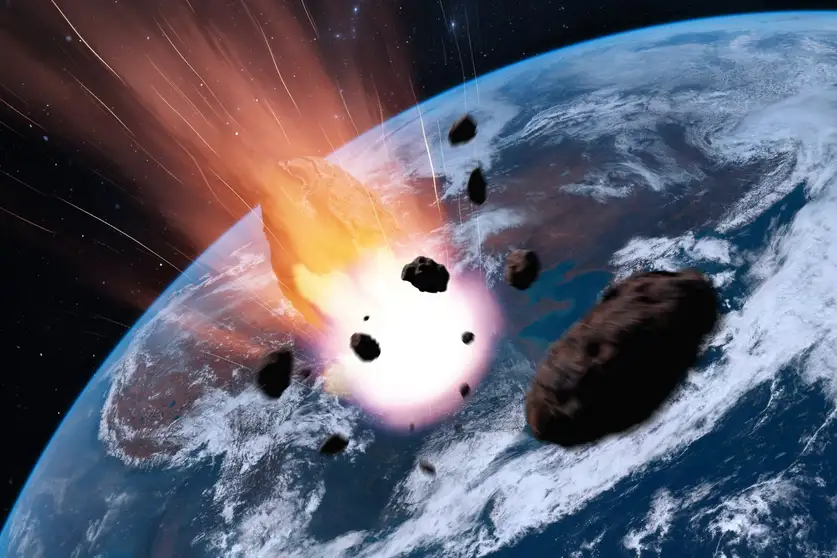
Yes, but not often.
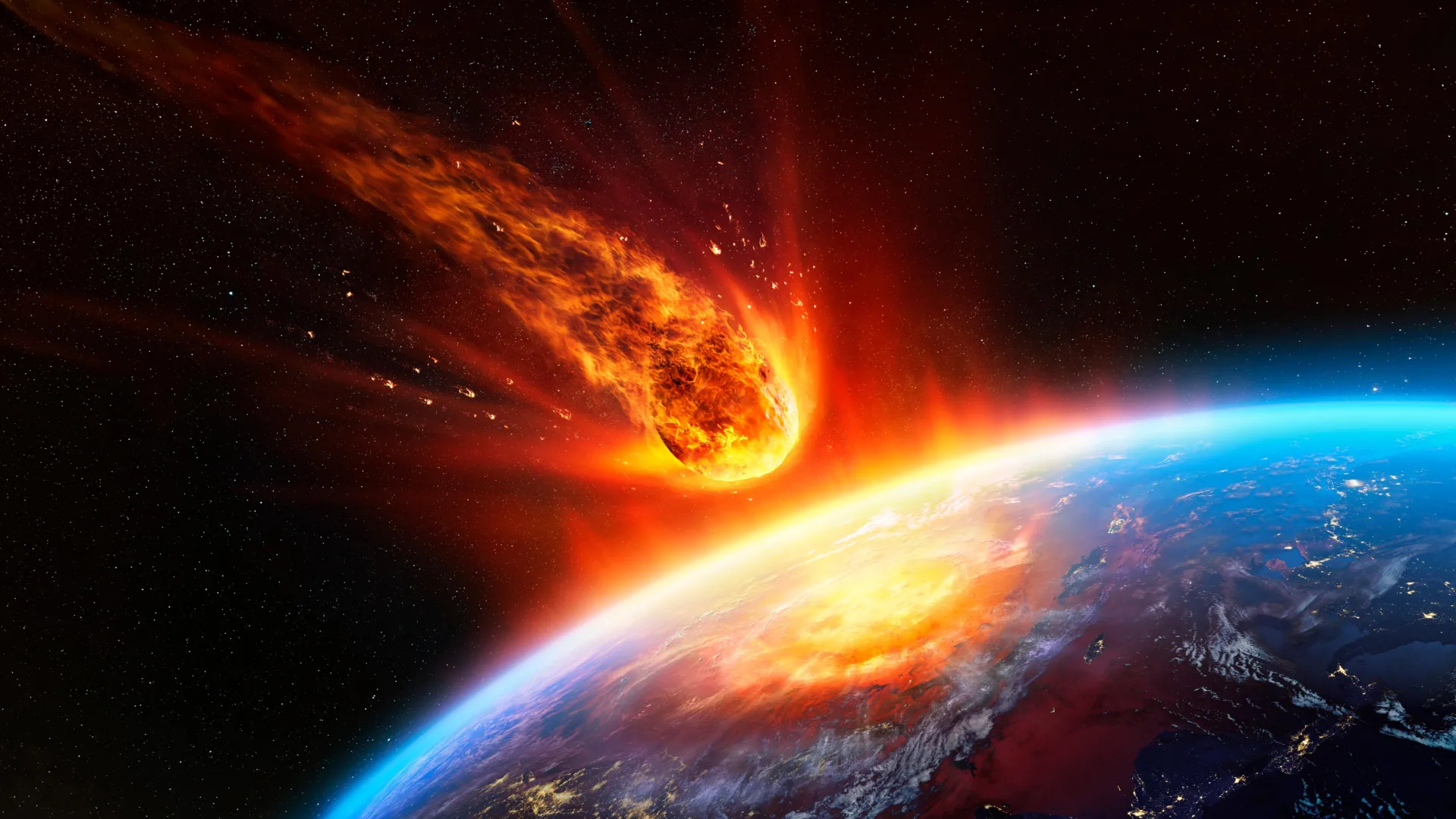
Small asteroids enter Earth’s atmosphere all the time. Most of them burn up before reaching the ground. These are called meteors.
Larger impacts are very rare.
Earth is constantly monitored by scientists to track any dangerous objects.
Near-Earth Objects (NEOs)
Asteroids that come close to Earth are called Near-Earth Objects.
These are carefully tracked by space agencies like NASA.
NEOs include:
- Asteroids
- Some comets
Most of them pass safely without any danger.
What Did Clemson Astrophysicists Say?
Scientists at Clemson University explain that while asteroids are important to study, there is no immediate danger to Earth from any known large asteroid.
They study:
- Asteroid orbits
- Composition
- Risk levels
Their main message is simple: We are safe, but we must stay aware.
Why Do Scientists Study Asteroids?
Asteroids are like time capsules. They have not changed much since the solar system formed.
By studying them, scientists learn:
- How planets formed
- What early space was like
- What materials exist in space
Asteroids can also contain valuable metals and water ice.
Could an Asteroid Hit Earth in the Future?
It is possible, but very unlikely in the near future.
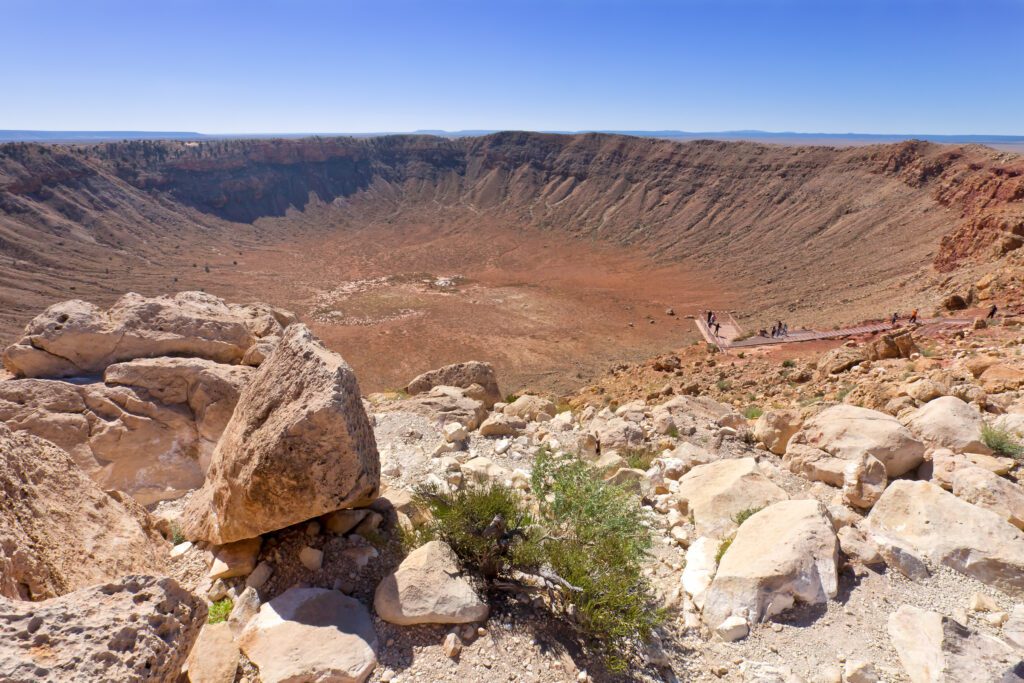
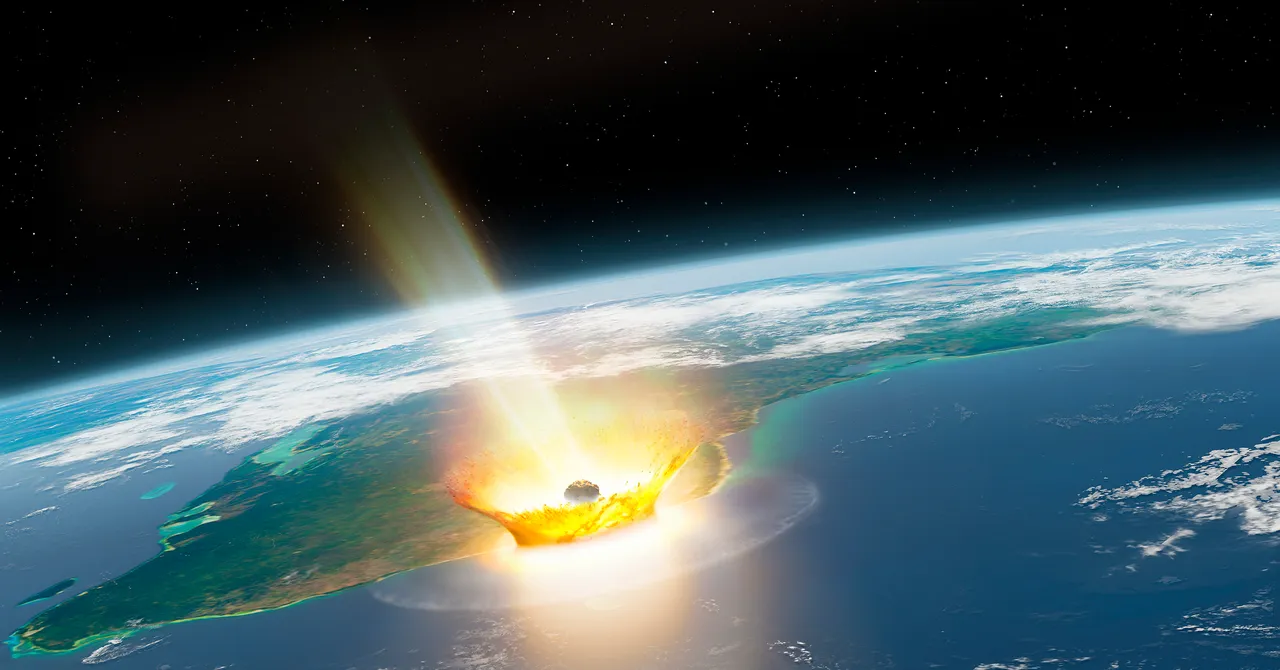
Large impacts happen once in millions of years.
For example:
- Dinosaurs may have been wiped out by a large asteroid millions of years ago
But today, scientists are tracking space objects very closely.
Planetary Defense Systems
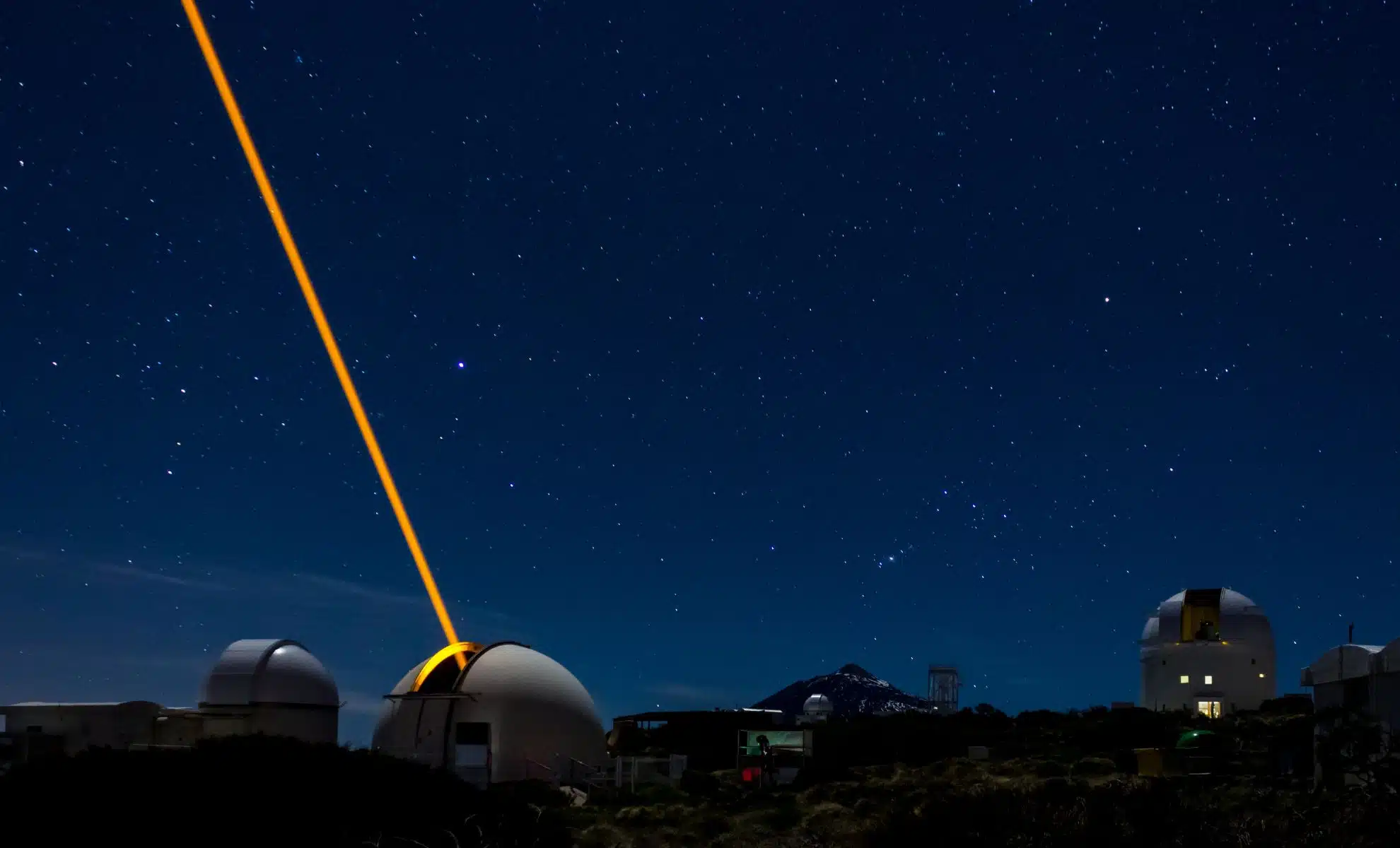
To protect Earth, scientists use special systems to detect and track asteroids.
Organizations like NASA and other global groups monitor space using telescopes.
They:
- Track asteroid paths
- Calculate risks
- Plan possible deflection methods
One method being tested is to gently push asteroids away from Earth if needed.
Famous Asteroid Events
There have been a few notable asteroid events:
- Chelyabinsk meteor (2013) – exploded over Russia, caused damage but no deaths
- Tunguska event (1908) – flattened a large forest in Russia
These events show that small asteroids can still have effects, but large impacts are extremely rare.
What If a Large Asteroid Came?
If a large asteroid were ever found on a collision course, scientists would:
- Track it carefully
- Calculate its exact path
- Try to change its direction early
The earlier it is detected, the easier it is to prevent danger.
Can We See Asteroids?
Most asteroids are too small and far away to see with the naked eye.
But sometimes:
- Bright asteroids can be seen with telescopes
- Space missions visit asteroids directly
For example, spacecraft have landed on or studied asteroids up close.
Space Missions to Asteroids
Scientists have sent missions to study asteroids directly.
These missions help us understand their structure and composition.
Some missions even collect samples and bring them back to Earth.
What Clemson Scientists Say About Asteroids and Earth Safety
Are Asteroids Dangerous or Useful?
Asteroids are both:
Potential Danger:
- Rare impacts can cause damage
Scientific Value:
- Help us understand space history
- May contain useful metals
- Could provide water for future space missions
So they are not just threats—they are also resources.
Why People Worry About Asteroids
Movies and media often show asteroid impacts in dramatic ways. This creates fear.
But real science shows:
- Earth is mostly safe
- Large impacts are extremely rare
- Scientists are constantly monitoring space
The Role of Clemson Research
Research from Clemson University helps improve our understanding of asteroid behavior.
They use:
- Computer simulations
- Telescope data
- Mathematical models
Their goal is to improve prediction and safety.
Future of Asteroid Research
In the future, scientists hope to:
- Better detect small asteroids
- Improve early warning systems
- Send more missions to study them
- Learn how to use asteroid resources
Final Thoughts
Asteroids are part of our solar system’s history. They have been traveling through space for billions of years.
Thanks to scientists at Clemson University and space agencies like NASA, we now understand them better than ever.
The main message is simple:
We don’t need to panic about asteroids, but we should continue studying them and staying prepared.
Space is big, mysterious, and full of surprises—but with science, we are getting safer and smarter every day.
Read Also: Keep your face towards the sunshine and shadows will fall behind you
Watch Also: https://www.youtube.com/@TravelsofTheWorld24





Leave a Reply