
The journey of NASA’s Artemis 1 mission has come to a successful end, marking a huge step forward for human space exploration. After traveling thousands of kilometers through space and spending 25 days on a historic mission around the Moon, the Orion spacecraft safely returned to Earth, splashing down in the Pacific Ocean off the coast of California. This mission is not just a test flight—it’s the beginning of a new era that could soon take humans back to the Moon and even beyond.
What Was Artemis 1?
Artemis 1 was the first mission in NASA’s Artemis program. Unlike earlier missions like Apollo 11, this flight did not carry astronauts. Instead, it was designed to test systems, technology, and the spacecraft itself to make sure everything works perfectly before humans are sent on future missions.
The main goal was simple: send the Orion spacecraft far into space, let it orbit the Moon, and bring it safely back to Earth. Sounds easy—but in reality, this mission was extremely complex and required years of planning and preparation.
The Launch That Started It All
The mission began with the powerful Space Launch System (SLS), the most powerful rocket NASA has ever built. It launched Orion into space with massive force, sending it on a path toward the Moon.
The launch itself was a big moment. After several delays due to weather and technical checks, the rocket finally lifted off, lighting up the sky and capturing global attention. Millions of people watched as the mission officially began.
Orion’s Journey Around the Moon
Once in space, the Orion spacecraft traveled farther than any spacecraft built for humans has ever gone. It went beyond the Moon and entered a distant retrograde orbit, which means it circled the Moon at a very far distance.
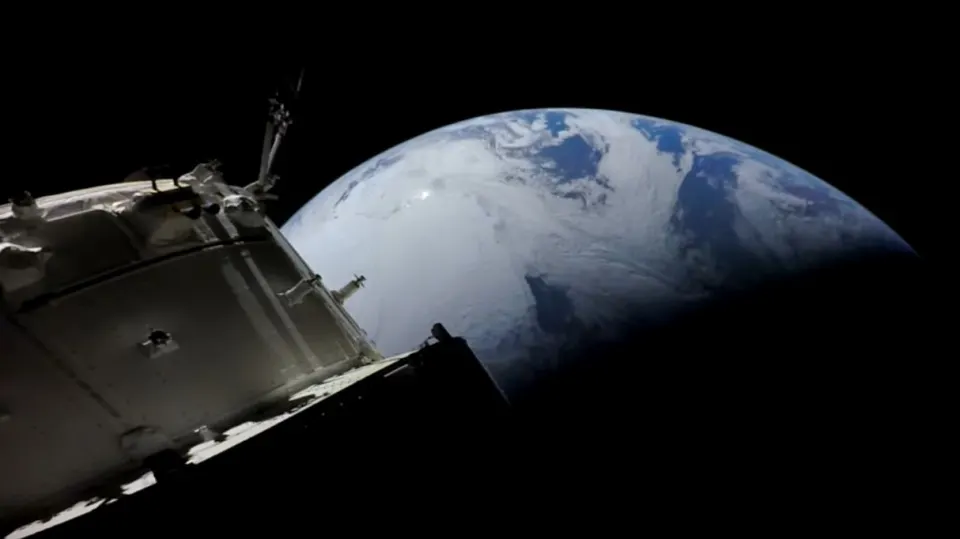
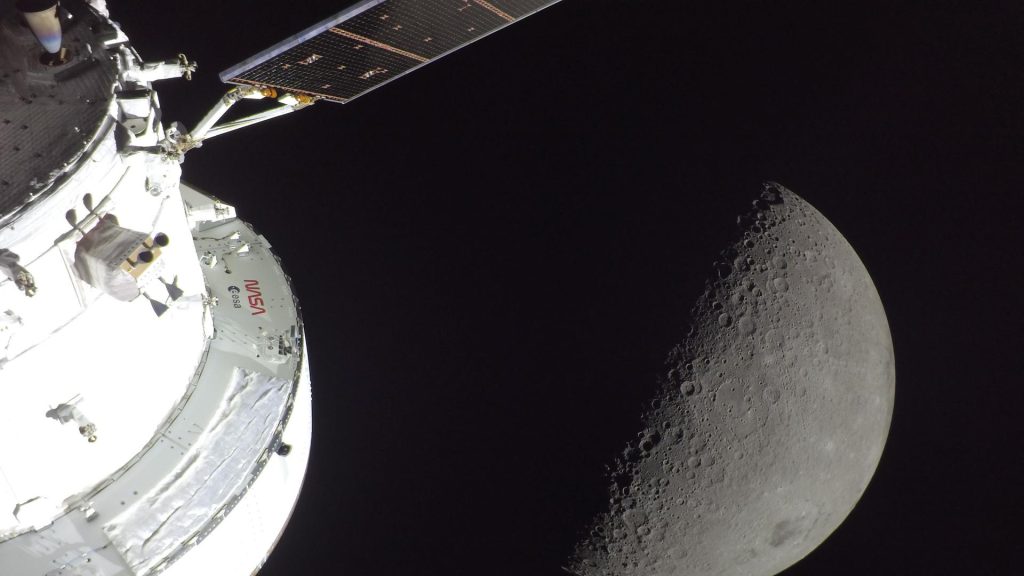
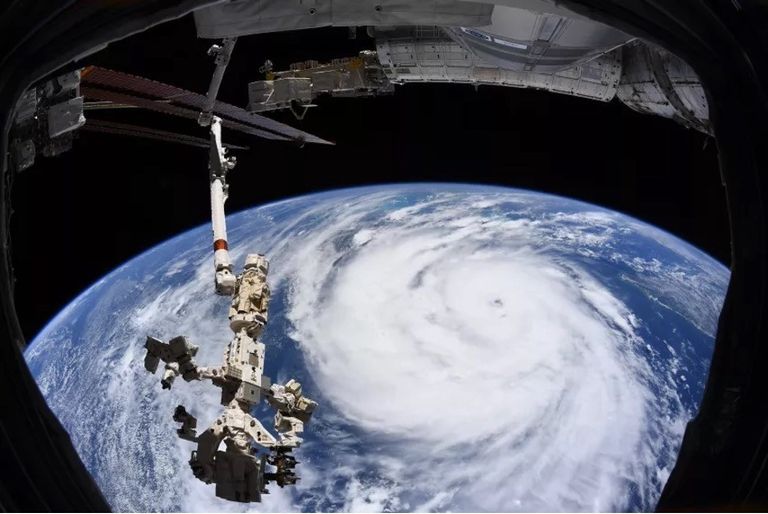
During its journey, Orion sent back stunning live images of Earth and the Moon. These photos showed our planet as a small blue dot floating in darkness—a powerful reminder of how vast space really is.
The spacecraft also carried mannequins instead of astronauts. These mannequins were equipped with sensors to measure radiation, temperature, and other conditions that future astronauts might face. This data is extremely important for keeping humans safe on upcoming missions.
The 25-Day Mission: What Happened in Space?
Over the course of 25 days, Artemis 1 completed several key tasks:
- Tested navigation systems in deep space
- Measured radiation exposure levels
- Checked life-support systems (even without humans onboard)
- Collected valuable data for future missions
- Captured high-quality images and videos
Every single day, scientists and engineers carefully monitored the spacecraft from Earth. The mission was not just about reaching the Moon—it was about learning everything needed to send humans safely.
The Return Journey
After completing its orbit around the Moon, Orion began its journey back to Earth. This phase is just as important as the trip to space because re-entry into Earth’s atmosphere is extremely dangerous.
The spacecraft had to survive temperatures of around 2,800°C (over 5,000°F) as it entered the atmosphere at high speed. Its heat shield—the largest ever built—was tested under extreme conditions.
Splashdown Off California
Finally, after traveling over 2 million kilometers, Orion safely landed in the Pacific Ocean off the coast of California. This moment is called a “splashdown.”
Recovery teams were already waiting. Ships and helicopters quickly reached the capsule, secured it, and safely brought it aboard a recovery vessel.
The successful splashdown proved that the spacecraft can safely return astronauts in the future.
NASA’s Orion Splashdown Ends Epic 25-Day Journey Around the Moon
Live Photos That Captured the World
One of the most exciting parts of the mission was the live images shared by NASA. These photos included:
- Earth rising behind the Moon
- The Moon’s surface in incredible detail
- Deep space views never seen before
- Orion floating in space with Earth in the background
These images quickly went viral online. People around the world were amazed by the beauty of space and the success of the mission.
Why Artemis 1 Matters
You might wonder—why is this mission such a big deal?
The answer is simple: it’s the foundation for everything that comes next.
Artemis 1 proved that:
- The SLS rocket works
- Orion can travel safely in deep space
- The spacecraft can survive extreme conditions
- Safe return to Earth is possible
Without this mission, future human space missions would not be possible.
What’s Next? Artemis 2 and Beyond
The next step is Artemis 2. This mission will carry astronauts around the Moon for the first time since the Apollo era.
After that comes Artemis 3, which aims to land humans on the Moon again—possibly including the first woman and the first person of color to step on the lunar surface.
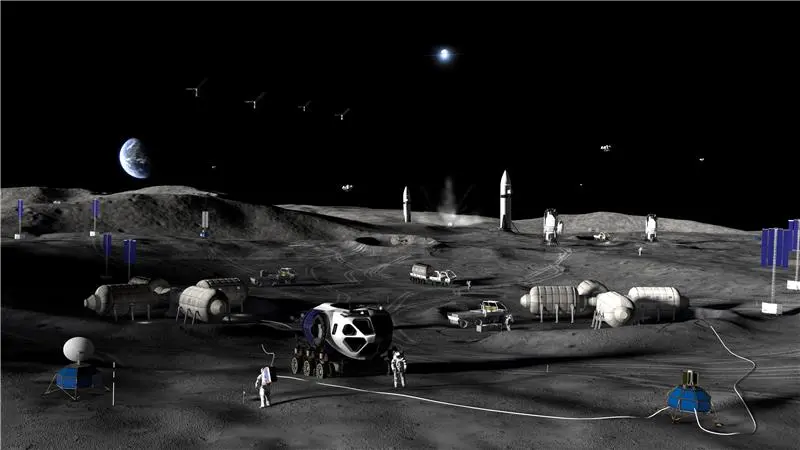
NASA also plans to build a permanent human presence on the Moon. This includes:
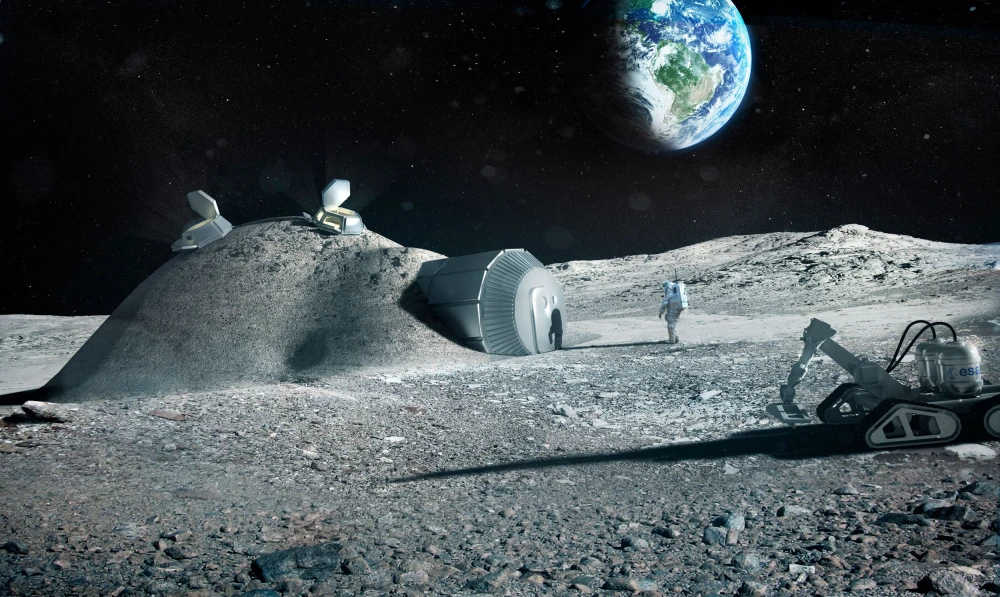
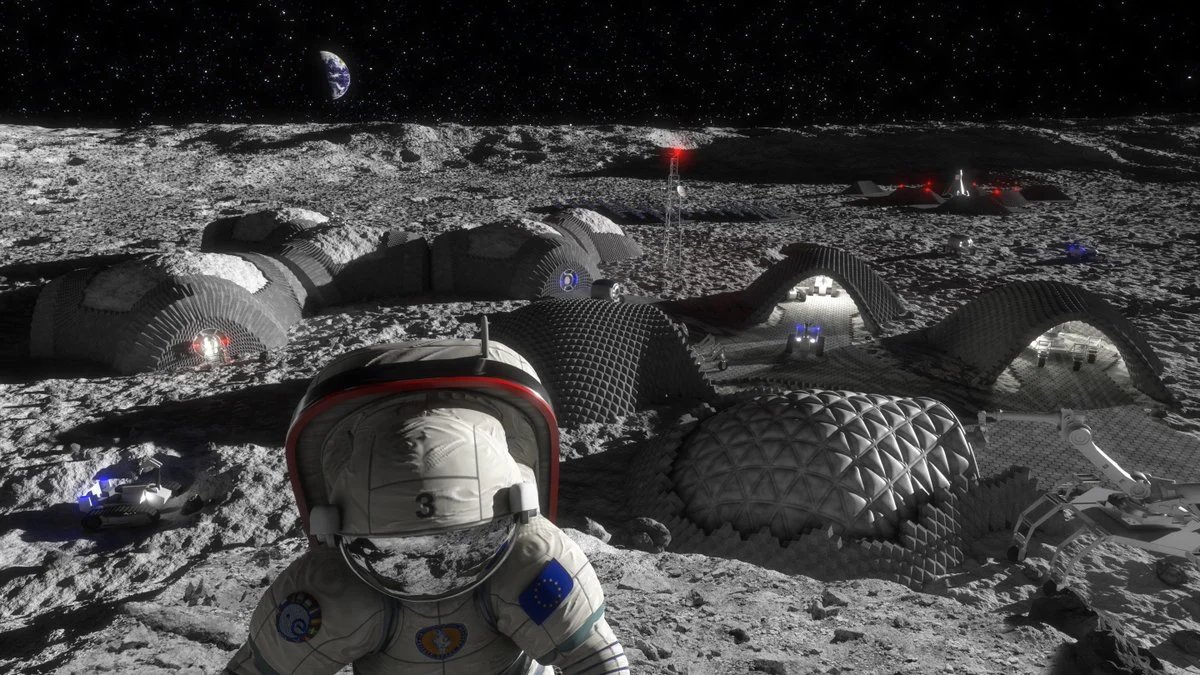
- Lunar bases
- Space stations orbiting the Moon (Gateway)
- Long-term missions
All of this could help prepare for future missions to Mars.
A New Era of Space Exploration
Artemis 1 is more than just a mission—it’s the start of a new chapter in space exploration. Unlike the past, this time NASA is working with international partners and private companies to make space travel more advanced and more accessible.
This mission also inspires a new generation. Kids and students around the world are watching and dreaming of becoming astronauts, engineers, and scientists.
Final Thoughts
The successful completion of Artemis 1 shows what humans can achieve with determination, technology, and teamwork. From launch to lunar orbit to splashdown, everything worked almost perfectly.
It’s exciting to think that in just a few years, humans could once again walk on the Moon—and this time, they might stay longer.
And it all started with this 25-day journey.










Leave a Reply