
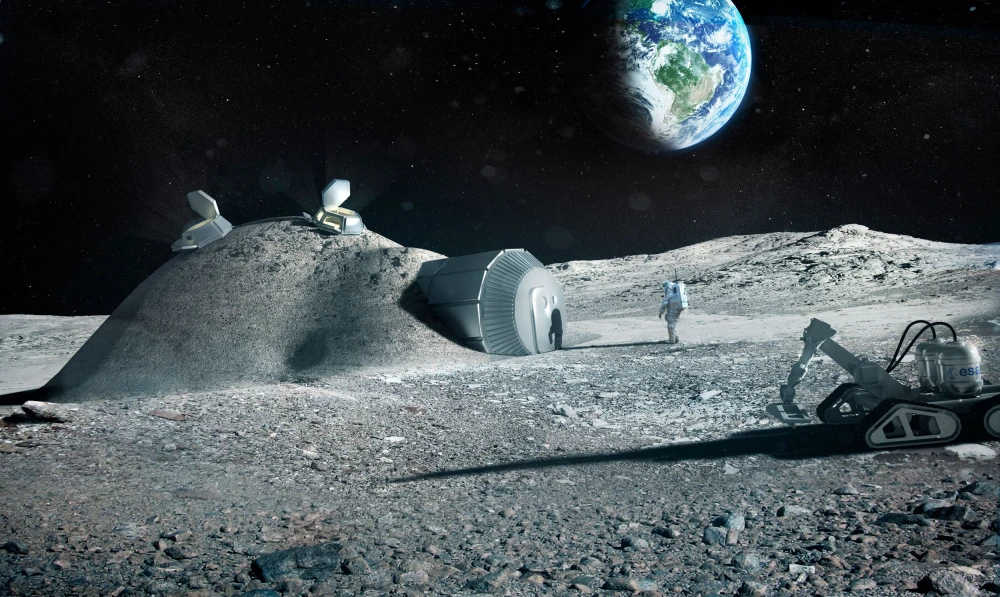
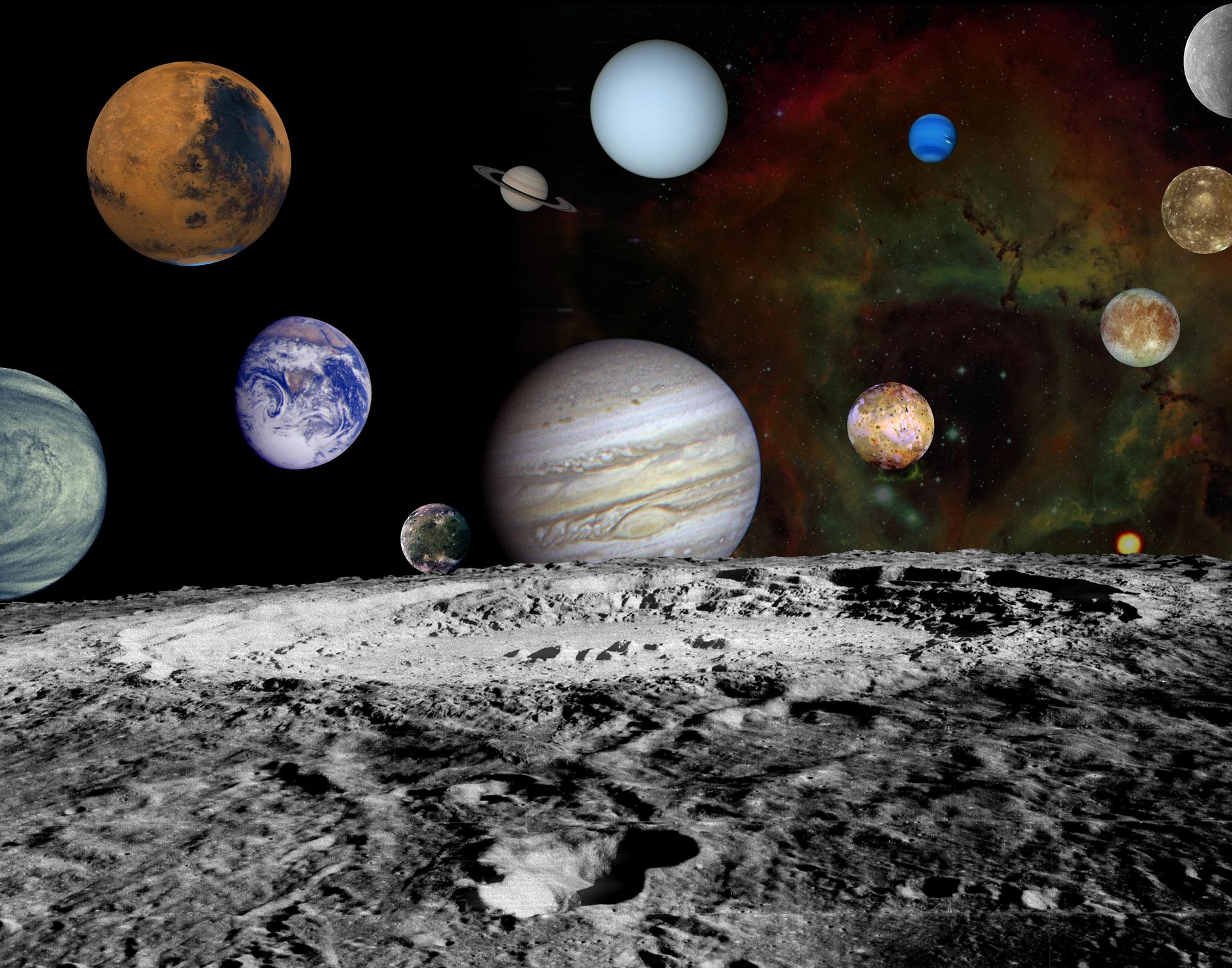
The Moon is no longer just a place we look at from Earth. It is becoming the center of a new global space race. This time, it is not only about landing astronauts on the surface. The real goal is much bigger — building a long-term human presence there.
At the heart of this effort is NASA, which has laid out ambitious plans to return humans to the Moon and stay there. But NASA is not alone anymore. Other countries and private companies are moving fast, turning lunar exploration into a serious competition.
So what exactly are NASA’s plans? And who is competing with them? Let’s break it down in a simple and clear way.
Why the Moon Matters Again
For many years after the Apollo missions, the Moon was not a top priority. But now things have changed.
The Moon is important because:
- It is close to Earth
- It can help us prepare for Mars missions
- It has valuable resources like water ice
- It can support scientific research
- It can become a base for deeper space travel
In simple terms, the Moon is like a “training ground” for everything humans want to do in space next.
NASA’s Big Vision for the Moon
NASA’s plan for the Moon is part of a bigger program called Artemis.
The Artemis program has three main goals:
1. Return Humans to the Moon
NASA plans to send astronauts back to the lunar surface after more than 50 years. The goal is not just a short visit, but a real landing near the Moon’s south pole.
This region is important because it may contain frozen water inside deep craters.
2. Build a Long-Term Presence
NASA does not want to just land and leave. The goal is to build a sustainable base.
This future lunar base may include:
- Living modules for astronauts
- Power systems using solar energy
- Scientific labs
- Storage and communication systems
This will allow astronauts to stay for weeks or even months.
3. Prepare for Mars
The Moon will act as a stepping stone for Mars missions. NASA wants to test:
- New spacecraft systems
- Life support technology
- Long-distance space travel methods
If everything works on the Moon, it becomes easier to go to Mars.
Key Parts of NASA’s Lunar Plan
NASA is not doing everything alone. It is working with several systems and programs.
Artemis Missions
The Artemis missions will gradually send astronauts back to the Moon.
These missions will:
- Test new rockets
- Land astronauts on the Moon
- Build early base structures
Space Launch System (SLS)
NASA is building a powerful rocket called the Space Launch System. It is designed to carry astronauts and heavy equipment beyond Earth.
Orion Spacecraft
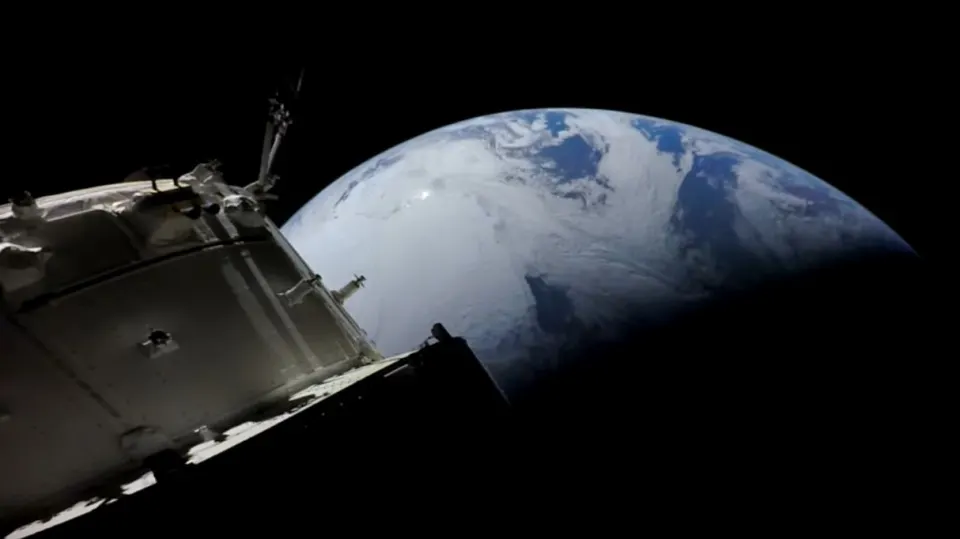
The Orion spacecraft will carry astronauts safely to the Moon and back. It is built for deep space travel.
Lunar Gateway
NASA also plans to build a small space station around the Moon called the Lunar Gateway. It will act as a stopping point before landing on the surface.
The Big Competition Begins
NASA is not alone in this mission. Several strong competitors are working toward their own lunar goals.
China’s Rapid Progress
One of the biggest competitors is China National Space Administration (CNSA).
China has made major progress in space, including:
- Landing robotic missions on the Moon
- Collecting lunar soil samples
- Building its own space station in orbit
China has also announced plans for a Moon base in collaboration with other partners in the future.
What makes China a strong competitor:
- Fast development speed
- Strong government support
- Long-term planning
China is aiming to become a leading space power, and the Moon is a key part of that strategy.
SpaceX and the Private Space Revolution
Another major player is SpaceX.
Unlike government agencies, SpaceX is a private company. But it is changing space exploration in a big way.
SpaceX is building Starship, a massive reusable rocket designed to:
- Carry astronauts to the Moon
- Deliver heavy cargo
- Reduce the cost of space travel
- Eventually reach Mars
SpaceX is also working with NASA for lunar missions. In fact, its spacecraft is planned to help land astronauts on the Moon.
This partnership between NASA and SpaceX is very important for future Moon missions.
Europe’s Role in the Moon Race
The European Space Agency (ESA) is also a key partner.
ESA is not leading the race, but it is helping by:
- Building modules for spacecraft
- Supporting lunar mission systems
- Conducting scientific research
Europe plays a strong supporting role in NASA’s lunar plans.
India’s Growing Space Ambition
The Indian Space Research Organisation (ISRO) is also becoming more active in lunar exploration.
India has achieved important milestones such as:
- Landing near the Moon’s south pole
- Developing low-cost space missions
- Expanding scientific research in space
India is not directly competing to build the first Moon base, but it could become a major partner in future missions.
Where Will Humans Build the First Base?
Most space agencies agree on one location: the Moon’s south pole.
Why this place?
- It contains water ice
- It has areas with constant sunlight
- It is useful for energy and fuel production
This makes it one of the best locations for a long-term base.
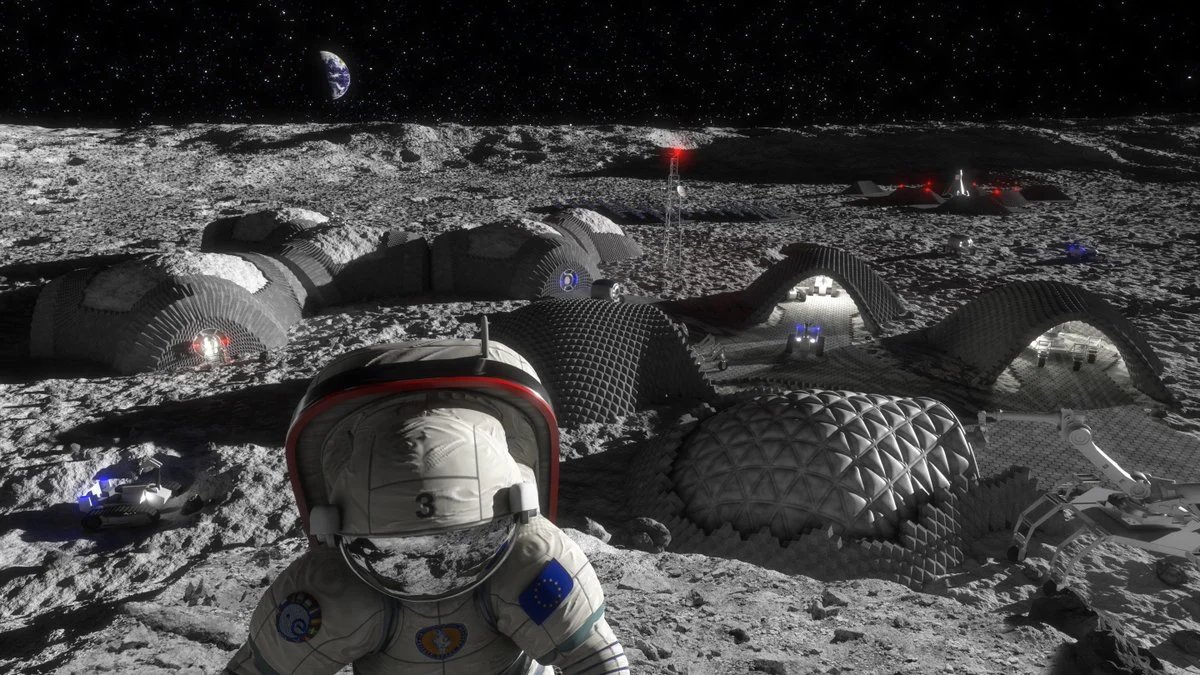
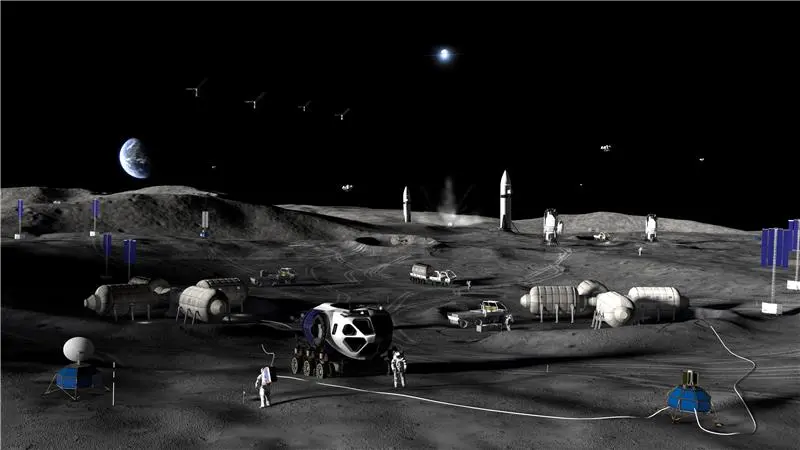
What Will a Moon Base Look Like?
At the beginning, a Moon base will be small and simple.
It may include:
- Small living spaces for astronauts
- Research labs
- Solar panels for energy
- Communication systems
- Storage units
Over time, it could grow into a larger settlement.
But it will still be very different from Earth. Life there will be difficult and highly controlled.
Biggest Challenges
Building a Moon base is not easy. There are many problems to solve.
1. No Air
Astronauts need sealed environments to survive.
2. Extreme Temperatures
The Moon has very hot and very cold conditions.
3. Radiation
Without atmosphere, radiation is a big danger.
4. Distance from Earth
Help from Earth takes time, so systems must be very reliable.
5. High Cost
Space missions require billions of dollars.
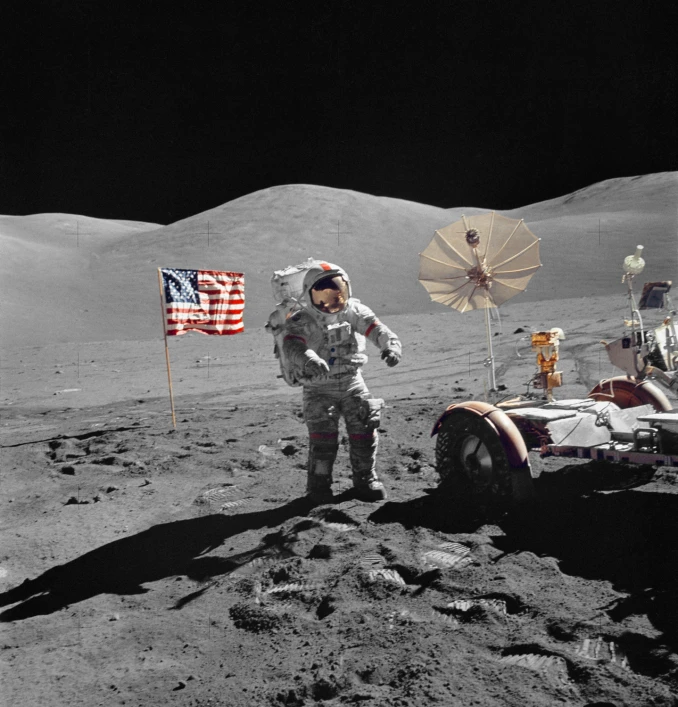
Who Will Win the Moon Race? NASA vs China and SpaceX Explained
Who Is Ahead in the Race?
Right now, the competition is very close.
NASA’s Advantage:
- Strong experience
- Artemis program already in progress
- Partnerships with private companies
China’s Advantage:
- Fast progress
- Strong long-term space strategy
SpaceX’s Role:
- Innovative rocket technology
- Lower cost missions
- Close partnership with NASA
So, the situation is not simple. But many experts believe:
NASA currently has a small lead
China is quickly catching up
SpaceX is speeding up the entire race
Could the Moon Become a Shared Base?
Yes, and this is a strong possibility.
Instead of one country winning alone, we may see:
- International cooperation
- Shared research stations
- Joint missions between countries
Space is becoming more connected, and teamwork may play a big role in the future.
Why This Competition Matters
This Moon race is not just about pride or politics.
It matters because it will:
- Shape future space travel
- Help humans reach Mars
- Create new technologies
- Expand scientific knowledge
- Improve life on Earth through innovation
The Moon could become the first step toward a future where humans live beyond Earth.
Final Thoughts
NASA’s plans for the Moon are big and ambitious. But the competition is also strong and growing.
With countries like China and companies like SpaceX pushing forward, the Moon has become the center of a new space race.
In the end, this race is not just about who gets there first. It is about who can build something lasting.
And very soon, the Moon may no longer be just a distant object in the sky — it may become humanity’s next home in space.
Read Also: Keep your face towards the sunshine and shadows will fall behind you
Watch Also: https://www.youtube.com/@TravelsofTheWorld24









Leave a Reply