
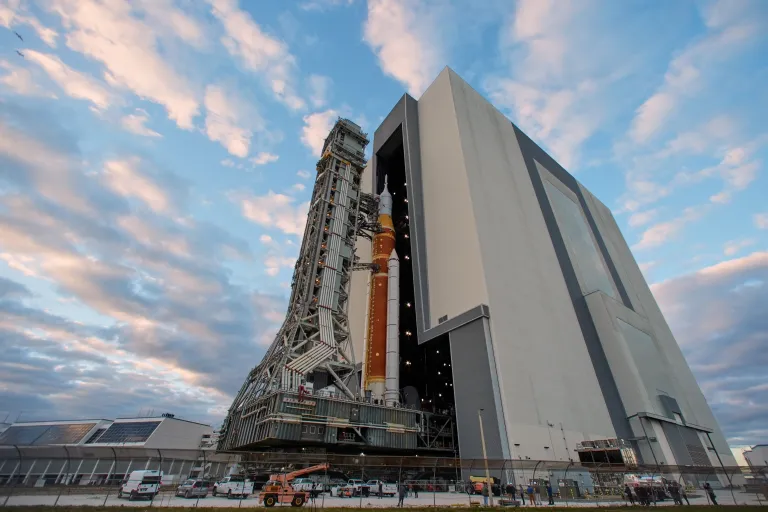
Space is exciting, and the Artemis mission by NASA is one of the most ambitious projects in years. On Kristen’s Classroom, students and space enthusiasts get a unique look at what goes on behind the scenes. This mission isn’t just about going to the Moon—it’s about learning, inspiring, and preparing for the future of human space exploration.
Let’s explore everything in a simple and easy-to-understand way.
What Is the Artemis Mission?
The Artemis mission is NASA’s plan to send humans back to the Moon for the first time in decades.
Main Goals:
- Land the first woman and next man on the Moon
- Build sustainable exploration systems on the lunar surface
- Test technology for future deep space missions, including Mars
- Inspire students and the public through education programs
Artemis is not just a single trip—it’s a series of missions that will continue for years, expanding our understanding of space.
Kristen’s Classroom and Artemis
Kristen’s Classroom is an educational platform that explains NASA missions in simple ways for students. It provides:
- Videos and live coverage of launches
- Behind-the-scenes looks at spacecraft and rockets
- Interactive lessons about space science
- Updates on astronauts and space experiments
By connecting students to Artemis, Kristen’s Classroom helps make space exploration exciting and understandable.
The Role of Orion Spacecraft
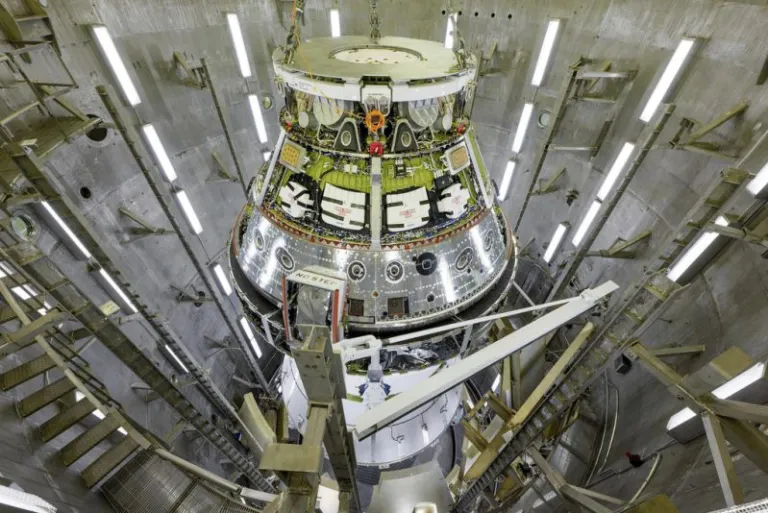
The Orion spacecraft is central to Artemis missions.
Key Features:
- Carries astronauts safely to the Moon and back
- Advanced life support and navigation systems
- Comfortable space for the crew during long journeys
- Strong heat shield for safe re-entry into Earth’s atmosphere
In Kristen’s Classroom, students can see detailed explanations of how Orion works, including its design and safety systems.
The Space Launch System (SLS)
To get Orion and astronauts into space, NASA uses the Space Launch System (SLS) rocket.
Why It Matters:
- One of the most powerful rockets ever built
- Can lift heavy payloads for deep space missions
- Designed for reliability and long-duration missions
Kristen’s Classroom shows animations and simulations of the SLS launch, helping students visualize the power of these rockets.
Artemis Mission Timeline
Here’s a simple look at how Artemis missions unfold:
- Test Flights – Uncrewed missions test spacecraft systems.
- Crewed Orbits – Astronauts practice traveling around the Moon.
- Moon Landing – Astronauts land and explore the lunar surface.
- Sustainable Operations – Build systems for longer stays.
- Future Missions – Use lessons learned for Mars and deep space exploration.
Kristen’s Classroom breaks each step into easy-to-understand lessons for students of all ages.
Science and Experiments on Artemis
Artemis missions aren’t just about reaching the Moon—they also bring science and research.
Examples of Experiments:
- Lunar geology and soil studies
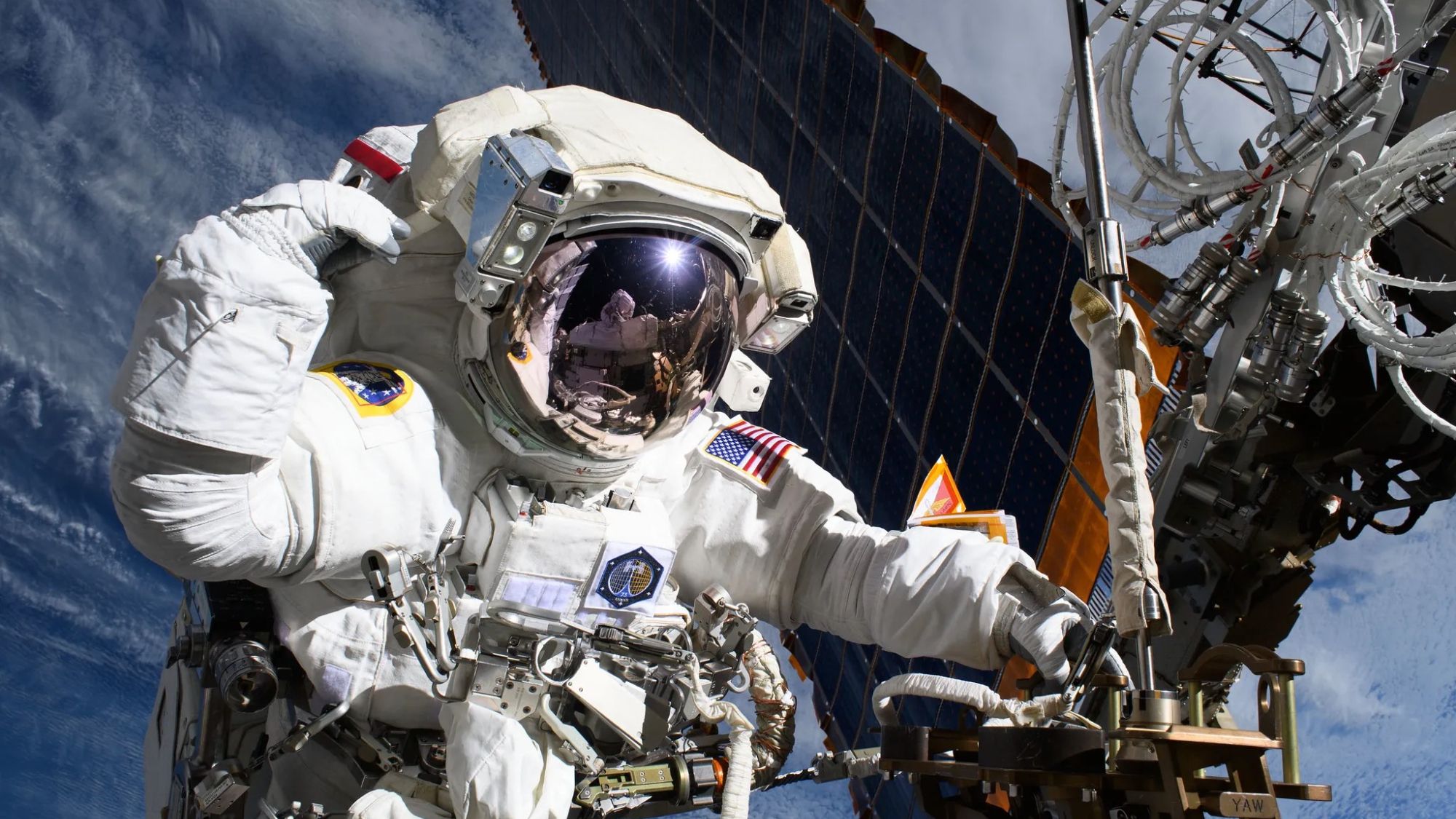
- Testing new spacesuits and tools
- Observing the Moon’s environment for human safety
- Conducting experiments in microgravity conditions
Students can follow these experiments in real-time through Kristen’s Classroom, which makes science more relatable.
Artemis vs. Apollo Missions
It’s helpful to see how Artemis differs from the old Apollo missions.
Apollo Missions:
- Short visits to the Moon
- Limited technology
- Few opportunities for extended research
Artemis Missions:
- Longer, sustainable missions
- Advanced spacecraft and life support
- Focus on building infrastructure and conducting ongoing research
Kristen’s Classroom emphasizes these differences with visual explanations that make learning fun.
International Collaboration
Artemis is not just a NASA effort. It includes contributions from many countries.
Partners Include:
- European Space Agency (ESA)
- Japan Aerospace Exploration Agency (JAXA)
- Canadian Space Agency (CSA)
- Other international partners
Collaboration ensures expertise, resources, and knowledge are shared, increasing the success of each mission.
Safety and Technology
Safety is the top priority for Artemis. NASA continuously improves technology to protect astronauts.
Key Safety Measures:
- Redundant life-support systems
- Real-time health monitoring
- Emergency protocols for space and lunar surface
- Testing of rockets and spacecraft before missions
Kristen’s Classroom shows how these safety measures work, helping students understand why space travel requires careful planning.
Inside NASA’s Artemis Mission on Kristen’s Classroom
Public Engagement and Learning
NASA and Kristen’s Classroom make it easy for students and the public to engage with Artemis.
- Live launch coverage and commentary
- Virtual tours of spacecraft and rockets
- Q&A sessions with astronauts and scientists
- Educational activities about space science
These efforts inspire curiosity and help students see how science and technology connect to real-world missions.
Artemis Mission Challenges
Even with advanced technology, Artemis faces challenges:
- Technical Complexity – Launching humans to the Moon requires precise engineering.
- Budget and Funding – Missions are expensive and require careful planning.
- Coordination with Partners – International collaboration requires smooth communication.
- Timing and Weather – Launches depend on exact timing and safe weather conditions.
Kristen’s Classroom explains these challenges in ways that students can relate to, making complex topics easy to grasp.
Future of Artemis
Artemis is just the beginning. NASA plans:
- Longer stays on the Moon
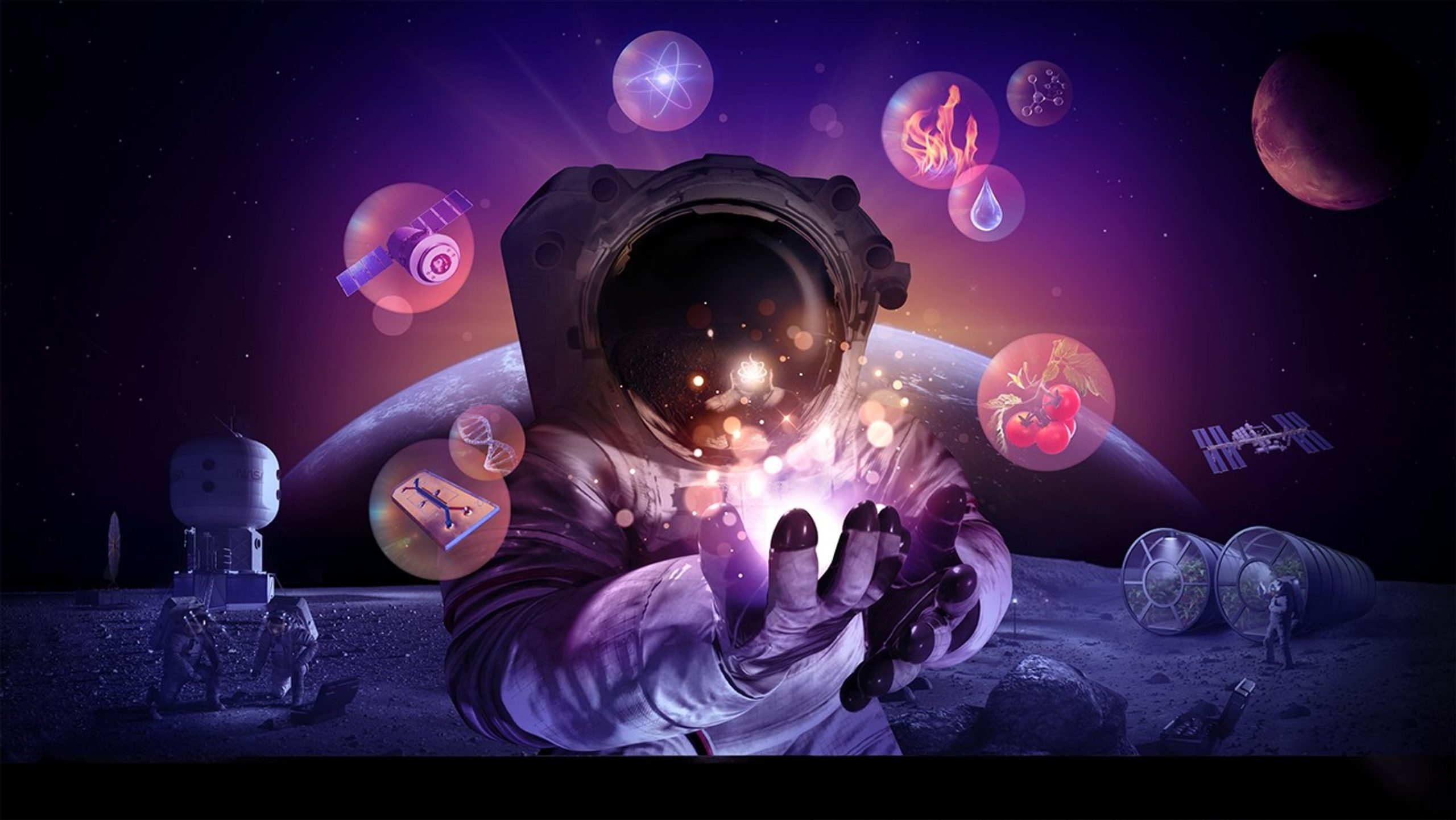
- Building lunar habitats and sustainable systems
- Using the Moon as a stepping stone for Mars missions
- Developing advanced technology for deep space exploration
By following Artemis on Kristen’s Classroom, students can track progress and understand how each mission builds toward bigger goals.
Inspiration for Students
Artemis missions encourage young people to consider careers in:
- Science
- Technology
- Engineering
- Mathematics (STEM fields)
Kristen’s Classroom brings space missions to life, showing students that careers in space exploration are real and achievable.
The Role of Education in Space Missions
Education plays a key role in Artemis missions. NASA and platforms like Kristen’s Classroom:
- Engage students early in science and technology
- Show how teamwork and innovation solve problems
- Encourage critical thinking and curiosity
- Inspire the next generation of astronauts and engineers
By making space exploration accessible, students feel part of the mission.
Public Interest and Engagement
The Artemis program captures global attention.
- Millions watch live launches and docking operations
- Social media shares updates and behind-the-scenes content
- People of all ages learn about science in a fun way
Kristen’s Classroom helps translate these events into lessons that are easy to understand.
Why Artemis Matters for Humanity
The Artemis mission is about more than just reaching the Moon:
- It advances science and technology
- It strengthens international cooperation in space
- It prepares humans for deeper space exploration
- It inspires curiosity and learning for generations
This mission shows how human ambition and knowledge can expand the limits of what’s possible.
Final Thoughts
NASA’s Artemis mission, showcased on Kristen’s Classroom, provides a unique window into the world of space exploration. By combining technology, research, international cooperation, and education, Artemis sets the stage for the future of human spaceflight.
Students, educators, and the public can learn how astronauts travel safely, how experiments are conducted, and how every mission builds toward larger goals, like Mars exploration. Kristen’s Classroom brings these lessons to life, making space exciting and accessible for everyone.
The Artemis program reminds us that space exploration is a journey, not a single event—and that each mission is a step toward understanding our place in the universe.
Read Also: Keep your face towards the sunshine and shadows will fall behind you
Watch Also: https://www.youtube.com/@TravelsofTheWorld24









Leave a Reply