
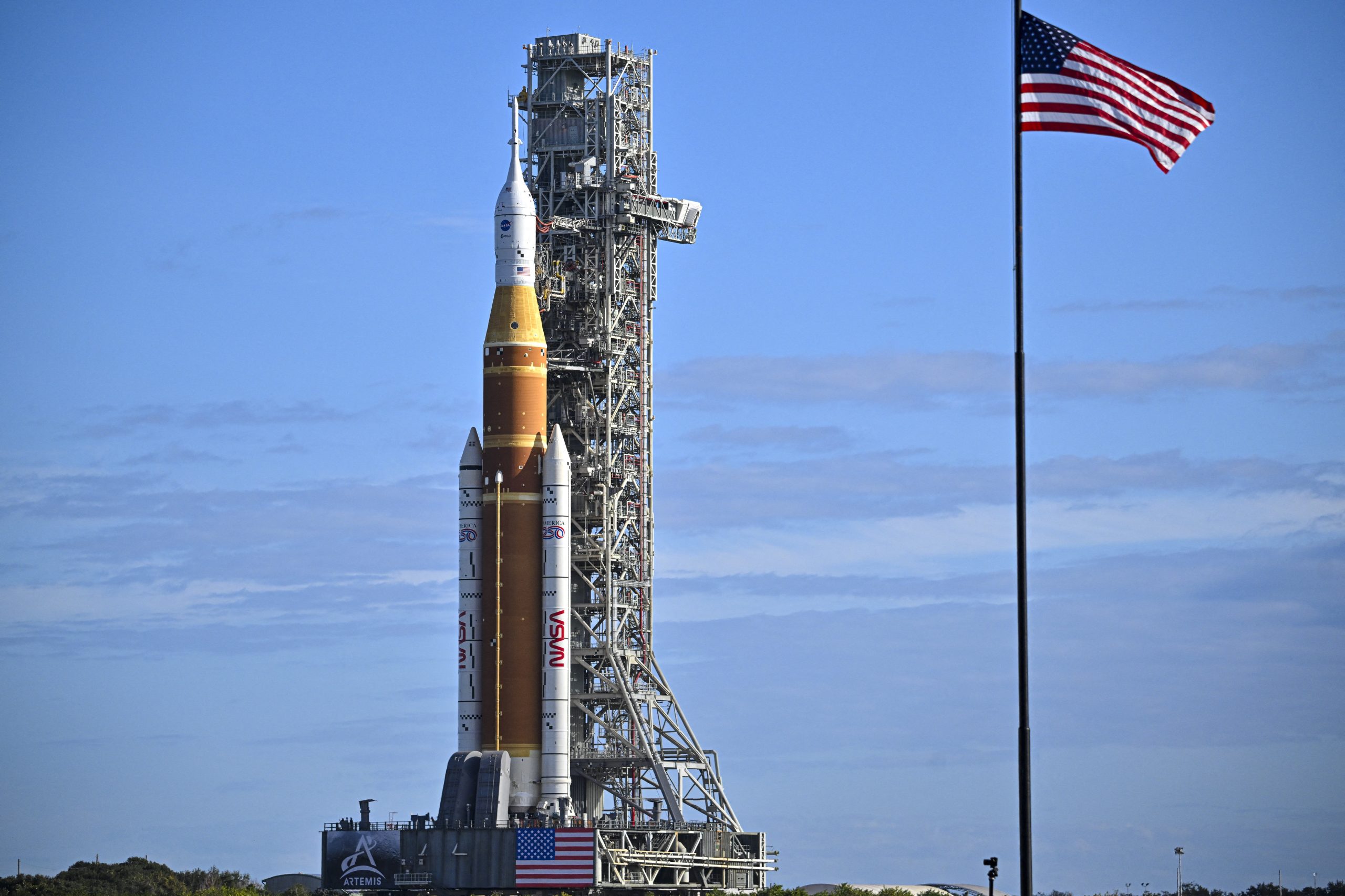
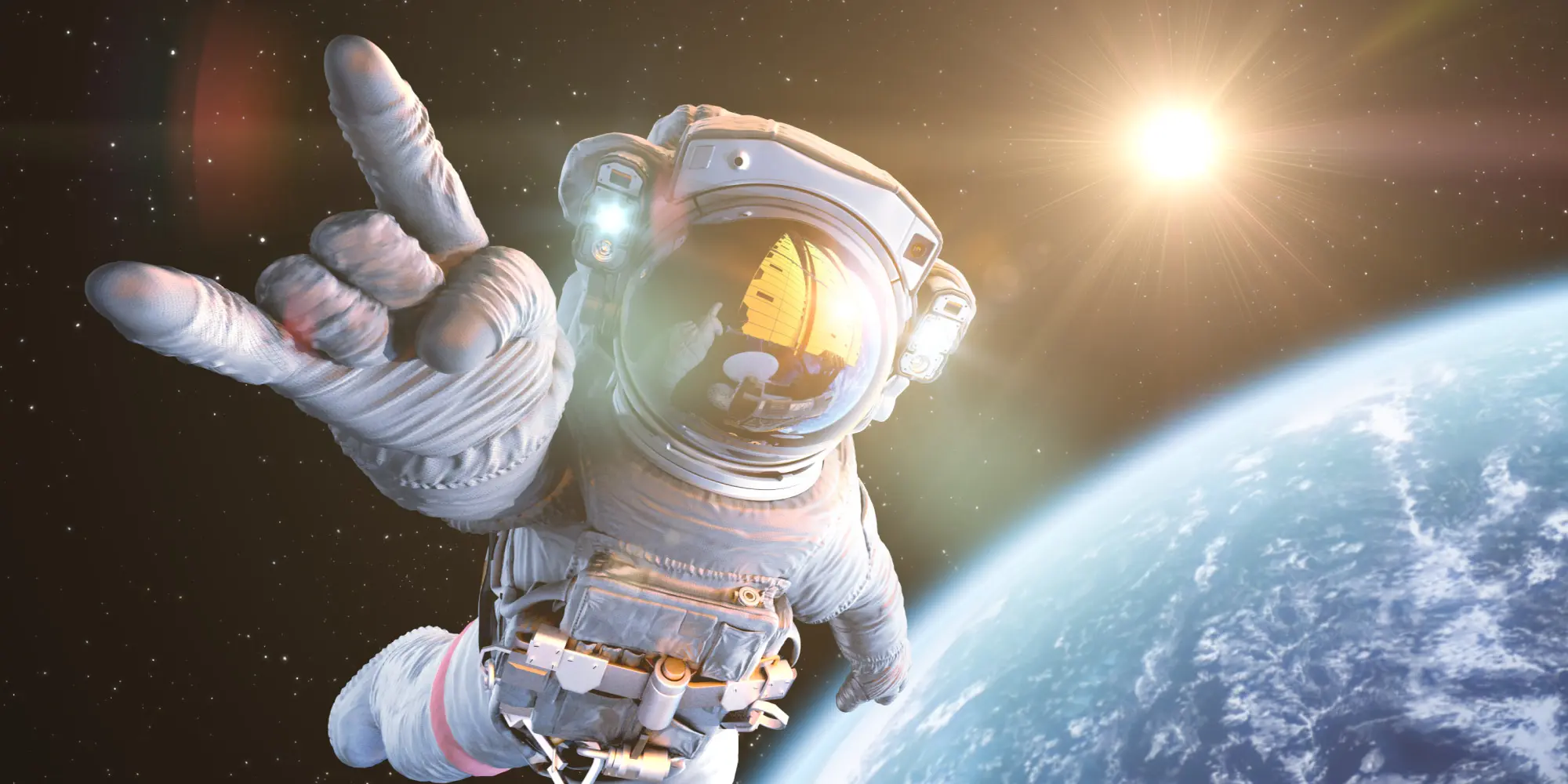
NASA is planning to launch its next big space mission, Artemis II, on March 6. This mission is very special because it will carry four astronauts on a trip around the Moon. Unlike past missions that stayed close to Earth, Artemis II will take humans farther into space than they have been for decades. The goal is to test the spacecraft and make sure everything is ready for future missions where astronauts will actually land on the Moon.
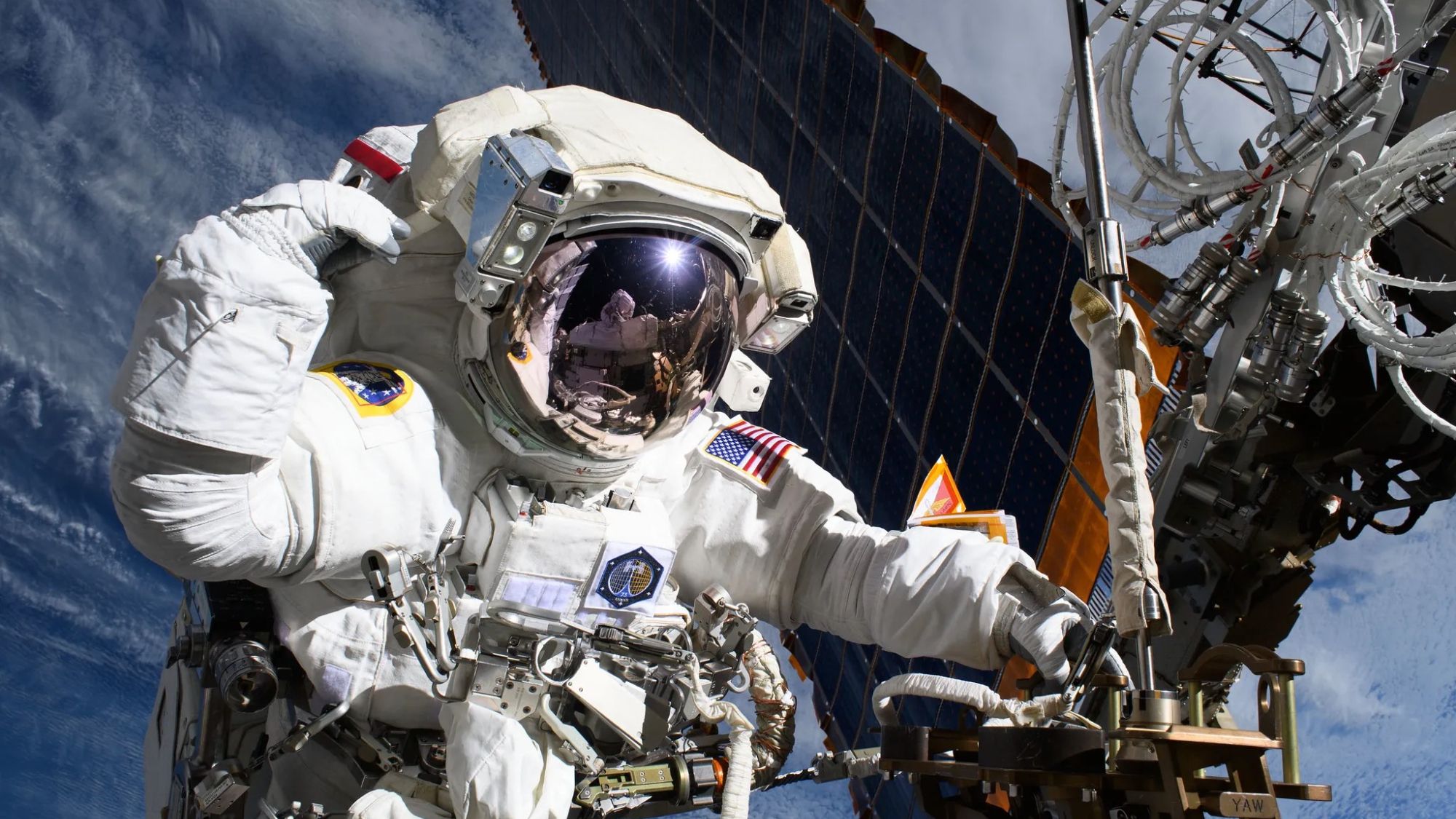
The four astronauts chosen for this journey are carefully selected for their skills, experience, and teamwork. They have trained for many months, learning how to live and work in space. Their training includes handling emergencies, performing scientific experiments, and practicing life on a spacecraft. Living in space is very different from life on Earth. Astronauts have to deal with zero gravity, which means everything floats, including themselves. They also need to exercise every day to keep their muscles and bones strong, because the lack of gravity can make the body weaker over time.
The Artemis II spacecraft is called Orion. It is built to carry humans safely through space. Orion has many features to protect the astronauts. For example, it has strong shielding to guard against space radiation and meteorites. Inside, the spacecraft is equipped with controls, life support systems, and sleeping areas. The astronauts will have small cabins where they can rest, but they will spend most of their time in a shared area where they can move around and work together. Orion also has a powerful engine that can adjust the spacecraft’s path, helping it travel from Earth to the Moon and back safely.
To reach the Moon, Orion will ride on NASA’s Space Launch System, or SLS, rocket. The SLS is one of the most powerful rockets ever built. It is taller than a 15-story building and is designed to lift the heavy Orion spacecraft and its crew into space. Launching a rocket is always a complicated process. Engineers have to carefully check every system, including the engines, fuel tanks, and guidance controls. Even a small mistake could cause problems, so NASA runs many tests before the final launch. On launch day, the rocket will roar to life, pushing Orion away from Earth with incredible speed. The astronauts will feel a strong force pressing them into their seats as the rocket climbs higher and higher.
After leaving Earth, Orion will enter a path that takes it toward the Moon. Unlike some missions that land on the Moon, Artemis II is a test flight. The astronauts will orbit the Moon, flying close to its surface before returning to Earth. This allows NASA to check that the spacecraft can handle deep-space conditions, like temperature changes, radiation, and communication delays. The mission will also give the astronauts a chance to practice maneuvers they will need for future Moon landings. Scientists will use this mission to study how humans respond to longer trips in space and how equipment performs far from Earth.
Communication with the astronauts is very important during the mission. NASA has a network of ground stations on Earth that send and receive signals to Orion. This network allows engineers to track the spacecraft’s position, monitor its systems, and provide instructions. Even though the Moon is relatively close, it takes a few seconds for signals to travel back and forth. This delay means astronauts have to be prepared to act on their own in case of emergencies, rather than relying on immediate guidance from Earth. Training for these situations is a big part of the astronauts’ preparation.
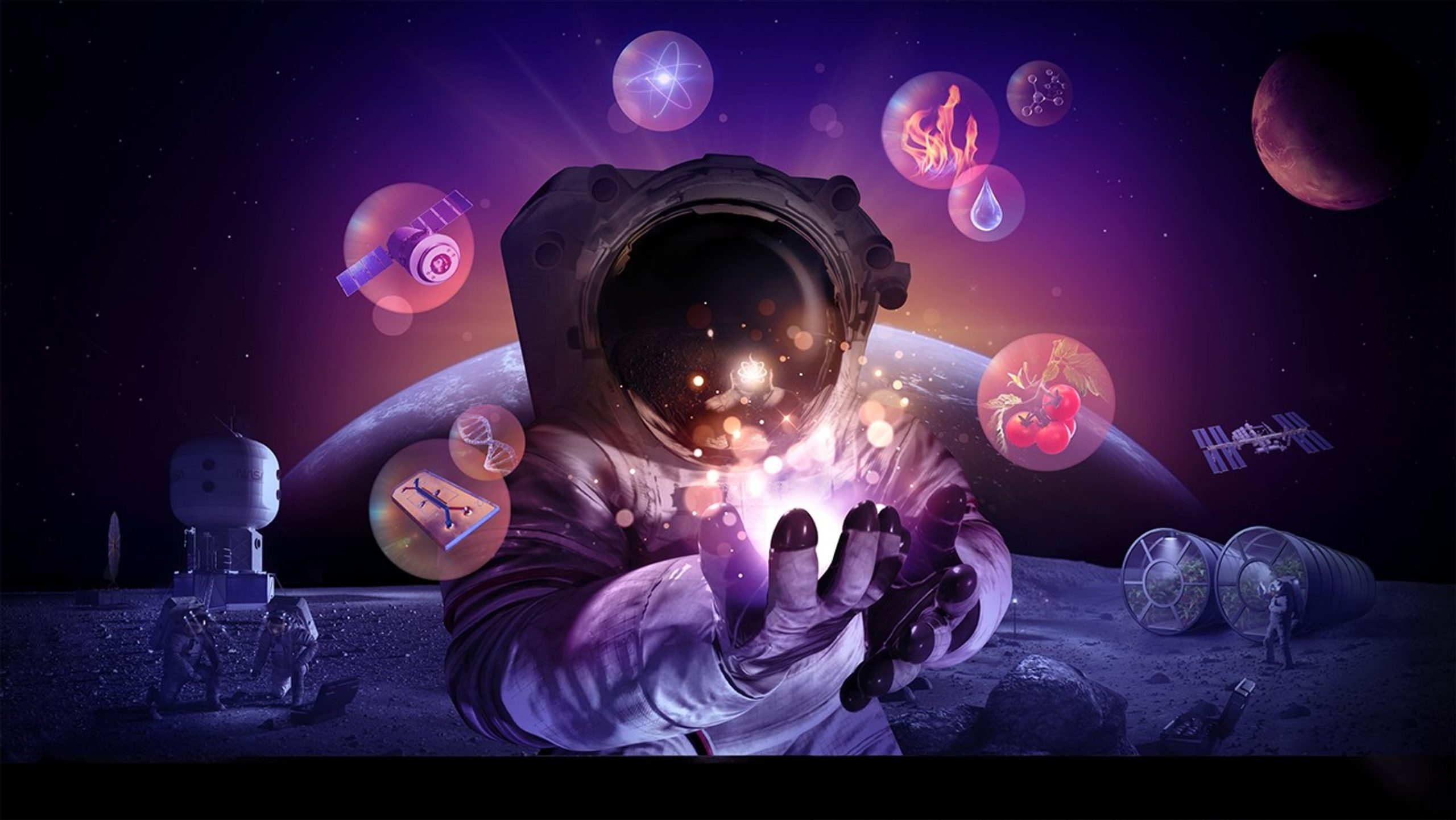
One exciting aspect of Artemis II is that it sets the stage for future missions where humans will return to the Moon’s surface. NASA’s ultimate goal is to establish a sustainable presence on the Moon. This includes building habitats, testing new technologies, and learning how humans can live and work on another world for extended periods. Artemis II is a stepping stone in this plan. By safely orbiting the Moon and returning to Earth, the mission will provide critical data and experience needed for landing astronauts in the next Artemis missions.
Safety is always the top priority for NASA. The team has carefully planned every part of Artemis II to minimize risks. The spacecraft has backup systems for power, navigation, and life support. The astronauts are trained to handle unexpected problems, from minor equipment failures to more serious emergencies. Before the launch, NASA runs simulations to practice these scenarios, making sure the crew knows exactly what to do. Safety also includes monitoring the weather on Earth. A launch can be delayed if there are storms, strong winds, or lightning near the launch site. Choosing the right day for launch is crucial for the crew’s well-being.
The Artemis II mission is also a source of inspiration for people around the world. Space exploration has always captured human imagination, and this mission continues that tradition. Young students and aspiring scientists watch these missions closely, dreaming about the possibility of becoming astronauts themselves. Artemis II demonstrates how teamwork, dedication, and technology can make incredible achievements possible. It shows that humans can go beyond the limits of our planet and explore new frontiers.
NASA is working with international partners on Artemis II and future missions. Space exploration today is not just about one country; it involves cooperation between nations. Sharing knowledge, technology, and resources helps make missions safer and more successful. International collaboration also strengthens relationships between countries, as they work together toward a common goal. Scientists from around the world are contributing to experiments and research that will be part of Artemis II, providing valuable insights into how space affects the human body and equipment.
Another important part of Artemis II is studying the Moon itself. Even though humans have visited the Moon before, there is still much to learn. The Moon’s surface has regions that are difficult to reach, and its environment is harsh, with extreme temperatures and no atmosphere. By orbiting the Moon, Artemis II can gather data about its gravity, surface conditions, and magnetic fields. This information will help plan future landings and scientific experiments. Understanding the Moon better also helps scientists learn more about Earth and the solar system, since the Moon holds clues about the history of our planet and space.
Public interest in Artemis II is high. NASA shares updates through social media, videos, and live broadcasts. People all over the world can watch the launch, follow the mission, and learn about the science behind it. This transparency helps build trust and excitement. It also encourages more people to take an interest in science, technology, engineering, and mathematics—fields that are essential for space exploration and many other areas of life.
The astronauts on Artemis II will live through an experience that few humans have ever had. Floating above Earth, seeing the Moon up close, and traveling in a spacecraft designed for deep space is both thrilling and challenging. They will perform experiments, test equipment, and take photographs. These moments will be recorded and shared, helping everyone on Earth feel connected to the journey. The crew’s experiences will also be studied to improve training and planning for future missions.
Finally, Artemis II is a reminder of how far human space exploration has come. From the early days of rockets to landing on the Moon and now planning long-term lunar missions, each step builds on the last. Artemis II is more than just a test flight; it represents hope, curiosity, and the drive to explore. It’s a mission that will teach us, inspire us, and prepare us for the next giant leap—returning humans to the Moon and eventually sending them even farther, to Mars and beyond.
In summary, NASA’s Artemis II mission is set to launch four astronauts on March 6 for a journey around the Moon. It is a critical step in returning humans to the Moon, testing new technology, and inspiring the world. The astronauts have trained hard, the spacecraft and rocket are ready, and the mission promises to expand our understanding of space. It’s a journey full of challenges, excitement, and discoveries, marking a new chapter in human space exploration.
Read Also: Keep your face towards the sunshine and shadows will fall behind you
Watch Also: https://www.youtube.com/@TravelsofTheWorld24






Leave a Reply