
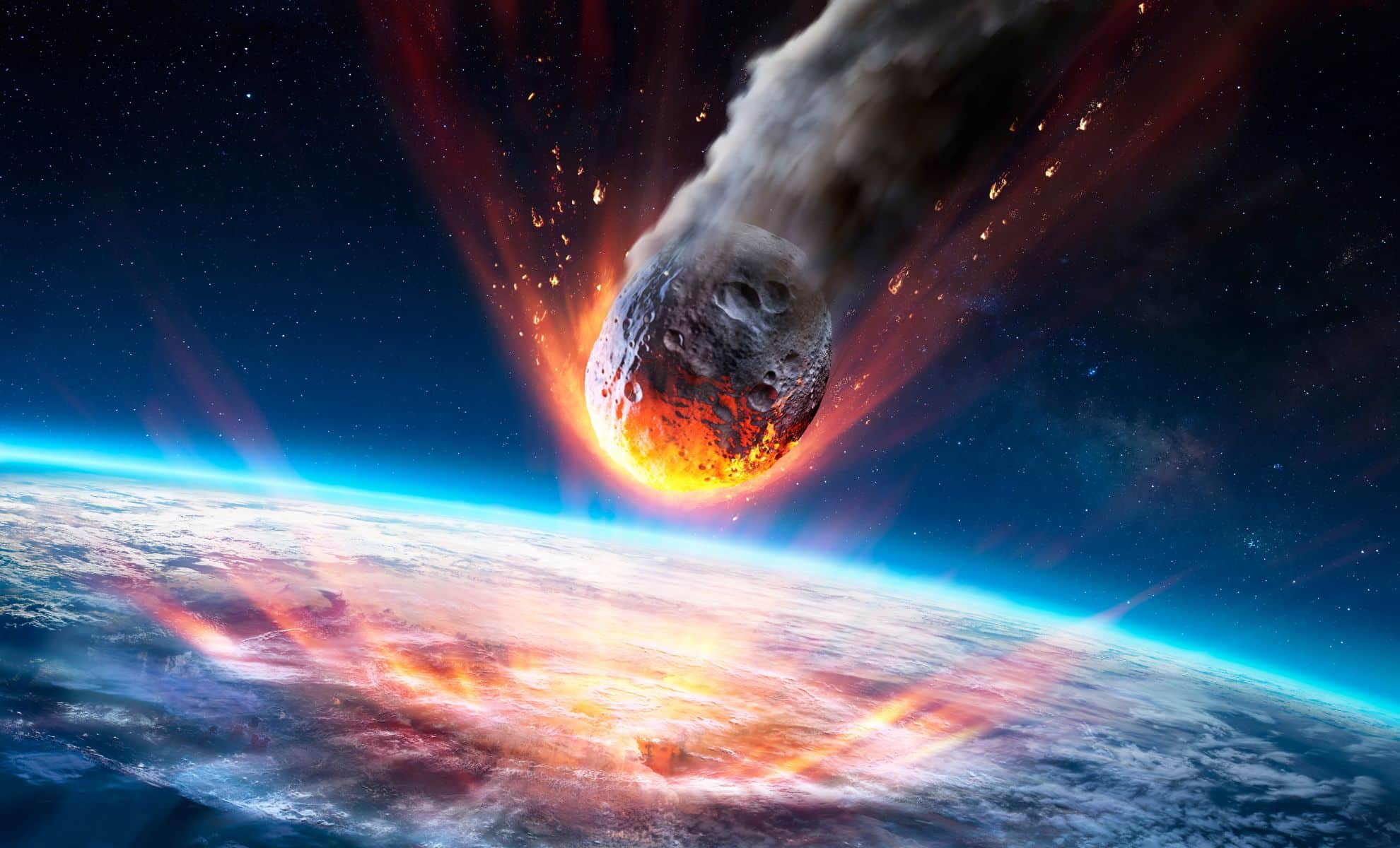
Space is full of mysteries, and sometimes those mysteries could affect life on Earth. Astronomers recently discovered a group of asteroids near Venus that may one day cross Earth’s orbit. While there is no immediate danger, the discovery highlights the importance of tracking objects in our solar system.
These asteroids, which are small rocky objects, are difficult to spot. Their orbits are influenced by the gravity of nearby planets, and some scientists warn that they could one day collide with Earth if their paths change.
This finding raises questions about how we monitor space objects and what steps we might take to protect our planet.
What Are Asteroids?
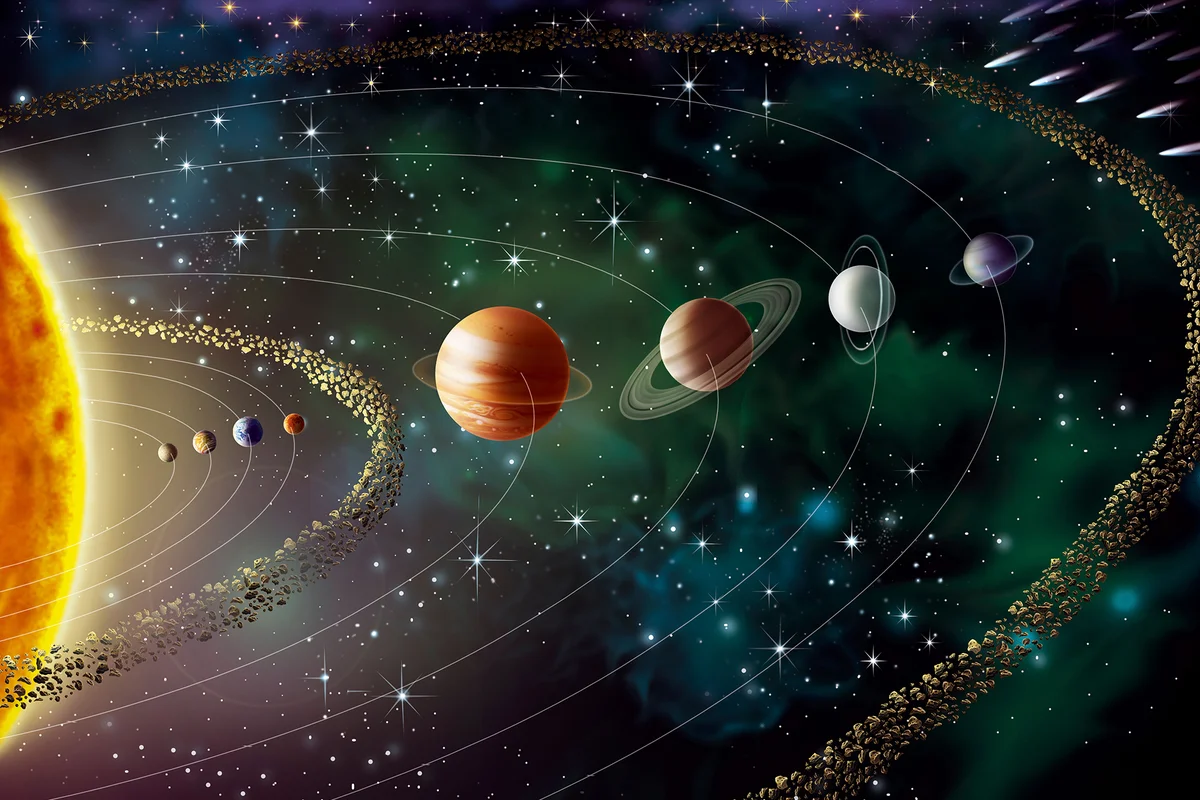
Asteroids are small rocky bodies that orbit the Sun. Most are found in the asteroid belt between Mars and Jupiter, but some travel closer to the Sun and Earth.
Key facts about asteroids:
-
They can range in size from a few meters to hundreds of kilometers.
-
Many are made of rock and metal, while some contain ice.
-
Their orbits can be affected by the gravity of planets they pass.
Asteroids that cross Earth’s orbit are called Near-Earth Objects (NEOs). Scientists closely monitor NEOs because they have the potential to collide with our planet.
The Discovery Near Venus
Astronomers have recently detected several asteroids near Venus. This is unusual because most asteroids are either far from the inner planets or orbit the Sun in the asteroid belt.
These newly discovered asteroids are small but relatively close to Earth in astronomical terms. Their positions make them harder to detect, and they move quickly because they are close to the Sun.
Observatories and telescopes around the world are now tracking these objects to understand their orbits and predict their future paths.
Could They Hit Earth?
The possibility exists, but scientists emphasize that the risk is not immediate.
Asteroids’ orbits can change over time due to:
-
The gravitational pull of planets like Venus, Earth, and Jupiter.
-
Collisions with other space objects.
-
Effects of sunlight and radiation.
Even a small change in trajectory could eventually send one of these asteroids toward Earth. That is why astronomers continue to monitor them closely.
Why Venus Matters
Venus is closer to the Sun than Earth, and its gravity can influence nearby asteroids.
-
Asteroids passing near Venus may have their paths altered.
-
A slight shift could send them on a course that crosses Earth’s orbit.
Scientists use computer simulations to calculate how the gravity of Venus, Earth, and other planets could affect asteroid paths over decades or centuries.
The Role of Astronomers and Telescopes
Astronomers use several tools to track asteroids:
-
Ground-based telescopes: These help discover and observe moving objects.
-
Space telescopes: Instruments like NASA’s NEOWISE detect asteroids using infrared light.
-
Computer simulations: Scientists calculate future trajectories and potential collisions.
By combining these methods, astronomers can predict which asteroids might become dangerous in the future.
How Often Do Asteroid Threats Occur?
Earth is constantly bombarded by small objects, most of which burn up in the atmosphere as meteors.
Larger threats are rare but possible. For example:
-
The asteroid that caused the extinction of the dinosaurs was about 10 kilometers wide.
-
Smaller asteroids, a few hundred meters across, could destroy cities or regions if they hit Earth.
That is why monitoring asteroids near Venus, Mars, and other planets is crucial for early warning.
Tracking Near-Earth Objects
Space agencies have programs to detect and track asteroids:
-
NASA’s Planetary Defense Coordination Office (PDCO) monitors potentially hazardous objects.
-
International collaborations also track asteroids globally.
-
Observatories use radar and optical telescopes to gather accurate measurements.
Tracking allows scientists to predict collisions years in advance, giving humanity time to prepare if necessary.
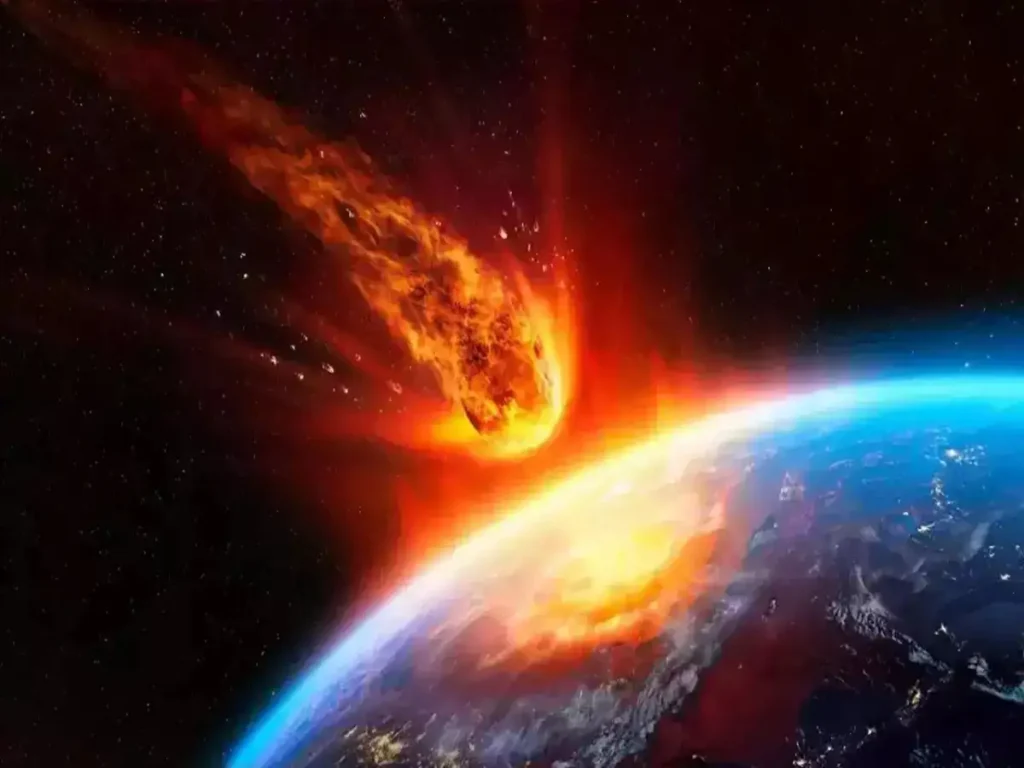
Near-Venus Asteroids Pose Potential Risk to Earth, Scientists Warn
Possible Ways to Deflect Asteroids
If a large asteroid is discovered on a collision course with Earth, scientists have ideas to prevent disaster:
-
Kinetic Impact: A spacecraft could crash into the asteroid to slightly alter its path.
-
Gravity Tractor: A spacecraft could fly near the asteroid, using its gravity to slowly change its trajectory.
-
Nuclear Explosives: As a last resort, a controlled explosion could divert or break apart the asteroid.
These methods are still being researched, but preparation is key to protecting Earth.
Why This Discovery Is Important
Finding asteroids near Venus reminds us that space is dynamic. Planets, asteroids, and comets interact in complex ways.
This discovery:
-
Highlights the need for continuous monitoring.
-
Provides data to study how objects move through the inner solar system.
-
Prepares scientists for potential future threats.
Even small asteroids can give us important information about the early solar system and how planets formed.
Lessons from Past Near-Misses
Earth has experienced close calls with asteroids before.
-
In 2013, the Chelyabinsk meteor exploded over Russia, injuring hundreds and causing damage.
-
Scientists had not detected it before it entered the atmosphere.
These events show that even relatively small asteroids can have significant effects if they hit populated areas.
By discovering and tracking objects near Venus, scientists hope to prevent surprises in the future.
International Collaboration
Planetary defense is a global effort.
-
Agencies from the U.S., Europe, and Asia share data about asteroids.
-
International exercises simulate potential asteroid threats.
-
Collaboration ensures that if a dangerous asteroid is detected, humanity can respond quickly.
Tracking asteroids near Venus is part of this broader effort to keep Earth safe.
The Future of Asteroid Research
New telescopes and space missions will improve our ability to detect asteroids:
-
Upcoming infrared telescopes will spot objects closer to the Sun.
-
Space missions may visit asteroids to study their composition.
-
AI and machine learning will help predict asteroid paths more accurately.
These advancements will give scientists more tools to monitor and defend Earth from potential collisions.
Conclusion
The discovery of mysterious asteroids near Venus is a reminder that our solar system is full of moving objects that can affect Earth. While the immediate threat is low, careful tracking is essential.
Astronomers and space agencies around the world are working to monitor, study, and prepare for any potential asteroid impacts. Discoveries like this help us understand the dynamics of the solar system and protect our planet.
The universe is full of surprises, and these mysterious asteroids are one more reason to keep looking to the stars. By studying them today, humanity can be ready for whatever the future may bring.
Read Also: Keep your face towards the sunshine and shadows will fall behind you
Watch Also: https://www.youtube.com/@TravelsofTheWorld24





Leave a Reply