
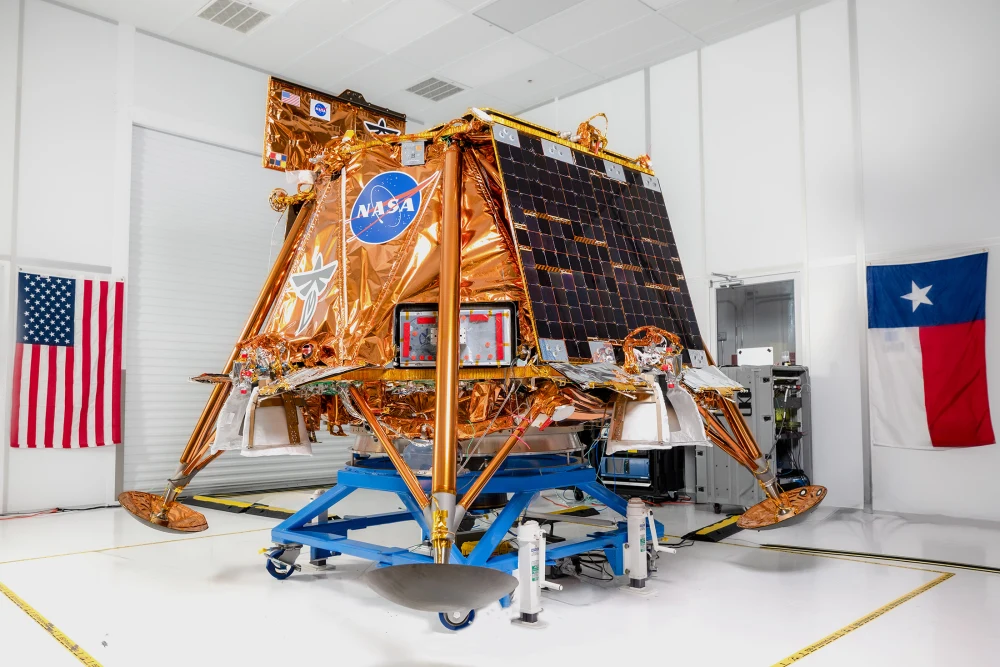
Space exploration is getting even more exciting in 2026. Scientists and space agencies around the world are planning big missions that will take humans and robots to the Moon, asteroids, and even farther into space. These missions are not just about exploring—they’re about learning how to live in space, gather new information, and prepare for future journeys to Mars and beyond.
From NASA’s Artemis missions to asteroid studies, 2026 promises to be a historic year for space. Let’s take a closer look at the biggest upcoming missions and why they matter.
Artemis Missions: Back to the Moon
NASA’s Artemis program is continuing in 2026. The program aims to send humans back to the Moon for the first time since 1972.
Key goals of Artemis missions in 2026:
-
Orbiting the Moon: Astronauts will travel around the Moon in spacecraft like Orion
-
Preparing for Lunar Landings: These missions test technology and systems needed for landing humans safely
-
Exploring the Moon’s South Pole: The South Pole may have water ice, which is critical for future bases
-
International Collaboration: NASA works with countries like the UAE, Europe, and Japan
Artemis missions are more than just trips—they’re a testing ground for living and working in space.
SLS and Orion: Powerful Tools for Space
NASA’s Space Launch System (SLS) rocket is one of the most powerful ever built. It carries the Orion spacecraft, which will house astronauts during lunar missions.
In 2026, SLS and Orion will:
-
Conduct test missions and crewed flights around the Moon
-
Practice docking and orbital maneuvers
-
Test life support systems for astronauts
These tests make sure that humans can travel safely not just to the Moon, but farther into the solar system in the future.
Asteroid Missions: Studying Space Rocks
NASA and other space agencies are also focusing on asteroids. Asteroids are small, rocky objects that orbit the Sun. Some missions in 2026 aim to:
-
Observe asteroids up close
-
Collect samples to bring back to Earth
-
Study asteroids for scientific and safety reasons
Asteroid missions help us understand the early solar system, since asteroids are like fossils from billions of years ago. They also teach us how to protect Earth from potential asteroid impacts.
ESA and International Missions
The European Space Agency (ESA) is planning missions in 2026 as well. Some highlights:
-
Satellite launches to study Earth and other planets
-
Robotic missions to the Moon and Mars
-
International collaborations with NASA and other countries
These missions show that space exploration is becoming a global effort, with countries sharing knowledge and technology.
Mars Exploration
Mars continues to be a top priority. 2026 may include:
-
Rovers studying the surface for signs of water or past life
-
Orbiters collecting data on the atmosphere
-
Technology tests for future human missions
Studying Mars now helps prepare for sending astronauts to the Red Planet in the coming decades.
Space Telescopes and Observation
2026 will also see powerful telescopes observing the universe. They will:
-
Look for new planets around other stars
-
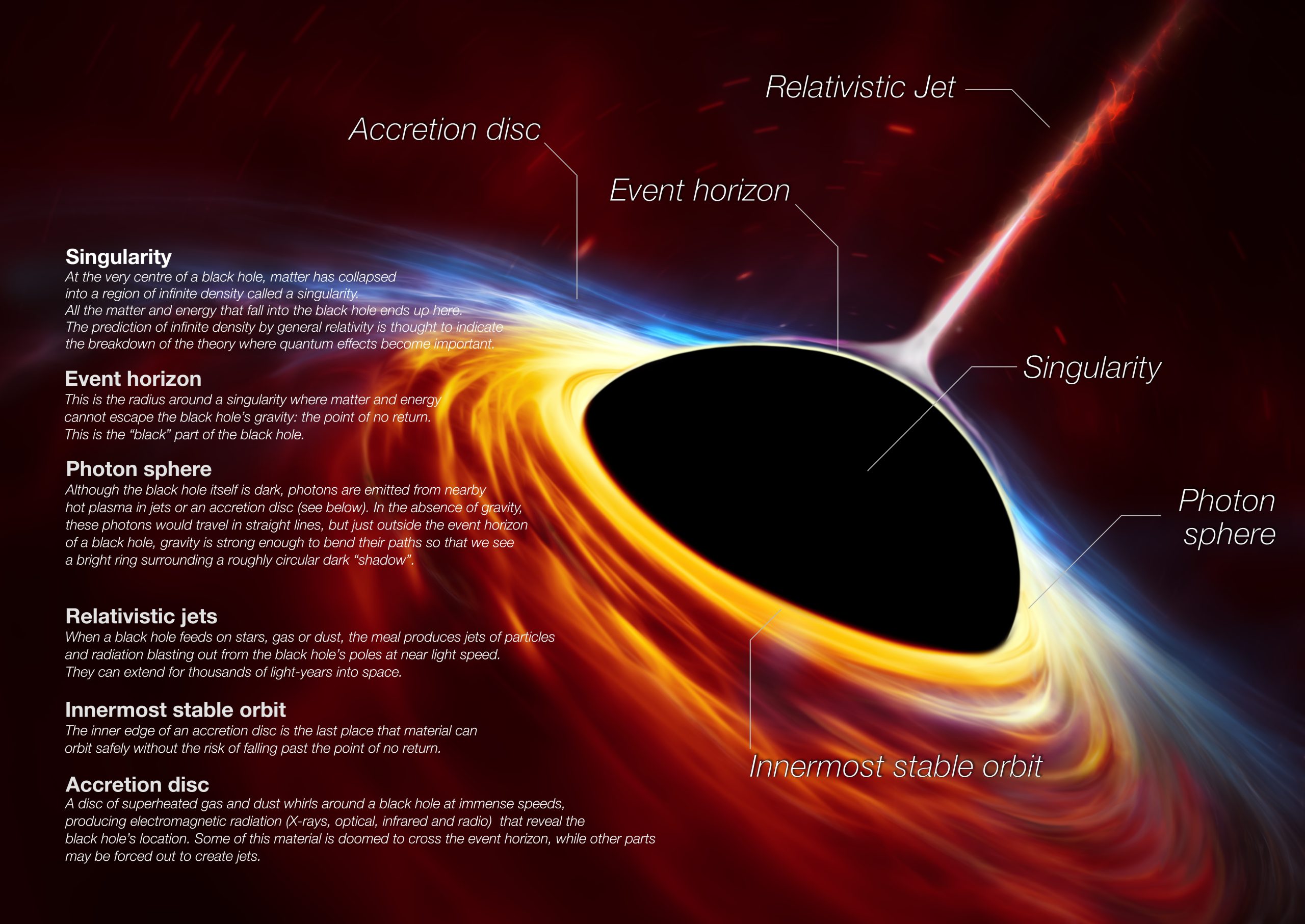
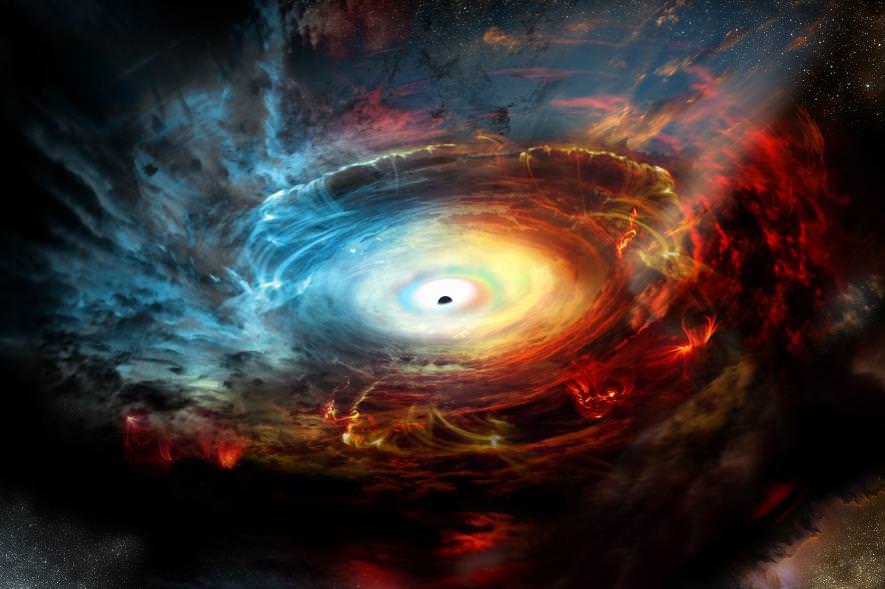
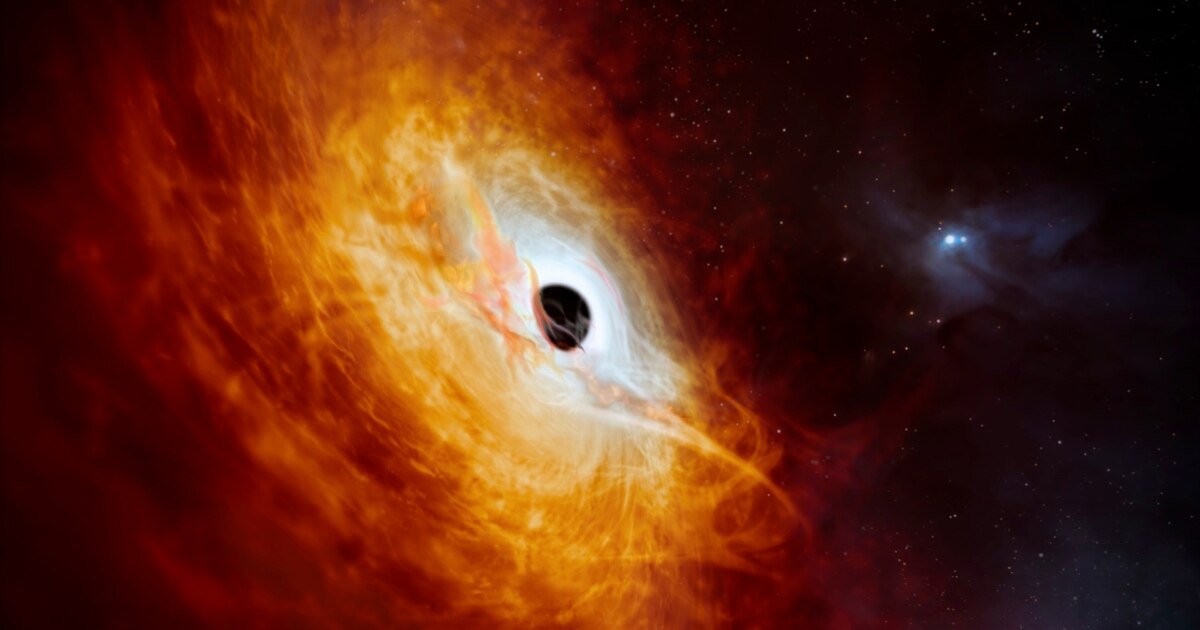
Study black holes, stars, and galaxies
-
Provide data for future space missions
These telescopes are critical because they allow scientists to study space without leaving Earth, helping plan future missions more safely.
Private Companies in Space
Space exploration isn’t just for government agencies. Private companies like SpaceX, Blue Origin, and Rocket Lab are also launching missions in 2026.
These missions include:
-
Cargo deliveries to the Moon or space stations
-
Testing new rockets and spacecraft
-
Launching satellites for Earth observation, communication, and research
Private companies are helping reduce costs and speed up space exploration.
Preparing for Human Life in Space
One of the biggest goals of 2026 missions is to prepare humans for living in space. This includes:
-
Testing habitats and life support systems
-
Studying how microgravity affects the body
-
Practicing long-duration missions
These preparations are essential for missions to the Moon, Mars, and beyond.
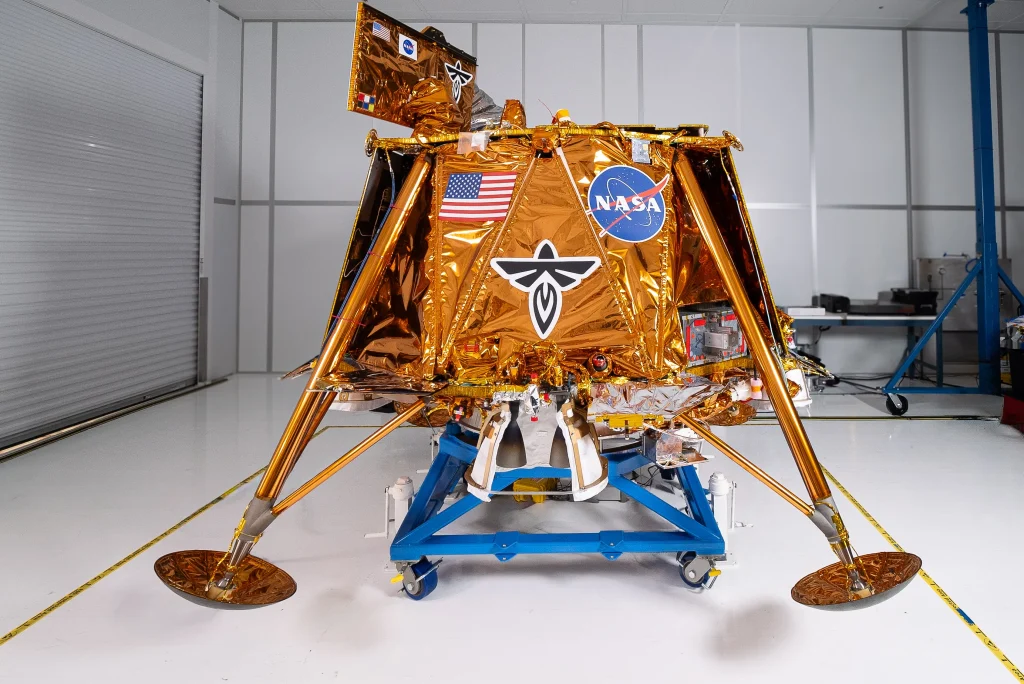
Robotic Exploration
Robots will play a big role in 2026. They can:
-
Land on asteroids, moons, and planets
-
Collect samples and data
-
Operate in extreme conditions that are dangerous for humans
Robotic missions help scientists learn more before humans arrive, making space travel safer and more efficient.
Space Mining and Resources
Some missions in 2026 may focus on space resources, like:
-
Extracting water from lunar ice
-
Testing technologies to mine asteroids
-
Studying materials that could be used for space construction
These experiments are important for sustainable human presence in space.
International Space Stations
The International Space Station (ISS) will continue to operate, but 2026 may see:
-
New modules added to the ISS
-
Experiments supporting lunar missions
-
Coordination with upcoming lunar orbit stations
These stations serve as labs for testing technology and human life support before venturing farther.
Why 2026 Is Exciting
2026 is exciting because it marks a transition from testing to actual exploration. Humans are no longer just observing space—they’re traveling farther, experimenting, and preparing to settle beyond Earth.
Some reasons 2026 is special:
-
Artemis missions bring astronauts around the Moon again
-
Asteroid missions provide new scientific data
-
Private companies are contributing to commercial space efforts
-
Preparations for Mars missions are moving closer to reality
Challenges Ahead
Despite progress, space exploration is still dangerous and difficult. Challenges include:
-
Harsh space conditions: radiation, microgravity, extreme temperatures
-
Technical failures: rockets and equipment can fail
-
Costs and logistics: space missions require massive funding and careful planning
Each mission in 2026 will help scientists overcome these challenges for future exploration.
The Role of Technology
Technology in 2026 will be crucial. Innovations include:
-
Advanced rockets and spacecraft
-
Robotic systems for exploration
-
Better communication systems
-
High-powered telescopes and sensors
These technologies make missions safer, faster, and more effective.
Inspiring Future Generations
Big space missions inspire people around the world. They show that:
-
Humans are curious and adventurous
-
Science and technology can solve complex problems
-
Space exploration pushes the boundaries of knowledge
2026 missions will likely encourage students, scientists, and engineers to pursue careers in space research.
Looking Beyond the Solar System
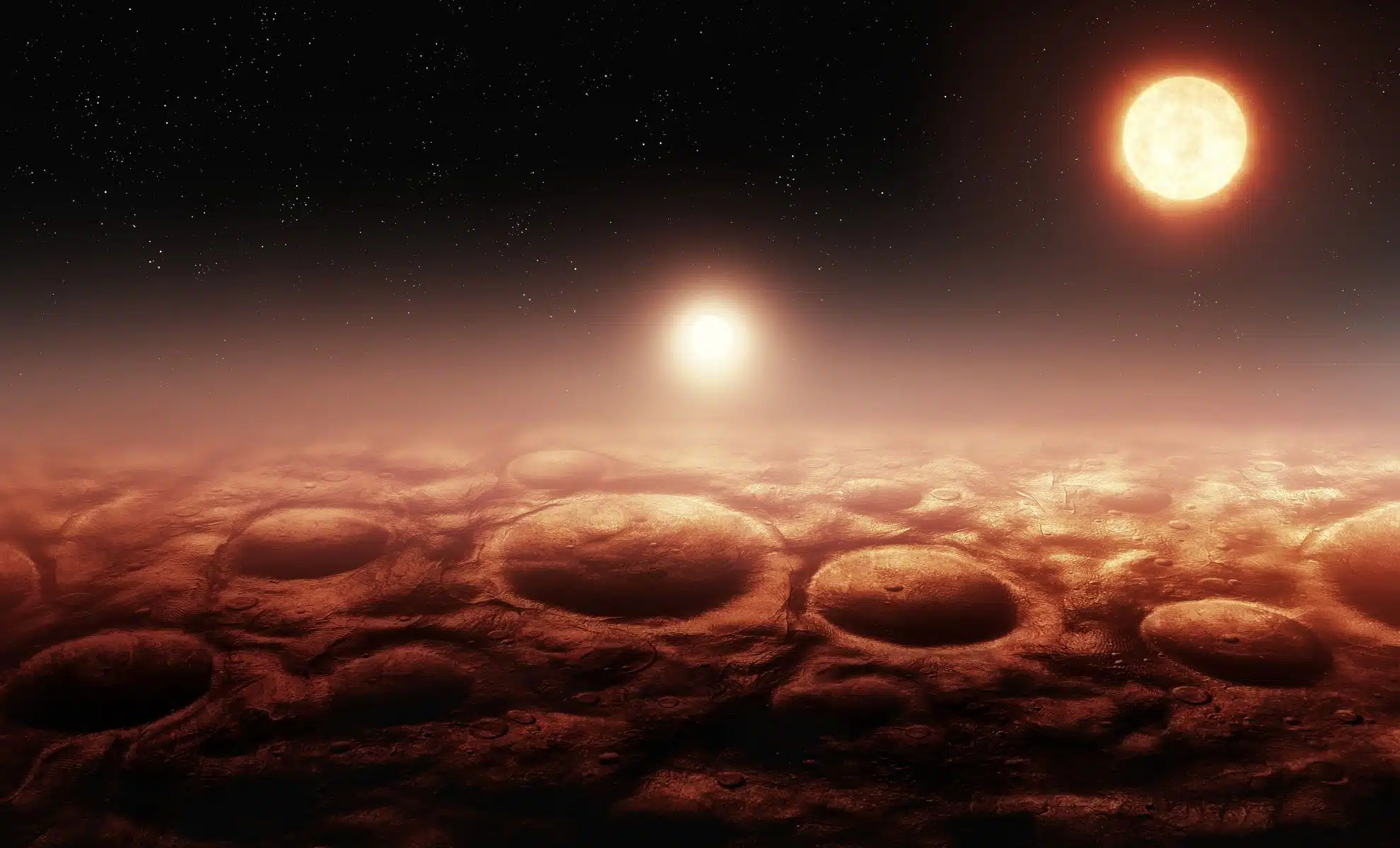
Some missions in 2026 will focus on studying exoplanets—planets outside our solar system. These studies help answer big questions:
-
Are there Earth-like planets elsewhere?
-
Could there be life beyond Earth?
-
What can we learn about the formation of planetary systems?
Exoplanet research is helping humanity prepare for future deep-space exploration.
Conclusion
2026 is shaping up to be an exciting year for space exploration. From the Moon to asteroids, Mars, and distant planets, the missions ahead will:
-
Test new technology
-
Expand human knowledge
-
Prepare humans for life beyond Earth
-
Inspire the next generation of explorers
Whether it’s orbiting the Moon, studying asteroids, or observing exoplanets, 2026 promises to bring new discoveries, challenges, and excitement.
Space is no longer a distant dream—it’s a place humans are actively exploring, and 2026 will show just how far we can go.
Read Also: Keep your face towards the sunshine and shadows will fall behind you
Watch Also: https://www.youtube.com/@TravelsofTheWorld24






Leave a Reply