
-
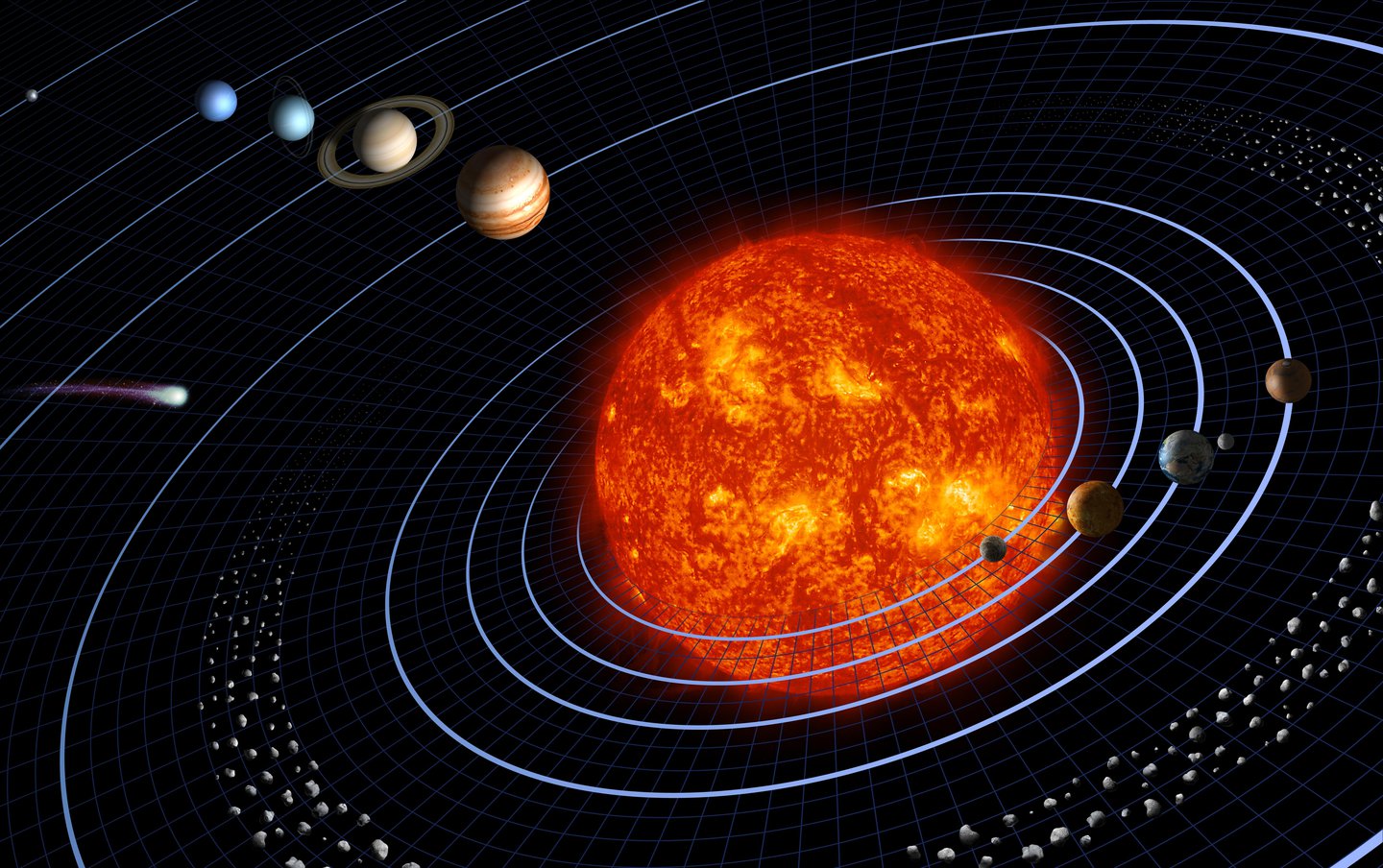
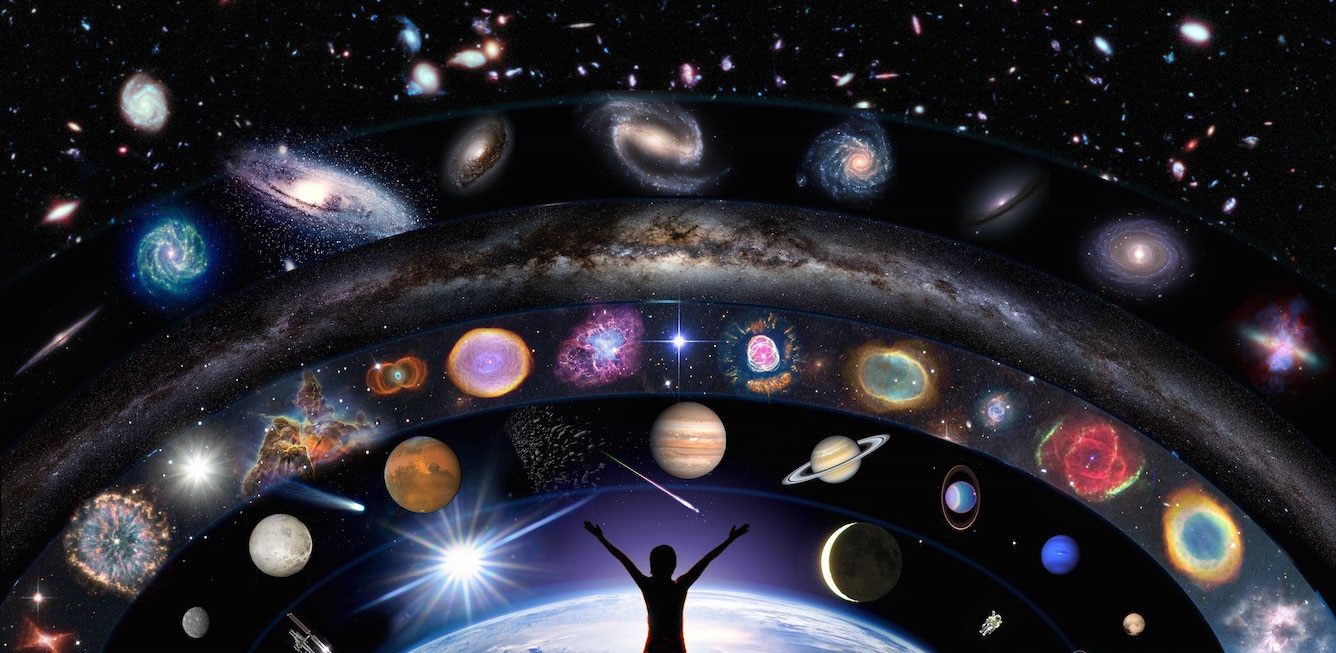
When we look up at the night sky, we see stars shining far away. But our home is not floating alone in space. We live in a big space family called the Solar System. This system is made of the Sun, eight planets, their moons, and many other space objects like asteroids and comets.
The Solar System has eight planets, and each one is special in its own way. Some are very hot, some are freezing cold, some are rocky like Earth, and others are giant balls of gas. Let’s take a simple and fun journey through our Solar System and learn about all eight planets.
What Is the Solar System?
The Solar System is everything that moves around the Sun. The Sun is a huge ball of hot gas that gives us light and heat. Without the Sun, life on Earth would not be possible.
The Sun’s strong pull keeps all the planets moving in their paths, called orbits. Each planet goes around the Sun at its own speed and distance. Some planets are close to the Sun, while others are very far away.
The Eight Planets in Order
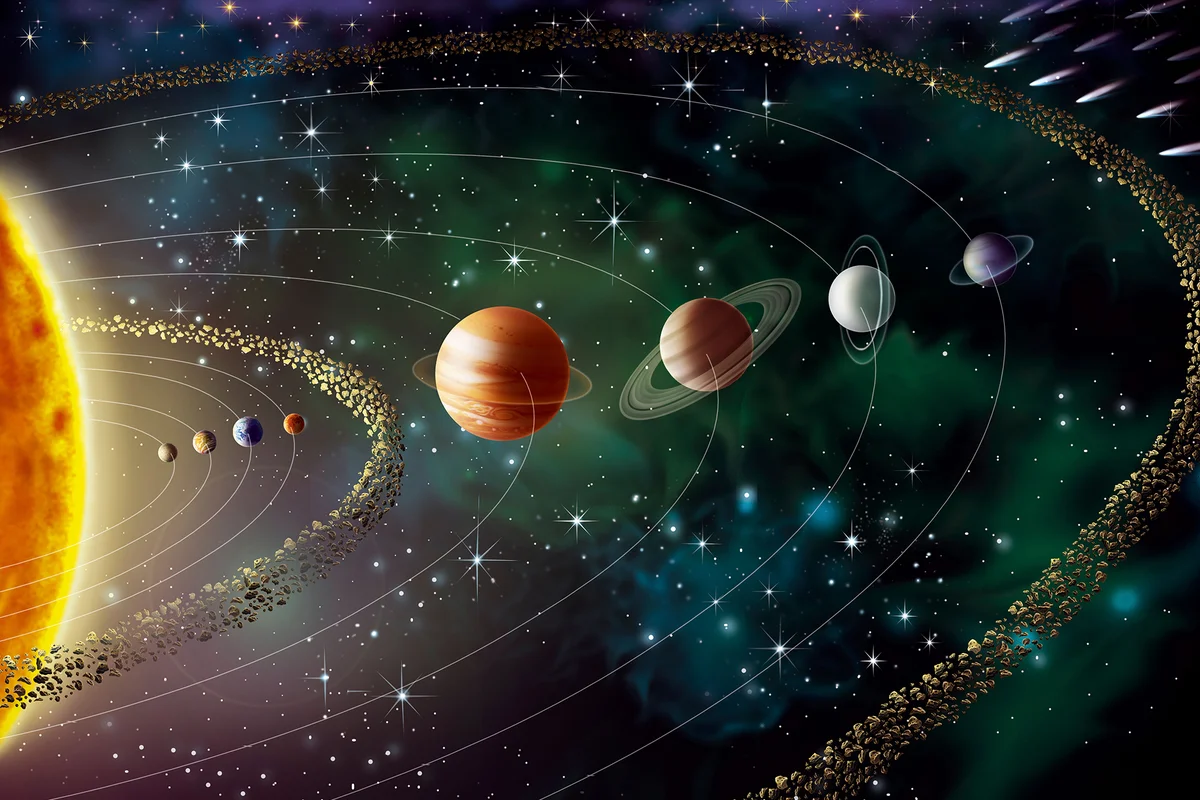
The eight planets are listed based on how close they are to the Sun:
-
Mercury
-
Venus
-
Earth
-
Mars
-
Jupiter
-
Saturn
-
Uranus
-
Neptune
Now let’s learn about each planet one by one, in very simple words.
1. Mercury – The Closest Planet to the Sun
Mercury is the smallest planet in our Solar System and the one closest to the Sun.
Because it is so close, you might think Mercury is always very hot. But that’s not fully true. During the day, Mercury becomes extremely hot. At night, it becomes extremely cold. This happens because Mercury does not have a thick air layer to hold heat.
Some key facts about Mercury:
-
No air to breathe
-
No water
-
Very rocky surface
-
Big temperature changes
Mercury has many holes on its surface caused by space rocks hitting it long ago. A year on Mercury is very short because it goes around the Sun very fast.
2. Venus – The Hottest Planet
Venus is the second planet from the Sun. It is almost the same size as Earth, but it is very different.
Venus is the hottest planet in the Solar System, even hotter than Mercury. This is because Venus has very thick clouds that trap heat. This makes Venus feel like a burning oven.
Important things about Venus:
-
Very thick clouds
-
Extremely hot surface
-
No life can survive
-
Spins very slowly
Venus spins in the opposite direction of most planets. If you stood on Venus, the Sun would rise in the west and set in the east. Venus is sometimes called Earth’s “twin,” but it is not friendly at all.
3. Earth – Our Home Planet
Earth is the third planet from the Sun and the only planet we know that has life.
Earth is special because it has:
-
Air to breathe
-
Water to drink
-
The right temperature
-
Plants, animals, and humans
About 70% of Earth is covered with water. Earth also has a protective air layer that keeps us safe from harmful space rays and burning space rocks.
Earth has one moon, which helps control ocean tides and keeps the planet stable. Earth is the perfect place for life, and so far, we have not found another planet exactly like it.
4. Mars – The Red Planet
Mars is the fourth planet from the Sun and is often called the Red Planet because of its reddish color.
Mars looks dry and dusty, but scientists believe that long ago, Mars had water flowing on its surface. Today, Mars is cold and has a thin air layer.
Interesting facts about Mars:
-
Very cold planet
-
Big mountains and valleys
-
Signs of ancient water
-
Robots are exploring it
Mars is one of the most studied planets because scientists think humans may visit or live there in the future. Many space missions are sent to Mars to search for signs of past life.
5. Jupiter – The Biggest Planet
Jupiter is the largest planet in our Solar System. It is so big that all the other planets could fit inside it.
Jupiter is a gas planet, which means it does not have a solid surface like Earth. It is mostly made of gas and strong storms.
Key facts about Jupiter:
-
Biggest planet
-
Very strong gravity
-
Famous big red storm
-
Many moons
Jupiter’s Great Red Spot is a huge storm that has been raging for hundreds of years. Jupiter also protects the inner planets by pulling dangerous space rocks toward itself.
6. Saturn – The Planet with Rings
Saturn is the sixth planet from the Sun and is famous for its beautiful rings.
The rings are made of ice, rock, and dust. They look solid, but they are actually made of billions of tiny pieces moving together.
Things to know about Saturn:
-
Huge ring system
-
Gas planet
-
Very light for its size
-
Many moons
Saturn has dozens of moons. One of them, Titan, is very interesting because it has lakes and rivers made of liquid gas.
7. Uranus – The Sideways Planet
Uranus is the seventh planet from the Sun and is very unique.
Uranus spins on its side, unlike other planets. This means its seasons are very extreme, with long periods of daylight and darkness.
Important facts about Uranus:
-
Spins sideways
-
Very cold
-
Blue-green color
-
Gas and ice planet
Uranus is very far from the Sun, so it gets very little heat. It is one of the coldest planets in the Solar System.
8. Neptune – The Farthest Planet
Neptune is the eighth and farthest planet from the Sun.
It is a dark, cold, and windy planet. Neptune has the fastest winds ever recorded in the Solar System.
Facts about Neptune:
-
Farthest planet
-
Very strong winds
-
Deep blue color
-
Ice giant
A year on Neptune is very long. It takes Neptune about 165 Earth years to go around the Sun once.
Inner Planets and Outer Planets
The eight planets are often divided into two groups.
Inner Planets
-
Mercury
-
Venus
-
Earth
-
Mars
These planets are smaller and rocky.
Outer Planets
-
Jupiter
-
Saturn
-
Uranus
-
Neptune
These planets are much bigger and made mostly of gas and ice.
Other Objects in the Solar System
Besides the Sun and planets, the Solar System also has:
-
Moons
-
Asteroids
-
Comets
-
Meteors
Asteroids are rocky objects, mostly found between Mars and Jupiter. Comets are icy objects that glow when they come close to the Sun.
Why the Solar System Is Important
Studying the Solar System helps us understand:
-
How Earth was formed
-
How planets change over time
-
Whether life can exist elsewhere
Space missions teach us more every year. Scientists keep discovering new things that help us learn about our place in the universe.
Final Thoughts
Our Solar System is an amazing place with eight unique planets, each with its own story. From the burning heat of Venus to the freezing winds of Neptune, every planet shows us how different and beautiful space can be.
Earth is our only home for now, so understanding the Solar System also reminds us how precious our planet is. The more we explore space, the more we learn about ourselves and the universe around us.
-
- Read Also: Keep your face towards the sunshine and shadows will fall behind youWatch Also: https://www.youtube.com/@TravelsofTheWorld24
The Solar System Explained: Meet All Eight Planets





Leave a Reply