
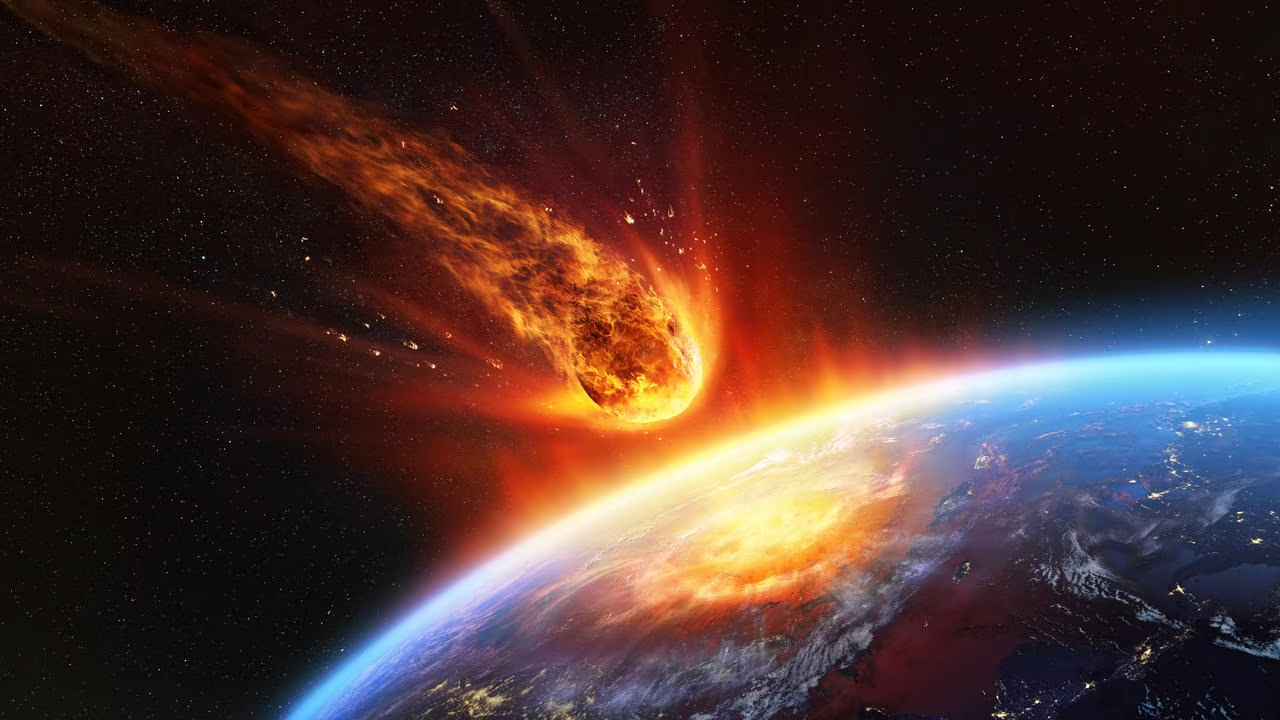
Scientists at NASA are very excited about a special space rock that was found right here on Earth. This rock did not come from our planet. It came from Mars, also known as the Red Planet. Researchers believe this meteorite is one of a kind, and it may help answer some of the biggest questions about Mars.
This discovery is important because sending rocks back from Mars is very hard and very expensive. Finding a Mars rock on Earth is like getting a free gift from space. Now, NASA scientists are carefully studying this meteorite to learn more about Mars’s past, its environment, and even whether life could have existed there long ago.
What Is a Meteorite?
Before we go deeper, let’s understand what a meteorite is.
A meteorite is a piece of rock from space that survives its journey through Earth’s atmosphere and lands on the ground. Many space rocks burn up before reaching Earth, but some make it all the way down.
In rare cases, strong impacts on planets like Mars can blast rocks into space. These rocks can travel for millions of years and eventually fall onto Earth. That’s exactly what scientists believe happened with this Mars meteorite.
How Do Scientists Know It Came from Mars?
You might wonder, how can NASA be sure this rock came from Mars and not somewhere else?
Scientists study the chemical makeup of the meteorite. Mars rocks have a unique mix of gases and elements. When researchers compare these gases with data collected by Mars spacecraft, they match perfectly.
Some Mars meteorites even contain tiny gas bubbles trapped inside them. These gases are the same as the Mars atmosphere measured by NASA missions. This is strong proof that the rock truly came from Mars.
Why This Mars Meteorite Is Called “Unique”
NASA scientists say this meteorite is unique because it is different from other Mars rocks found on Earth before.
Here’s why it stands out:
-
It has rare minerals not seen in other Mars meteorites
-
It shows signs of interacting with water
-
It may come from a part of Mars never studied before
This makes it extremely valuable. Each new Mars meteorite tells a different part of the planet’s story, and this one seems to be hiding many secrets.
Where Was the Meteorite Found?
The meteorite was found in a remote area on Earth, where it was easy to spot against the ground. Many Mars meteorites are discovered in deserts or icy regions like Antarctica because dark space rocks stand out clearly in these places.
After it was found, scientists quickly collected it using clean tools. This is very important because Earth dirt or bacteria could contaminate the rock and affect the study.
What Scientists Are Studying Inside the Rock
NASA researchers are studying the meteorite using powerful tools and microscopes. They are looking at it layer by layer.
They are trying to learn:
-
How old the rock is
-
What minerals it contains
-
If it formed near water
-
What Mars was like when it formed
Some tests focus on tiny cracks and crystals inside the meteorite. These small details can tell big stories about heat, pressure, and water on ancient Mars.
Clues About Water on Mars
One of the most exciting things about this meteorite is that it may show signs of water.
Water is very important because where there is water, life might exist. Scientists believe Mars had rivers, lakes, and maybe even oceans billions of years ago.
The meteorite contains minerals that usually form in the presence of water. This supports the idea that Mars was once much wetter than it is today.
Could This Meteorite Show Signs of Life?
This is the big question everyone wants answered.
NASA scientists are being very careful here. They are not saying they found life. But they are looking for signs that could suggest Mars once had conditions friendly to life.
They are studying:
-
Tiny shapes inside the rock
-
Chemical patterns
-
Organic materials
These things do not prove life on their own, but they help scientists understand whether Mars was ever a place where life could survive.
How This Helps Future Mars Missions
This meteorite is also helping NASA plan future missions to Mars.
By studying real Mars rock on Earth, scientists can:
-
Improve tools used on Mars rovers
-
Decide where to land future missions
-
Know which rocks are most important to collect
NASA is already working on missions that will bring Mars samples back to Earth. Studying this meteorite helps scientists prepare for those samples.
Why Mars Is So Important to Scientists
Mars is one of the most studied planets in our Solar System, and there are good reasons for that.
Mars:
-
Is close to Earth
-
Has seasons like Earth
-
Once had water
-
May have supported life
Learning about Mars also helps us understand Earth’s past and future. Mars shows what can happen to a planet when it loses its atmosphere and water.
How Rare Are Mars Meteorites?
Mars meteorites are extremely rare.
Out of thousands of meteorites found on Earth, only a small number are confirmed to be from Mars. Each one is carefully stored and studied for years.
This is why NASA treats this meteorite like a treasure. Scientists from around the world may study it for decades.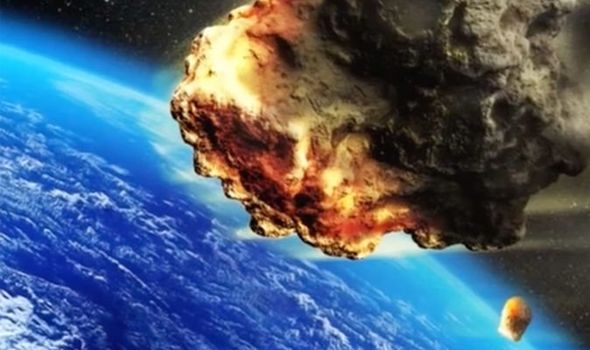
Protecting the Meteorite from Contamination
NASA follows very strict rules when handling space rocks.
The meteorite is:
-
Stored in clean rooms
-
Handled with special tools
-
Protected from air and moisture
This keeps the rock as close as possible to its original state, just like it was on Mars.
What This Means for the Search for Life Beyond Earth
This discovery adds hope to the search for life beyond our planet.
Even if no life is found, learning that Mars once had water and the right conditions is a huge step. It means planets like Earth may not be so rare in the universe.
Every Mars rock brings us closer to answering one of humanity’s biggest questions:
Are we alone?
Public Excitement Around the Discovery
NASA’s announcement about the unique meteorite has caught public attention around the world. Space lovers, scientists, and students are all excited.
It reminds people that space exploration is still full of surprises. Even today, Earth is helping us learn more about another planet.
What Scientists Will Study Next
The research is far from over.
In the coming years, scientists will:
-
Run more tests on the meteorite
-
Compare it with Mars rover data
-
Share findings with global research teams
New technology may also allow future scientists to discover even more hidden details inside the rock.
Final Thoughts
The discovery of this unique Mars meteorite is a big moment for science. It gives NASA a rare chance to study Mars without leaving Earth.
This small space rock may hold answers about:
-
Mars’s ancient environment
-
The history of water on the planet
-
The possibility of past life
As scientists continue their work, this meteorite could help unlock the long-held secrets of the Red Planet and bring us one step closer to understanding our place in the universe.
Read Also: Keep your face towards the sunshine and shadows will fall behind you
Watch Also: https://www.youtube.com/@TravelsofTheWorld24








Leave a Reply