
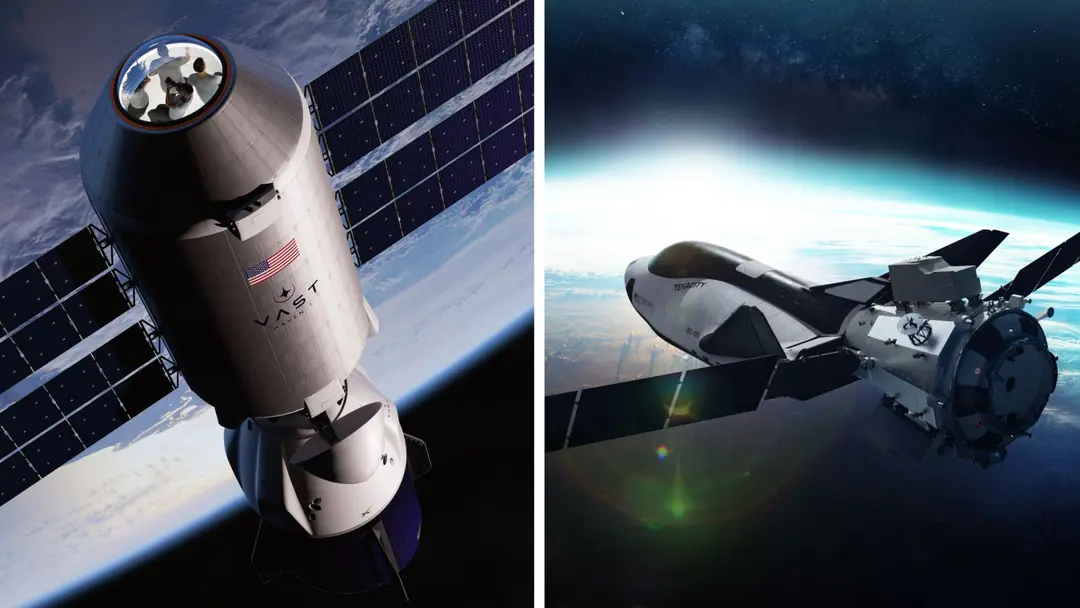
The year 2025 is shaping up to be exciting for space exploration. Countries and private companies around the world are racing to launch satellites, explore the Moon, and reach deeper into space. Among the main players are India, China, and SpaceX, each with its own ambitious plans.
This global space race is about technology, science, and national prestige, but it also benefits everyone on Earth by improving communication, navigation, and scientific understanding.
India’s Space Ambitions
India has already started 2025 with a successful launch of the NVS-02 navigation satellite. This is part of ISRO’s growing space program, which includes:
-
Navigation satellites to improve GPS and mapping
-
Earth observation satellites for agriculture, weather, and disaster monitoring
-
Interplanetary missions like Chandrayaan (Moon) and Mars exploration
India’s goals for 2025 include launching more satellites, expanding its navigation system, and improving space technology. The country is also planning future lunar missions to explore the Moon’s surface in more detail.
China’s Expanding Space Program
China has become a major space power in recent years. Its 2025 plans include:
-
Expanding its Tiangong space station with new modules
-
Launching lunar exploration missions to study the Moon
-
Testing new rockets and spacecraft for human missions
-
Expanding satellite navigation systems (BeiDou) and communication satellites
China aims to lead in human spaceflight and technology development, and it continues to invest heavily in advanced spacecraft and research.
SpaceX and Private Space Innovation
SpaceX, led by Elon Musk, continues to push the limits of private space exploration. In 2025, SpaceX plans to:
-
Launch Starship missions for Moon, Mars, and satellite delivery
-
Expand the Starlink satellite network for global internet
-
Test new reusable rockets to reduce launch costs
-
Support international missions for other countries and companies
SpaceX’s approach is faster and more cost-effective, giving private companies a strong position in the global space race.
The Importance of the 2025 Space Race
This year’s space activities are important because they:
-
Advance technology for communication, navigation, and exploration
-
Strengthen national pride and international influence
-
Support scientific research and climate studies
-
Prepare for future human missions to the Moon and Mars
Competition among nations and private companies drives innovation, ensuring faster progress in space technology.
Satellite Launches
Satellites are a key part of the space race. In 2025, countries and companies are launching:
-
Navigation satellites for GPS and regional systems
-
Communication satellites for internet and phone networks
-
Earth observation satellites for weather, agriculture, and natural disasters
-
Scientific satellites to study stars, planets, and cosmic phenomena
India, China, and SpaceX are all contributing to a growing network of satellites orbiting Earth.
Moon and Beyond
The Moon is a major target for 2025. Plans include:
-
India: Chandrayaan missions to study lunar surface and resources
-
China: Chang’e lunar missions and space station expansion
-
SpaceX: Starship missions supporting NASA and private lunar projects
These missions are about science, exploration, and preparation for future human colonies.
Human Spaceflight
Human spaceflight continues to be a key part of the race:
-
China is expanding its space station and preparing long-duration missions
-
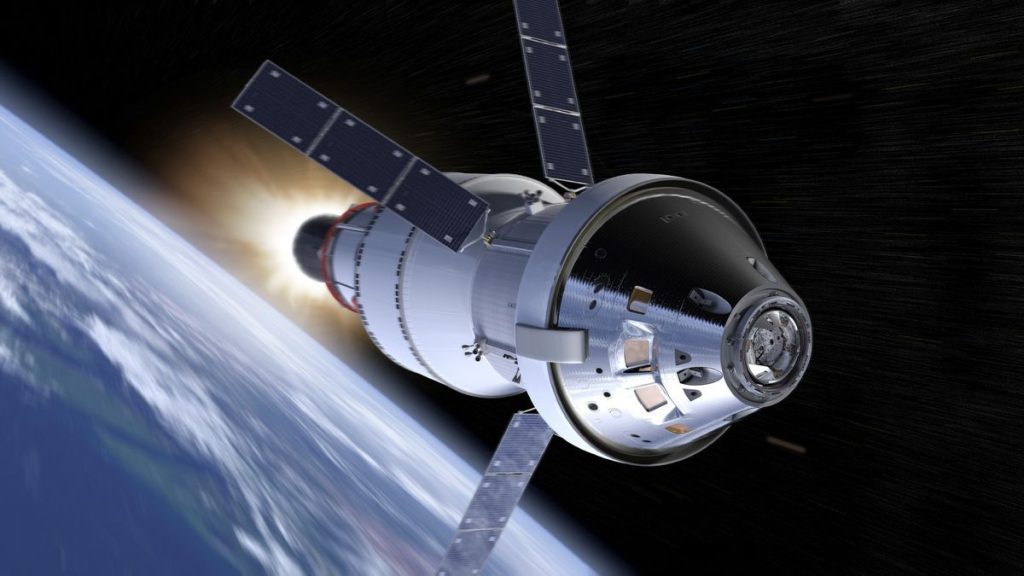
SpaceX provides crew transport to the International Space Station (ISS)
-
India is training astronauts for future missions, with potential human flights in the coming years
Human missions inspire people worldwide and demonstrate technical capability.
Global Collaboration and Competition
While the race is competitive, it also encourages collaboration:
-
Sharing scientific data and research
-
International missions involving multiple countries
-
Private companies supporting national space programs
At the same time, nations are competing to be first in technology, exploration, and innovation.
Advancements in Rocket Technology
2025’s space race is also about rockets:
-
India’s PSLV and GSLV rockets for satellites and interplanetary missions
-
China’s Long March rockets for heavy payloads and crewed missions
-
SpaceX’s Starship aiming for Moon and Mars missions
Reusability and efficiency are key trends, making launches cheaper and more frequent.
Science and Discovery
The space race is not just about prestige. It also benefits science:
-
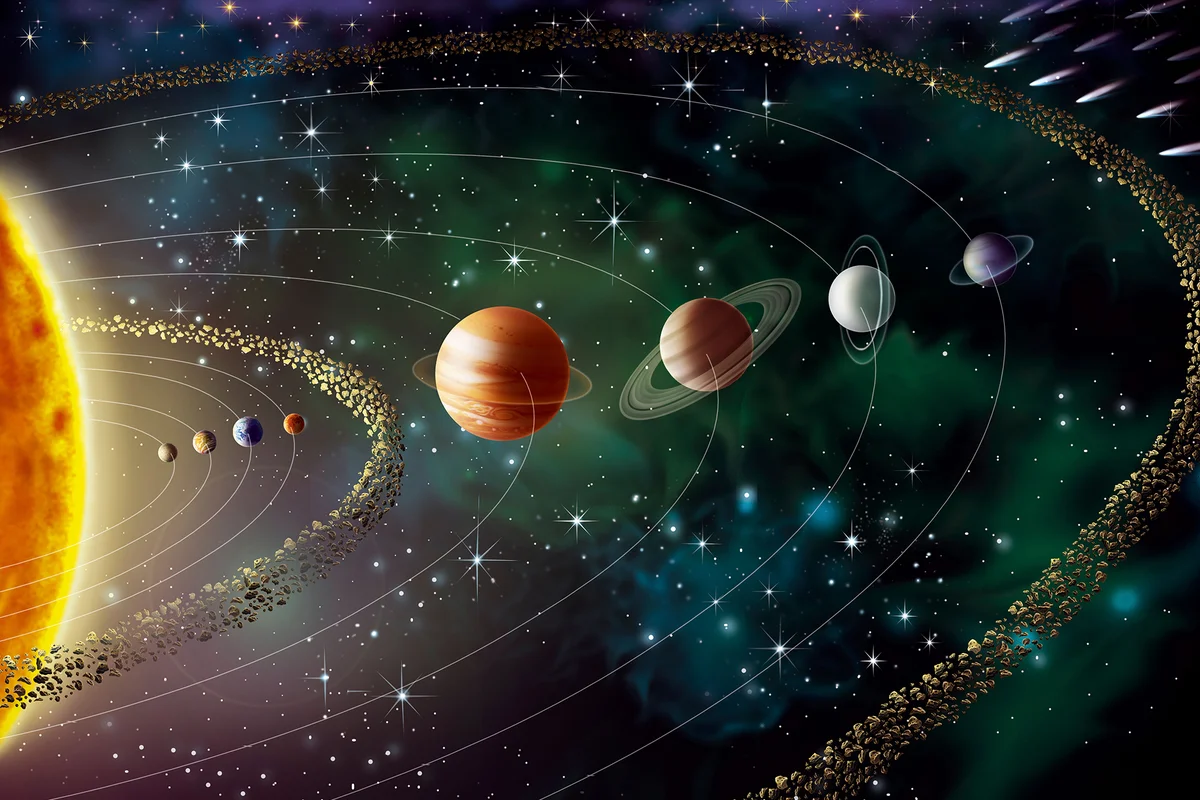
Studying the Moon and planets helps us understand the solar system
-
Satellites observe climate and natural disasters, aiding humanity
-
Telescopes and observatories in space provide new insights into the universe
These discoveries advance knowledge and technology globally.
Economic and Strategic Impact
Space programs also have economic and strategic importance:
-
Satellites support telecommunications, navigation, and weather forecasting
-
Space launches create jobs and technology industries
-
National space capabilities strengthen defense and strategic influence
Countries investing in space gain long-term economic and technological advantages.
SpaceX’s Private Model
SpaceX shows how private companies can compete with nations:
-
Lowering launch costs with reusable rockets
-
Deploying large satellite constellations for internet access
-
Supporting NASA and other international missions
-
Planning human missions to the Moon and Mars
This model is changing the way the space industry works worldwide.
Inspiring the World
The 2025 space race inspires:
-
Students interested in science, technology, engineering, and math (STEM)
-
Innovation in satellite technology, rockets, and research
-
Global excitement about space exploration and discovery
Seeing rockets launch, satellites orbit, and astronauts travel makes people dream bigger about the universe.
Risks and Challenges
Space exploration also has challenges:
-
High cost and technical risks
-
Space debris and orbital congestion
-
International competition and security concerns
-
Maintaining long-term satellite and spacecraft operations
Despite these challenges, nations and companies are pushing forward because the rewards are huge.
The Future of the Space Race
Looking ahead, the space race in 2025 may lead to:
-
More Moon and Mars missions
-
Expanding satellite networks for global communication and navigation
-
Increased private sector involvement
-
International collaboration for science and exploration
This is the start of a new era in human space activity.
Why 2025 Is Special
2025 is important because:
-
It marks the first launches and missions of the year
-
Nations are demonstrating new technology and capabilities
-
Private companies like SpaceX are pushing the boundaries of cost and efficiency
-
There’s a focus on both scientific discovery and strategic advantage
It’s a year that sets the tone for the next decade of space exploration.
Summary
The global space race in 2025 is driven by:
-
India, with its growing navigation and interplanetary missions
-
China, expanding space stations and lunar exploration
-
SpaceX, innovating with reusable rockets and satellite constellations
This race is not just about competition; it benefits science, technology, and humanity as a whole.
Conclusion
India, China, and SpaceX are leading the charge in 2025, showing the world what’s possible in space. The race is about:
-
Pushing technology further
-
Exploring the Moon, Mars, and beyond
-
Improving life on Earth through satellites and research
-
Inspiring future generations
The 2025 space race reminds us that space is a frontier for everyone, and the discoveries and innovations made now will shape humanity’s future in the cosmos.
With satellites in orbit, rockets launching, and astronauts preparing for missions, the global space race of 2025 is just getting started, promising excitement, discovery, and inspiration for years to come.
Read Also: Keep your face towards the sunshine and shadows will fall behind you
Watch Also: https://www.youtube.com/@TravelsofTheWorld24











Leave a Reply