
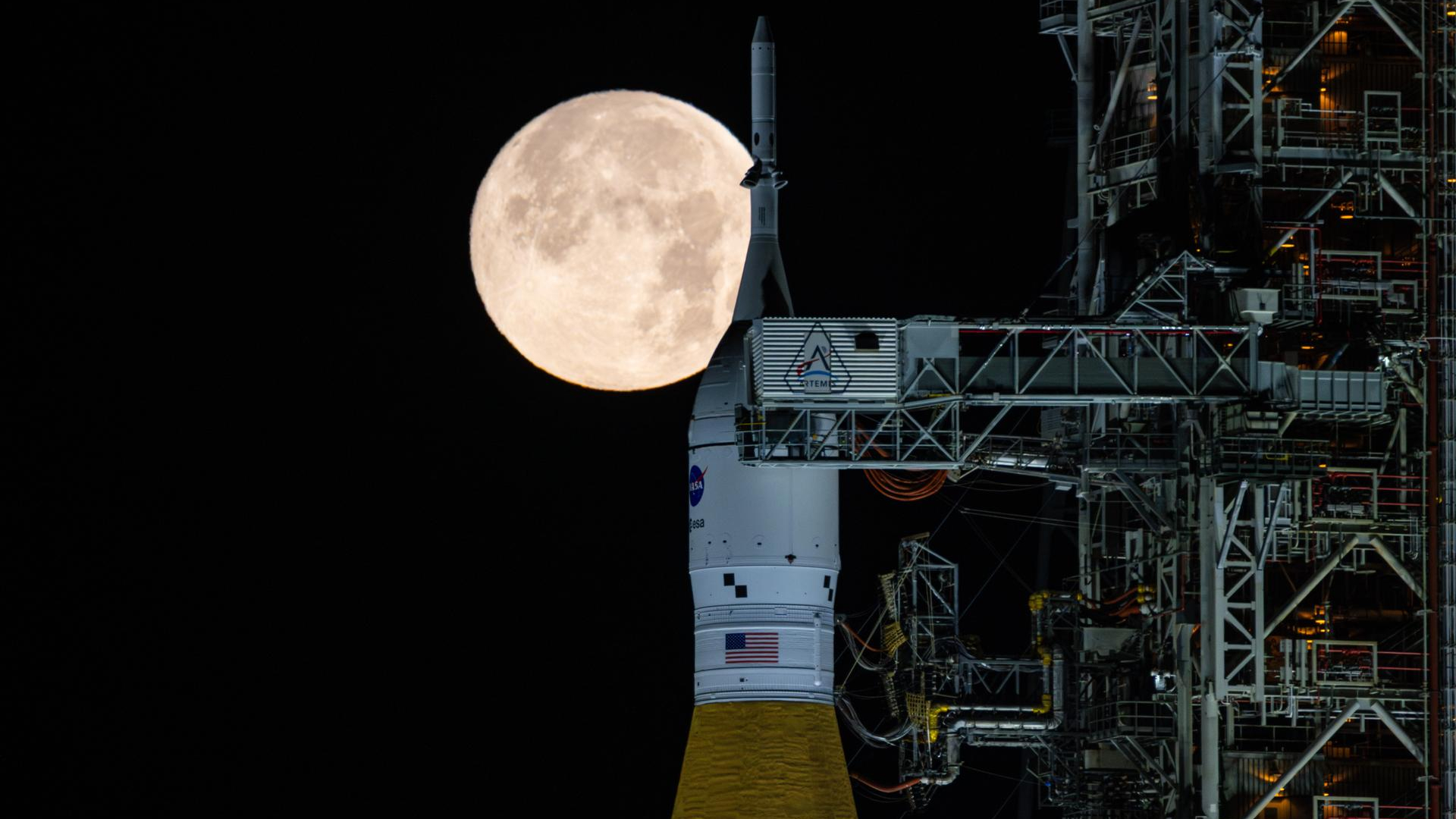
NASA is making big moves in its plans to return humans to space. The agency has started the countdown for a critical test called the “wet dress rehearsal” for its Artemis 2 mission. This test is an important step in preparing the Space Launch System (SLS) rocket and the Orion spacecraft for future journeys around the Moon.
The Artemis program is NASA’s plan to send astronauts back to the Moon for the first time since the Apollo missions. It also aims to prepare humans for future missions to Mars. The wet dress rehearsal is a major milestone because it tests the rocket and spacecraft as if they are about to launch, without actually sending them into space.
What Is a Wet Dress Rehearsal?
A wet dress rehearsal is like a full practice run for a rocket launch. NASA calls it “wet” because the test involves fueling the rocket with liquid fuel, just like in a real launch.
Here’s what happens during the test:
-
The rocket is fully fueled with liquid hydrogen and liquid oxygen
-
Engineers check every system of the rocket and spacecraft
-
Countdown procedures are practiced from start to finish
-
The rocket does not lift off; it stays on the launch pad
This rehearsal helps engineers find problems before the actual launch, making sure astronauts and equipment stay safe.
Why This Test Is Important
The wet dress rehearsal is critical for several reasons:
-
Testing the Rocket: Engineers ensure the Space Launch System (SLS) rocket works perfectly with fuel, engines, and control systems.
-
Checking the Countdown: Every step of the launch countdown is practiced, including fueling, system checks, and emergency procedures.
-
Preparing for Artemis 2: Artemis 2 will be the first crewed mission of NASA’s Artemis program, meaning astronauts will fly around the Moon.
-
Safety: Detecting problems on the launch pad is much safer than discovering them in space.
This test gives NASA confidence that the SLS rocket and Orion spacecraft are ready for astronauts.
What Is Artemis 2?
Artemis 2 is NASA’s first mission with humans in the Artemis program. Unlike Artemis 1, which was an uncrewed test flight, Artemis 2 will carry astronauts.
The mission will:
-
Fly astronauts around the Moon
-
Test spacecraft systems in deep space
-
Return astronauts safely to Earth
Artemis 2 is a key step toward landing humans on the Moon again. It’s a practice mission that prepares NASA for the big goal: Artemis 3, which will land astronauts on the Moon’s surface.
Space Launch System (SLS) Rocket
The SLS rocket is NASA’s most powerful rocket ever built. It is taller and stronger than the rockets used for the Apollo missions. The rocket has multiple parts:
-
Core Stage: Holds most of the fuel and contains the main engines
-
Solid Rocket Boosters: Provide extra power at launch
-
Orion Spacecraft: Carries the astronauts and science equipment
The SLS is designed to launch humans far beyond low-Earth orbit, to the Moon, Mars, and possibly beyond.
What Happens During the Wet Dress Rehearsal
The test includes several important steps:
-
Rocket Assembly: The SLS rocket is fully stacked on the launch pad with Orion on top.
-
Fueling: Engineers load liquid hydrogen and liquid oxygen into the rocket. This is why it’s called “wet.”
-
Countdown Simulation: NASA runs a full countdown, checking every system as if it’s a real launch.
-
Engine Checks: Rocket engines are tested without igniting them for liftoff.
-
Draining Fuel: After the test, fuel is safely removed from the rocket.
Each step is monitored by hundreds of engineers who ensure everything is working as expected.
Where Is the Test Happening?
The wet dress rehearsal for Artemis 2 is happening at NASA’s Kennedy Space Center in Florida, on Launch Pad 39B. This pad has been used for many historic missions, including Apollo and Space Shuttle launches.
NASA has upgraded the launch pad to handle the SLS rocket, which is larger and more powerful than previous rockets. Special fueling lines, safety systems, and control rooms were added to make sure the wet dress rehearsal goes smoothly.
Who Is Involved?
Many teams are working together for this test:
-
NASA Engineers: Handle the rocket, fueling, and spacecraft systems
-
Mission Controllers: Monitor systems from the control room
-
Safety Teams: Ensure procedures follow strict safety rules
-
Astronauts: While they won’t be on board yet, they help train for the mission and review systems
The collaboration shows how complex space missions are, requiring cooperation among hundreds of people.
What Could Go Wrong?
Even though NASA plans everything carefully, there are risks:
-
Fuel leaks could occur
-
Engine or system failures might happen
-
Countdown issues could stop the test
That’s why engineers watch every step and have emergency procedures ready. The goal is to catch problems early, not during the real launch with astronauts onboard.
How This Fits Into NASA’s Artemis Program
The Artemis program is NASA’s plan to:
-
Return humans to the Moon by landing astronauts on the lunar surface
-
Explore the Moon’s South Pole for water and resources
-
Prepare humans for Mars missions
Artemis 1 was an uncrewed mission that tested the SLS rocket and Orion spacecraft. Artemis 2 will be the first human mission, and Artemis 3 will land astronauts on the Moon.
The wet dress rehearsal is a critical step between Artemis 1 and Artemis 2, making sure everything works before humans board the spacecraft.
How Long Will the Test Take?
The wet dress rehearsal is not a quick test. It can take several days or even weeks because:
-
Engineers need time to fuel and drain the rocket safely
-
Every system must be checked multiple times
-
Unexpected issues may cause delays
NASA carefully monitors progress to ensure safety and success.
What Happens After the Wet Dress Rehearsal?
After the test:
-
Engineers analyze all data from sensors and systems
-
Any problems are fixed before the real mission
-
The rocket is prepared for the actual Artemis 2 launch
This careful process ensures that astronauts have the highest level of safety possible.
Public Interest and Excitement
The Artemis program has captured attention worldwide. People are excited because:
-
Humans will travel around the Moon again for the first time since 1972
-
The SLS rocket is the most powerful ever built
-
Artemis 2 is a step toward human Mars exploration
Videos, photos, and live streams from the Kennedy Space Center allow the public to watch historic moments like the wet dress rehearsal.
NASA’s Goals for Artemis 2
The main goals for Artemis 2 are:
-
Test Orion’s systems with humans in deep space
-
Practice lunar orbit operations
-
Collect data for Artemis 3 lunar landing
-
Prepare astronauts for long-duration missions
This mission is not just about flying around the Moon—it’s about learning how humans can survive and work in space for longer missions in the future.
Why This Test Matters Globally
The Artemis program is watched by countries around the world. This test matters because:
-
It shows advanced space technology
-
Inspires future engineers and astronauts
-
Strengthens NASA’s leadership in deep-space exploration
-
Demonstrates how humans are returning to space beyond low-Earth orbit
It’s a reminder that space exploration is not just science fiction—it’s happening now.
Challenges of Artemis 2
Even with careful preparation, Artemis 2 faces challenges:
-
Astronauts will travel farther than any humans have since Apollo 17
-
Spacecraft systems must function perfectly in deep space conditions
-
Communication delays between Earth and the spacecraft must be managed
The wet dress rehearsal helps address these challenges before astronauts fly.
How the Public Can Follow the Test
NASA often shares updates via:
-
Live streams on NASA TV
-
Social media posts with photos and videos
-
News releases summarizing progress
This lets space enthusiasts watch history in the making and understand what it takes to prepare for a lunar mission.
Final Thoughts
The Artemis 2 SLS wet dress rehearsal is more than just a test—it’s a major step toward returning humans to the Moon. By practicing fueling, countdowns, and system checks, NASA ensures that astronauts will have a safe and successful mission.
Artemis 2 will be humanity’s first journey around the Moon in decades, and it sets the stage for future lunar landings and Mars missions. Watching these tests reminds us how complex, exciting, and inspiring space exploration truly is.
Every step NASA takes brings us closer to living and working in deep space, and the wet dress rehearsal is a big part of that journey.
Read Also: Keep your face towards the sunshine and shadows will fall behind you
Watch Also: https://www.youtube.com/@TravelsofTheWorld24












Leave a Reply