
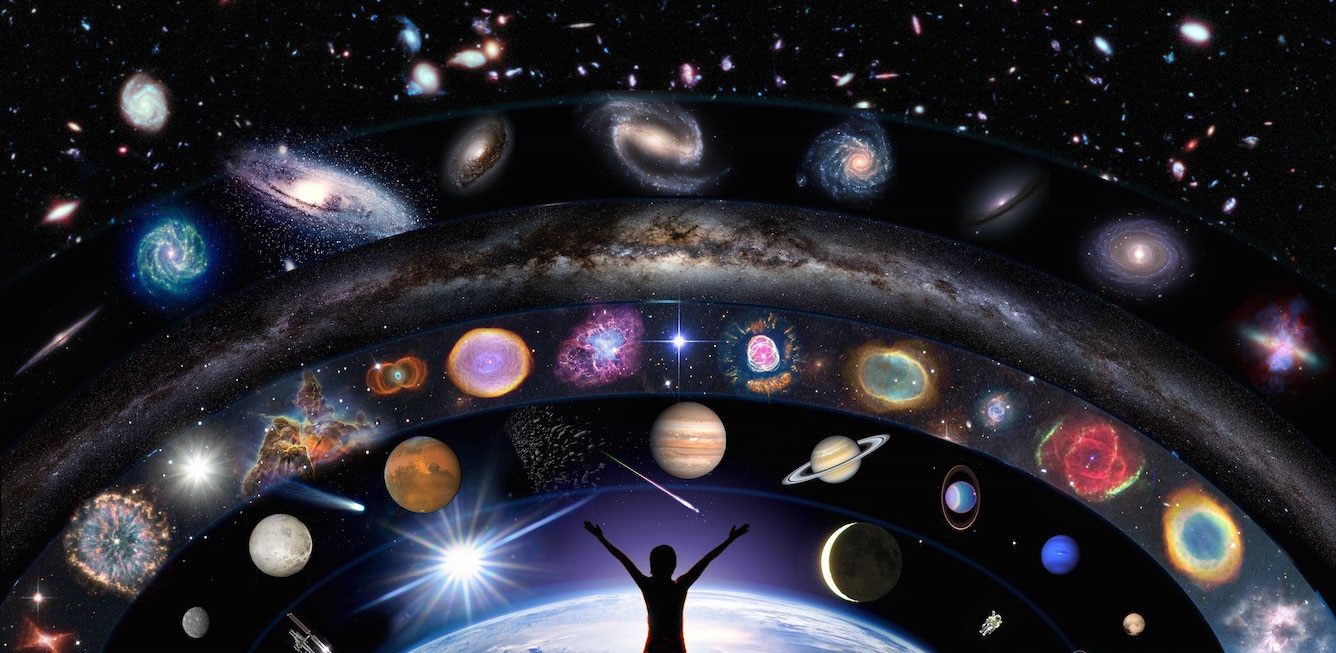
Astronomy is more than just looking at stars in the night sky. It is the science of understanding the entire universe—how it began, how it works, and what it is made of. When we talk about “the beauty of understanding,” astronomy is one of the best examples because it connects science with wonder.
It answers big questions like:
- Where did we come from?
- Are we alone in the universe?
- How big is everything around us?
Let’s explore why astronomy matters in a simple and meaningful way.
Astronomy helps us understand the universe
The most important reason astronomy matters is simple: it helps us understand everything beyond Earth.
The universe includes:
- Stars
- Planets
- Galaxies
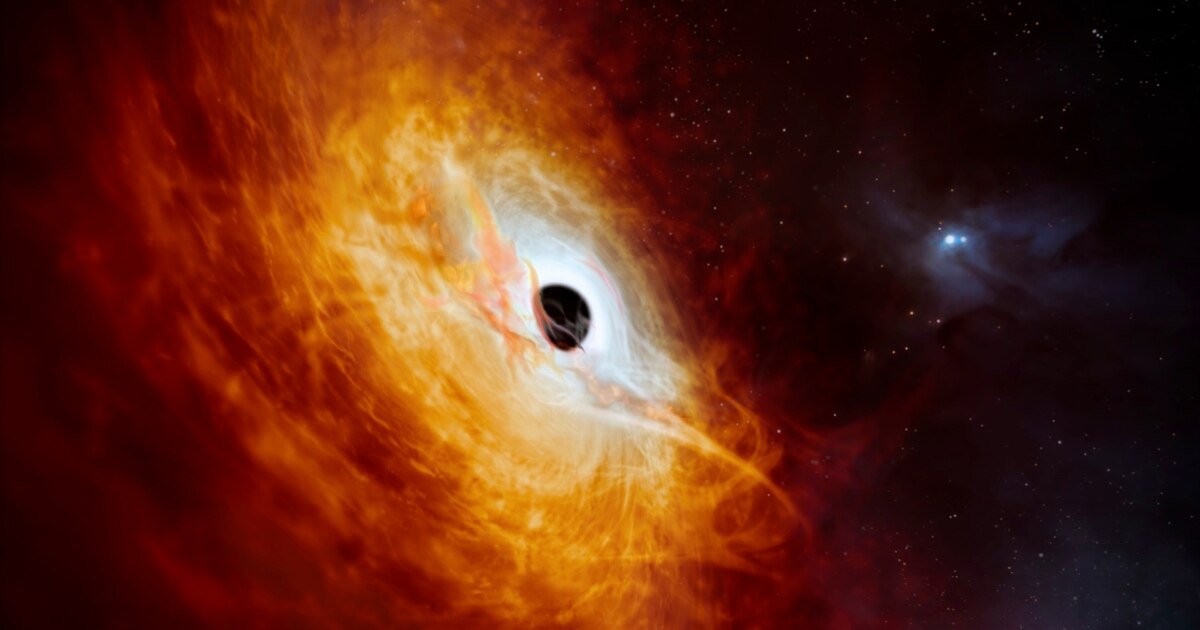
- Black holes
- Space itself
Without astronomy, all of this would just be mystery. Astronomy turns mystery into knowledge.
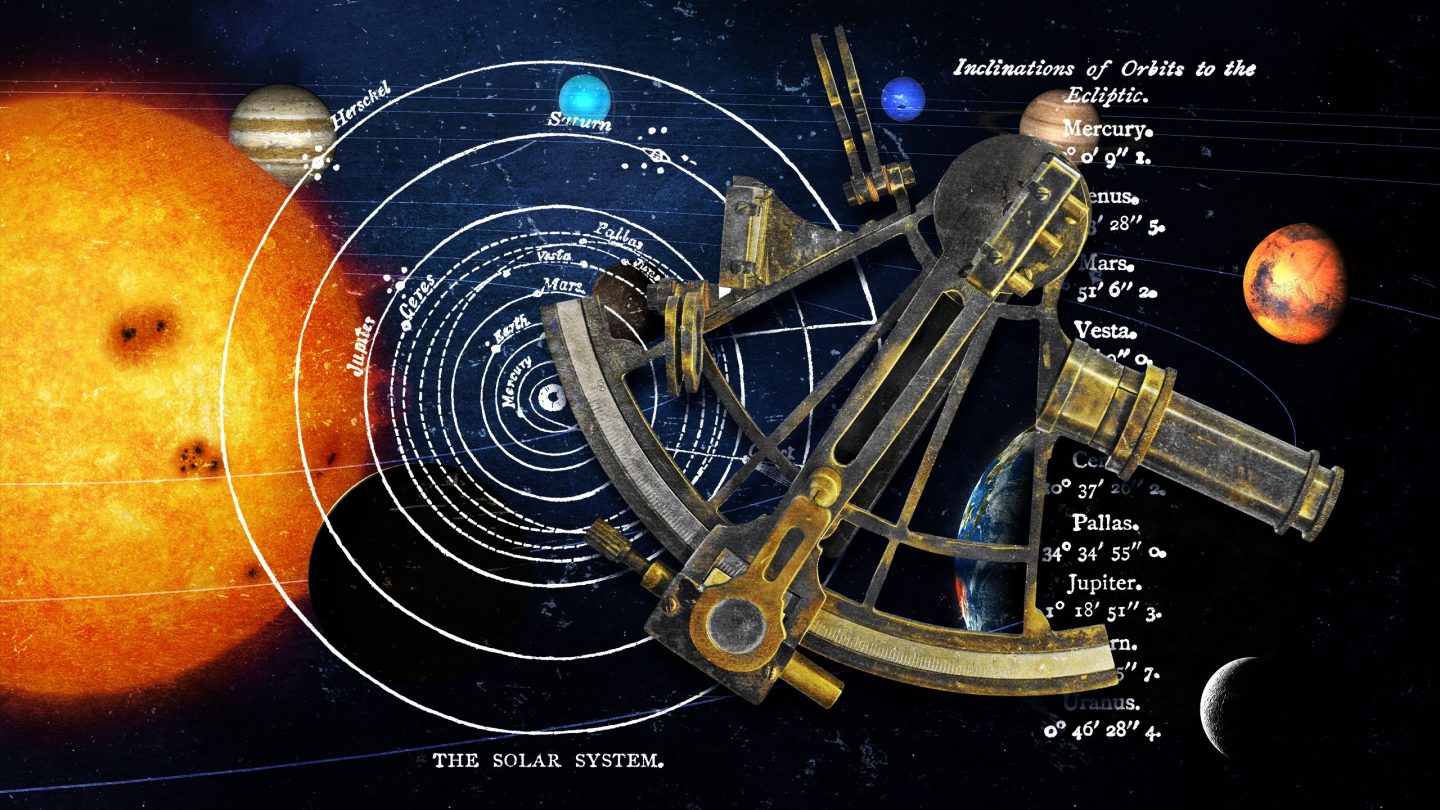
For example, we now know that Earth is just one small planet in a huge solar system, and our solar system is just a tiny part of a massive galaxy called the Milky Way.
It shows us our place in space
Astronomy helps us realize something very important: we are small, but we are part of something huge.
When you look at the night sky, it feels peaceful and beautiful. But astronomy tells us that every star you see is a giant sun, many of them much bigger than our own Sun.
This changes the way we think about life. It makes us more curious, humble, and open-minded.
It answers big questions about life
One of the most exciting parts of astronomy is that it tries to answer questions like:
- How did the universe begin?
- How old is everything?
- Is there life on other planets?
Scientists believe the universe started with a big event called the Big Bang. Since then, it has been expanding for billions of years.
These ideas help us understand not only space, but also our own existence.
Astronomy improves technology on Earth
Many people don’t realize that astronomy is not just about space. It also helps improve life on Earth.
For example:
- Satellites help with GPS navigation
- Weather forecasts use space data
- Communication systems depend on space technology
- Medical imaging was inspired by space research
So even if you are not an astronomer, astronomy still affects your daily life.
It inspires curiosity and imagination
Astronomy is one of the most inspiring sciences. It makes people ask questions and imagine possibilities.
When you think about:
- Black holes that swallow light
- Stars that explode in supernovas
- Planets outside our solar system
…it sparks curiosity. It pushes people to learn more and explore further.
Many scientists say they became interested in science just by looking at the night sky as children.
It helps us search for other worlds
Astronomy is also about searching for planets beyond our solar system, called exoplanets.
Scientists study these planets to see if they:
- Have water
- Have the right temperature
- Could support life
This is one of the biggest goals of space science today.
Agencies like NASA are constantly exploring space to find answers to these questions.
It teaches us about time and distance
Astronomy deals with distances and time that are hard to imagine.
For example:
- Light from the Sun takes about 8 minutes to reach Earth
- Light from distant stars can take years, even millions of years
This means when we look at the night sky, we are actually looking into the past.
This idea alone shows how powerful astronomy is in changing our understanding of time.
It explains the life cycle of stars
Stars are not permanent. Astronomy shows us that stars are born, live, and die.
- They are born from clouds of gas and dust
- They shine for millions or billions of years
- Some explode into supernovas
- Others become black holes or small dense stars
This life cycle of stars is one of the most fascinating parts of astronomy.
It helps us understand Earth better
By studying other planets, astronomers learn more about Earth too.
For example:
- Why Earth has water while other planets don’t
- How climate works on different planets
- What makes Earth suitable for life
This helps scientists protect our planet and understand climate change better.
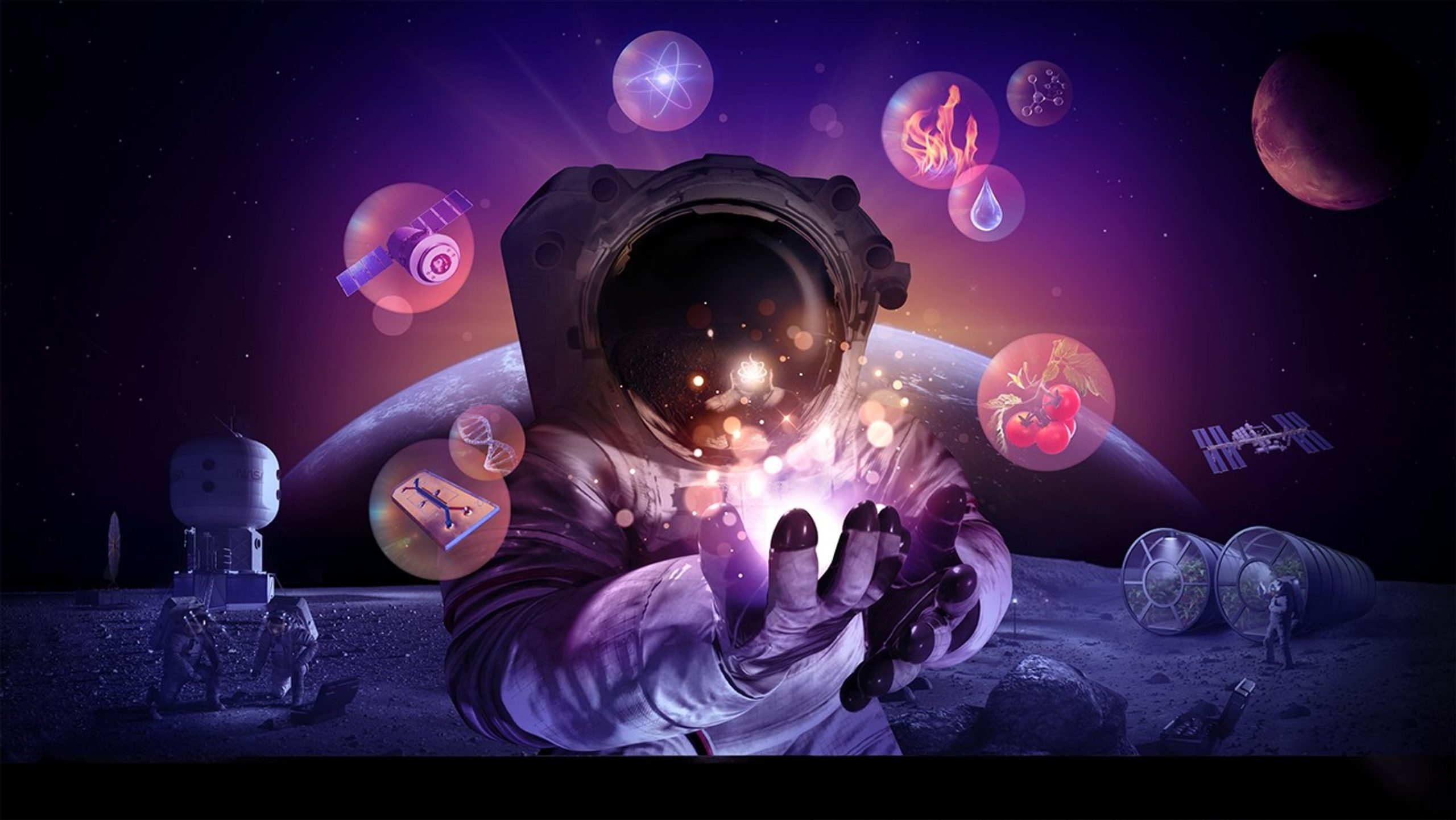
It builds future space exploration
Astronomy is the foundation of space exploration.
Without it, we would not have:
- Moon missions
- Mars rovers
- Space telescopes
- Deep space probes
Future missions aim to explore Mars, asteroids, and even distant moons that might have oceans.
Astronomy makes all of this possible.
It connects science with wonder
One of the most beautiful things about astronomy is that it mixes science with emotion.
It is not just formulas and telescopes. It is also:
- Wonder when you see a shooting star
- Curiosity when you see planets in the sky
- Peace when you look at the night sky
It reminds us that science is not just knowledge—it is also experience.
Final thoughts
Astronomy matters because it helps us understand the universe and our place in it. It connects science, technology, and imagination in a way that few other subjects can.
In simple words:
Astronomy turns curiosity into understanding and wonder into knowledge.
It teaches us that the universe is vast, beautiful, and full of mysteries waiting to be discovered.
Read Also: Keep your face towards the sunshine and shadows will fall behind you
Watch Also: https://www.youtube.com/@TravelsofTheWorld24








Leave a Reply