
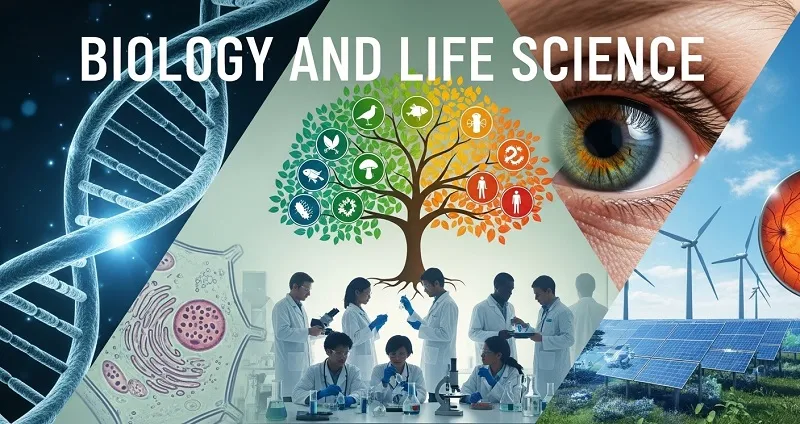
If you’re a student or just curious about science, you’ve probably heard the terms biology and life science. At first, they sound like the same thing—and honestly, they are very closely related. But there are some small differences that are important to understand.
Don’t worry, this guide will explain everything in a very simple and friendly way. By the end, you’ll clearly know what biology is, what life science is, how they are similar, how they are different, and what kind of careers you can choose in these fields.
What is Biology?
Biology is the study of living things. It focuses on understanding how organisms live, grow, function, and interact with their environment.
In simple words, biology helps you understand life at a basic and detailed level.
It includes studying:
- Humans
- Animals
- Plants
- Microorganisms
Biology is divided into smaller branches like:
- Zoology – study of animals
- Botany – study of plants
- Microbiology – study of tiny organisms
When you study biology, you mainly focus on how living things work naturally.
What is Life Science?
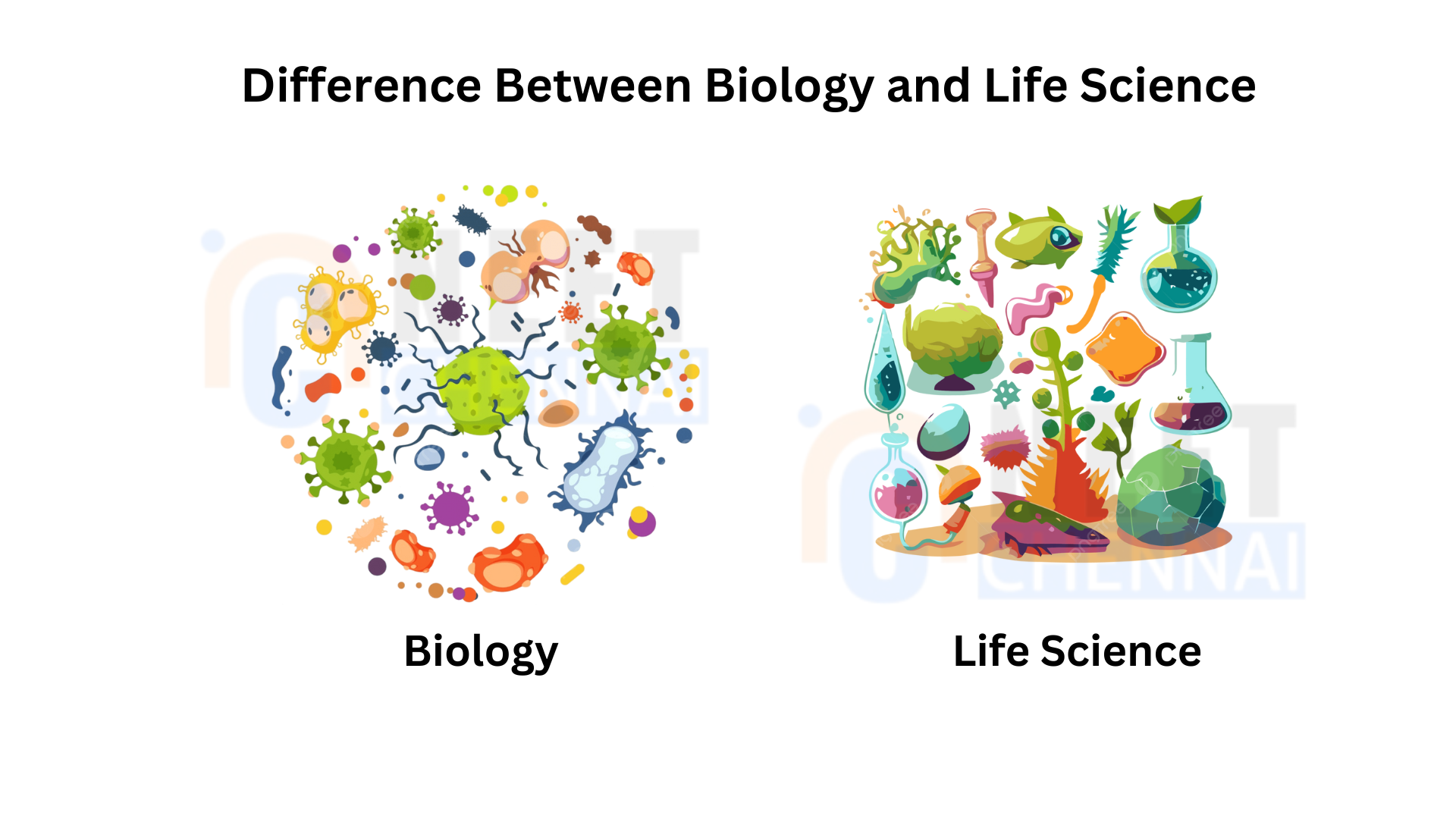
Life science is a broader field. It includes biology and many other subjects that are related to life.
In simple words:
Biology is a part of life science, but life science is bigger.
Life science includes:
- Biology
- Genetics
- Biochemistry
- Biotechnology
- Ecology
- Molecular biology
Life science not only studies living things but also looks at how they connect with chemistry, technology, and the environment.
Key Differences Between Biology and Life Science
Let’s break it down in the easiest way possible.
1. Scope (How Big the Field Is)
- Biology → Smaller, focused subject
- Life Science → Larger field that includes biology
👉 Think of biology as one subject, and life science as a group of subjects.
2. Focus Area
- Biology → Studies living organisms directly
- Life Science → Studies life plus related scientific areas
3. Subjects Included
- Biology → Zoology, botany, microbiology
- Life Science → Biology + genetics, biotechnology, biochemistry
4. Level of Study
- Biology → Basic to intermediate (school level)
- Life Science → Advanced (college and research level)
5. Approach
- Biology → Natural study of life
- Life Science → Combines biology with chemistry and technology
Similarities Between Biology and Life Science
Even though there are differences, both fields are closely connected.
1. Both Study Life
Both biology and life science focus on living organisms.
2. Both Use Scientific Methods
They both use experiments, observation, and research to understand life.
3. Both Are Important for Health and Environment
They help us understand diseases, improve healthcare, and protect nature.
4. Both Offer Career Opportunities
You can build a successful career in either field.
Simple Comparison Table
| Feature | Biology | Life Science |
|---|---|---|
| Meaning | Study of living organisms | Study of life and related sciences |
| Scope | Narrow | Broad |
| Includes | Plants, animals, microbes | Biology + other advanced fields |
| Level | School to early college | Advanced and research-based |
| Focus | Living things | Life + processes + technology |
Real-Life Examples
Let’s make it super easy with examples.
- Studying how plants grow → Biology
- Using plants to make medicines → Life Science
- Learning how the heart works → Biology
- Studying how drugs affect the heart → Life Science
Why These Subjects Matter
Both biology and life science are very important in real life.
They help us:
- Understand our bodies
- Stay healthy
- Discover new medicines
- Protect the environment
- Improve food production
Without these fields, modern healthcare and technology wouldn’t exist.
Career Scope in Biology
If you choose biology, you have many career options.
Some common ones are:
- Doctor
- Nurse
- Teacher
- Zoologist
- Botanist
- Lab technician
These careers are mostly related to healthcare, education, and research.
Career Scope in Life Science
Life science offers even wider and more advanced career paths.
Some options include:
- Biotechnologist
- Genetic engineer
- Research scientist
- Pharmacist
- Microbiologist
- Environmental scientist
These careers often involve research, innovation, and technology.
Which One Should You Choose?
It depends on your interest.
- If you like learning about living things in a simple and direct way → Biology is great
- If you want to explore deeper topics and work with technology → Life science is better
Most students start with biology and then move into life science fields later.
Role in Exams Like NEET
For exams like NEET:
- Biology is the main subject
- But topics like genetics and biochemistry (from life science) are also important
So, understanding both gives you an advantage.
Common Misunderstanding
Many people think biology and life science are exactly the same.
Here’s the simple truth:
- Biology = part of life science
- Life science = bigger field that includes biology
Once you understand this, the confusion is gone.
Benefits of Studying These Fields
Studying biology and life science helps you:
- Understand life better
- Make healthy choices
- Think logically and solve problems
- Explore exciting careers
- Contribute to society
Final Thoughts
To keep it very simple:
- Biology focuses on living things
- Life Science includes biology and goes beyond it
Both are important, interesting, and full of opportunities. Whether you want to become a doctor, scientist, or researcher, these subjects can help you reach your goals.
In the end, they both teach one powerful thing—how life works.
Read Also: Keep your face towards the sunshine and shadows will fall behind you
Watch Also: https://www.youtube.com/@TravelsofTheWorld24






Leave a Reply