
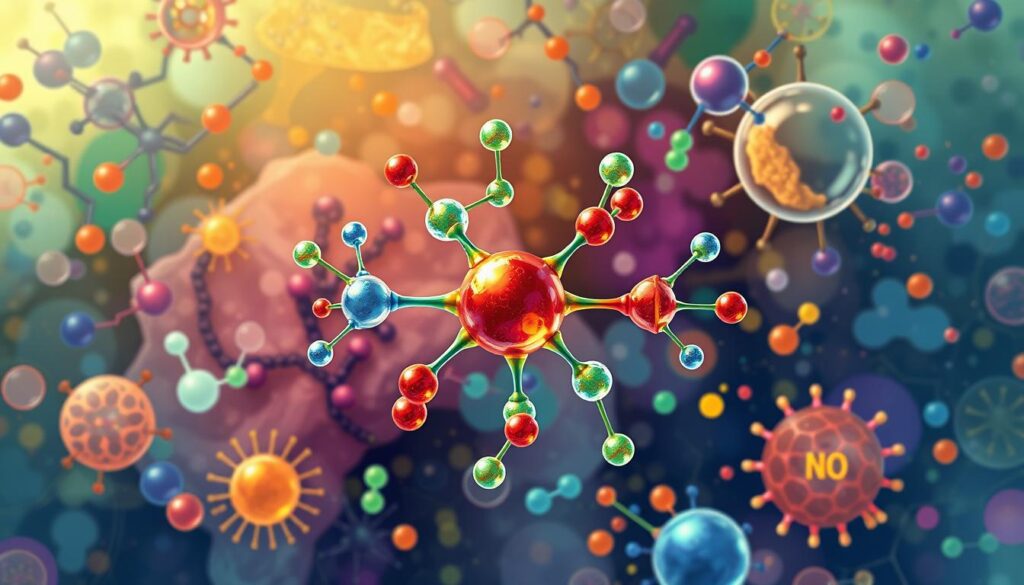
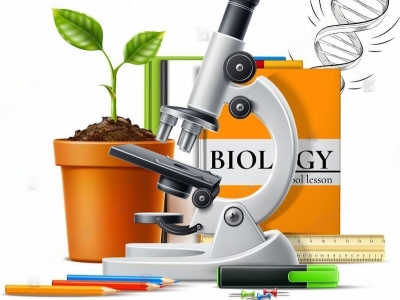
Biological science, often simply called biology, is the study of life and living things. It looks at everything from tiny microscopic organisms to large animals and plants, including humans. If you’ve ever wondered how your body works, why plants need sunlight, or how animals survive in the wild, you’re already thinking like a biology student.
In this guide, we’ll walk through what biological science really means, what it covers, why it matters, and how it connects to your everyday life—all in a simple and easy way.
What Does Biological Science Mean?
Biological science is the study of living organisms and how they interact with each other and their environment. The word “biology” comes from two Greek words: “bios” meaning life, and “logos” meaning study.
So, biology literally means “the study of life.”
It includes:
- How living things are structured (their bodies)
- How they grow and develop
- How they get energy and survive
- How they reproduce
- How they respond to their environment
What Are Living Things?
Before understanding biology, it’s important to know what makes something “alive.” Living things share some common features:
- They grow and develop
- They use energy
- They respond to changes around them
- They reproduce
- They are made of cells
Cells are the basic units of life. Some organisms have just one cell (like bacteria), while others, like humans, have trillions of cells.
Main Branches of Biological Science
Biology is a big field, so it is divided into different branches to make it easier to study.
1. Zoology (Study of Animals)
This branch focuses on animals—how they live, behave, and interact with their surroundings.
2. Botany (Study of Plants)
Botany deals with plants, including how they grow, reproduce, and produce food through sunlight.
3. Microbiology (Study of Microorganisms)
This branch studies tiny organisms like bacteria and viruses that can only be seen with a microscope.
4. Genetics (Study of Heredity)
Genetics explains how traits are passed from parents to children, like eye color or height.
5. Ecology (Study of Environment)
Ecology looks at how living things interact with each other and their surroundings, like ecosystems and food chains.
6. Anatomy and Physiology
These branches focus on the structure of living bodies and how their systems function.
Why Is Biological Science Important?
Biology is not just a subject in school—it plays a big role in our daily lives and the world around us.
Understanding Your Body
Biology helps you understand how your body works. You learn about organs, systems, and health.
Better Health Choices
When you understand how your body reacts to food, exercise, and disease, you can make better decisions.
Protecting the Environment
Biology teaches us how to care for nature and protect ecosystems.
Solving Problems
Scientists use biology to develop medicines, improve food production, and fight diseases.
How Biological Science Works
Biology uses a simple process to understand life, often called the scientific method.
- Ask a question
- Make a guess (hypothesis)
- Test it through experiments
- Observe results
- Draw conclusions
This method helps scientists find accurate answers and make discoveries.
The Role of Cells
Cells are the building blocks of all living things. There are two main types:
- Single-celled organisms: like bacteria
- Multi-celled organisms: like humans and animals
Each cell has a specific function. For example:
- Some cells help in movement
- Some carry oxygen
- Some help in digestion
Understanding cells is very important in biology because everything starts from them.
How Living Things Survive
All living things need certain basic things to survive:
- Food (energy)
- Water
- Air
- Suitable environment
Plants make their own food using sunlight, while animals depend on plants or other animals for food.
Reproduction and Growth
Living things reproduce to continue their species. There are two main types:
- Asexual reproduction: one parent
- Sexual reproduction: two parents
Growth means increasing in size and developing over time. For example, a baby grows into an adult.
Evolution and Change
Biology also explains how living things change over time. This process is called evolution.
It shows how species adapt to their environment to survive better. For example:
- Animals in cold areas have thick fur
- Some birds have strong beaks for breaking seeds
Biology in Everyday Life
You might not realize it, but biology is everywhere in your daily life.
- Cooking involves biological changes
- Eating healthy depends on nutrition knowledge
- Gardening uses plant biology
- Medicines are based on biological research
Even simple things like washing hands to avoid germs come from biology.
What is Biological Science? Easy Guide for Beginners
Careers in Biological Science
Biology offers many career options. You don’t have to be a doctor—there are many paths.
Some examples:
- Doctor or nurse
- Pharmacist
- Scientist
- Environmentalist
- Teacher
- Biotechnologist
These careers help improve human life and protect the planet.
Technology and Biology
Modern biology is closely linked with technology. Scientists use advanced tools to study life.
Some examples:
- DNA testing
- Genetic engineering
- Development of vaccines
- Cloning and stem cell research
These advancements are helping solve many global problems.
Environmental Importance
Biology helps us understand environmental issues like:
- Pollution
- Climate change
- Loss of wildlife
With this knowledge, we can take steps to protect our planet.
Understanding Diseases
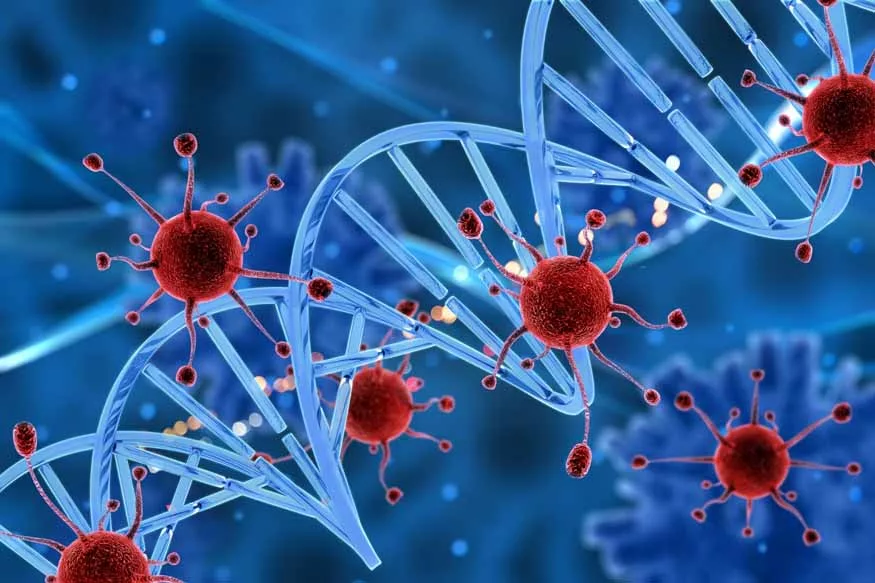
Biology explains how diseases spread and affect the body. It also helps in finding cures.
You learn about:
- Bacteria and viruses
- Immune system
- Prevention methods
This knowledge is very useful for staying healthy.
Why Students Should Learn Biology
Biology is not just about passing exams—it helps you in real life.
- You understand yourself better
- You make smarter health choices
- You become aware of your environment
- You develop thinking and problem-solving skills
Fun Facts About Biology
- The human body has trillions of cells
- DNA carries all your genetic information
- Plants can “communicate” with each other
- Some bacteria are helpful, not harmful
These facts show how amazing biology really is.
Final Thoughts
Biological science is the study of life in all its forms. It helps us understand how living things work, how they grow, and how they interact with the world around them.
From your own body to the environment, biology is everywhere. It teaches you how to stay healthy, protect nature, and understand the world in a deeper way.
In simple words, biology helps you understand life—and that’s something everyone can benefit from.
Read Also: Keep your face towards the sunshine and shadows will fall behind you
Watch Also: https://www.youtube.com/@TravelsofTheWorld24




Leave a Reply