
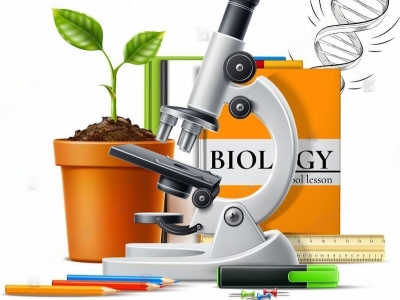
The biggest benefit of studying biology is that it helps you understand life. You learn how humans, animals, plants, and even microorganisms live and function. For example, you discover how your body works—how your heart pumps blood, how your lungs help you breathe, and how your brain controls everything you do.
This knowledge makes you more aware of your own body and health. You begin to understand why sleep is important, why food matters, and how diseases affect the body.
Better Health Awareness
Biology teaches you how to take care of your health. You learn about nutrition, exercise, hygiene, and diseases. This helps you make better decisions in daily life.
For example:
- You understand why eating healthy food is important.
- You know how infections spread and how to avoid them.
- You learn the importance of vaccines and medicines.
This knowledge not only helps you but also allows you to guide your family and friends in staying healthy.
Career Opportunities
Biology opens the door to many career options. It is not limited to becoming a doctor. There are many fields you can choose from depending on your interest.
Some popular careers include:
- Doctor or surgeon
- Nurse or healthcare worker
- Pharmacist
- Scientist or researcher
- Environmentalist
- Biotechnologist
- Teacher or professor
Even fields like agriculture, food science, and genetics are based on biology. So, studying biology gives you many paths for your future.
Understanding Nature and Environment
Biology helps you understand nature. You learn about plants, animals, ecosystems, and how everything is connected.
For example:
- You understand how trees produce oxygen.
- You learn how animals depend on plants and each other.
- You discover how pollution affects the environment.
This knowledge makes you more responsible toward nature. You start caring about protecting the environment and using resources wisely.
Helps Solve Real-Life Problems
Biology is very useful in solving real-world problems. Scientists use biology to find cures for diseases, improve crops, and protect endangered species.
For example:
- New medicines are developed through biological research.
- Crops are improved to grow better and resist diseases.
- Environmental issues like climate change are studied using biology.
This means biology plays a big role in making the world a better place.
Improves Critical Thinking
Studying biology improves your thinking skills. You learn how to observe, ask questions, and find answers.
For example:
- Why do plants grow toward sunlight?
- How do animals adapt to their environment?
- What causes certain diseases?
By trying to answer these questions, you develop problem-solving skills and logical thinking. These skills are useful in many areas of life, not just science.
Understanding Evolution and Origins
Biology helps you understand where life came from and how it has changed over time. You learn about evolution and how different species developed.
This gives you a bigger picture of life on Earth. You start to see how humans are connected to other living things and how life has evolved over millions of years.
Encourages Curiosity
Biology naturally makes you curious. The more you learn, the more questions you have.
For example:
- How does a tiny seed grow into a big tree?
- How do animals communicate?
- How does the human brain store memories?
This curiosity keeps learning exciting and enjoyable. It also motivates you to explore new ideas and discoveries.
Helps in Daily Life
Biology is not just for classrooms—it is useful in everyday life.
For example:
- Cooking involves biological processes.
- Gardening requires knowledge of plants.
- Understanding food labels helps you eat better.
Even simple things like knowing how your body reacts to stress or illness can make a big difference in your life.
Contribution to Society
People who study biology often contribute to society in important ways. Doctors save lives, scientists discover new treatments, and environmentalists protect nature.
By studying biology, you can become someone who helps others and makes a positive impact on the world.
Advances in Technology
Biology is closely connected to modern technology. Fields like biotechnology and genetic engineering are growing fast.
For example:
- Scientists can modify genes to treat diseases.
- New vaccines are developed using biological research.
- Cloning and stem cell research are based on biology.
This shows how biology is shaping the future and improving human life.
Understanding Diseases
Biology helps you understand diseases and how they affect the body. You learn about bacteria, viruses, and other harmful organisms.
This knowledge helps in:
- Preventing diseases
- Understanding symptoms
- Knowing when to seek medical help
It also helps reduce fear because you understand what is happening inside the body.
Environmental Protection
Biology plays a key role in protecting the environment. You learn about pollution, climate change, and conservation.
This knowledge helps you:
- Reduce waste
- Save energy
- Protect wildlife
You become more aware of your actions and how they affect the planet.
Teamwork and Communication Skills
In biology studies, especially in labs and projects, you often work with others. This improves your teamwork and communication skills.
You learn how to:
- Share ideas
- Work together
- Present your findings
These skills are useful in any career you choose.
Personal Growth
Studying biology helps in personal development. You become more aware, responsible, and informed.
You start to:
- Think more deeply about life
- Respect living things
- Make better decisions
This makes you a more thoughtful and knowledgeable person.
Understanding Human Behavior
Biology also helps you understand human behavior. You learn how the brain works and how hormones affect emotions and actions.
This can help you:
- Manage stress
- Understand feelings
- Improve relationships
It gives you a better understanding of yourself and others.
Read Also: Keep your face towards the sunshine and shadows will fall behind you
Watch Also: https://www.youtube.com/@TravelsofTheWorld24








Leave a Reply