
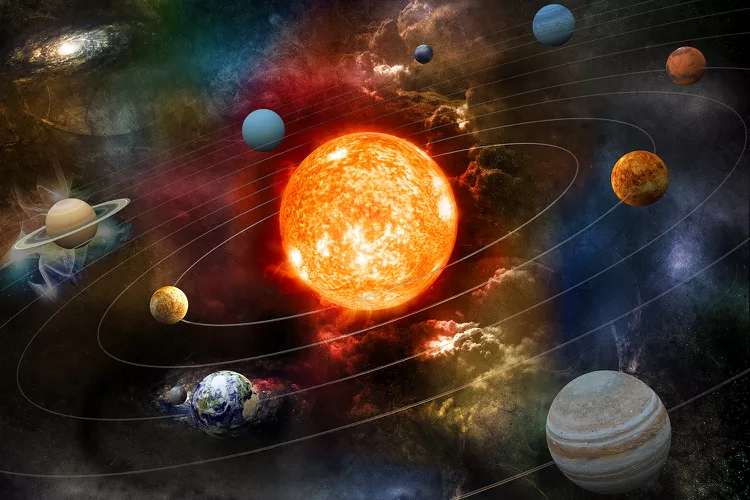
Sky lovers are in for a special treat this weekend. A rare event called a “planet parade” is happening, where six planets will appear lined up in the sky. These events don’t happen often, so it’s a great chance for anyone interested in space to step outside and enjoy something amazing.
You don’t need to be a scientist or own expensive equipment. With a little timing and a clear sky, you can see this beautiful event yourself.
Let’s go step by step so you don’t miss it.
What Is a Planet Parade?
A planet parade happens when several planets appear in the sky at the same time, forming a loose line. They are not actually close together in space, but from Earth, they look like they are lined up.
In this event, six planets will be visible:
- Mercury
- Venus
- Mars
- Jupiter
- Saturn
- Neptune
Four of these can usually be seen with the naked eye, while the others may need binoculars or a telescope.
Why Is This Event Special?
Planet parades are not everyday events. While it’s common to see one or two planets, seeing six together is rare.
This happens because each planet moves around the Sun at a different speed. Sometimes, their positions line up just right so we can see many of them at once.
Events like this remind us how active and dynamic our solar system is.
When Can You See It?
The best time to watch the planet parade is:
- Just before sunrise or
- Just after sunset
The exact timing depends on your location, but usually early morning works best because the sky is darker and clearer.
Try to check the sky about 30–60 minutes before sunrise.
Where to Look in the Sky
Most of the planets will appear along a path called the ecliptic. This is the same path the Sun and Moon follow.
Here’s a simple way to find them:
- Look toward the eastern horizon before sunrise
- Or look toward the western sky after sunset
The planets will look like bright stars, but they won’t twinkle as much.
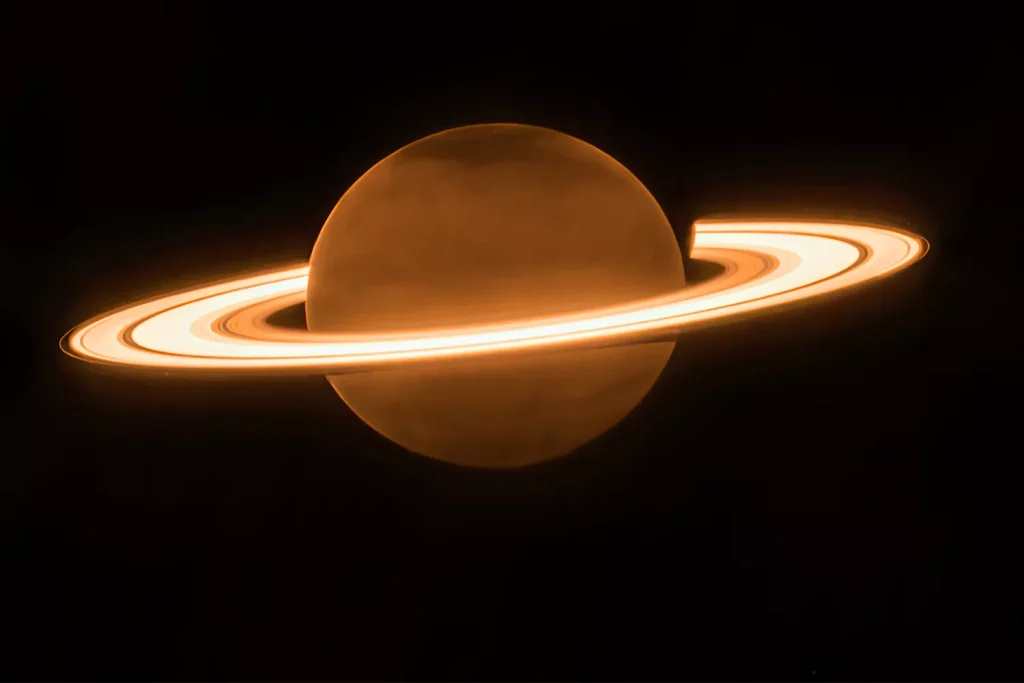
How to Watch the Rare 6-Planet Parade This Weekend
Which Planets Are Easy to See?
Some planets are brighter and easier to spot.
Easy to see (no equipment needed)
- Venus – very bright, often called the “morning star”
- Jupiter – large and bright
- Mars – slightly reddish
A bit harder
- Saturn – dimmer but visible in clear skies
- Mercury – very close to the horizon
Needs equipment
- Neptune – too faint for naked eye
Do You Need a Telescope?
No, you don’t need a telescope to enjoy this event.
But here’s how different tools help:
- Naked eye: You can see 4–5 planets
- Binoculars: Better view, helps spot dim planets
- Telescope: Best for details like rings of Saturn or moons of Jupiter
Even without equipment, the experience is still amazing.
Tips for the Best Viewing Experience
Here are some simple tips to make sure you enjoy the event:
1. Find a Dark Location
Avoid city lights. Go somewhere with less light pollution for a clearer sky.
2. Check the Weather
Clouds can block your view. Make sure the sky is clear before heading out.
3. Give Your Eyes Time
Let your eyes adjust to the dark for about 15–20 minutes.
4. Use a Sky App
Apps can help you find planets easily. Some popular ones include:
- SkyView
- Star Walk 2
Just point your phone at the sky, and they will show you where each planet is.
5. Be Patient
Planets may not all be visible at once. Some rise earlier or later, so keep watching.
Why Do Planets Look Like They’re in a Line?
This happens because all planets orbit the Sun in roughly the same flat plane.
When we look from Earth, this flat plane appears like a line across the sky. That’s why planets often seem to line up.
Can You See This Again Soon?
Planet parades do happen again, but large ones like this are not very common.
You might see smaller alignments more often, but seeing six planets together is something special.
So it’s a good idea to take advantage of this chance.
Fun Facts About the Planets in This Parade
Here are some quick and fun facts:
- Mercury is the closest planet to the Sun
- Venus is the hottest planet
- Mars is known as the Red Planet
- Jupiter is the largest planet
- Saturn has beautiful rings
- Neptune has very strong winds
A Great Chance for Beginners
If you are new to stargazing, this is the perfect event to start.
You don’t need special knowledge. Just go outside, look up, and enjoy.
Events like this can spark curiosity and make you want to learn more about space.
Safety Tips
Watching planets is safe, but keep these in mind:
- Don’t look directly at the Sun
- If watching near sunrise, stop before the Sun becomes bright
- Use proper filters if using a telescope
Make It More Fun
You can turn this into a fun activity:
- Go with friends or family
- Take photos with your phone
- Try to spot all six planets
- Keep a small notebook and write what you see
Final Thoughts
The rare 6-planet parade is a beautiful reminder of how amazing our universe is.
You don’t need to travel far or spend money. Just step outside at the right time, look at the sky, and enjoy the view.
Moments like this don’t come often, so don’t miss your chance.
Take a break from your routine, look up, and connect with the universe—even if just for a few minutes.
Read Also: Keep your face towards the sunshine and shadows will fall behind you
Watch Also: https://www.youtube.com/@TravelsofTheWorld24





Leave a Reply