
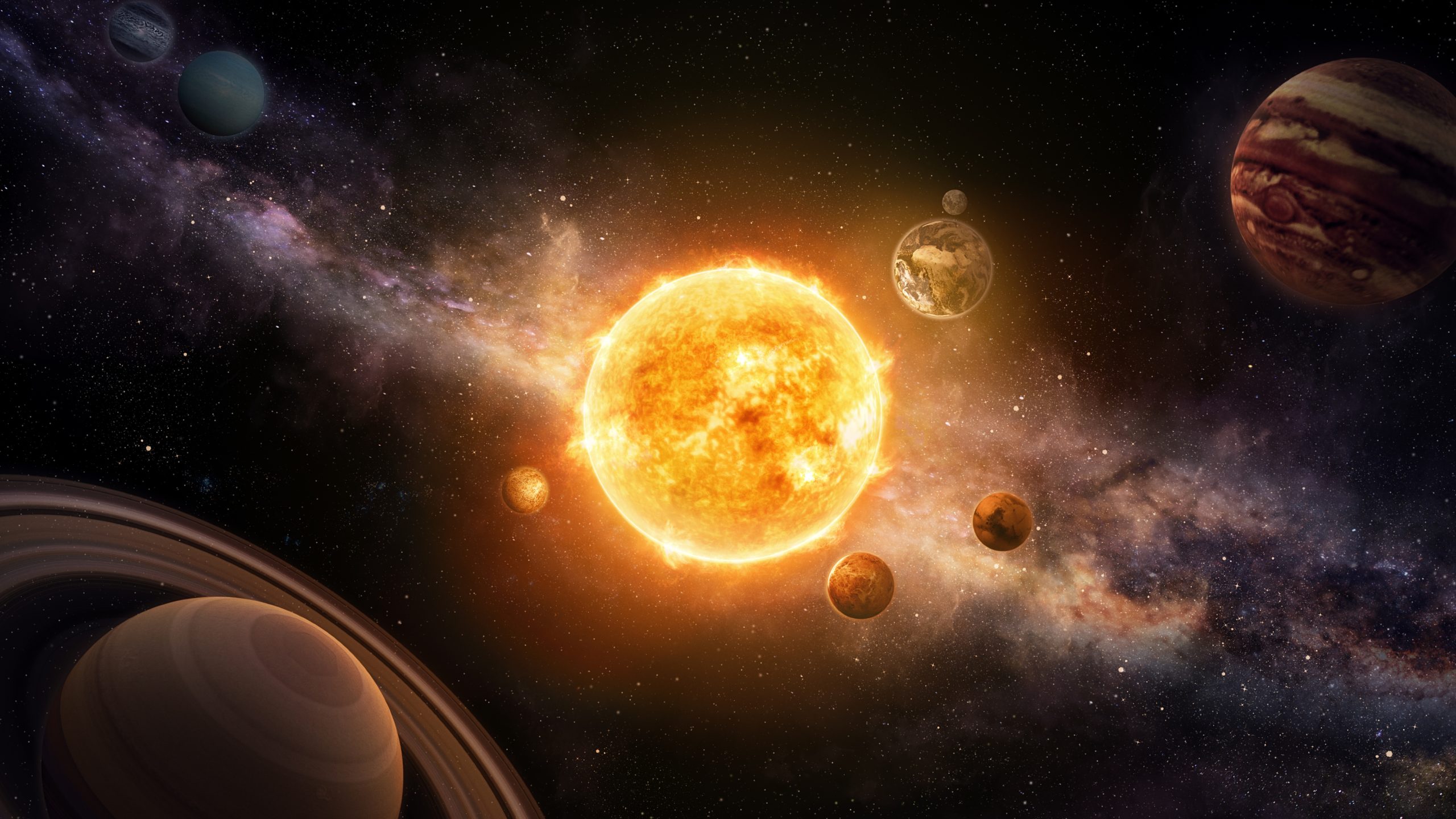
Our solar system is a vast and fascinating place filled with incredible objects, mysterious worlds, and powerful forces. It is home to everything we know — from our planet Earth to the giant Sun that lights up our sky every day. Even though we live inside it, most people are surprised by how big and complex it really is.
In this guide, we will explore the solar system in a simple and clear way so anyone can understand it easily.
What Is the Solar System?
The solar system is a collection of objects that are held together by the gravity of the Sun. It includes:
- The Sun at the center
- Eight planets
- Five officially recognized dwarf planets
- Hundreds of moons
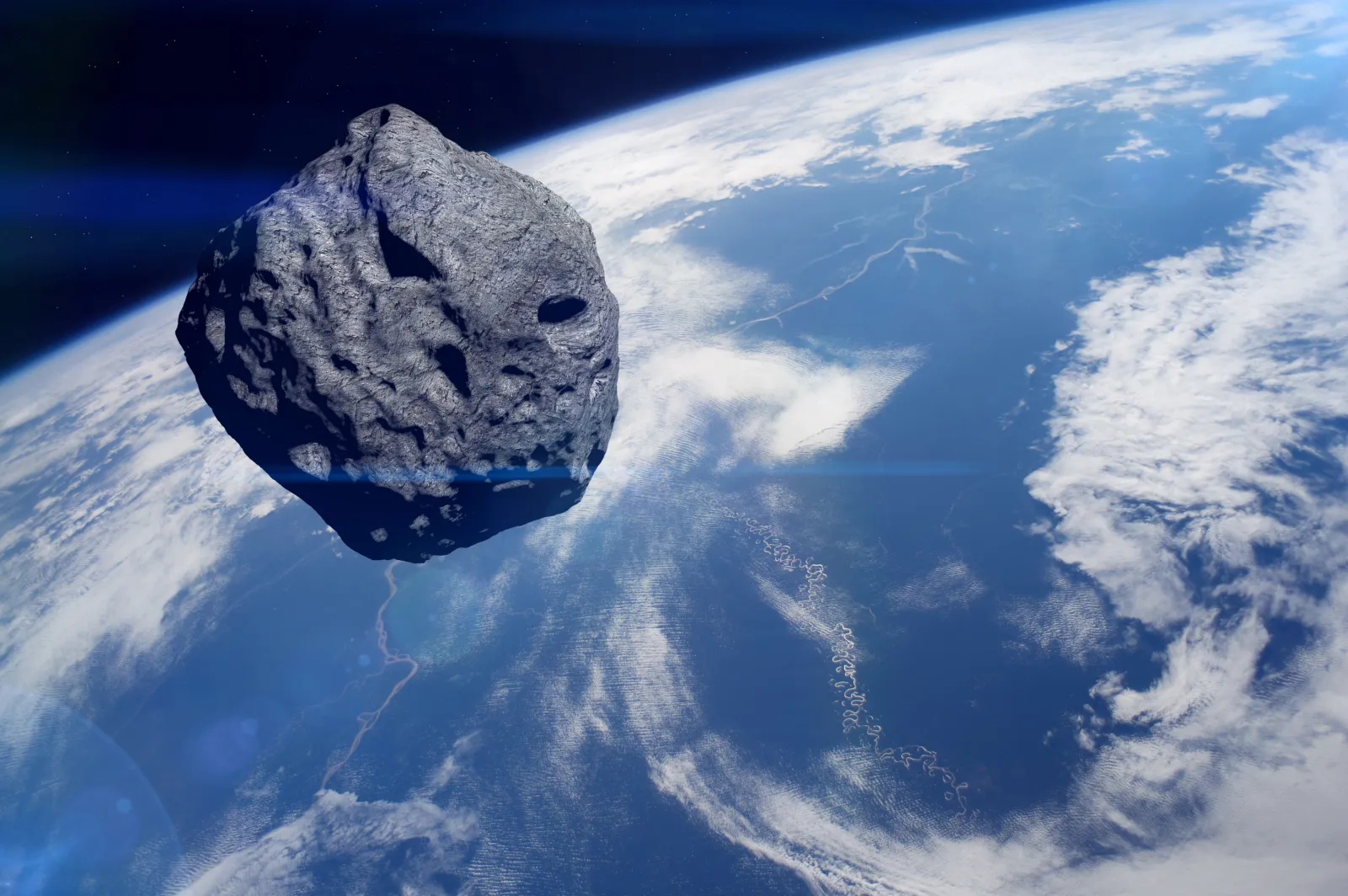
- Millions of asteroids
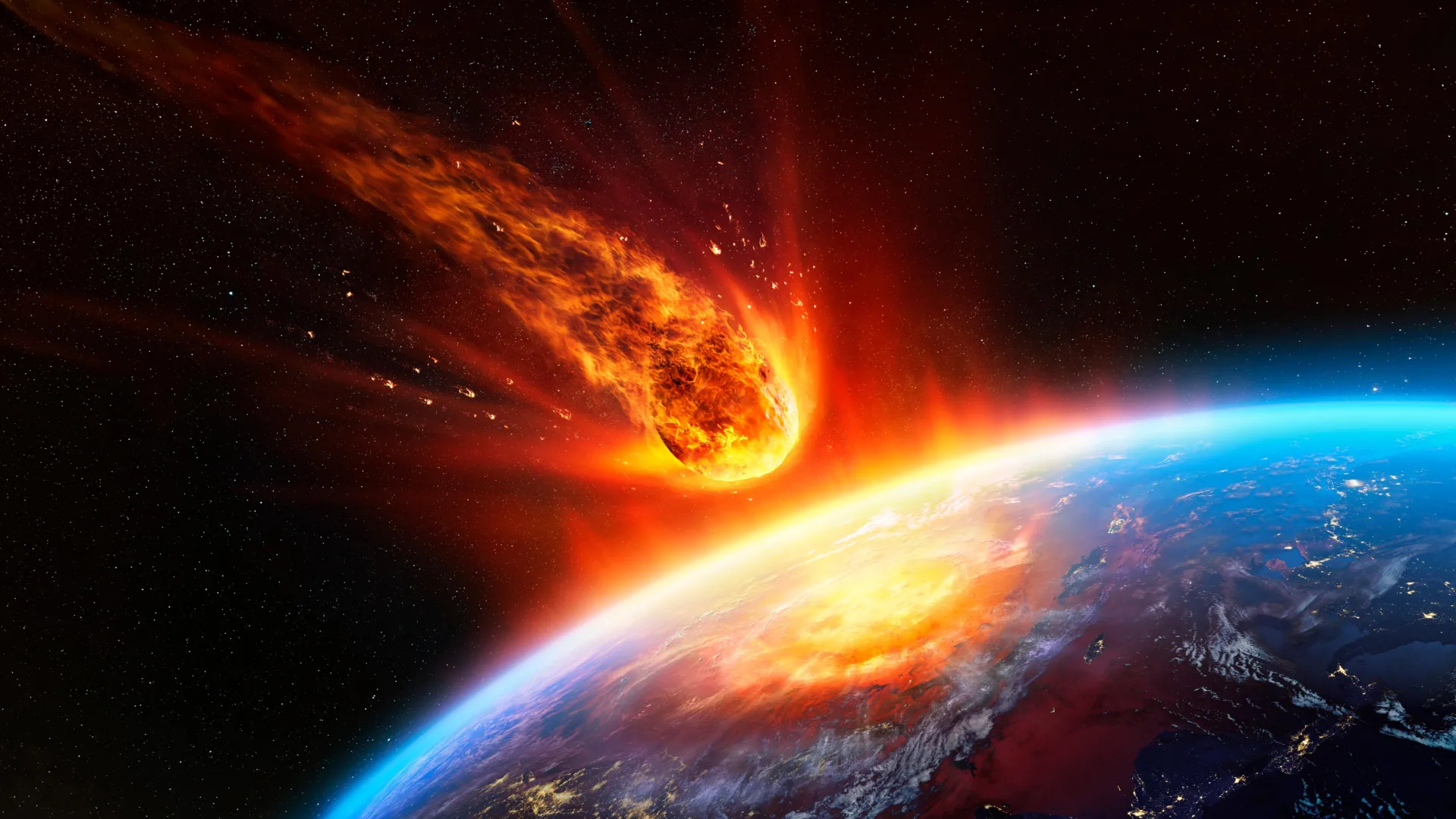
- Countless comets and space rocks
Everything in the solar system moves around the Sun because of its strong gravitational pull.
The Sun: The Heart of the Solar System
The Sun is the most important object in our solar system. It is a huge ball of hot gas that provides light and heat to all the planets.
Without the Sun:
- There would be no life on Earth
- Temperatures would drop extremely low
- Planets would drift through space
The Sun is so massive that it contains about 99.8% of all the mass in the solar system.
The Eight Planets
There are eight official planets in our solar system. They are divided into two groups:
Inner Rocky Planets:
- Mercury
- Venus
- Earth
- Mars
These are small, solid planets made mostly of rock and metal.
Outer Gas and Ice Giants:
- Jupiter
- Saturn
- Uranus
- Neptune
These are much larger and made mostly of gas or ice.
Each planet is unique and has its own environment, temperature, and features.
Dwarf Planets
In addition to the eight planets, there are also dwarf planets.
There are five officially recognized dwarf planets:
- Pluto
- Ceres
- Eris
- Haumea
- Makemake
Dwarf planets are similar to planets but smaller and share their orbits with other objects.
Moons of the Solar System
Moons are natural satellites that orbit planets.
Some planets have many moons, while others have none.
Examples:
- Earth has 1 moon
- Mars has 2 small moons
- Jupiter has over 90 moons
- Saturn also has many large and beautiful moons
Some moons are even more interesting than planets, with oceans, volcanoes, and thick atmospheres.
Asteroids and Comets
The solar system is also filled with smaller objects.
Asteroids:
These are rocky objects mostly found in the asteroid belt between Mars and Jupiter.
Comets:
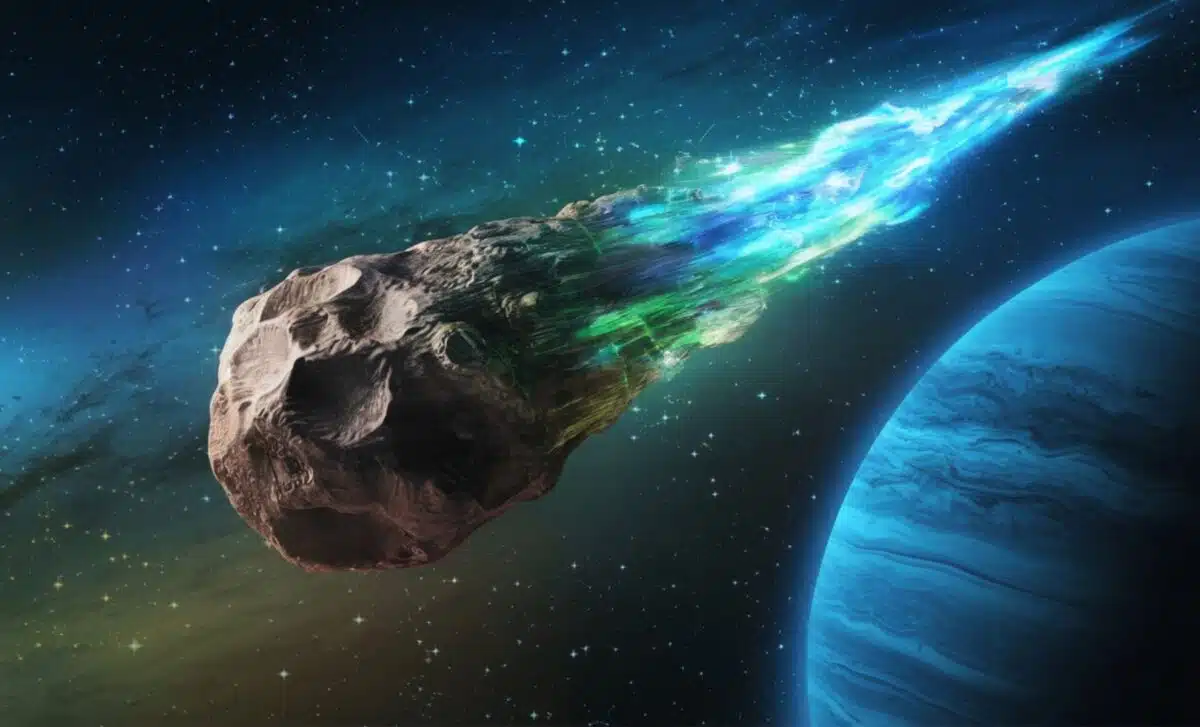
Comets are made of ice, dust, and rock. When they get close to the Sun, they form bright tails.
These objects help scientists understand how the solar system formed.
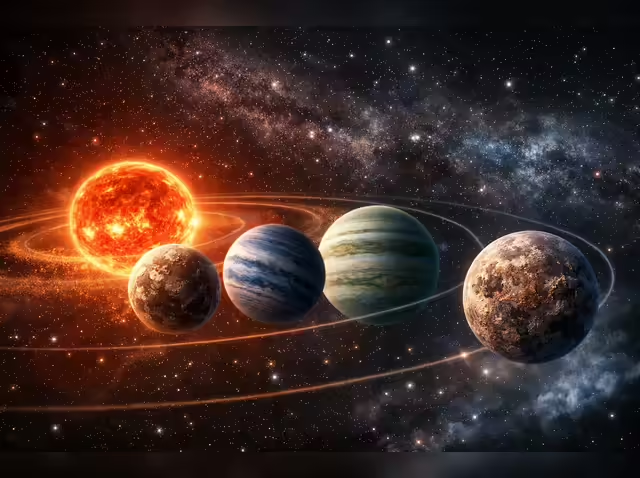
Solar System Facts: Everything You Need to Know About Our Cosmic Home
Where Is Our Solar System Located?
Our solar system is not at the center of the universe. It is located inside a galaxy called the Milky Way.
More specifically:
- The Milky Way is a barred spiral galaxy
- It has two main arms and two smaller arms
- Our solar system is in a small section called the Orion Arm (or Orion Spur)
This means we live in a small corner of a very large galaxy.
The Orion Arm: Our Galactic Neighborhood
The Orion Arm is a minor spiral arm of the Milky Way galaxy. It is located between two larger arms:
- The Sagittarius Arm
- The Perseus Arm
Our solar system is just one of many star systems in this region.
Even though it is called a “minor arm,” it is still incredibly large.
How Fast We Move in Space
Our solar system is not standing still. It is constantly moving through space.
It orbits the center of the Milky Way galaxy at an incredible speed:
About 515,000 miles per hour (828,000 kilometers per hour)
Even at this speed, space is so large that it takes a very long time to complete one full orbit.
One Full Galactic Orbit
It takes our solar system about:
230 million years to complete one orbit around the galaxy
This means:
- Dinosaurs were still alive the last time we were in this position in space
- Earth has traveled a huge distance through the galaxy over time
This journey is sometimes called a “galactic year.”
Why the Solar System Is Important
Our solar system is important because:
- It is our home in space
- It contains all known life (on Earth)
- It helps us study how planets form
- It gives us clues about other star systems
By studying our solar system, scientists can understand how the universe works.
How the Solar System Formed
Scientists believe the solar system formed about 4.6 billion years ago.
It started as:
- A large cloud of gas and dust
- Gravity pulled it together
- The Sun formed at the center
- Planets formed from leftover material
This process is still happening in other parts of the universe today.
Amazing Facts About Our Solar System
Here are some interesting facts:
- Jupiter is the largest planet
- Mercury is the smallest planet
- Venus is the hottest planet
- Mars has the tallest volcano in the solar system
- Saturn has beautiful rings made of ice and rock
- Neptune has the fastest winds
Each world is unique and full of surprises.
The Future of Solar System Exploration
Humans are still learning about our solar system. Space agencies like NASA are planning future missions to:
- The Moon
- Mars
- Asteroids
- Outer planets
Private companies like SpaceX are also helping to make space travel more advanced and affordable.
The goal is to explore more and maybe even live beyond Earth one day.
Final Thoughts
Our solar system is a huge and amazing place filled with planets, moons, stars, and mysteries.
Even though Earth feels like everything to us, it is just a tiny part of a much bigger cosmic system inside the Milky Way galaxy.
We are constantly moving through space at incredible speeds, and our journey through the galaxy has been going on for millions of years.
And as science continues to grow, we are slowly learning more about our place in the universe — one discovery at a time.
Read Also: Keep your face towards the sunshine and shadows will fall behind you
Watch Also: https://www.youtube.com/@TravelsofTheWorld24





Leave a Reply