
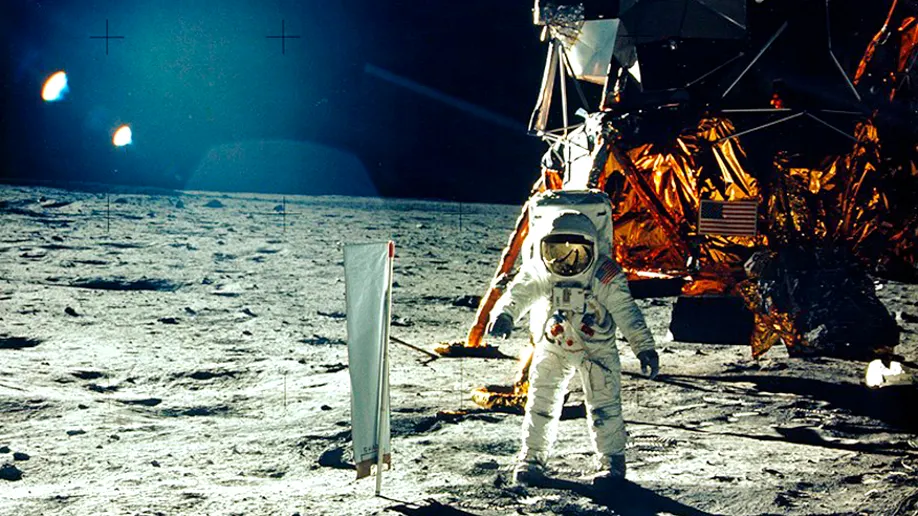
After decades of limited human activity beyond Earth’s orbit, the idea of going back to the Moon is no longer just a dream — it’s becoming a serious priority again. A former division chief at NASA has strongly stated that the time has come to return to the Moon, and not just for short visits, but for a long-term presence.
This statement reflects a bigger shift happening in space exploration today. The Moon is once again at the center of global attention, and many experts believe that going back now is not only important — it is necessary.
Let’s understand why this push is happening and what it means for the future.
Why the Moon Matters Again
For many years after the Apollo missions, the Moon was not the main focus. Space agencies turned their attention to satellites, space stations, and robotic missions.
But now, the Moon is back in focus — and for good reasons.
The Moon is important because:
- It is the closest place in space we can reach
- It can help us test technology for deeper missions
- It has resources like water ice
- It can act as a base for future space travel
In simple terms, the Moon is like a stepping stone for everything that comes next.
What the Former NASA Leader Means
When a former NASA division chief says it’s time to return, it’s not just an opinion — it’s based on years of experience.
The message is clear:
We already have the knowledge
Technology is more advanced now
The world is ready for the next step
Waiting longer could mean losing momentum or falling behind other countries.
The Artemis Program Leading the Way
NASA is already working on returning to the Moon through its Artemis program.
The goals of Artemis are simple but powerful:
- Send astronauts back to the Moon
- Land near the south pole
- Build a long-term human presence
- Prepare for future Mars missions
This is not like the old Apollo missions. This time, the focus is on staying, not just visiting.
Why Now Is the Right Time
There are several reasons why experts believe now is the perfect time to return.
1. Technology Has Improved
Today’s spacecraft, computers, and materials are far more advanced than in the 1960s.
Modern systems are:
- Safer
- More reliable
- More efficient
This makes deep space missions more practical.
2. Private Companies Are Helping
Companies like SpaceX are playing a huge role.
They are:
- Building reusable rockets
- Reducing mission costs
- Speeding up development
This support makes it easier for NASA to achieve its goals faster.
3. Global Competition Is Growing
Other countries are not waiting.
For example, China National Space Administration is also planning its own Moon missions and future base.
This creates a new space race, where being first matters again.
4. The Moon Has Useful Resources
One of the biggest reasons to return is resources.
Scientists believe the Moon has:
- Water ice (which can be turned into drinking water)
- Oxygen (from lunar soil)
- Materials for fuel
These resources can support long-term human missions.
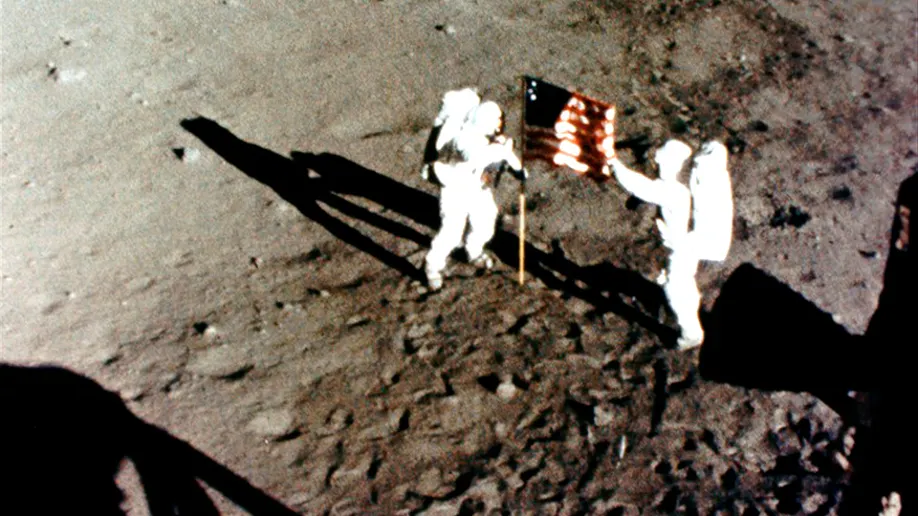
NASA Veteran Says It’s Time to Rebuild a Human Presence on the Moon
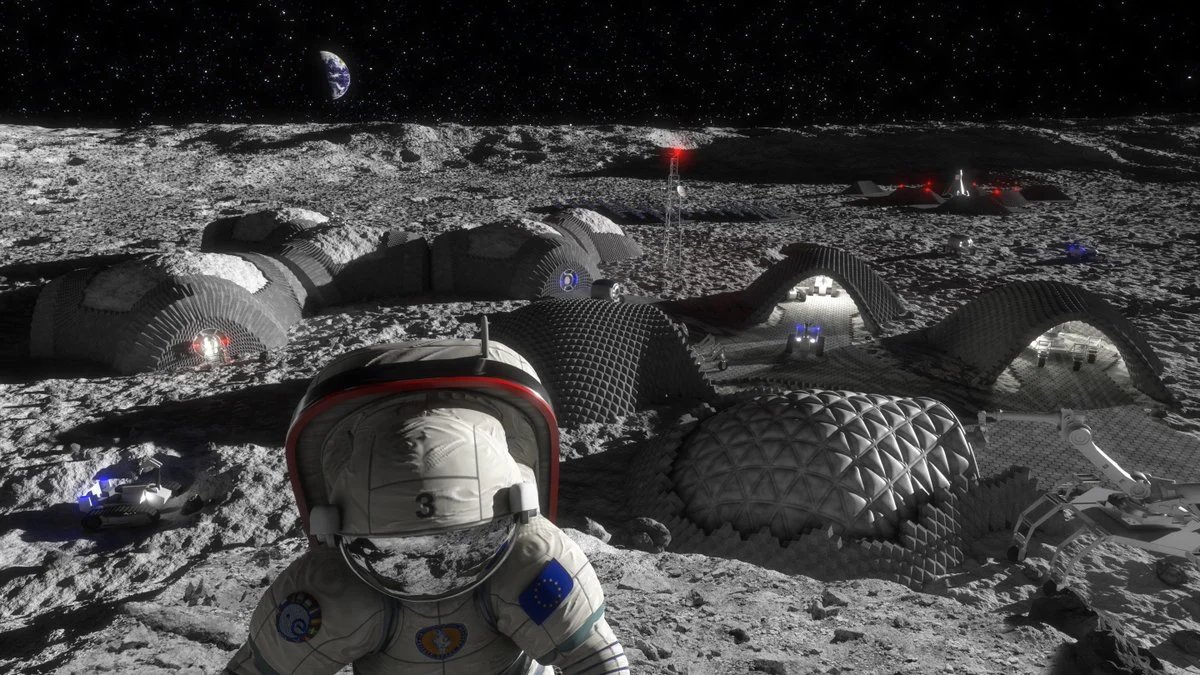
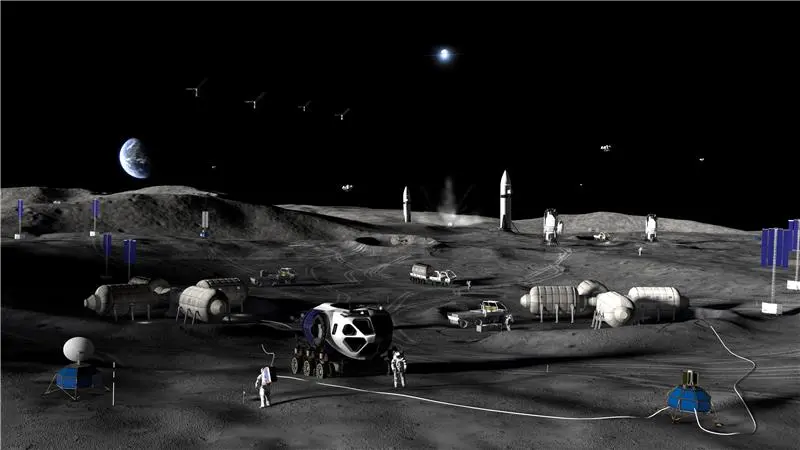
Building a Moon Base: The Bigger Goal
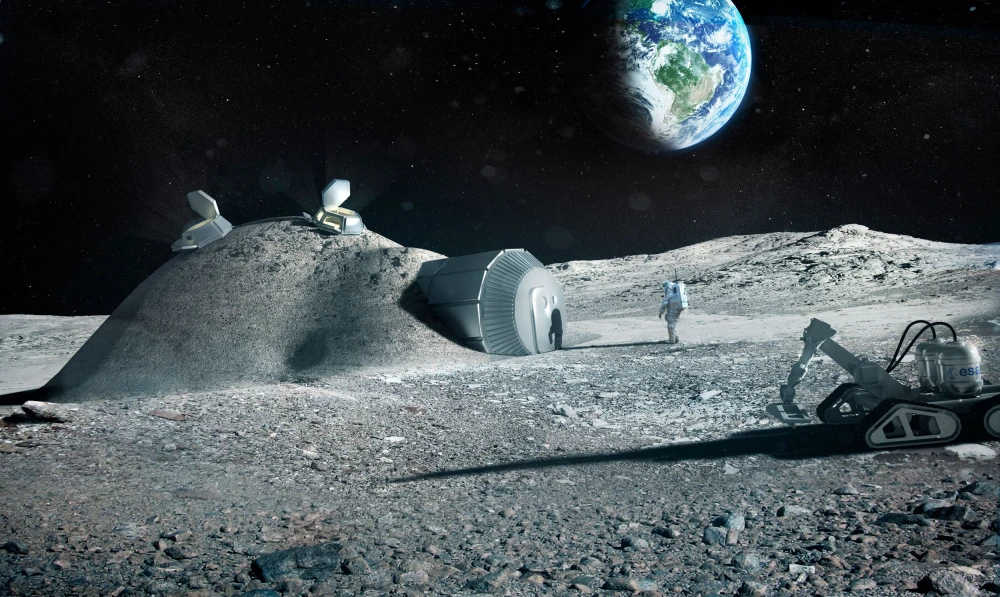
Returning to the Moon is just the first step. The real goal is building a base.
A Moon base could include:
- Living areas for astronauts
- Research labs
- Power systems using sunlight
- Equipment for mining resources
At first, it will be small. But over time, it could grow into something much bigger.
Preparing for Mars
The Moon is not the final destination — Mars is.
But going straight to Mars is very difficult.
So the Moon helps us:
- Test long-duration missions
- Practice living off Earth
- Improve survival systems
- Learn from mistakes
Think of the Moon as a training ground for Mars.
Challenges Still Exist
Even though the timing is right, returning to the Moon is not easy.
There are still major challenges:
Harsh Environment
No air, extreme temperatures, and dangerous radiation.
High Costs
Space missions require a lot of money and planning.
Technical Risks
Even small problems can cause mission failure.
Long-Term Survival
Living on the Moon for months is still a big challenge.
Could This Be a Shared Effort?
Unlike the old space race, this time things might be different.
Instead of one country doing everything, we may see:
- International partnerships
- Shared Moon bases
- Joint missions
Organizations like the European Space Agency are already working with NASA on future plans.
What Happens If We Don’t Return?
The former NASA chief’s message also carries a warning.
If the U.S. delays:
- Other countries could take the lead
- Opportunities in space could be lost
- Progress toward Mars could slow down
In simple words, waiting too long could mean falling behind.
A New Chapter in Space Exploration
Returning to the Moon is not about repeating the past. It is about building the future.
This time:
- Missions will last longer
- Technology will be better
- Goals will be bigger
The Moon could become a place where humans live and work regularly.
Final Thoughts
The call from a former leader at NASA is clear: the time to return to the Moon is now.
With advanced technology, strong support from private companies like SpaceX, and growing global competition from agencies like China National Space Administration, the stage is set for a new era of exploration.
The Moon is no longer just a destination — it is the next step for humanity.
And this time, we are not just going back. We are going to stay.
Read Also: Keep your face towards the sunshine and shadows will fall behind you
Watch Also: https://www.youtube.com/@TravelsofTheWorld24







Leave a Reply