
In a surprising and concerning development, major job cuts have hit two of the United States’ most important science organizations — National Oceanic and Atmospheric Administration (NOAA) and NASA. These agencies play a huge role in everything from weather forecasting to space exploration, so any large reduction in staff raises serious questions about the future of science and research.
Let’s break this down in a simple way so it’s easy to understand what’s happening, why it matters, and what it could mean going forward.
What Are NOAA and NASA?
Before going deeper, it helps to understand what these agencies do.
NOAA (National Oceanic and Atmospheric Administration)
NOAA focuses on Earth science. It handles:
- Weather forecasting
- Climate monitoring
- Ocean research
- Storm warnings (like hurricanes)
Everyday things like weather apps and disaster alerts depend heavily on NOAA.
NASA
NASA is mainly known for space exploration, but it also studies Earth.
NASA works on:
- Moon and Mars missions
- Satellite technology
- Climate and Earth observation
- Scientific research
Both agencies are very important, not just for the U.S., but for the whole world.
What Happened?
Reports suggest that both NOAA and NASA are facing significant job cuts. This means:
- Many employees may lose their jobs
- Some projects could be delayed or canceled
- Research activities may slow down
These cuts are part of broader budget decisions and changes in priorities.
Why Are These Job Cuts Happening?
There are a few main reasons behind this situation.
1. Budget Pressure
Government agencies depend on funding. When budgets are reduced, agencies often have to cut costs, and jobs are one of the biggest expenses.
2. Changing Priorities
Sometimes governments shift focus to other areas like defense, economy, or infrastructure. This can reduce funding for science agencies.
3. Program Restructuring
Agencies may also reorganize their work, which can lead to fewer positions in some departments.
Impact on NOAA
The job cuts at National Oceanic and Atmospheric Administration could have serious effects.
Weather Forecasting
Fewer staff could mean slower or less accurate forecasts.
Climate Research
Important studies about climate change may be delayed or reduced.
Disaster Warnings
NOAA plays a key role in warning people about storms and natural disasters. Any weakness here could affect safety.
Impact on NASA
For NASA, the effects may be different but still significant.
Space Missions
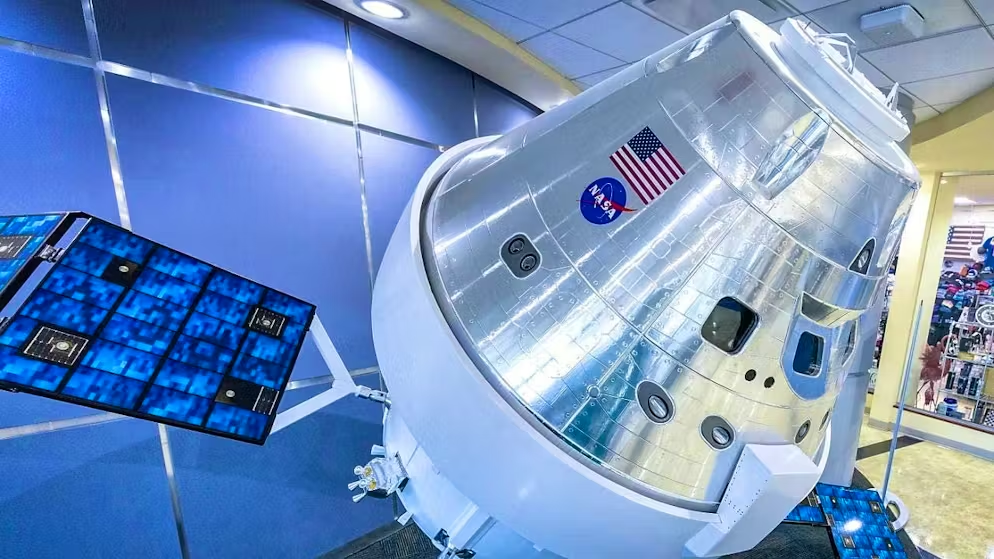
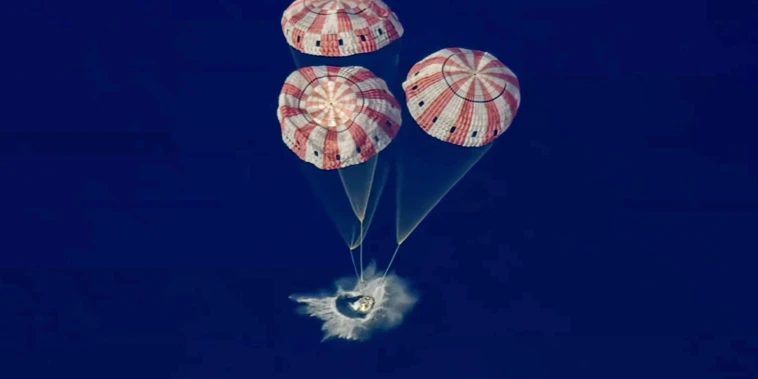
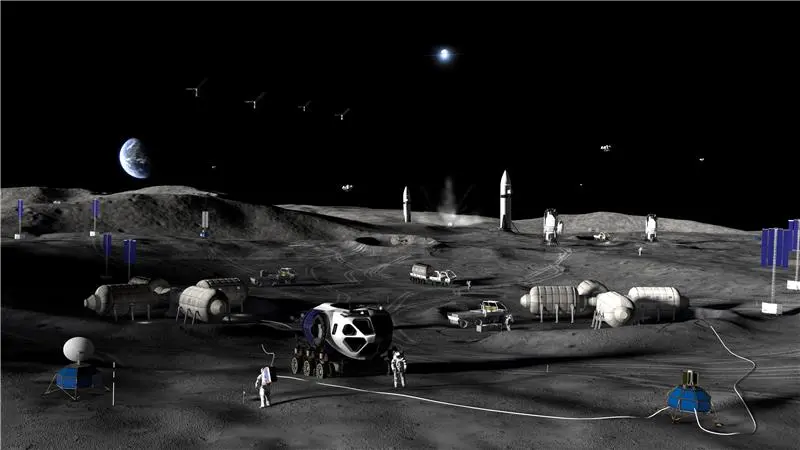
Projects like Moon missions under Artemis could face delays.
Scientific Research
Research in space science and Earth observation may slow down.
Technology Development
New technologies for future missions could take longer to develop.
What About the Artemis Program?
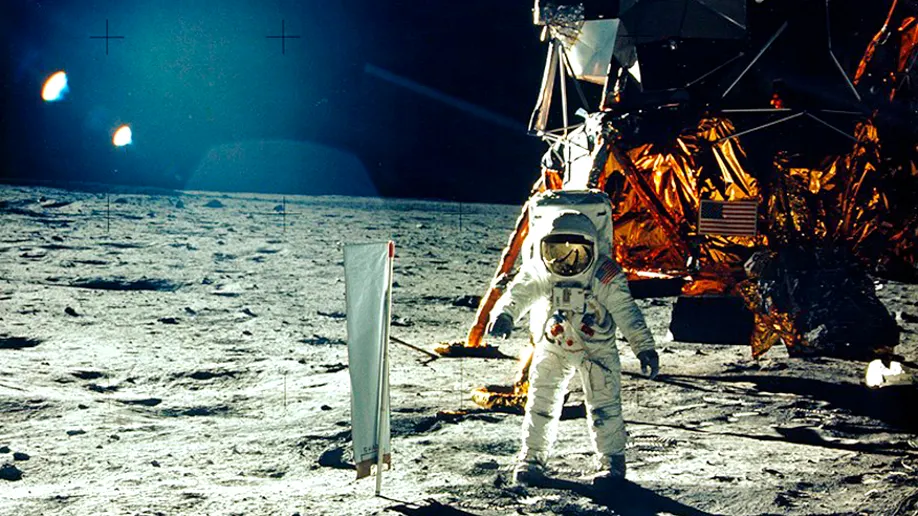
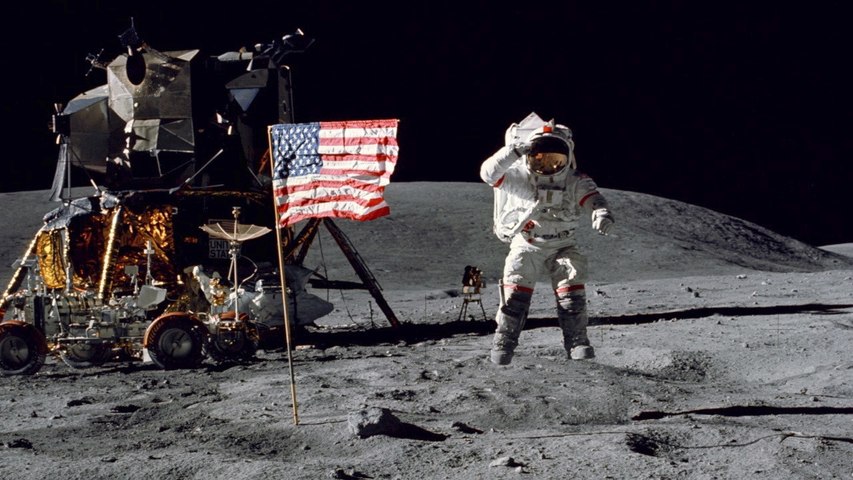
NASA’s Artemis program aims to send humans back to the Moon.
Job cuts could:
- Slow down timelines
- Reduce support teams
- Increase pressure on remaining staff
However, major programs like Artemis are usually protected as much as possible.
Role of Private Companies
One reason NASA might still move forward is support from private companies like SpaceX.
These companies help by:
- Building rockets
- Carrying cargo and astronauts
- Reducing costs
Even if NASA faces cuts, private companies can help fill some gaps.
Global Competition Still Growing
While the U.S. agencies face cuts, other countries are increasing their efforts.
For example, China National Space Administration is expanding its space program.
This creates a challenge:
If the U.S. slows down, others may move ahead faster.
Scientists and Experts React
Many experts are concerned about these cuts.
They worry that:
- Years of research could be lost
- Skilled workers may leave the field
- Progress in science could slow down
Some also say rebuilding teams later is very difficult once people leave.
Could This Affect Everyday Life?
Yes, and more than people might think.
Weather and Safety
NOAA’s work affects daily weather updates and storm warnings.
Technology
NASA’s research leads to new technologies used in everyday life.
Global Research
Both agencies contribute to global scientific knowledge.
So the impact is not limited to just scientists.
Possible Long-Term Effects
If job cuts continue, the long-term impact could include:
- Slower innovation
- Reduced global leadership in science
- Fewer discoveries
- Delays in major missions
This is why many experts are calling for careful decisions.
Is There Any Positive Side?
In some cases, restructuring can lead to:
- More efficient operations
- Focus on high-priority projects
- Increased use of private partnerships
But these benefits depend on how well the changes are managed.
What Happens Next?
The future will depend on:
- Government funding decisions
- Public and political support
- How agencies adjust to changes
There is still a chance that funding could improve or plans could change.
Final Thoughts
The job cuts at National Oceanic and Atmospheric Administration and NASA are a serious development that could affect both science and everyday life.
These agencies play a critical role in weather safety, space exploration, and scientific discovery. Reducing their workforce may slow progress at a time when global competition and technological growth are increasing.
While partnerships with companies like SpaceX may help balance some of the impact, the situation still raises important questions about the future of science and innovation.
In simple terms, this is not just about job cuts — it is about the direction of science, technology, and exploration in the years ahead.
Read Also: Keep your face towards the sunshine and shadows will fall behind you
Watch Also: https://www.youtube.com/@TravelsofTheWorld24





Leave a Reply