
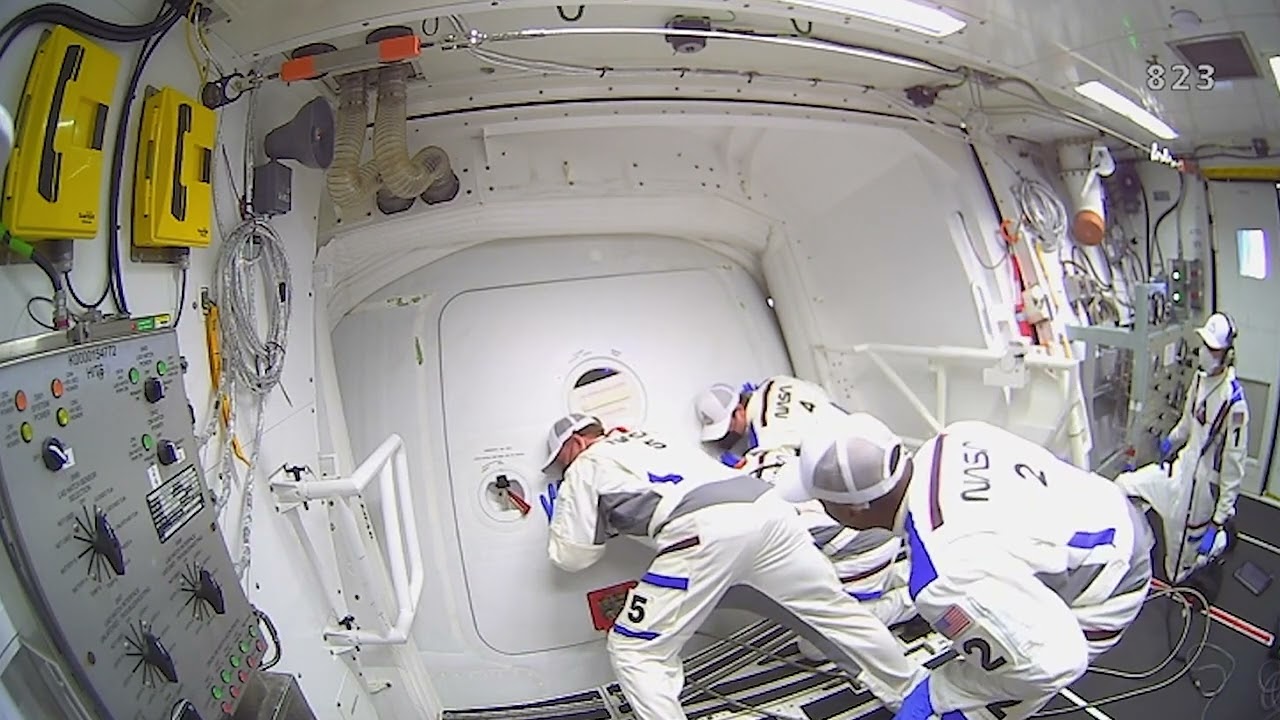
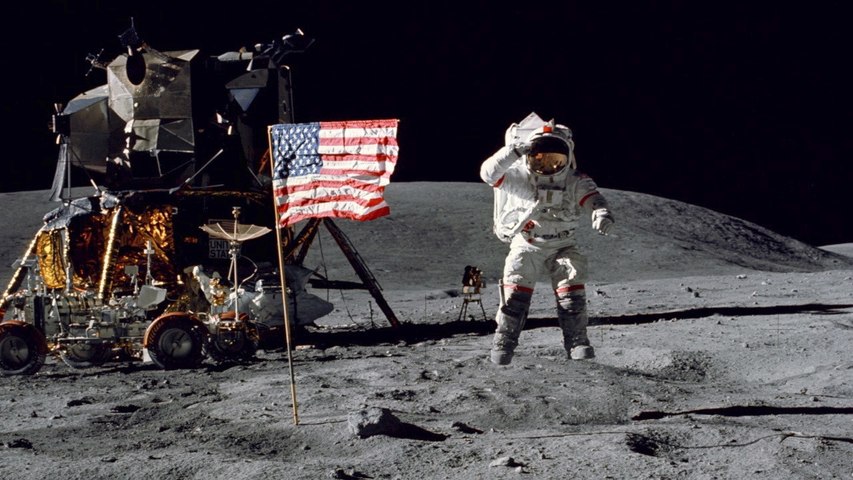
The launch of Artemis II is one of the most exciting moments in modern space history. After more than 50 years, humans are once again traveling beyond Earth’s orbit toward the Moon. This mission, led by NASA, is not just a simple flight — it is a major step toward building a long-term human presence in deep space.
Let’s walk through the highlights of the Artemis II test flight in a very simple and clear way.
A Powerful Start from Kennedy Space Center
The journey began at the famous Kennedy Space Center, where the rocket stood ready after years of preparation.
As the countdown reached zero:
- The engines ignited with massive power
- Flames and smoke filled the launch pad
- The rocket slowly lifted into the sky
Within seconds, it gained speed and climbed higher, marking a perfect start to the mission.
This moment alone was historic, as it was the first crewed deep-space launch in decades.
The Space Launch System (SLS) in Action
The rocket used for Artemis II is called the Space Launch System.
It is one of the most powerful rockets ever built.
During launch:
- The boosters provided the initial push
- The core stage engines kept the rocket climbing
- After a few minutes, the boosters separated
Everything worked exactly as planned, showing that the rocket is reliable for future missions.
Orion Spacecraft Separates Smoothly
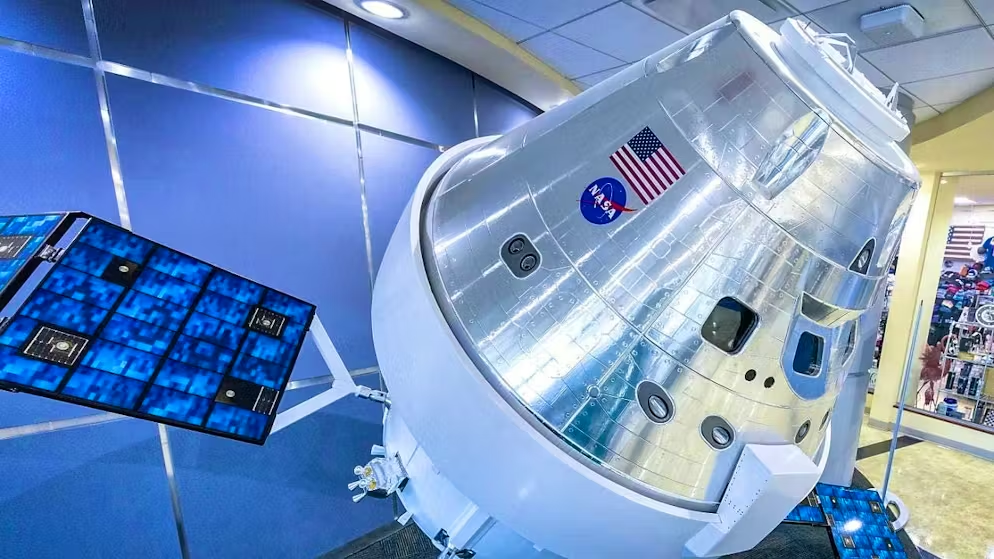
After reaching space, the Orion spacecraft separated from the rocket.
This step is very important because Orion is the part that carries astronauts.
Once separated:
- Orion adjusted its position
- Solar panels deployed successfully
- Communication with Earth remained stable
This confirmed that the spacecraft was fully operational.
First Orbit Around Earth
Before heading to the Moon, Orion entered an orbit around Earth.
This phase allows engineers to:
- Check all systems
- Confirm navigation accuracy
- Prepare for the next big step
Everything during this stage worked perfectly, giving confidence for the next phase.
The Key Highlight: Translunar Injection (TLI)
One of the biggest highlights of the mission was the Translunar Injection burn.
This is the moment when the spacecraft leaves Earth’s orbit and heads toward the Moon.
The burn lasted about 5 minutes and 49 seconds.
During this time:
- Orion’s engines fired at full power
- The spacecraft gained speed
- It broke free from Earth’s gravity
This was a critical moment. A small mistake here could have ended the mission, but it was executed perfectly.
Humans Travel Beyond Low Earth Orbit Again
One of the most emotional highlights of Artemis II is that humans are finally going beyond low Earth orbit again.
For decades, astronauts have stayed close to Earth on missions like the International Space Station.
Now, Artemis II is changing that.
The crew is traveling:
- Farther than most humans in history
- Toward deep space
- Closer to the Moon than any recent mission
This marks the return of human deep-space exploration.
Stunning Views from Space
As the spacecraft moves away from Earth, astronauts experience incredible views.
They can see:
- Earth becoming smaller and smaller
- The blackness of deep space
- The Moon growing larger ahead
These views are not just beautiful — they also remind us how far humans have come in space exploration.
Testing Life Support Systems
Another major highlight is the testing of life support systems.
These systems keep astronauts alive by providing:
- Oxygen
- Temperature control
- Water and waste management
Everything is being tested carefully to ensure safety for future missions.
Communication and Navigation Success
Communication between Orion and Earth is very important.
During the mission:
- Signals remained strong
- Data was sent and received clearly
- Navigation systems worked accurately
This shows that NASA can maintain control even in deep space.
Preparing for a Lunar Flyby
Artemis II is not landing on the Moon, but it will perform a close flyby.
This means:
- The spacecraft will travel around the Moon
- Use its gravity to change direction
- Head back toward Earth
This technique is very efficient and helps test navigation systems.
Safe Return Planning
One of the most important parts of the mission is returning safely.
NASA is testing:
- Heat shield performance during re-entry
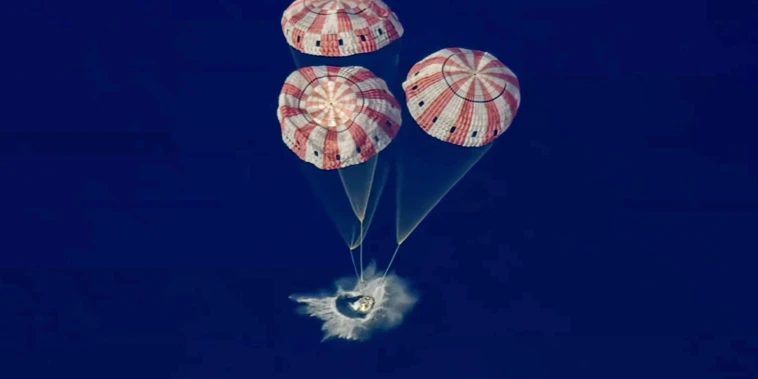
- Parachute systems for landing
- Splashdown procedures in the ocean
These systems must work perfectly for future missions where astronauts land on the Moon.
Why Artemis II Matters So Much
This mission is not just a test — it is a foundation for the future.
Here’s why it is so important:
1. First Crewed Lunar Mission in Decades
It proves humans can travel deep into space again.
2. Step Toward Moon Landing
It prepares for Artemis III, which aims to land astronauts on the Moon.
3. Testing Advanced Technology
Everything from rockets to life support is being tested.
4. Building Confidence
A successful mission builds trust for future exploration.
Global Attention and Competition
The world is watching Artemis II closely.
Other space agencies like China National Space Administration are also planning their own missions.
This creates a new space race, where countries aim not just to reach the Moon, but to stay there.
A New Era Begins
Artemis II marks the start of a new chapter in space exploration.
It shows that:
- Humans are ready to go beyond Earth again
- Technology has improved greatly
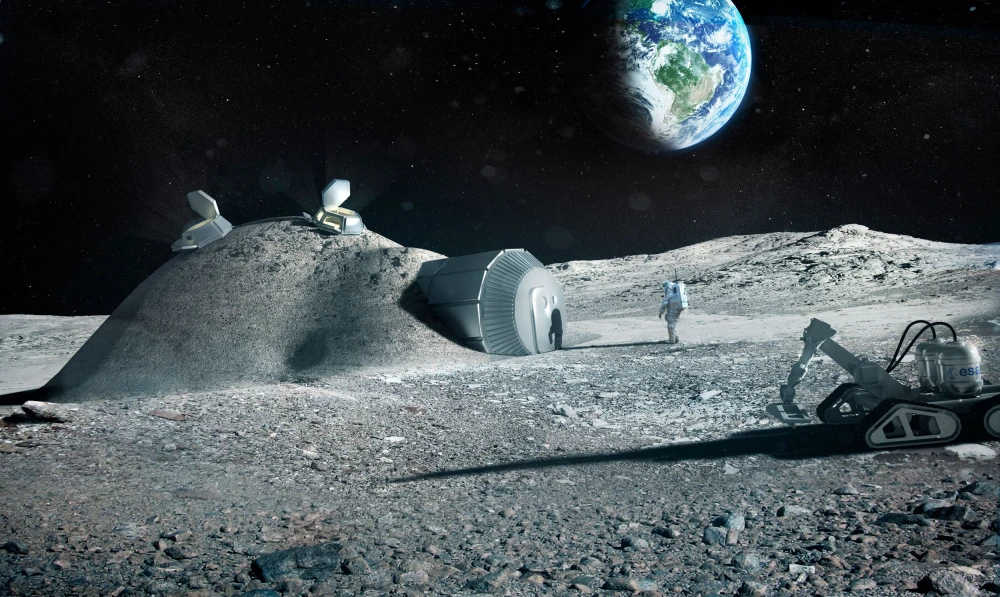
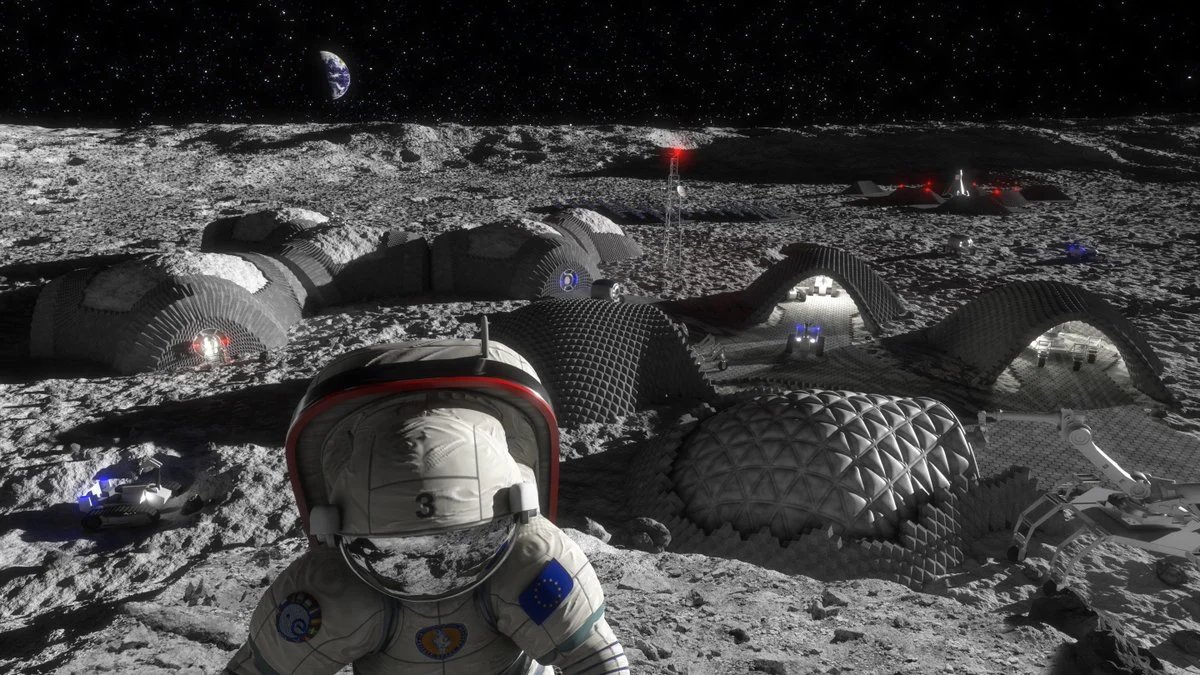
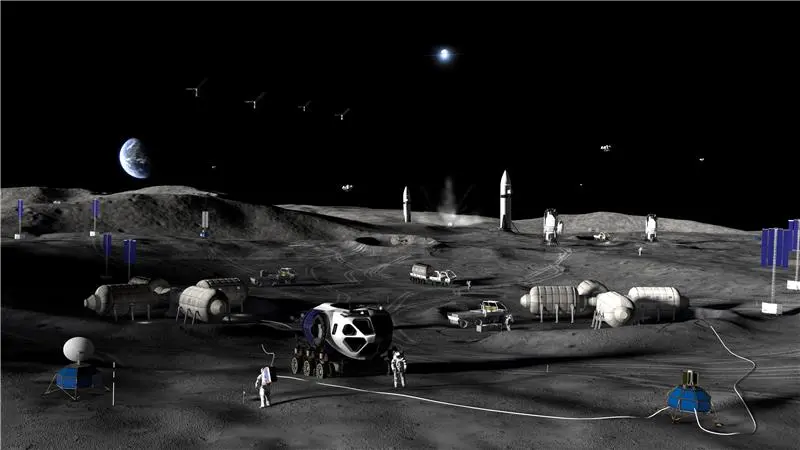
- The dream of living on the Moon is becoming real
This mission is a bridge between past achievements and future possibilities.
Final Thoughts
The Artemis II test flight by NASA is full of important highlights — from a powerful launch at Kennedy Space Center to a perfect Translunar Injection burn.
Every step of the mission shows careful planning, advanced technology, and a clear goal: returning humans to the Moon and preparing for even bigger missions.
This is not just another space mission. It is the beginning of a new journey — one that could take humans farther than ever before.
And for the first time in decades, the path back to the Moon is wide open again.
Read Also: Keep your face towards the sunshine and shadows will fall behind you
Watch Also: https://www.youtube.com/@TravelsofTheWorld24







Leave a Reply