

After more than 50 years, humans are finally on their way back toward the Moon. In a moment that feels both historic and futuristic at the same time, NASA has launched its Artemis II mission — the first crewed mission to travel toward the Moon since the days of the Apollo program.
This mission is not just another spaceflight. It marks a huge step forward in human space exploration, opening the door for future Moon landings and eventually missions to Mars.
Let’s break down what happened, why it matters, and what comes next — in a very simple and clear way.
A Historic Launch After 50 Years
The Artemis II mission lifted off from the famous Kennedy Space Center, a place that has seen some of the most important launches in history.
The rocket carried the Orion spacecraft along with a crew of four astronauts. This is the first time since the Apollo era that astronauts are traveling beyond low Earth orbit toward the Moon.
For decades, humans have stayed close to Earth, mainly on the International Space Station. Now, Artemis II is changing that.
Meet the Orion Spacecraft
At the center of this mission is the Orion spacecraft.
Orion is specially designed for deep space missions. It is built to:
- Carry astronauts safely beyond Earth’s orbit
- Protect them from radiation
- Handle extreme temperatures
- Support long-duration missions
Unlike older spacecraft, Orion uses modern technology, making it safer and more advanced than anything used during Apollo missions.
The Crew of Artemis II
The mission includes four astronauts who are making history together.
They are not landing on the Moon during this mission, but they are traveling around it and coming back to Earth. Their job is to test all systems before future missions land astronauts on the surface.
This mission is all about proving that humans can safely travel deep into space again.
The Key Moment: Translunar Injection (TLI)
One of the most important parts of the mission is something called the Translunar Injection burn, or TLI.
This is the moment when the spacecraft leaves Earth’s orbit and heads toward the Moon.
Here’s how it works in simple terms:
- The rocket places Orion into orbit around Earth
- Then, a powerful engine burn pushes it forward
- This burn increases speed enough to escape Earth’s gravity
- The spacecraft then travels toward the Moon
The TLI burn for Artemis II lasted about 5 minutes and 49 seconds. It was perfectly timed and executed, which is a huge success.
This step is critical. If anything goes wrong here, the mission cannot reach the Moon.
Why This Mission Is So Important
Artemis II is not just about going to the Moon. It is about preparing for the future.
Here’s why it matters:
1. First Crewed Deep Space Mission in Decades
Humans have not traveled this far from Earth in over 50 years. This mission proves we can do it again.
2. Testing Systems for Future Missions
Everything on this mission is being tested:
- Spacecraft systems
- Life support
- Navigation
- Communication
This will help ensure future missions are safe.
3. Preparing for Artemis III
The next mission, Artemis III, aims to land astronauts on the Moon.
Artemis II is the step before that — making sure everything works perfectly.
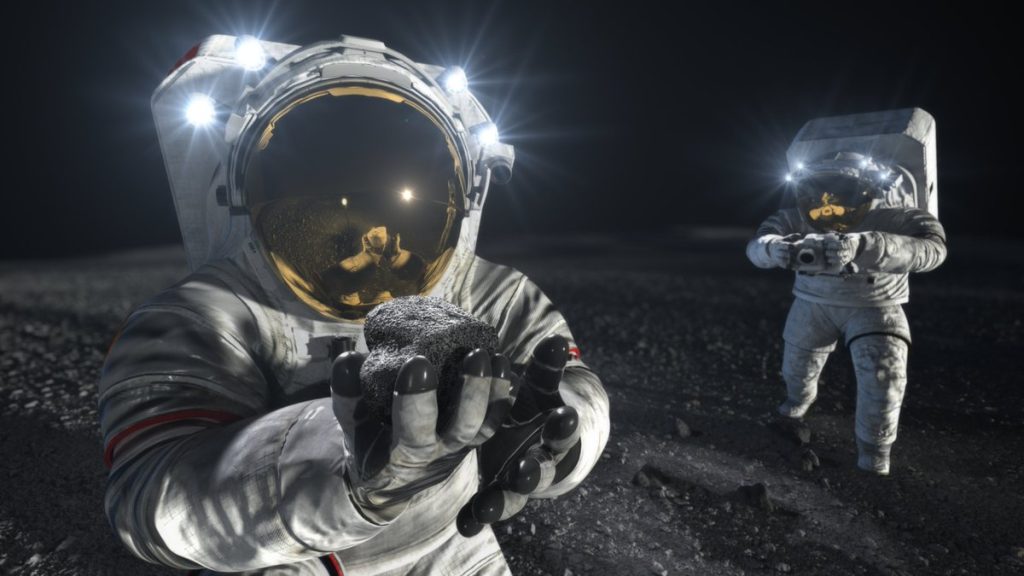
Artemis II Makes History with First Crewed Moon Journey in 50 Years
How This Mission Differs from Apollo
Many people compare Artemis II to the Apollo missions, but there are big differences.
More Advanced Technology
Orion uses modern computers, materials, and systems that are far better than those used in the 1960s.
Longer-Term Goals
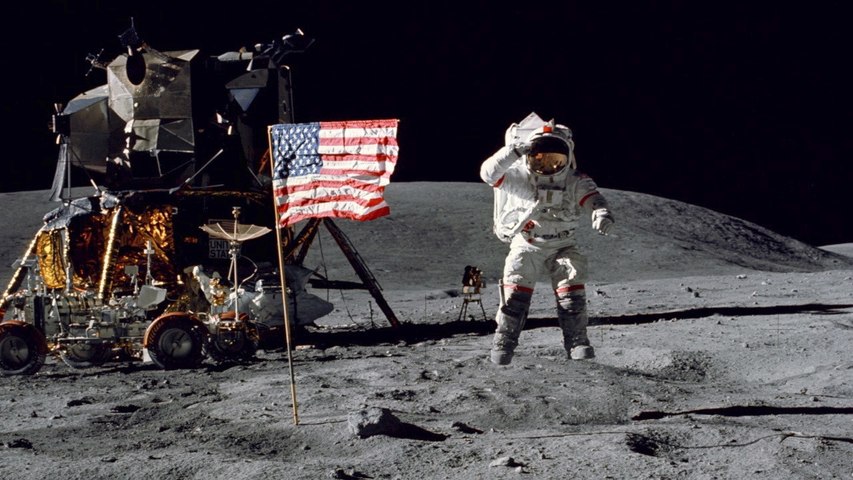
Apollo missions were short visits. Artemis missions aim to build a long-term presence on the Moon.
International Cooperation
Unlike Apollo, Artemis involves many global partners, making it a worldwide effort.
The Role of the Space Launch System (SLS)
The Orion spacecraft is launched using the powerful Space Launch System rocket.
SLS is one of the strongest rockets ever built. It is designed to:
- Carry heavy payloads
- Travel beyond Earth orbit
- Support deep space missions
Without SLS, missions like Artemis II would not be possible.
What the Crew Will Experience
The astronauts on Artemis II will experience something very few humans ever have.
They will:
- Travel farther from Earth than most astronauts in history
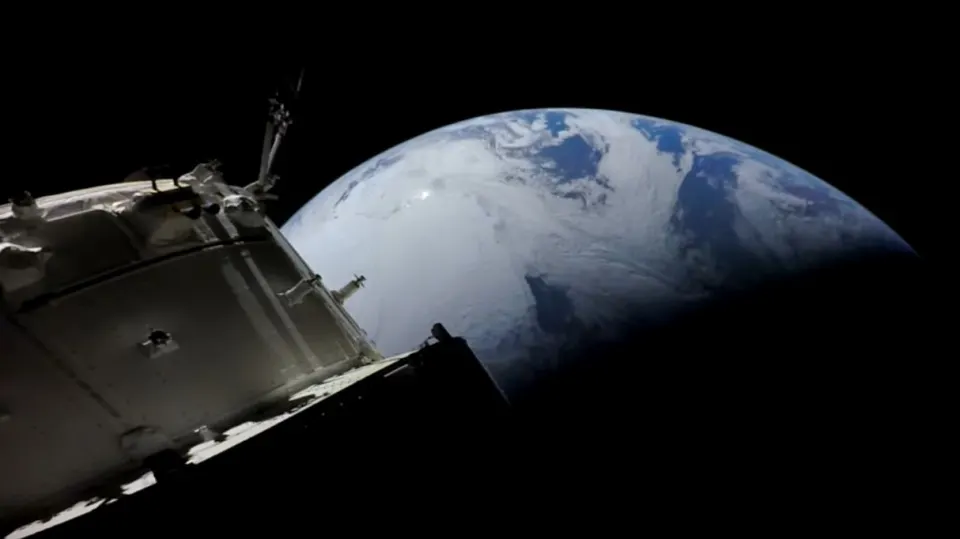
- See Earth as a small blue sphere in space
- Pass close to the Moon
- Experience deep space conditions
This mission is both physically and mentally challenging.
Challenges of Deep Space Travel
Even though the mission is successful so far, deep space travel is not easy.
Radiation Exposure
Outside Earth’s protective atmosphere, astronauts face higher levels of radiation.
Distance from Earth
Communication takes time, and help is not immediate.
Isolation
Astronauts are far away from Earth, which can be mentally challenging.
System Reliability
Everything must work perfectly, because there is no quick rescue option.
Global Attention and Competition
This mission is also being watched closely by other countries.
Organizations like China National Space Administration are also planning their own lunar missions.
This creates a new kind of space race — not just about reaching the Moon, but about staying there.
The Bigger Picture: Return to the Moon
Artemis II is part of a much larger plan.
NASA’s goals include:
- Landing astronauts on the Moon again
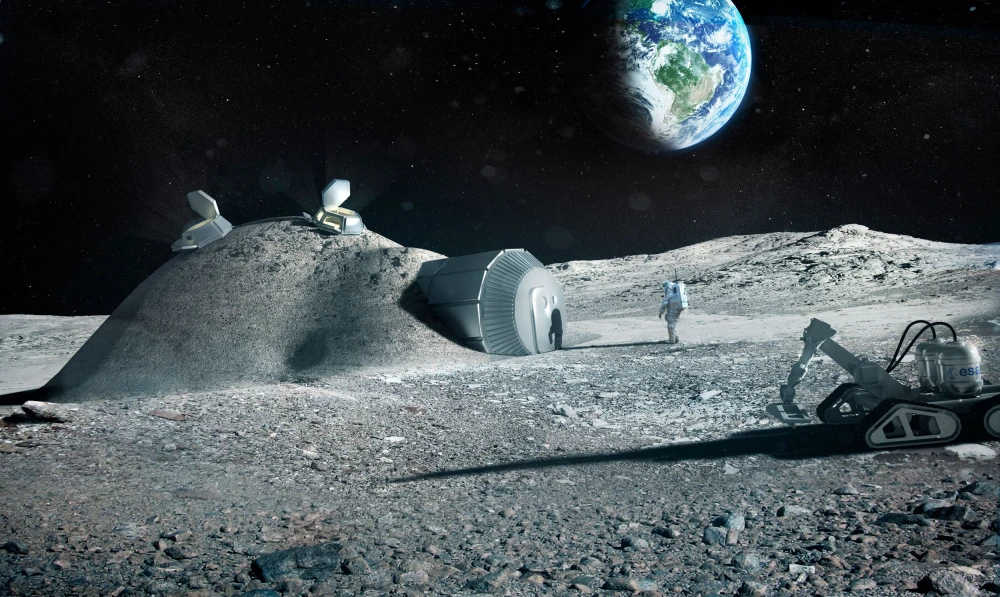
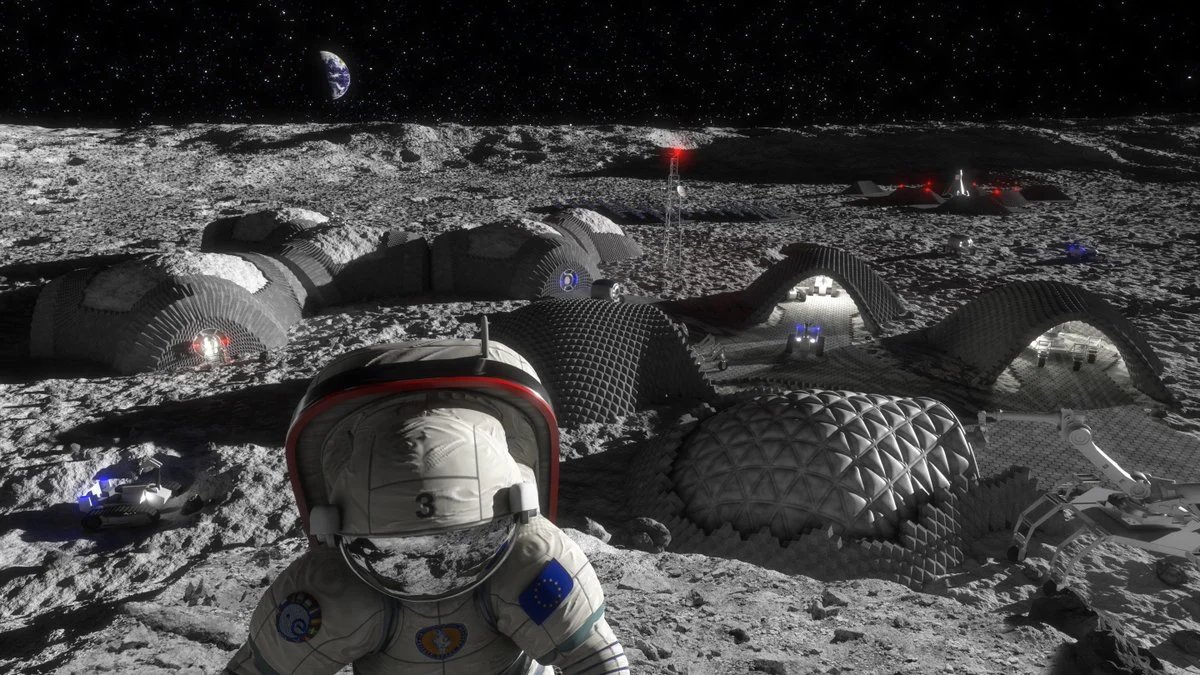
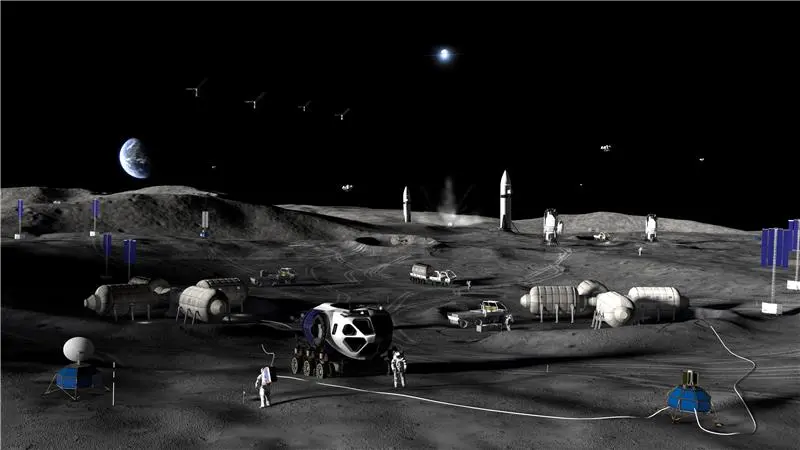
- Building a lunar base
- Using Moon resources
- Preparing for Mars missions
The Moon is just the beginning.
What Comes Next?
After Artemis II, the next major step is Artemis III.
This mission aims to:
- Land astronauts on the Moon
- Explore the lunar surface
- Begin building a long-term presence
If everything continues to go well, humans will soon walk on the Moon again.
A New Era of Space Exploration
The success of Artemis II shows that we are entering a new era.
Space is no longer just about exploration. It is about expansion.
We are moving toward:
- Living beyond Earth
- Building bases in space
- Exploring deeper into the solar system
This mission is a major step in that direction.
Final Thoughts
The Artemis II mission by NASA is a historic achievement. After more than 50 years, humans are once again traveling toward the Moon.
With a successful launch from Kennedy Space Center and a perfect Translunar Injection burn, the mission has already proven its importance.
This is not just about going back to the Moon. It is about moving forward — toward a future where humans explore, live, and work in space.
And for the first time in decades, that future feels closer than ever.
Read Also: Keep your face towards the sunshine and shadows will fall behind you
Watch Also: https://www.youtube.com/@TravelsofTheWorld24








Leave a Reply