
NASA has always been one of the most important space agencies in the world, and its work often shapes the future of space exploration for the United States and even for the entire world. Recently, NASA has unveiled a set of new initiatives that are designed to support and achieve America’s National Space Policy. These plans are not just about going back to the Moon or reaching Mars someday. They are about building a strong, long-term system for space exploration, scientific discovery, national security, and even commercial growth.
In simple words, NASA is trying to make sure the United States stays a leader in space for many years to come. This article explains what these new initiatives are, why they matter, and how they could change the future of space exploration.
Understanding America’s National Space Policy
Before talking about NASA’s new plans, it is important to understand what the National Space Policy means.
The National Space Policy is basically a set of rules and goals created by the U.S. government. It guides how the country should explore and use space. It covers many areas like:
- Space exploration (Moon, Mars, deep space missions)
- Scientific research (studying planets, stars, and the universe)
- National security (protecting satellites and space systems)
- Commercial space growth (supporting private companies in space)
- International cooperation (working with other countries)
So, NASA’s job is to help turn these goals into real missions and technology.
Why NASA’s New Initiatives Matter
Space is becoming more important every year. It is no longer just about astronauts and rockets. Today, space affects communication, weather forecasting, navigation, internet systems, and even military safety.
NASA’s new initiatives are important because:
- Other countries are also moving fast in space exploration
- Private companies like SpaceX and Blue Origin are growing quickly
- Technology in space is changing very fast
- The Moon and Mars are becoming real targets again
If the U.S. wants to stay ahead, NASA must act quickly and smartly. That is why these new initiatives have been introduced.
Main Goals of NASA’s New Initiatives
NASA’s latest plan focuses on several big goals. Let’s break them down in simple terms.
1. Return to the Moon
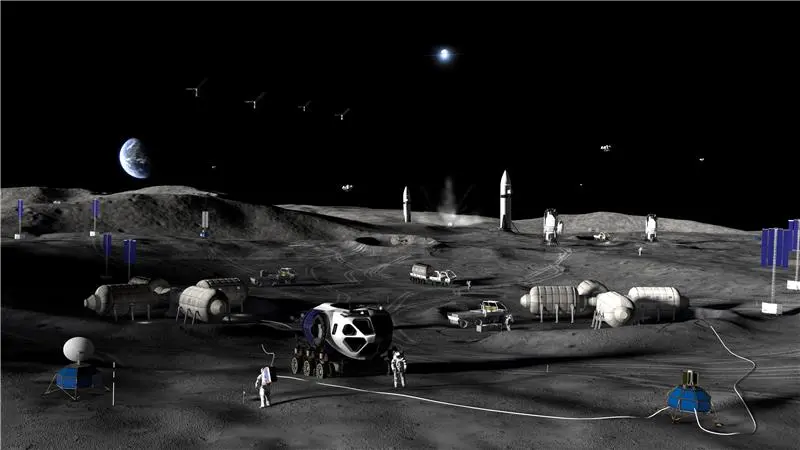
One of the biggest goals is going back to the Moon under the Artemis program led by NASA.
NASA wants to:
- Send astronauts back to the lunar surface
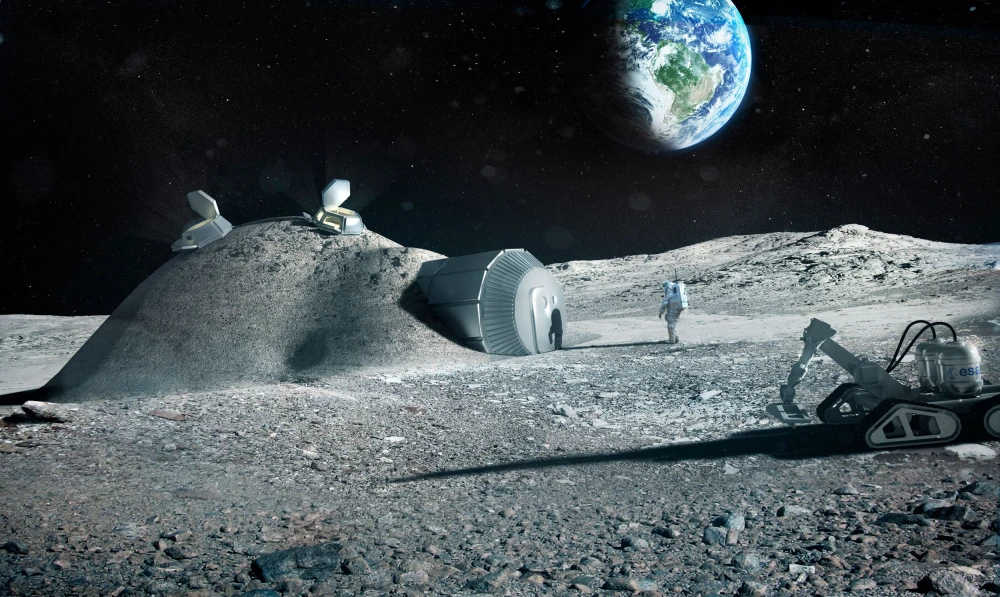
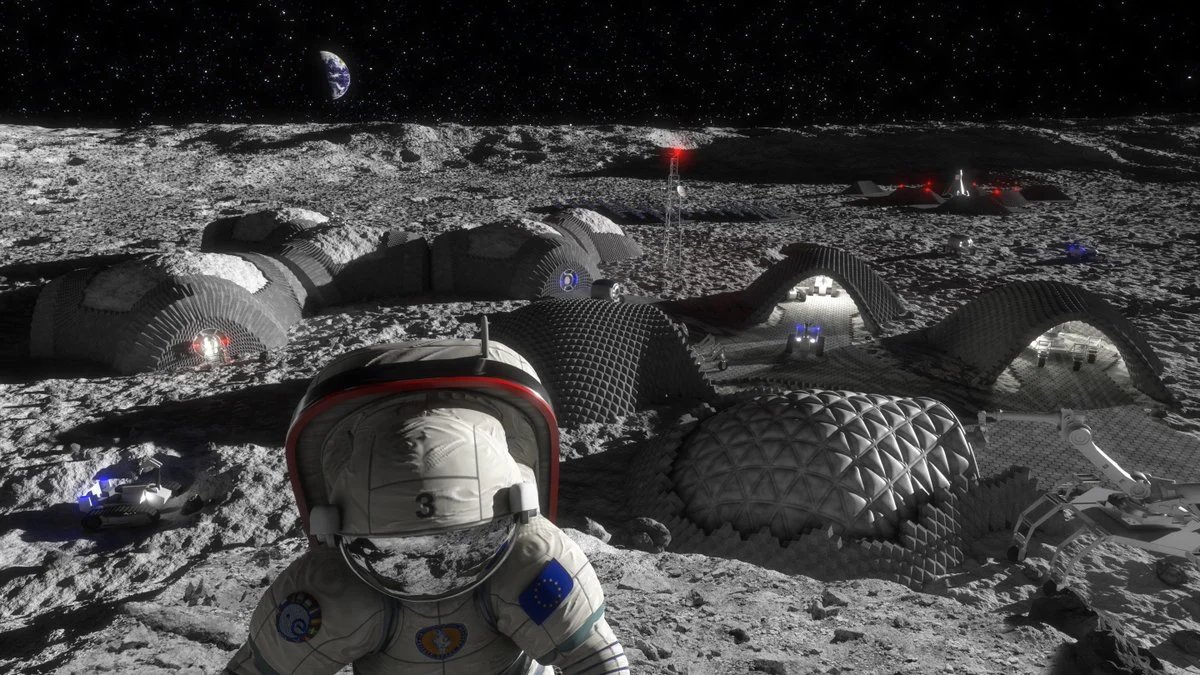
- Build a long-term base on the Moon
- Learn how to live and work there
- Use the Moon as a stepping stone to Mars
The Moon is not just a destination. It is also a training ground for future deep space missions.
2. Preparing for Mars Missions
NASA is also focusing on future human missions to Mars. This is one of the most difficult goals in space history.
The agency is working on:
- Long-duration space travel systems
- Better life support systems
- Radiation protection for astronauts
- Advanced landing technology for Mars
Mars is far away, and a trip there could take many months. NASA is trying to solve all the problems before sending humans.
3. Expanding Space Stations
The International Space Station (ISS) has been very important for science, but it is getting old. NASA plans to move toward new space stations in the future.
These include:
- Commercial space stations built by private companies
- Research platforms for science and technology
- Stations that support long-term human presence in orbit
Instead of one big government station, NASA wants many smaller and flexible stations.
4. Supporting Private Space Companies
NASA is now working more closely with private companies than ever before.
Companies like SpaceX, Blue Origin, and others help NASA by:
- Building rockets and spacecraft
- Carrying cargo and astronauts
- Developing new space technologies
NASA’s new plan encourages even more partnerships. This helps reduce costs and speed up progress.
5. Improving Space Technology
Technology is the backbone of space exploration. NASA is investing heavily in new tools and systems such as:
- Advanced rockets
- Reusable spacecraft
- Better satellite systems
- Artificial intelligence for space missions
These technologies will make space travel safer, cheaper, and more reliable.
6. Strengthening National Security in Space
Space is not only about exploration. It is also important for security.
NASA works with defense agencies to:
- Protect satellites from attacks or damage
- Monitor space debris
- Improve communication systems
- Ensure safe use of space by all countries
Space has become a critical part of modern security systems.
7. Expanding International Cooperation
NASA does not work alone. It collaborates with space agencies from many countries.
Some key partners include:
- European Space Agency
- Japan Aerospace Exploration Agency
- Canadian Space Agency
Working together helps share costs, knowledge, and risks. It also builds global trust in space exploration.
Key Programs Under NASA’s New Plan
NASA’s initiatives are not just ideas. They are turning into real programs.
Artemis Program
The Artemis program is one of the most important parts of NASA’s future. It aims to:
- Land the first woman and next man on the Moon
- Build a sustainable lunar base
- Test technologies for Mars missions
This program is a major step toward long-term space exploration.
Space Launch System (SLS)
NASA is developing a powerful rocket called the Space Launch System. It is designed to carry astronauts and heavy cargo beyond Earth.
It is one of the most powerful rockets ever built.
Orion Spacecraft
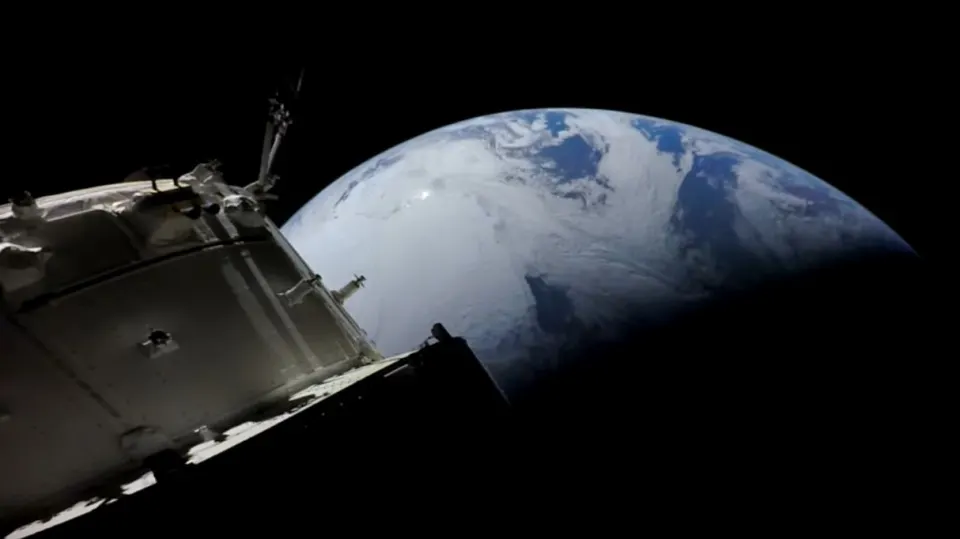
The Orion spacecraft will carry astronauts to the Moon and beyond. It is designed to keep astronauts safe during deep space travel.
Commercial Crew Program
This program allows private companies to send astronauts to the International Space Station. It has already changed how humans travel to space.
Challenges NASA Faces
Even with strong plans, NASA faces many challenges:
1. High Costs
Space missions are very expensive. Building rockets, spacecraft, and technology costs billions of dollars.
2. Technical Problems
Space is very difficult. Even small mistakes can lead to mission failure.
3. Long Timelines
Space projects take many years, sometimes even decades, to complete.
4. Competition
Other countries like China and private companies are also advancing quickly in space.
Why These Initiatives Are Important for the Future
NASA’s new initiatives are not just for scientists or astronauts. They affect everyday life too.
For example:
- GPS systems depend on satellites
- Weather forecasts come from space data
- Internet services rely on space communication
- Security systems depend on satellite monitoring
So, improving space technology helps improve life on Earth as well.
How These Plans Will Shape the Future
If NASA succeeds in its goals, the future could look like this:
- Humans living on the Moon
- Regular missions to Mars
- Space hotels and stations
- Faster space travel technology
- Strong cooperation between countries in space
Space may become a normal part of human life, just like air travel is today.
Final Thoughts
NASA’s new initiatives under America’s National Space Policy show a very clear direction: the United States wants to stay a global leader in space exploration while also working with private companies and international partners.
The focus is not just on short-term missions but on building a long-term future in space. From the Moon to Mars and beyond, these plans could change how humans explore the universe.
Space is no longer a distant dream. It is becoming a real part of our future, step by step, mission by mission.
Read Also: Keep your face towards the sunshine and shadows will fall behind you
Watch Also: https://www.youtube.com/@TravelsofTheWorld24











Leave a Reply