
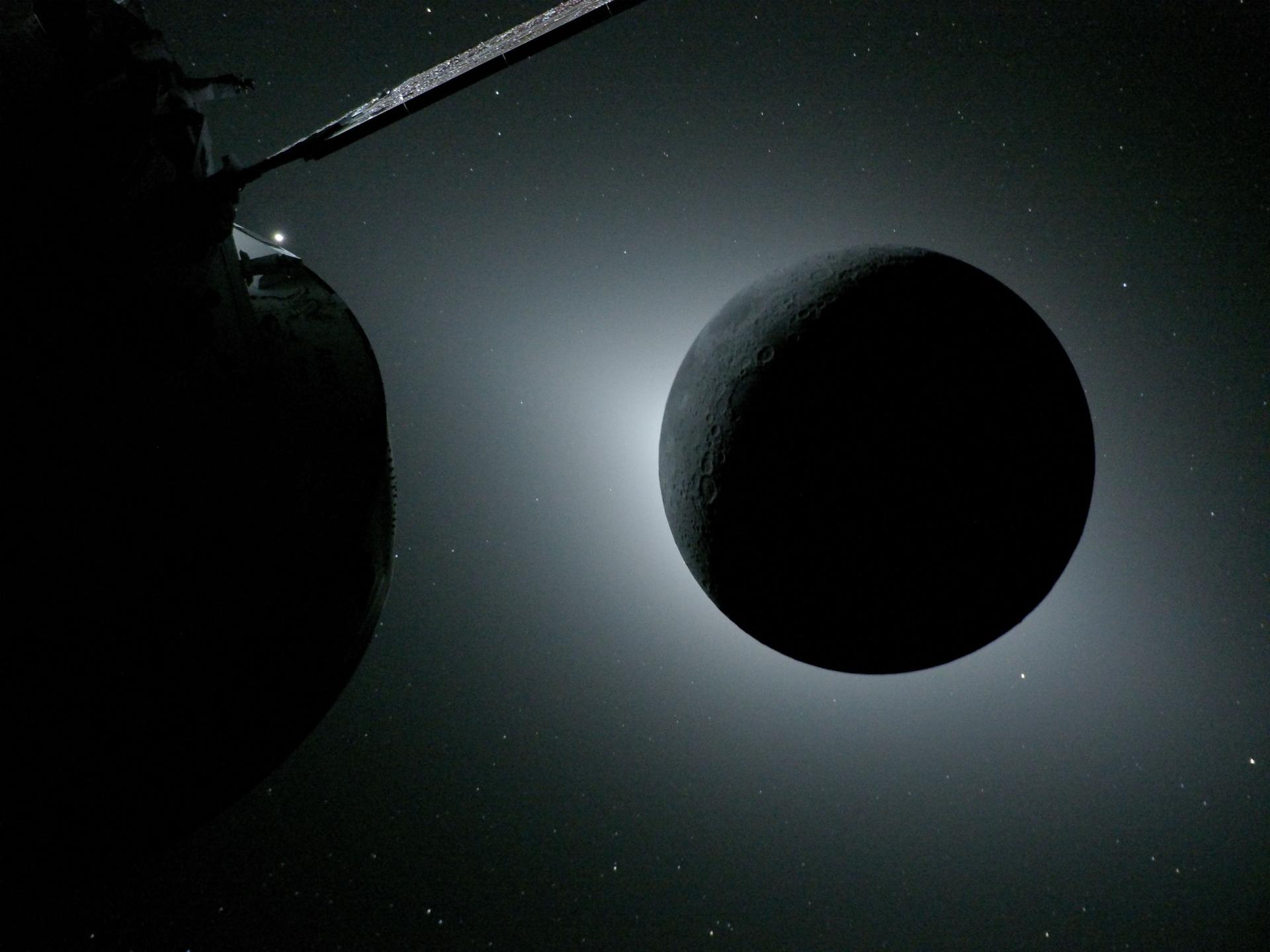
The excitement around space exploration has reached a whole new level as NASA continues its ambitious journey back to the Moon through the Artemis program. One of the most thrilling moments in this journey came with Artemis II, when astronauts onboard successfully captured and sent back stunning images of the Moon during their historic flyby. These photos are not just beautiful—they mark a powerful step forward in human space exploration and remind us how far we’ve come since the days of Apollo 11.
Let’s take a deeper look at what makes this mission so special, what these images show, and why the world is so excited about them.
A New Chapter in Lunar Exploration
The Artemis program is NASA’s modern plan to return humans to the Moon, but this time with a long-term vision. Unlike the short missions of the past, Artemis aims to create a sustainable human presence on and around the Moon. Artemis II is the first crewed mission in this program, making it a major milestone.
The mission carried four astronauts aboard the powerful Orion spacecraft, launched by the Space Launch System. Their journey was not about landing on the Moon but orbiting it and returning safely to Earth—a test flight to ensure everything works perfectly for future missions.
As the spacecraft traveled around the Moon, the crew had a rare opportunity to see and photograph the lunar surface up close. What they captured has now been shared with the world.
The First Glimpse: A Familiar Yet New Moon
When the first images were received on Earth, people were amazed. The Moon, something we see almost every night, looked completely different from this perspective.
The photos showed:
- Deep craters casting long shadows
- Smooth plains known as maria
- Bright and dark contrasts across the surface
- The thin curve of the Moon against the blackness of space
These images were taken from angles never seen before in such clarity. Even though past missions have photographed the Moon, modern technology has made these pictures sharper, more detailed, and more vibrant.
Earthrise: A Moment That Stopped Time
One of the most emotional images captured during Artemis II was the famous “Earthrise”—when Earth appears rising over the Moon’s horizon. This moment instantly reminded many people of the iconic photo taken during Apollo 8.
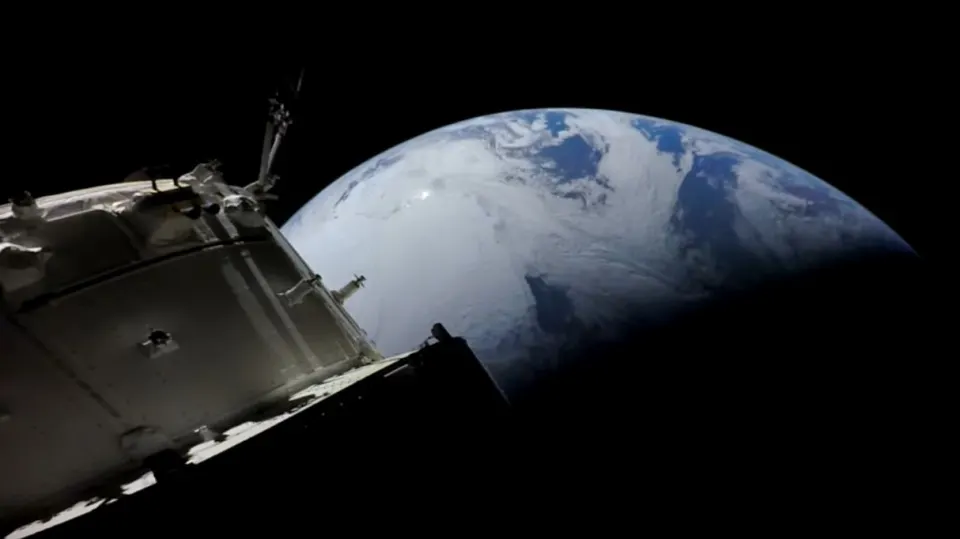
But this time, the image was even more stunning. The blue and white colors of Earth stood out beautifully against the gray Moon and the dark background of space. It showed how small and fragile our planet really is.
Astronauts onboard reportedly described the moment as unforgettable. Seeing Earth from such a distance creates a powerful feeling—one that many astronauts say changes their perspective on life forever.
Technology Behind the Photos
The images sent back by Artemis II weren’t just taken with ordinary cameras. NASA equipped the Orion spacecraft with advanced imaging systems designed for deep space conditions.
These systems include:
- High-resolution digital cameras
- Low-light sensors for shadowed areas
- Radiation-resistant hardware
- Real-time data transmission systems
The photos were beamed back to Earth using NASA’s deep space communication network. Despite the huge distance, the data traveled smoothly, allowing scientists and the public to see the images almost instantly.
This is a big improvement compared to older missions, where data transfer was slower and less detailed.
Why These Photos Matter
At first glance, these might seem like just beautiful space pictures—but they are much more than that. These images serve several important purposes:
1. Scientific Research
Scientists can study the Moon’s surface in greater detail. This helps in understanding its geology, history, and potential resources.
2. Mission Planning
Future missions, including landing missions like Artemis III, will use this data to choose safe landing sites.
3. Public Inspiration
Just like the Apollo missions inspired a whole generation, Artemis II is doing the same today. These photos remind people why space exploration matters.
The Human Experience
While the technology and science are impressive, the human side of this mission is just as important. The astronauts aboard Artemis II are among the few humans to travel beyond low Earth orbit in decades.
Living and working in deep space, even for a short time, comes with challenges:
- Microgravity effects on the body
- Isolation from Earth
- Limited space inside the spacecraft
- Constant monitoring and teamwork
Despite these challenges, the crew successfully completed their tasks, including capturing and transmitting these images.
Their experience is helping NASA prepare for longer missions in the future, including possible journeys to Mars.
Comparing Artemis II to Apollo Missions
It’s impossible not to compare Artemis II with the historic Apollo missions. While both involve traveling to the Moon, there are some key differences:
- Technology: Artemis uses far more advanced systems
- Diversity: Artemis crews are more diverse, representing a broader range of humanity
- Goals: Apollo focused on landing and returning, while Artemis aims for long-term presence
Even though Apollo missions like Apollo 8 and Apollo 11 were groundbreaking, Artemis II shows how much progress has been made since then.
Global Reaction
As soon as NASA released the images, people around the world reacted with excitement. Social media was flooded with comments, shares, and discussions.
Space agencies, scientists, and even everyday people praised the mission. Many said the photos made them feel connected to something bigger than themselves.
Countries working with NASA, including partners in the Artemis program, also celebrated the success. This mission is not just about one country—it represents a global effort in space exploration.
The Road Ahead
Artemis II is just one step in a much larger plan. The next major mission, Artemis III, aims to land astronauts on the Moon again—something that hasn’t happened in over 50 years.
Future goals include:
- Building a lunar base
- Creating the Lunar Gateway
- Testing technologies for Mars missions
The data and experience gained from Artemis II, including these photos, will play a key role in making these plans successful.
A New Generation of Space Lovers
One of the most powerful effects of Artemis II is how it inspires young people. Just like past missions encouraged kids to dream about becoming astronauts, scientists, or engineers, this mission is doing the same today.
Schools, universities, and science communities are already using these images as learning tools. They spark curiosity and encourage questions about space, science, and our place in the universe.
Challenges Still Ahead
Even though Artemis II was a success, space exploration is never easy. There are still many challenges to overcome:
- Ensuring astronaut safety
- Managing high costs
- Developing reliable long-term systems
- Handling deep space radiation
NASA and its partners are working hard to solve these problems step by step.
A Reminder of Our Place in the Universe
Perhaps the most powerful message from these Moon flyby photos is a simple one: Earth is small, and space is vast.
Seeing our planet from such a distance reminds us of how connected we all are. There are no borders visible from space—just one shared home.
This perspective has always been one of the most meaningful outcomes of space travel.
Conclusion
The images sent back by Artemis II are more than just pictures—they are a symbol of progress, curiosity, and human achievement. They connect the past, present, and future of space exploration in a beautiful way.
From the early days of Apollo to the modern ambitions of Artemis, one thing remains the same: humanity’s desire to explore.
As NASA continues its journey, these images will be remembered as the moment when a new era truly began—an era where humans once again reach for the Moon, and beyond.
Read Also: Keep your face towards the sunshine and shadows will fall behind you
Watch Also: https://www.youtube.com/@TravelsofTheWorld24









Leave a Reply