
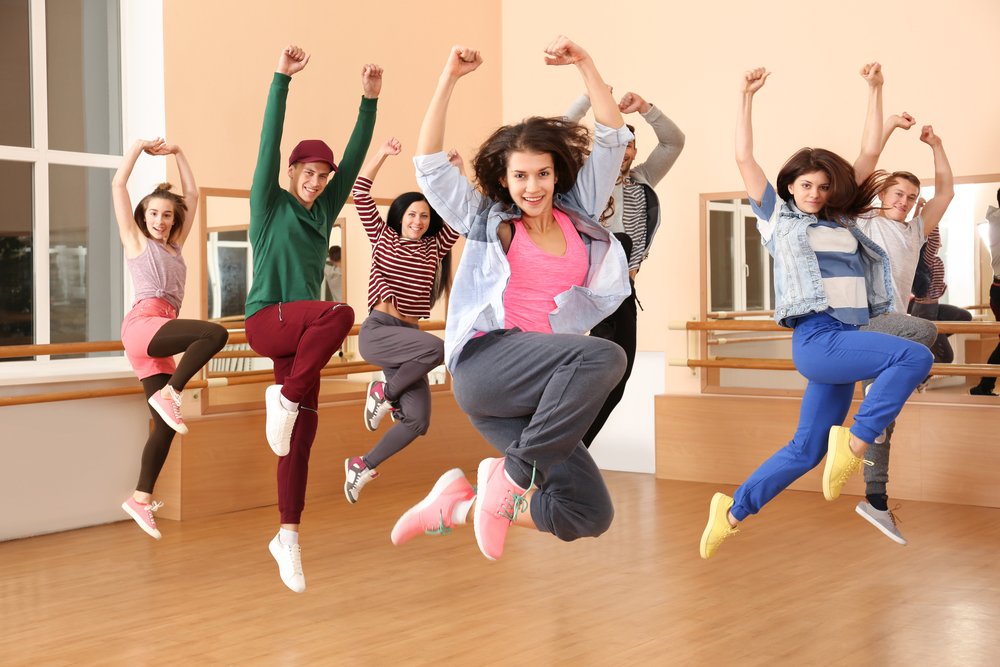
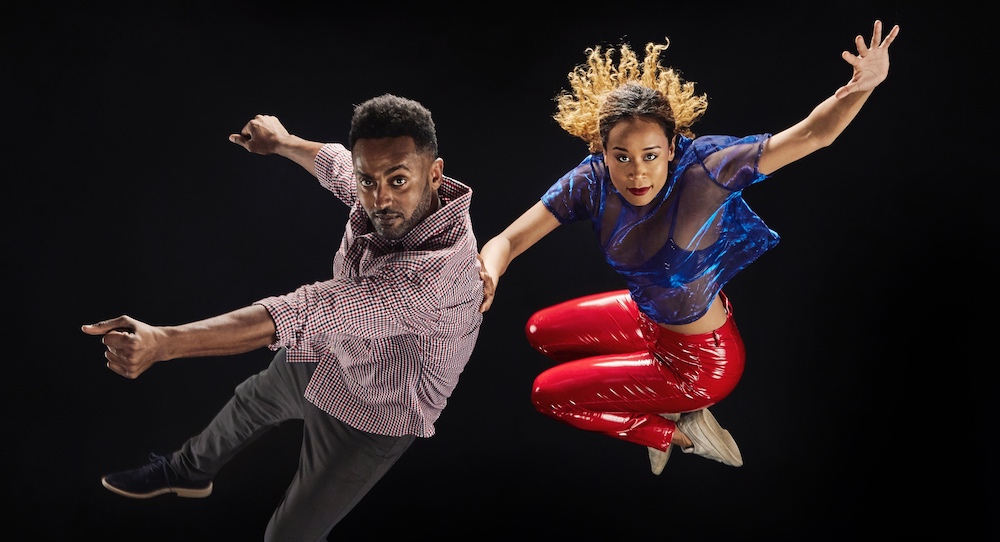
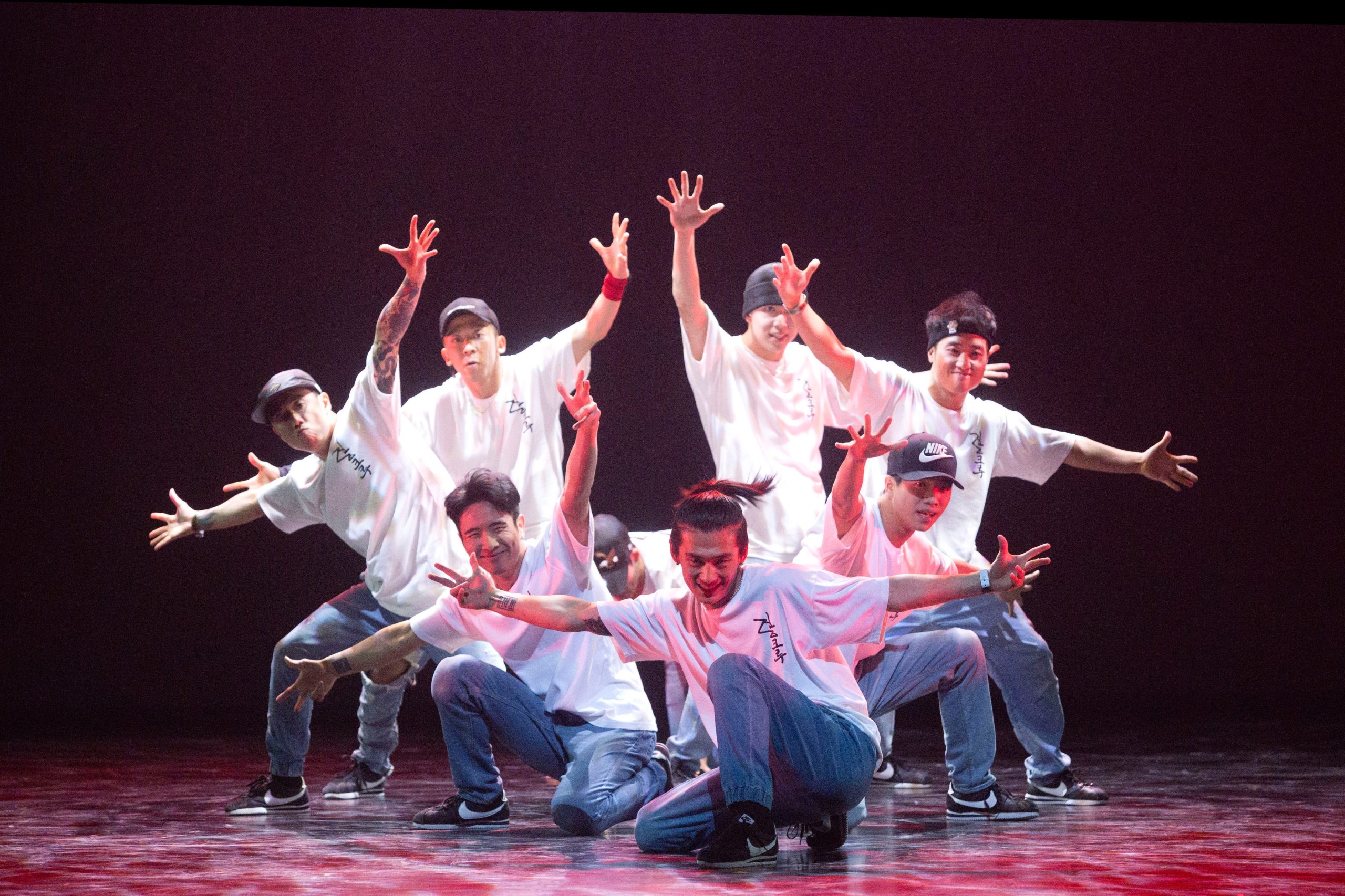
Hip-hop dance is a unique and exciting style of street dance that is most commonly performed to hip-hop music. It is a powerful form of movement that combines rhythm, energy, and freestyle expression to create something that feels alive and personal. Over time, hip-hop dance has grown from street corners and community gatherings into a global cultural movement seen in studios, concerts, movies, and competitions around the world.
At its core, hip-hop dance is not just about steps or technique. It is about feeling the music, expressing yourself freely, and connecting with a larger culture that values creativity and individuality.
The Birth of Hip-Hop Dance
Hip-hop dance began in the 1970s in the Bronx, New York City. It developed alongside hip-hop music and culture, which also included DJing, MCing, and graffiti art.
In the early days, young people would gather at block parties where DJs played strong rhythmic beats. These beats created space for dancers to move freely and express themselves. This is where hip-hop dance first came to life.
It was not a formal dance style at the beginning. There were no studios, no strict rules, and no structured training. Instead, it was about creativity, fun, and community.
The Spirit of Freestyle Movement
One of the most important parts of hip-hop dance is freestyle.
Freestyle means dancing without fixed choreography. Dancers respond directly to the music and create movements in the moment.
This makes hip-hop dance very personal. No two dancers look exactly the same, even if they are dancing to the same song.
Freestyle allows dancers to show their personality, emotions, and creativity. It is one of the reasons hip-hop dance feels so alive and real.
The Three Main Styles of Hip-Hop Dance
Hip-hop dance is often described through its three main foundational styles:
1. Popping
Popping is a style where dancers quickly contract and relax their muscles to create a sharp “pop” effect in the body. This gives movements a robotic or mechanical look. It requires control, timing, and precision.
2. Locking
Locking is a style that includes fast movements followed by sudden pauses or “locks.” It is often energetic, playful, and expressive. Dancers use big gestures, strong rhythm, and character-based movement.
3. Breaking
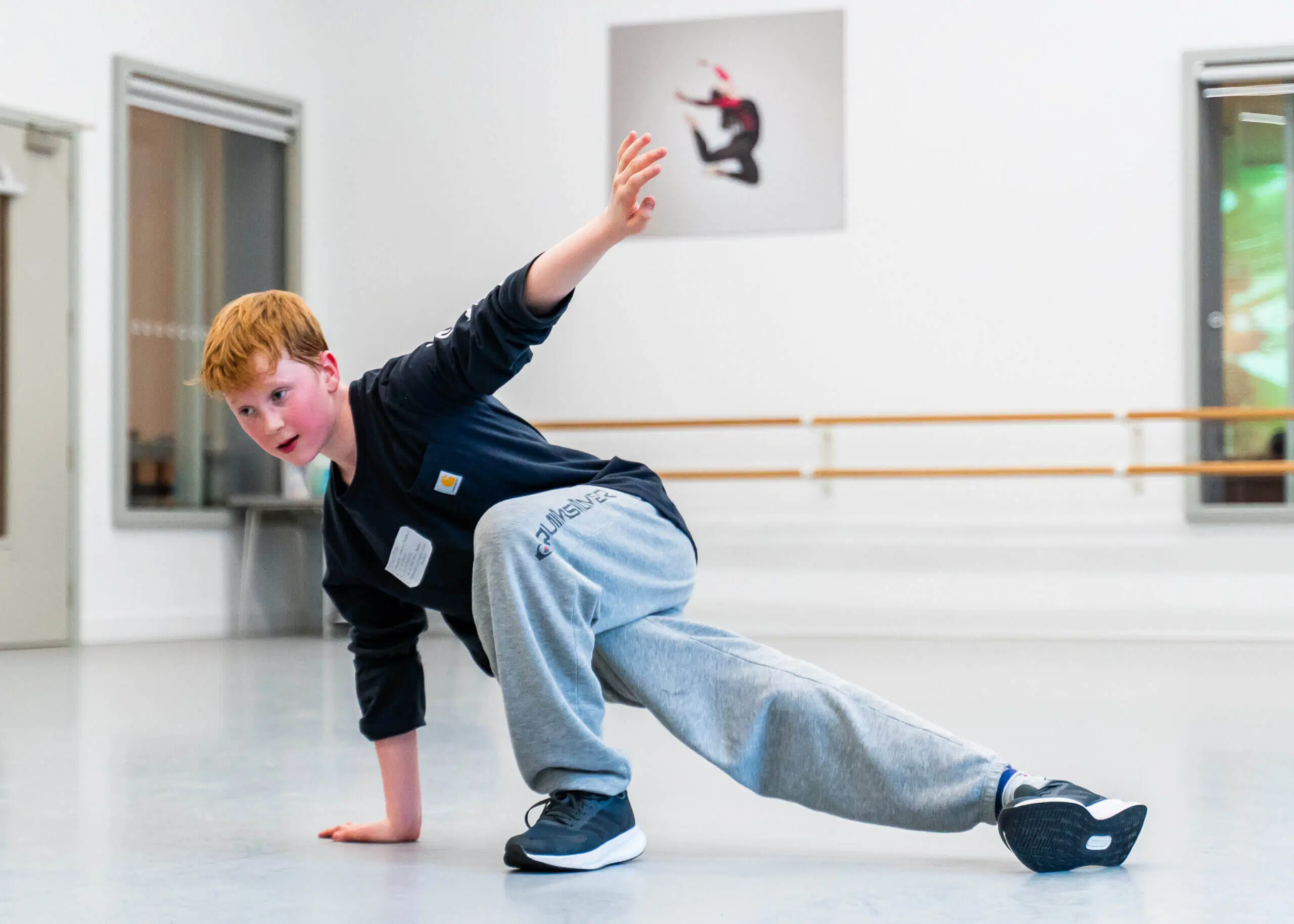
Breaking, also known as breakdancing, is a highly athletic style that includes floor work, spins, and acrobatic moves. It is one of the most physically demanding forms of hip-hop dance and is known for its creativity and power.
These three styles form the foundation of hip-hop dance culture, but many other styles have also developed over time.
Evolution of Hip-Hop Dance
Over the years, hip-hop dance has evolved far beyond its original forms.
New styles like krumping, house dance, and freestyle fusion have become part of the broader hip-hop dance family.
Dancers today often mix different styles together, creating fresh and unique movement patterns.
Hip-hop dance has also moved from the streets into studios, stage performances, music videos, and global competitions. This evolution has helped it reach audiences all over the world.
Hip-Hop Dance as a Form of Expression
Hip-hop dance is more than entertainment. It is a form of expression.
Many dancers use hip-hop to share their emotions, tell stories, or express their identity. It gives people a voice without using words.
For some, it is a way to escape challenges in life. For others, it is a way to build confidence and connect with a community.
Because of its open and expressive nature, hip-hop dance continues to inspire people from all backgrounds.
The Role of Music in Hip-Hop Dance
Music is the heart of hip-hop dance.
Dancers listen closely to rhythm, beats, and sound patterns. Every movement is connected to the music.
Hip-hop beats often have strong bass lines and clear rhythms, which help dancers create powerful and precise movements.
Without music, hip-hop dance would not exist in the same way. The two are deeply connected and grow together.
Hip-Hop Dance Culture
Hip-hop dance is part of a larger cultural movement known as hip-hop culture.
This culture includes four main elements:
- DJing
- MCing (rapping)
- Graffiti art
- Dance
Together, these elements created a powerful creative community in urban areas.
Hip-hop dance is not just about movement; it is about identity, history, and culture.
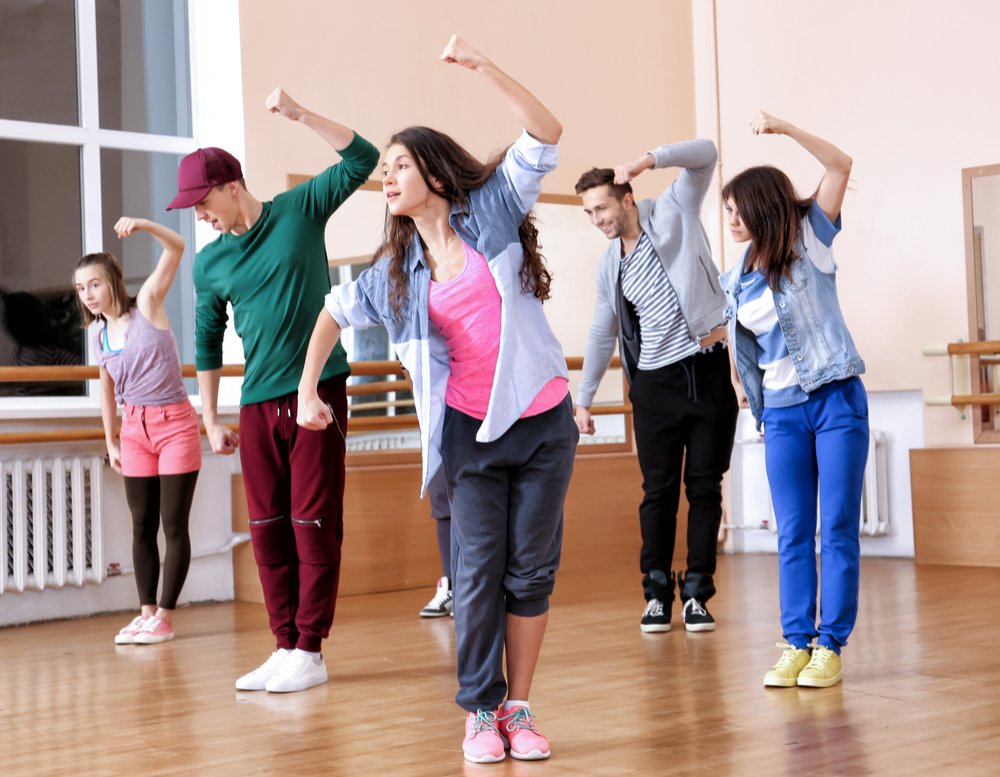
Hip-Hop Dance: A Vibrant Street Style Explained
Hip-Hop in the Modern World
Today, hip-hop dance is one of the most popular dance styles in the world.
It is taught in dance studios, performed on global stages, and shared widely on social media platforms.
Many professional dancers build careers in hip-hop through concerts, competitions, and entertainment industries.
Social media has also helped hip-hop dance grow faster by allowing dancers to share videos and connect globally.
Hip-Hop Dance Competitions
Competitions are a big part of modern hip-hop dance.
Dancers compete in battles where they take turns performing freestyle or choreographed routines.
Judges look at creativity, technique, musicality, and style.
These battles are not about fighting — they are about respect, skill, and artistic expression.
Physical and Mental Benefits
Hip-hop dance is not only fun but also very healthy.
It improves:
- Strength
- Flexibility
- Coordination
- Balance
- Stamina
It also helps with mental health by reducing stress and increasing confidence.
Dancing regularly can help people feel more active, focused, and happy.
Hip-Hop Dance in Media and Entertainment
Hip-hop dance is widely used in entertainment.
It appears in:
- Music videos
- Movies
- TV shows
- Live concerts
- Award performances
Choreographers often mix hip-hop with other styles to create visually exciting performances.
This has helped hip-hop become a major part of global pop culture.
Global Influence of Hip-Hop Dance
Hip-hop dance is now practiced all over the world.
Different countries have added their own styles and creativity to it.
This global spread has made hip-hop dance more diverse and rich.
Despite its worldwide growth, it still stays connected to its roots in the Bronx.
The Future of Hip-Hop Dance
The future of hip-hop dance looks bright.
As music and technology continue to change, hip-hop dance will also evolve.
We may see more digital performances, global collaborations, and new fusion styles.
But even with all these changes, the core spirit of hip-hop will stay the same — freedom, creativity, and expression.
Final Thoughts
Hip-hop dance is a powerful and vibrant art form that continues to inspire people around the world.
From its beginnings in the Bronx to its global presence today, it has remained a symbol of creativity and self-expression.
Through popping, locking, and breaking, hip-hop dance has created a cultural movement that goes far beyond just movement.
It is a language of rhythm, emotion, and identity — and it continues to grow with every new generation of dancers.
Read Also: Keep your face towards the sunshine and shadows will fall behind you
Watch Also: https://www.youtube.com/@TravelsofTheWorld24

Leave a Reply