
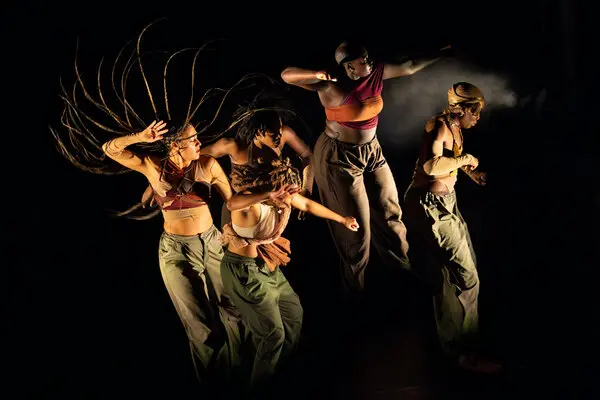
Hip-hop dance has come a long way from its beginnings on the streets of New York City. What started as a raw, energetic form of expression in neighborhoods and block parties has now grown into a global art form seen on the biggest concert stages in the world. Today, hip-hop dance is not just one style — it is a collection of many styles, each with its own identity, history, and energy.
Bringing this diversity of hip-hop dance to the concert stage is about more than just entertainment. It is about culture, storytelling, creativity, and respect for the roots of the movement.
The Origins of Hip-Hop Dance
Hip-hop dance began in the 1970s in the Bronx, New York. It developed alongside hip-hop music and culture, which also included DJing, MCing, and graffiti art.
In the early days, dance was a way for young people to express themselves in a creative and positive way. Street parties and community gatherings became places where dancers could show their skills and creativity.
The earliest hip-hop dance styles included:
- Breaking (or breakdancing)
- Popping
- Locking
Each of these styles had its own unique movements and personality.
Understanding Hip-Hop Diversity
Hip-hop dance is not one single style. It is a family of many different styles that have grown over time.
Some of the major styles include:
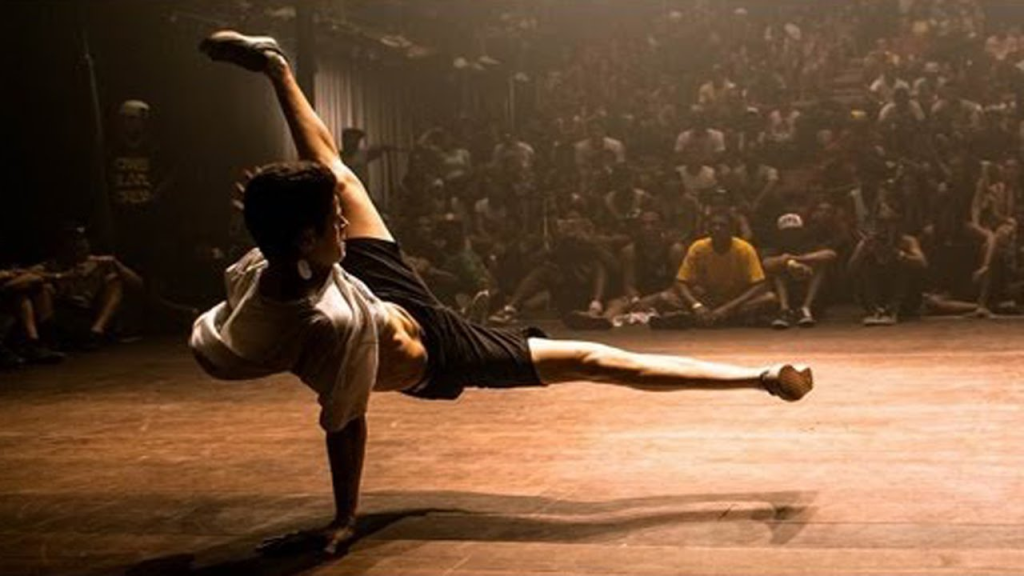
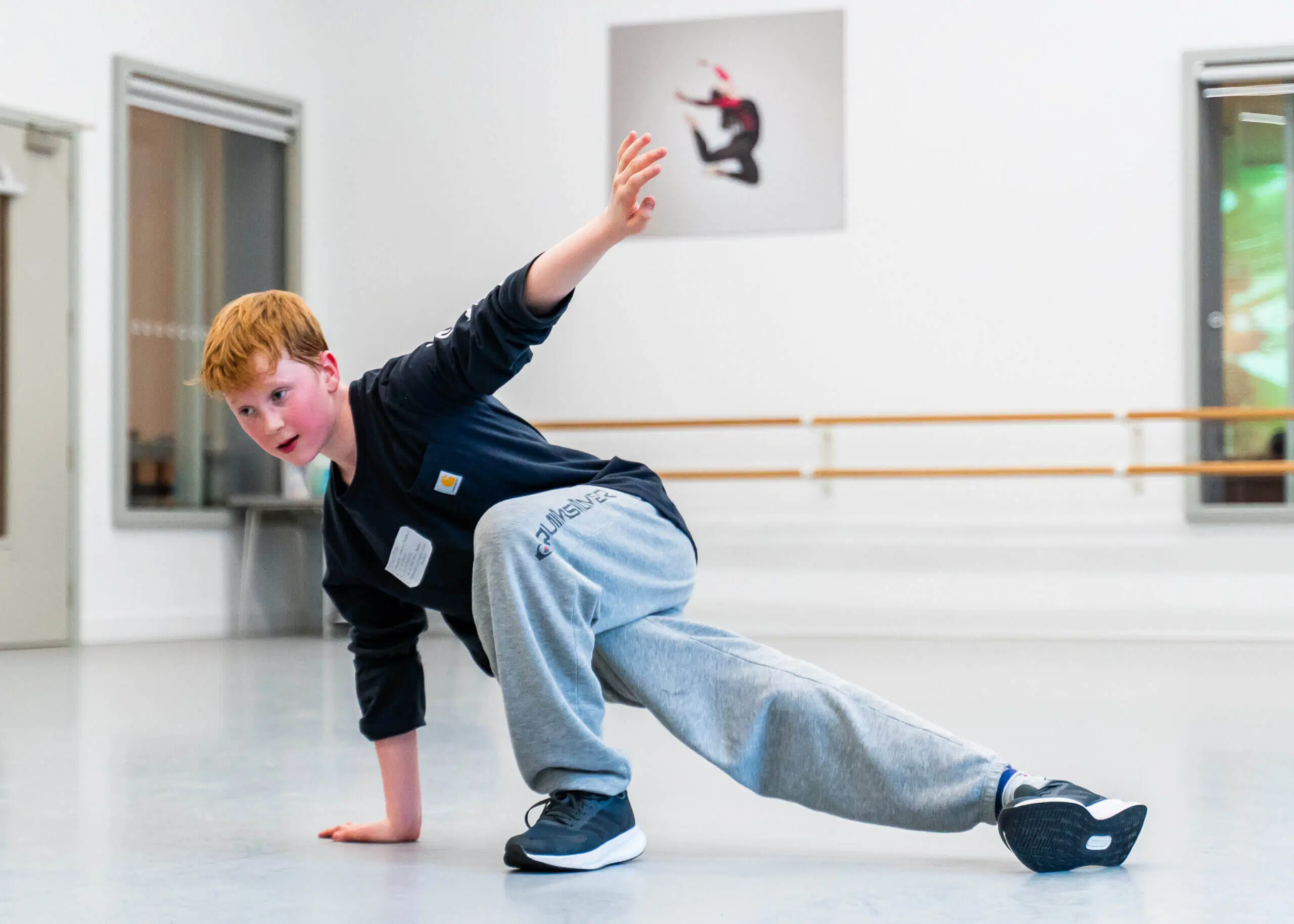
Breaking – Acrobatic, floor-based movement with power moves and freezes.
Popping – Sharp muscle contractions that create a robotic effect.
Locking – Fast, expressive movements with pauses or “locks.”
Hip-hop freestyle – Loose, groove-based movement influenced by music.
Krumping – High-energy, emotional, and aggressive style.
Each style comes from different communities and carries its own story.
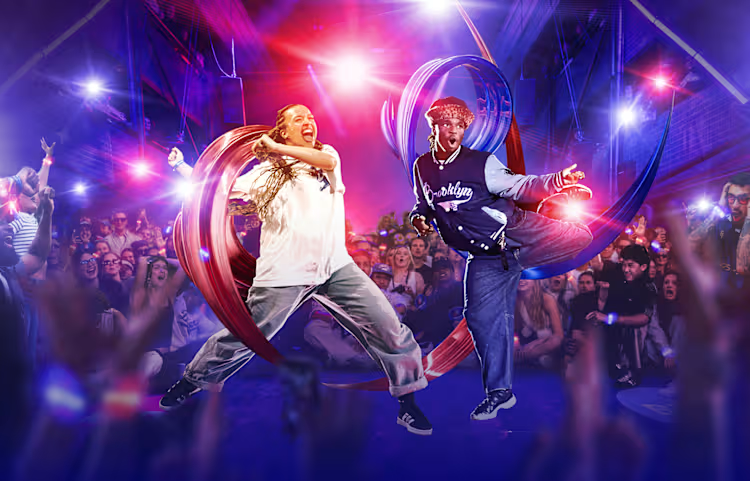
How Hip-Hop Dance Transformed the Concert Stage
From Streets to Stage
One of the biggest transformations in hip-hop dance has been its journey from the streets to the concert stage.
In the beginning, hip-hop dance was informal. There were no stages, no lights, and no formal rules. Dancers performed in circles at block parties, reacting to DJs and each other.
Over time, choreographers and performers began bringing hip-hop dance into theatres, music videos, and live concerts.
This shift changed how hip-hop was seen by the world. It became a professional art form while still keeping its street energy.
The Concert Stage Transformation
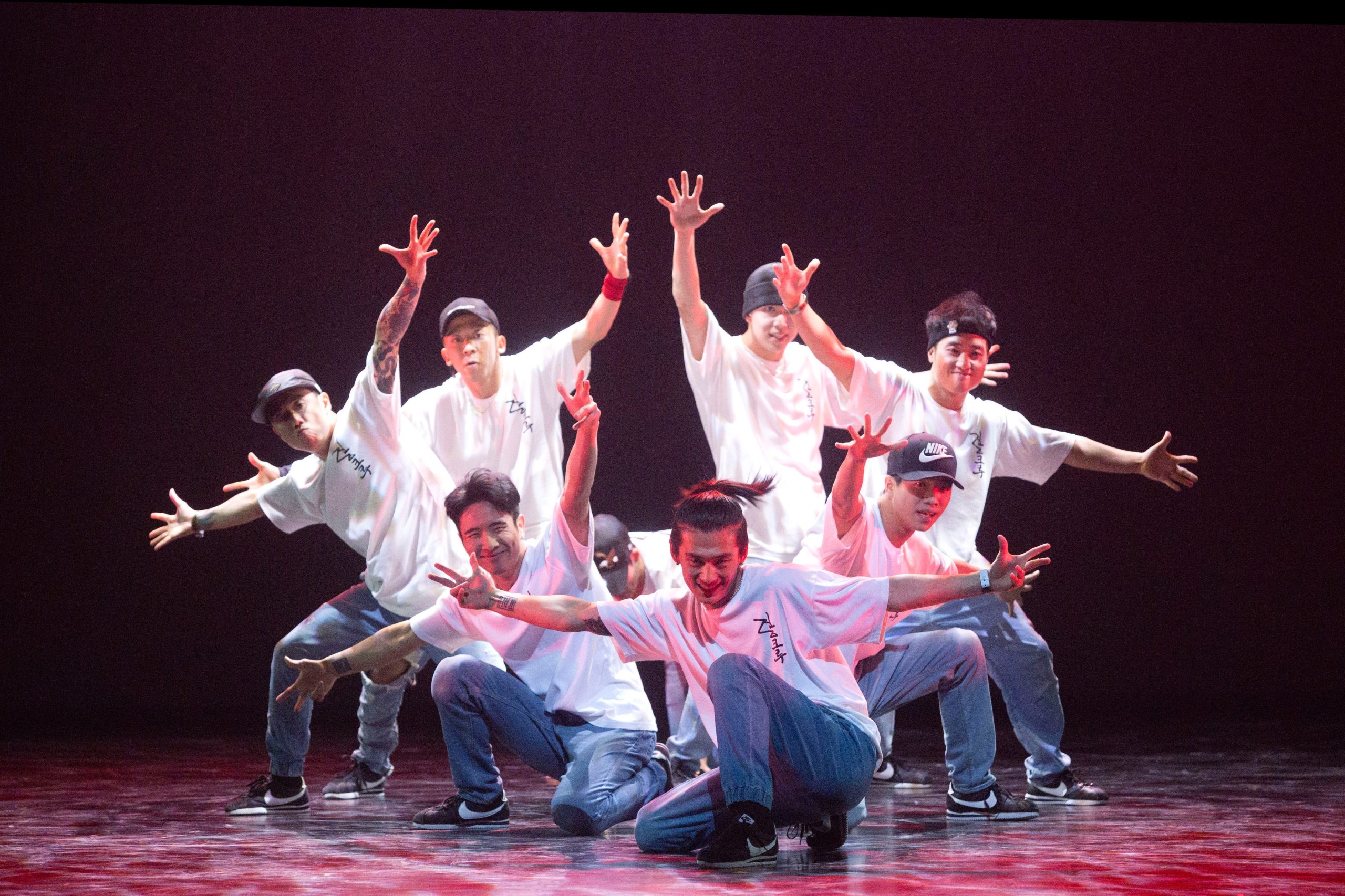
When hip-hop dance is brought to the concert stage, it becomes something bigger and more structured.
On stage, dancers perform in front of large audiences, often as part of:
- Music concerts
- Award shows
- Theatre productions
- World tours
This environment requires more planning and choreography compared to freestyle street battles.
Lighting, costumes, stage design, and storytelling all play a role in shaping the performance.
Blending Different Hip-Hop Styles
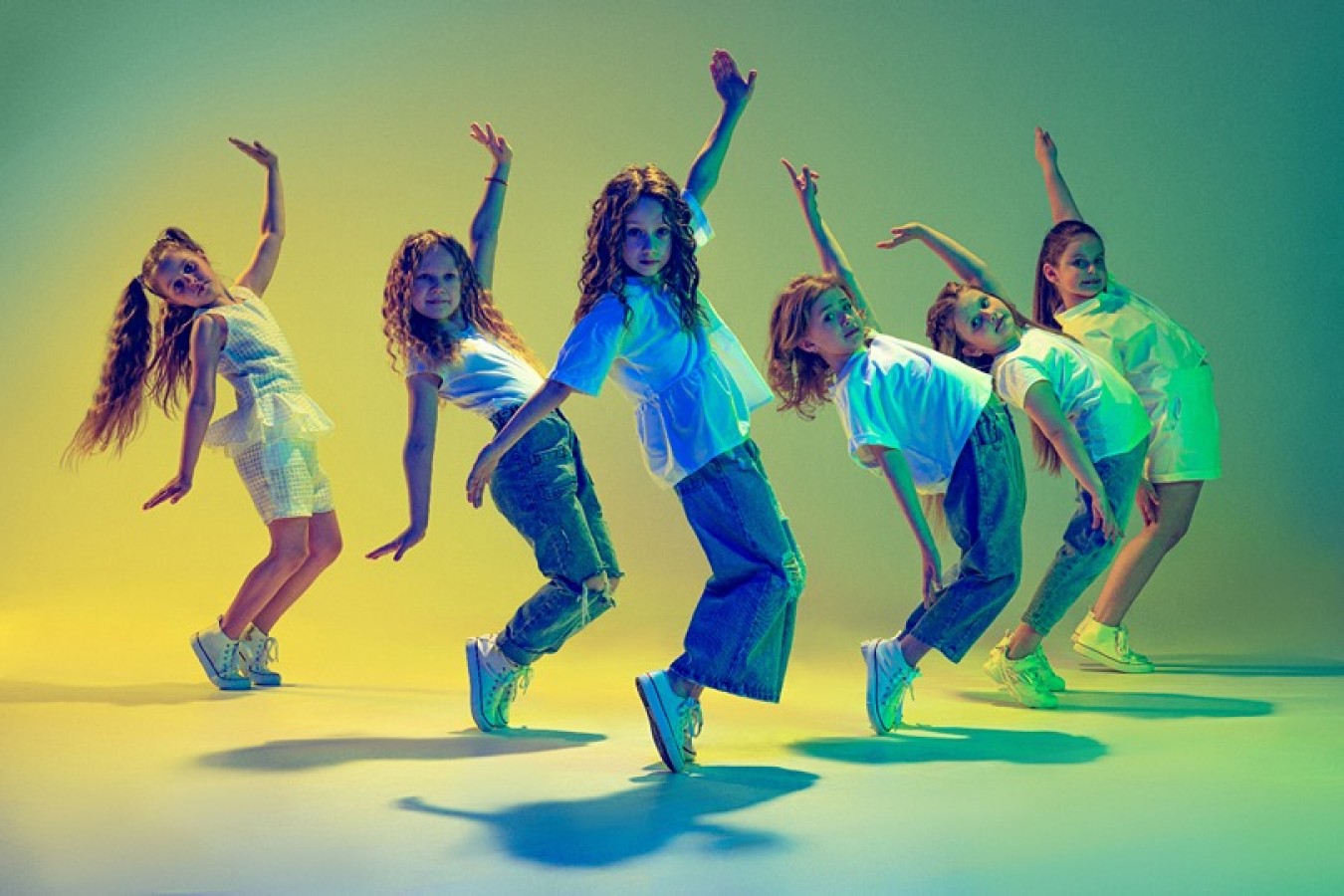
One of the most exciting parts of concert hip-hop is the blending of styles.
Choreographers often combine breaking, popping, locking, and freestyle movement into one performance.
This creates a rich and dynamic experience for the audience.
For example:
- A dancer may start with popping
- Transition into locking movements
- Then move into breaking floor work
- End with freestyle group choreography
This mix shows the full diversity of hip-hop dance.
The Role of Choreographers
Choreographers play a key role in bringing hip-hop dance to the concert stage.
They are responsible for:
- Creating movement sequences
- Blending different styles
- Telling a story through dance
- Matching movement with music
- Managing stage formations
A good choreographer respects the roots of hip-hop while also exploring new creative ideas.
They often work closely with dancers to bring out individuality and style.
Storytelling Through Hip-Hop Dance
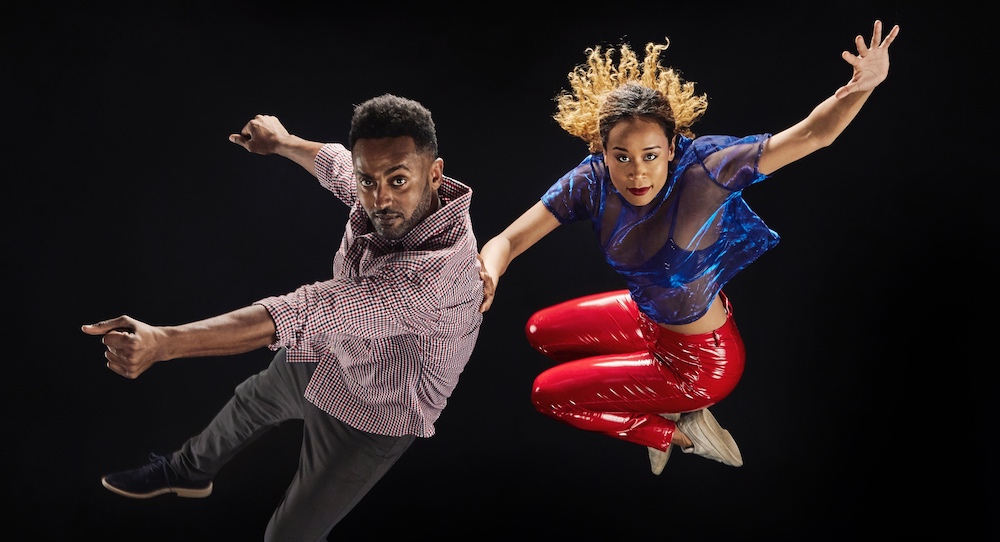
On the concert stage, hip-hop dance is not just about movement — it is also about storytelling.
Dancers use their bodies to express emotions, ideas, and themes.
A performance might tell stories about:
- Struggle and success
- Identity and culture
- Community and unity
- Personal journeys
Even without words, audiences can understand the message through movement and expression.
Energy and Performance Style
Hip-hop dance is known for its strong energy.
On stage, this energy becomes even more powerful.
Dancers must:
- Perform with confidence
- Stay in sync with music
- Maintain stamina for long routines
- Connect with the audience
Every movement is larger, clearer, and more expressive than in street performances.
Respecting the Roots
While hip-hop dance has grown into a global stage art form, it is very important to respect its roots.
Hip-hop comes from real communities and real life experiences. It is not just entertainment — it is culture.
When bringing hip-hop to concert stages, dancers and choreographers must remember:
- The history behind the movement
- The meaning of each style
- The culture it comes from
Respect keeps the art form authentic and meaningful.
Costumes and Stage Design
In concert performances, visuals play a big role.
Costumes in hip-hop dance are often designed to:
- Match the music style
- Reflect the theme of the performance
- Allow freedom of movement
Stage design and lighting also help enhance the mood. Bright lights, shadows, and effects can make movements look more powerful and dramatic.
How Hip-Hop Dance Transformed the Concert Stage
Hip-Hop Dance and Music Connection
Music is the foundation of hip-hop dance.
On concert stages, dancers often perform to:
- Hip-hop beats
- R&B tracks
- Pop remixes
- Live music performances
Dancers must understand rhythm deeply. Every beat, pause, and drop in the music helps shape their movement.
Training for Stage Performance
Performing hip-hop on a concert stage requires serious training.
Dancers focus on:
- Strength and stamina
- Flexibility and control
- Timing and musicality
- Team coordination
Unlike freestyle battles, stage performances need precision and synchronization, especially in group routines.
Global Influence of Hip-Hop Dance
Today, hip-hop dance is global.
It is performed in concerts all over the world, from small theatres to massive stadiums.
Different countries bring their own flavor to hip-hop, mixing it with local dance traditions.
This makes the concert stage even more diverse and exciting.
The Future of Hip-Hop on Stage
The future of hip-hop dance on concert stages looks very bright.
With new music, technology, and global collaboration, hip-hop will continue to evolve.
We may see:
- More fusion with other dance styles
- Interactive stage technology
- Virtual performances
- Global dance collaborations
But even with all these changes, the core of hip-hop will remain the same — expression, creativity, and energy.
Final Thoughts
Bringing a diversity of hip-hop dance to the concert stage is about honoring the past while embracing the future.
From breaking to popping to freestyle movement, each style adds something unique to the performance.
On stage, these styles come together to create powerful, emotional, and visually exciting shows.
Hip-hop dance continues to grow, but its heart remains rooted in culture and expression.
And as long as dancers keep that spirit alive, hip-hop will continue to inspire audiences everywhere.
Read Also: Keep your face towards the sunshine and shadows will fall behind you
Watch Also: https://www.youtube.com/@TravelsofTheWorld24




Leave a Reply