
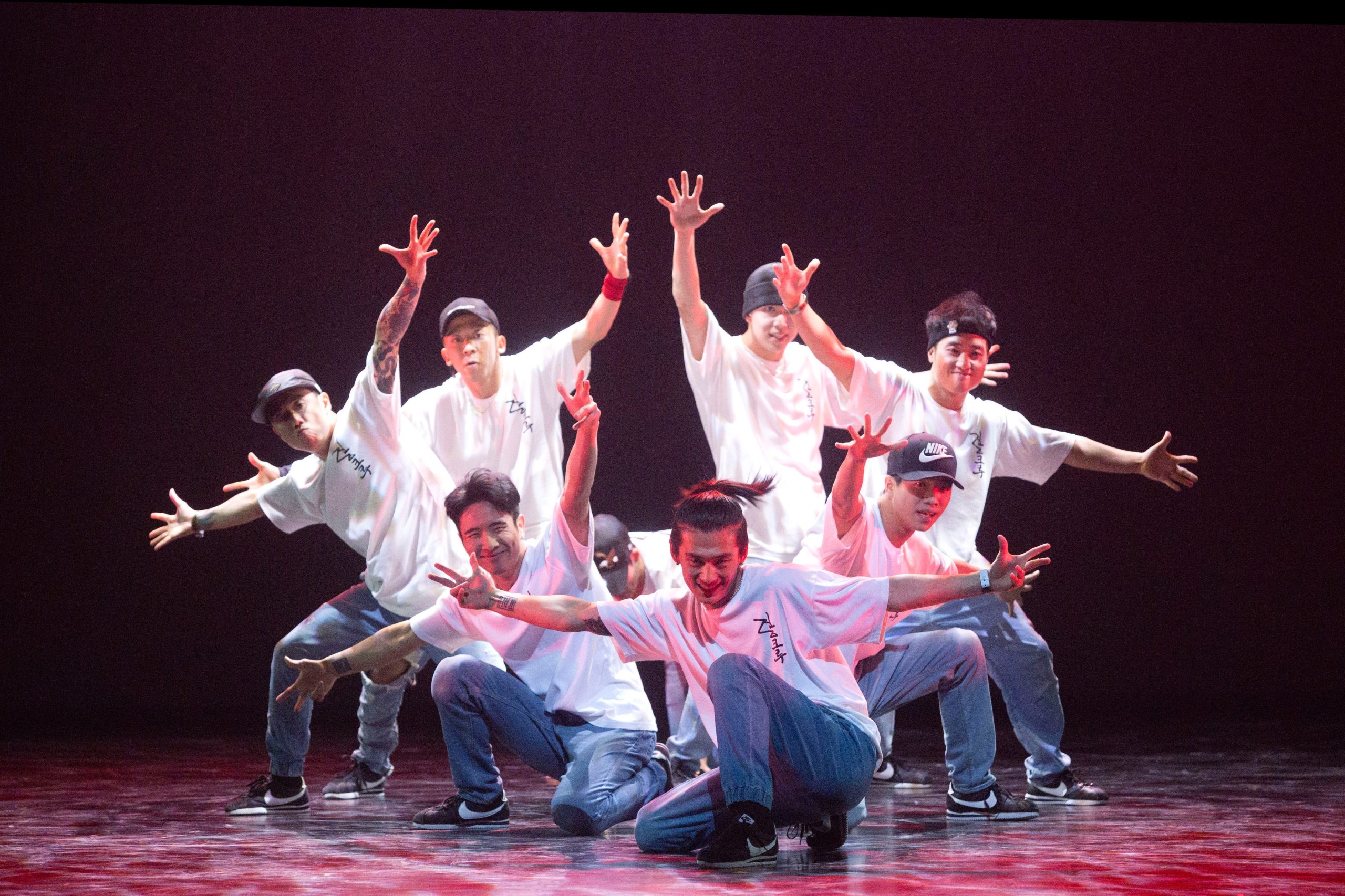
Breaking, often known around the world as “breakdancing,” is the first and one of the most powerful styles to come out of hip-hop culture. It began in the streets of New York City during the early rise of hip-hop music and quickly became a global movement. Dancers who practice this style are called b-boys and b-girls, and they are known for their energy, creativity, and incredible athletic skills.
By the late 1980s, breaking had slowed down in popularity. This happened as hip-hop music itself started changing, becoming slower and more focused on different styles. But even though its mainstream popularity dropped for a time, breaking never truly disappeared. Instead, it stayed alive in communities around the world and later came back stronger than ever.
Today, breaking is not just a dance style. It is a global culture, a sport, and even part of international competitions. Its journey from the streets to the world stage is one of the most inspiring stories in modern dance history.
The Birth of Breaking in Hip-Hop Culture
Breaking was born in the 1970s in the Bronx, New York City. It developed alongside other elements of hip-hop culture like DJing, MCing, and graffiti art.
At block parties, DJs would play long instrumental sections of songs called “breaks.” These were the parts where the beat was strongest and most rhythmic. Dancers would rush to the center of the circle and perform energetic moves during these breaks — this is how “breaking” got its name.
These early dancers, the b-boys and b-girls, turned simple footwork into a powerful art form. They combined rhythm, style, and athletic movement in a way that had never been seen before.
What Makes Breaking Unique
Breaking is not just one type of movement — it is a combination of different styles and techniques. It usually includes four main elements:
Toprock – Movements done while standing, often used to start a round.
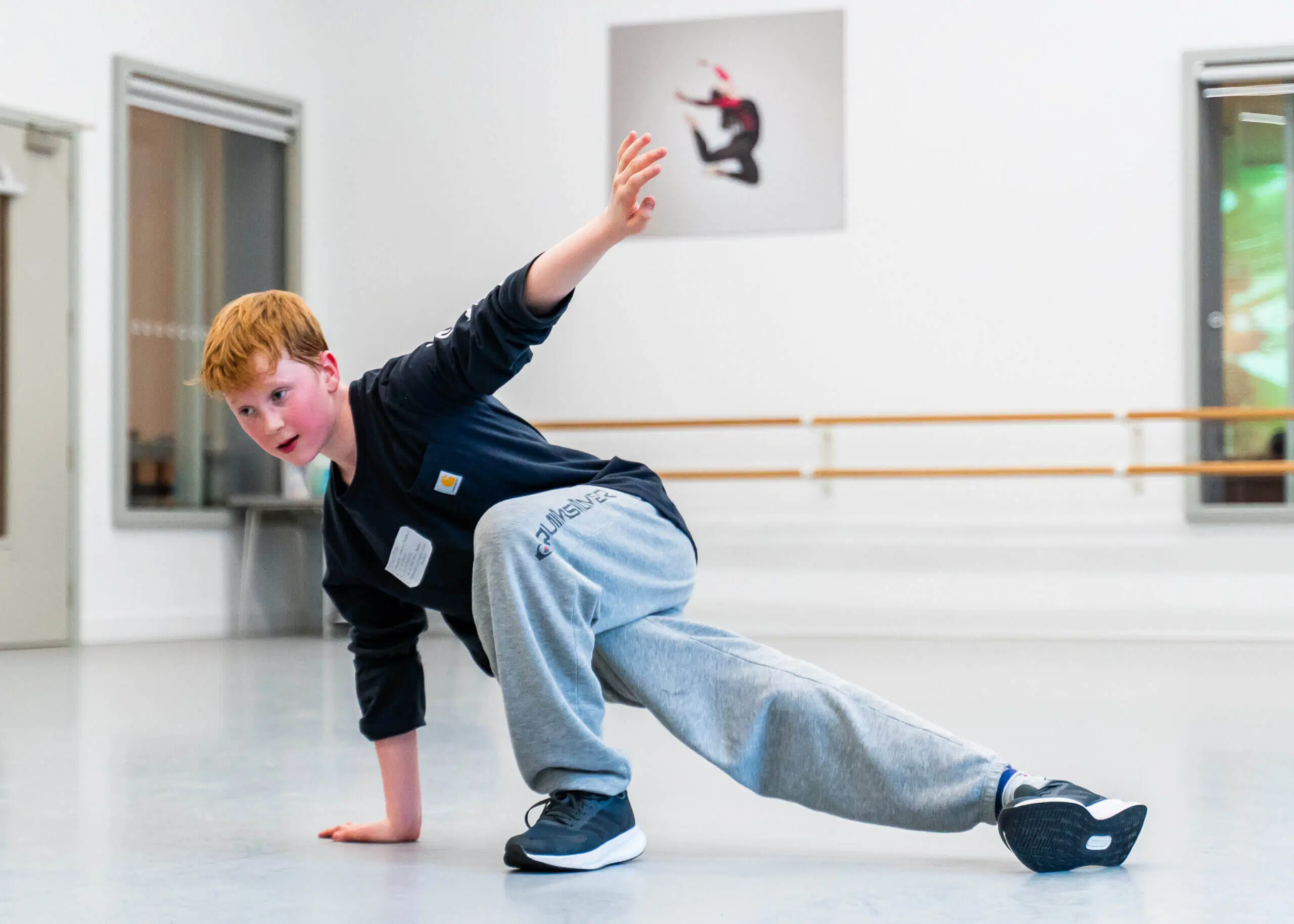
Downrock – Footwork performed close to the ground.
Power moves – Fast, spinning, and acrobatic movements like windmills or flares.
Freezes – Holding a strong pose to end a sequence.
Each dancer brings their own style to these elements, which makes breaking highly creative and personal.
Unlike many traditional dance forms, breaking does not follow strict choreography. Instead, it is built on improvisation. Dancers respond to the music and to each other in real time.
The Role of Music in Breaking
Music is the heart of breaking.
Early hip-hop DJs like Kool Herc played a major role in shaping the dance by isolating drum breaks in funk and soul records. These beats gave dancers the perfect rhythm to move to.
As hip-hop music evolved in the 1980s, the beats became slower and more structured. This change had a big impact on breaking, as the fast, break-heavy tracks became less common.
Because of this shift, breaking started to lose mainstream attention by the late 80s. But even during this time, underground communities kept the culture alive.
Why Breaking Declined in Popularity
By the late 1980s, breaking was no longer as visible in mainstream media.
There were a few reasons for this:
Hip-hop music was changing in style
Media attention moved to other dance trends
Commercial interest in breaking decreased
Fewer large-scale competitions were being held
However, this did not mean the end of breaking. It simply moved out of the spotlight and into local communities, where passionate dancers continued to practice and evolve the style.
The Spirit of B-Boys and B-Girls
At the center of breaking culture are the dancers themselves — b-boys and b-girls.
These dancers are known for their discipline, creativity, and strong connection to music. Many of them train for hours every day, building strength, flexibility, and control.
But breaking is not only about physical ability. It is also about personality. Each dancer expresses their identity through movement. No two dancers look the same, even when performing the same move.
Battles between dancers are a key part of the culture. These are not fights, but friendly competitions where dancers take turns performing and responding to each other’s moves.
Breaking as a Form of Expression
Breaking is more than just athletic movement. It is a way of expressing emotions, stories, and identity.
For many dancers, it became a way to escape difficult environments and express themselves freely. In the streets, where opportunities were limited, breaking gave young people a sense of purpose and community.
The dance also encouraged creativity. Since there were no strict rules, dancers had the freedom to develop their own style and invent new moves.
The Global Spread of Breaking
Even though breaking slowed down in the United States in the late 80s, it began spreading to other parts of the world.
Countries in Europe, Asia, and South America started building their own breaking communities. Dancers shared videos, traveled for competitions, and learned from each other.
By the 1990s and 2000s, breaking had become a global culture. International events brought dancers together from different backgrounds, all connected by the same passion.
Today, breaking is practiced in almost every country, and global competitions attract huge audiences.
Breaking in Modern Times
In recent years, breaking has made a strong comeback.
It has been included in major international sports events and continues to grow as both an art form and a competitive discipline. Many young dancers now see breaking as a professional career path.
Social media has also played a big role in its revival. Dancers can now share their moves online, learn from others, and build global communities.
Despite its evolution, breaking still keeps its original spirit — creativity, freedom, and self-expression.
Physical and Mental Demands
Breaking is one of the most physically demanding dance styles.
It requires strength, speed, balance, and endurance. Dancers often train like athletes, focusing on fitness and flexibility.
At the same time, breaking also challenges the mind. Dancers must think quickly, adapt to music, and respond to opponents in battles.
This combination of physical and mental skill makes breaking unique among dance styles.
Breaking Today: A Living Culture
Even after decades of change, breaking remains a living and growing culture.
It continues to evolve while staying connected to its roots in hip-hop. Older generations of b-boys and b-girls pass down knowledge to younger dancers, keeping traditions alive.
At the same time, new styles and techniques continue to emerge.
Breaking is no longer just a street dance — it is a global language of movement.
Final Thoughts
Breaking started as a street movement in New York City, grew into a global culture, faced decline in the late 80s, and then rose again stronger than before.
Through all these changes, one thing has stayed the same — its focus on creativity, expression, and community.
For b-boys and b-girls around the world, breaking is more than dance. It is identity, passion, and a way of life.
And even today, it continues to inspire new generations to move, create, and express themselves freely.
Read Also: Keep your face towards the sunshine and shadows will fall behind you
Watch Also: https://www.youtube.com/@TravelsofTheWorld24



Leave a Reply