
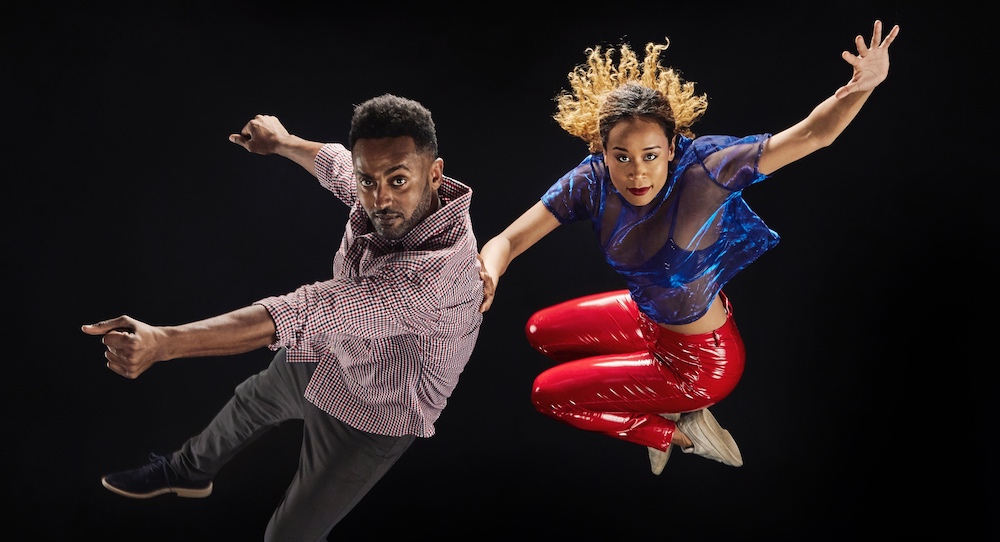
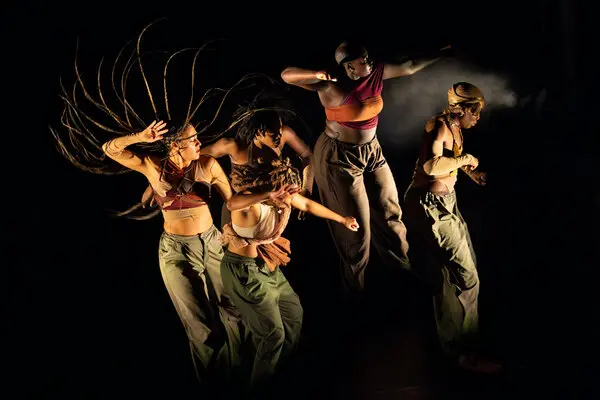
Jazz dance in 2026 is a living, changing style that blends tradition with modern movement. It has grown far beyond its early roots and now includes influences from hip-hop, contemporary dance, street styles, and even social media trends. Today, jazz dance is not just a stage performance style — it is a global form of expression seen in studios, concerts, competitions, films, and online platforms.
Even though jazz dance has changed a lot over the years, it still keeps its original spirit: energy, rhythm, and personal expression.
The Roots of Jazz Dance
Jazz dance first developed in the early 20th century in the United States. It was deeply connected to African-American music and culture, especially jazz music. Early jazz dance was full of rhythm, improvisation, and strong musical connection.
Over time, it moved from social spaces into theatres and stage performances. Choreographers began shaping it into a more structured dance style while still keeping its lively and expressive nature.
By the mid-1900s, jazz dance became a major part of musicals, Broadway shows, and Hollywood films. It was known for sharp movements, big energy, and strong stage presence.
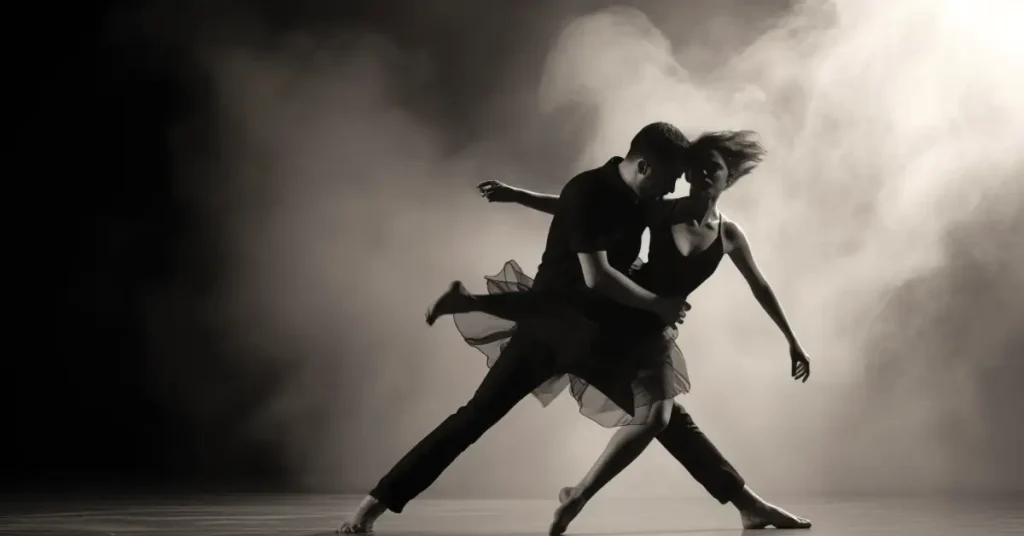
Jazz Dance in 2026: Style, Energy, and Evolution
Jazz Dance Today in 2026
In 2026, jazz dance is no longer limited to one fixed style. It has become a fusion form that absorbs ideas from many dance worlds.
Modern jazz dance often includes:
- Traditional jazz technique
- Contemporary movement
- Hip-hop grooves
- Commercial dance style
- Ballet-based control and lines
Because of this mix, jazz dance today looks very different depending on where you see it. A stage performance, a dance competition, and a TikTok routine may all show jazz dance — but each one will feel slightly different.
Why Jazz Dance Has Changed So Much
One of the biggest reasons jazz dance has evolved is cultural blending.
Dancers today grow up watching many styles online. They learn from videos, classes, and global dance communities. This exposure naturally mixes styles together.
Music has also changed. Modern jazz choreography is not limited to jazz music anymore. It now uses pop, electronic, R&B, and hip-hop beats. This gives choreographers more freedom to experiment.
Another reason is audience demand. People today enjoy fast, dynamic, and visually exciting performances. Jazz dance fits perfectly into this modern entertainment style.
The Energy of Jazz Dance
Even in 2026, one thing has not changed — the energy of jazz dance.
Jazz is known for its sharp movements, strong accents, and expressive performance quality. Dancers use their whole body to match the rhythm of the music.
It is a style that demands confidence. Every movement is clear, bold, and full of intention. Whether slow or fast, jazz dance always carries a strong sense of musicality.
Jazz Dance in Training Studios
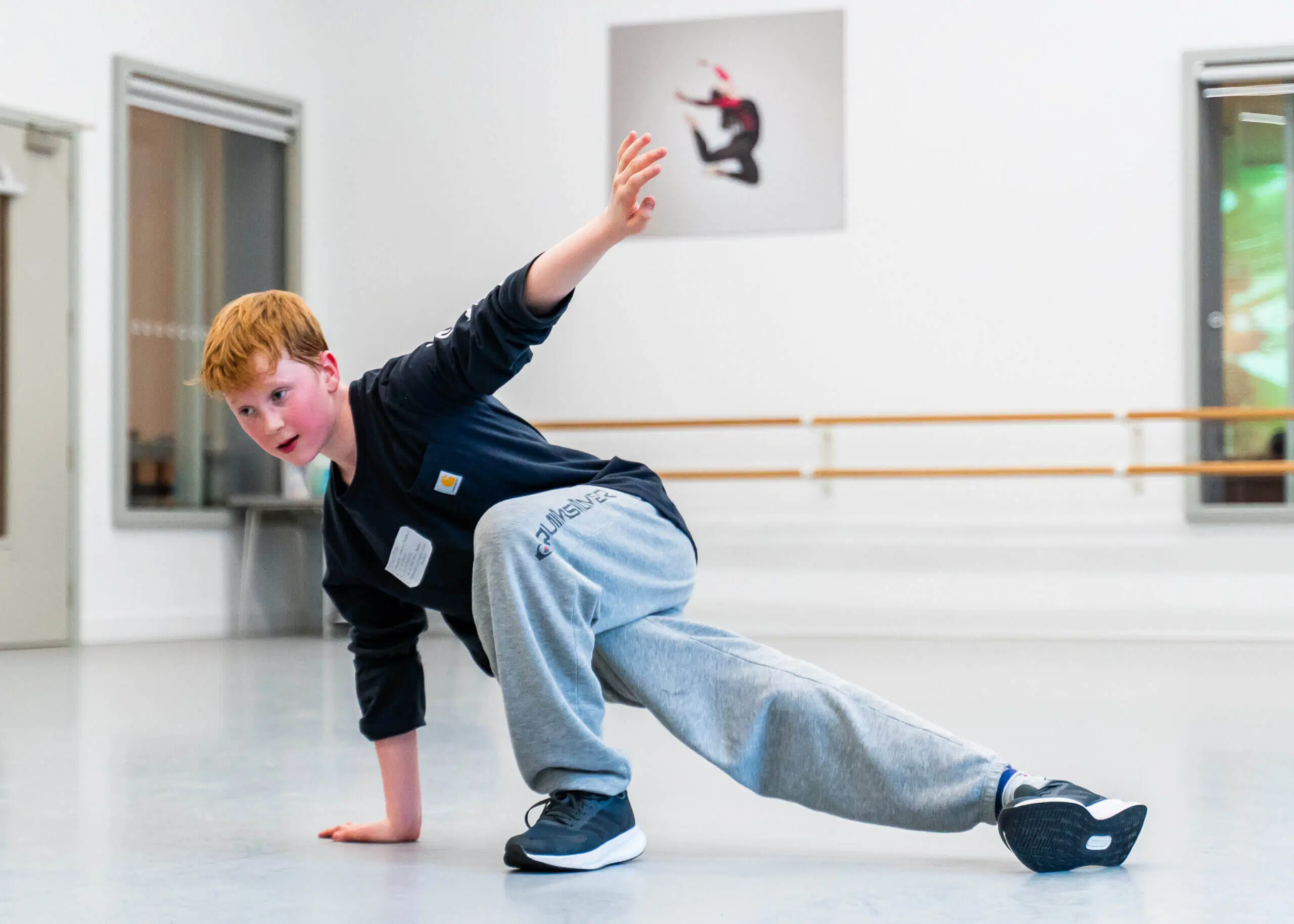
In dance studios around the world, jazz dance is still a core training style.
Students learn:
- Body control
- Flexibility
- Rhythm awareness
- Turns and jumps
- Performance quality
Teachers often use jazz to build strong foundations for other styles too. It helps dancers improve coordination and stage presence.
In 2026, many studios also mix jazz with commercial dance training, preparing students for careers in entertainment, film, and live shows.
Influence of Social Media
Social media has changed jazz dance in a big way.
Platforms like short video apps have made dance more visible than ever. Dancers now share routines instantly with global audiences.
This has led to:
- Faster spread of choreography trends
- Fusion of dance styles
- More creativity and experimentation
- Global dance challenges
Jazz dance has adapted to this space by becoming more visually sharp and camera-friendly. Many modern jazz routines are now designed specifically for short-form video content.
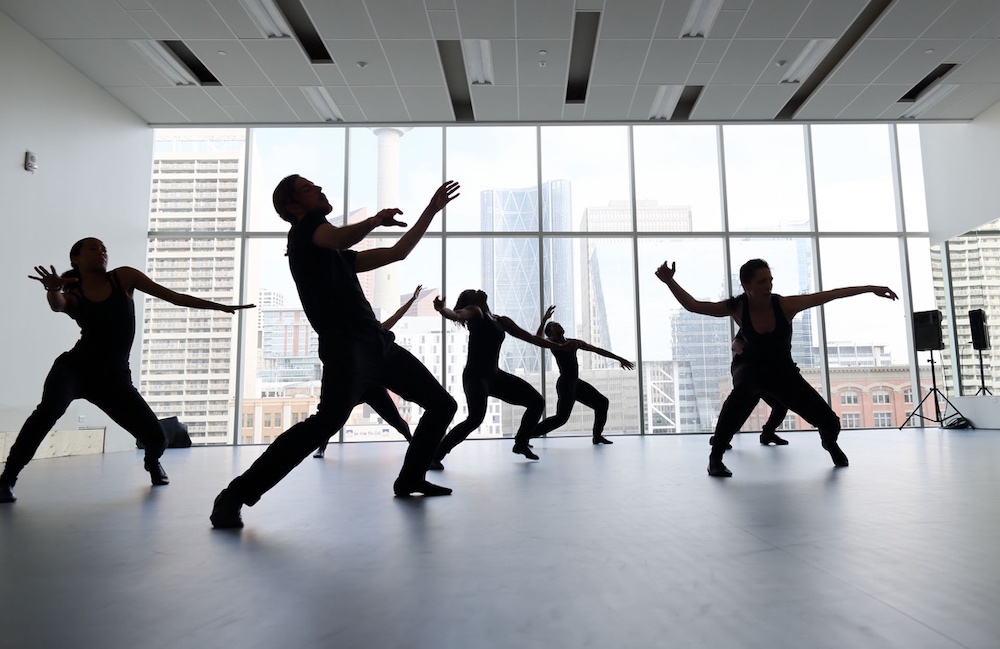
Jazz Dance in 2026: Style, Energy, and Evolution
Jazz Dance in Entertainment Industry
In 2026, jazz dance is still a major part of the entertainment world.
It is used in:
- Music videos
- Live concerts
- Award shows
- Theatre productions
- Television performances
Pop artists often use jazz-inspired choreography because it looks powerful on stage and works well with strong music beats.
Choreographers also mix jazz with hip-hop and commercial styles to create fresh and engaging performances.
Different Styles of Jazz Dance Today
Jazz dance is not one single look anymore. It now includes several sub-styles:
Classic Jazz – Inspired by Broadway and traditional theatre dance
Contemporary Jazz – Smooth, emotional, and flowing movement
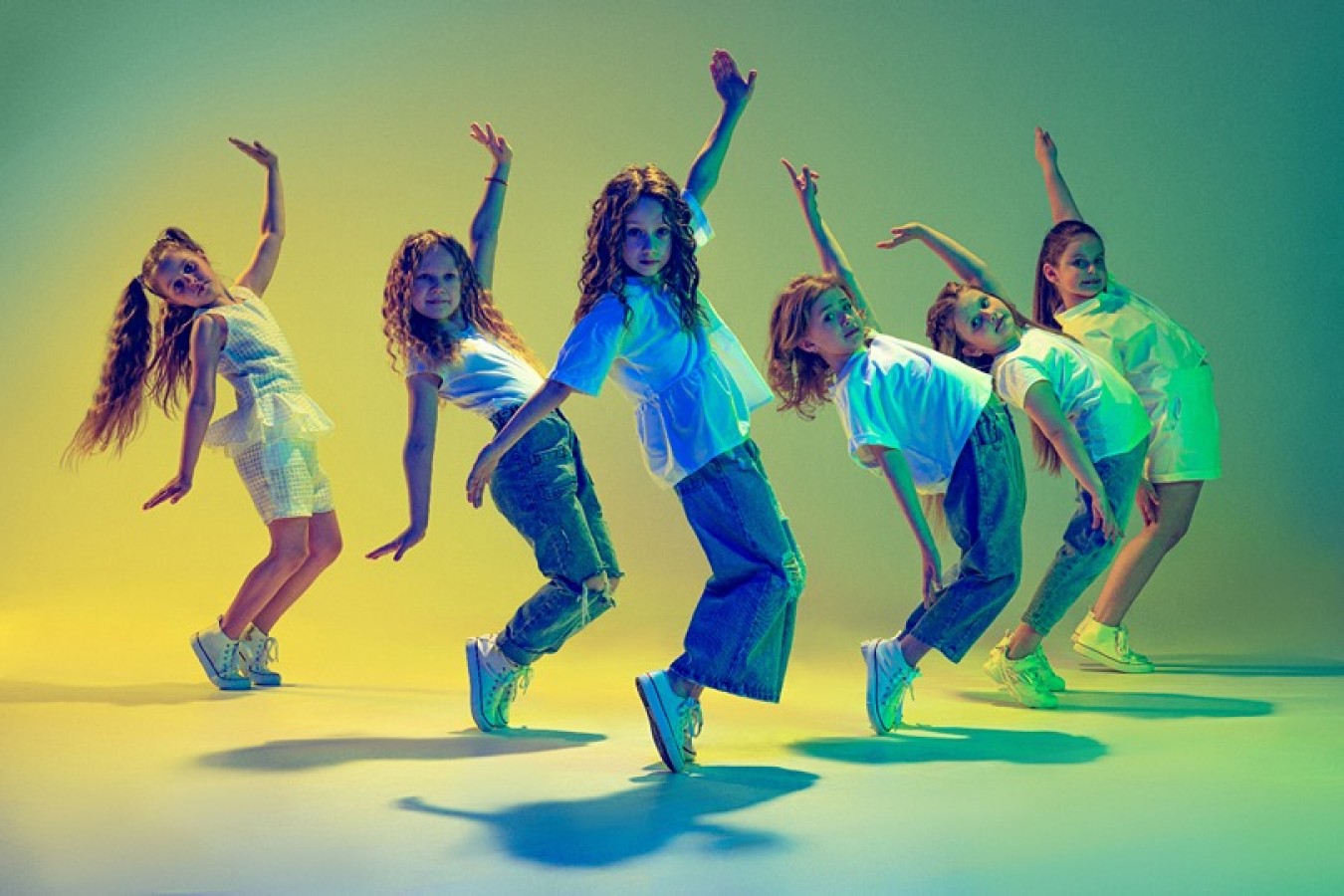
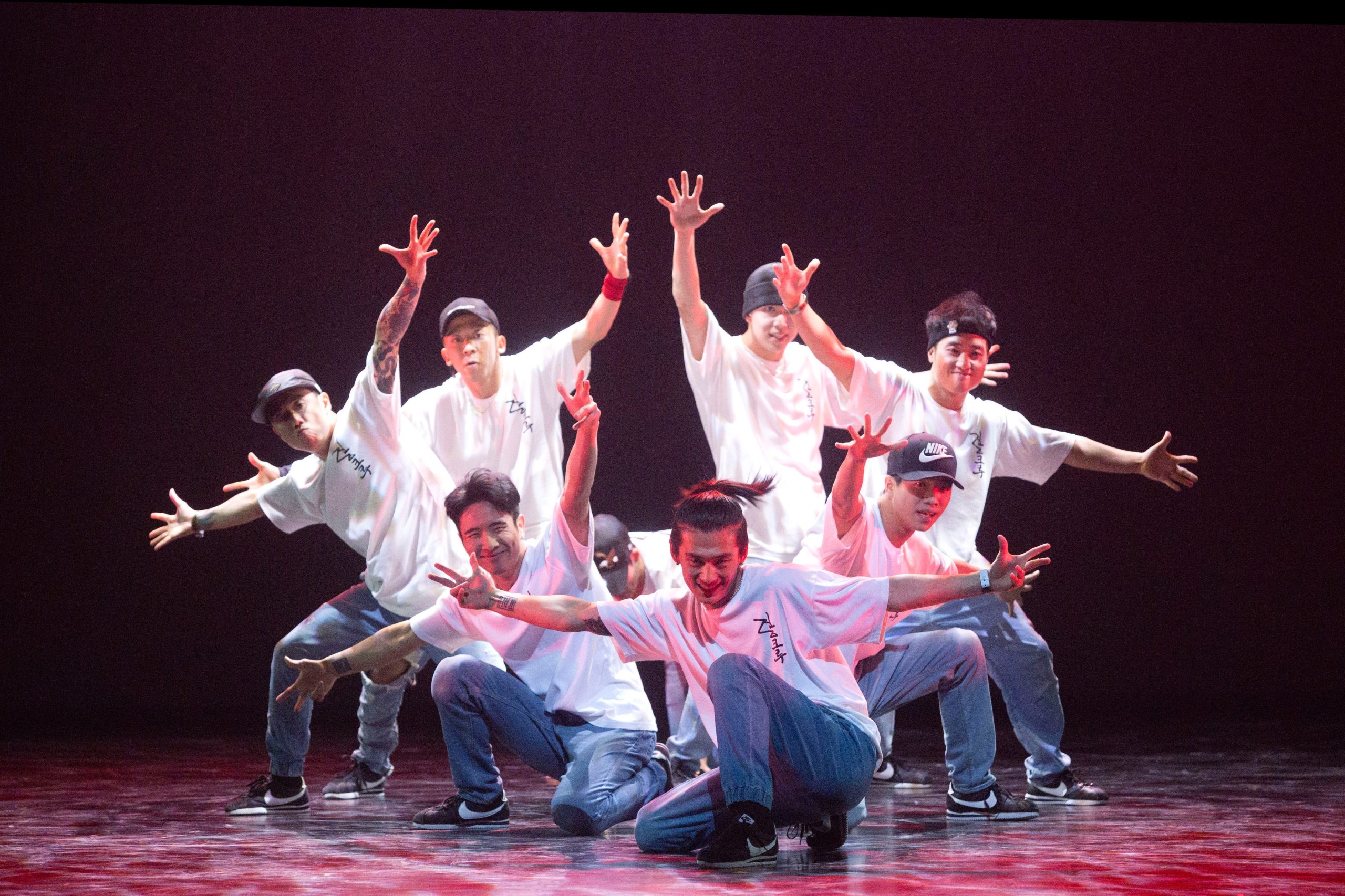
Street Jazz – Fusion of jazz and hip-hop styles
Commercial Jazz – Used in music videos and pop performances
Theatre Jazz – Focused on storytelling and stage expression
Each style has its own identity, but they all share the same foundation of rhythm and expression.
The Role of Improvisation
Improvisation is still an important part of jazz dance.
Dancers are encouraged to feel the music and create movement in the moment. This helps develop creativity and personal style.
Even in structured choreography, dancers often add their own small details — a turn, a gesture, or a change in timing — to make the performance feel more personal.
Physical Demands of Jazz Dance
Jazz dance may look smooth and fun, but it is physically demanding.
It requires:
- Strong core muscles
- Fast reflexes
- Flexibility
- Balance
- Endurance
Dancers train regularly to maintain strength and prevent injuries. Warm-ups, stretching, and conditioning exercises are an important part of jazz training.
Jazz Dance and Emotion
One of the most important parts of jazz dance is expression.
It is not just about steps — it is about feeling the music and showing emotion through movement.
Dancers often use facial expressions, body language, and timing to communicate mood. This makes jazz dance very engaging for audiences.
Global Reach of Jazz Dance
In 2026, jazz dance is truly global.
It is practiced in dance schools, studios, and companies around the world. Different countries bring their own flavor to the style, making it even more diverse.
International workshops and competitions also help dancers connect and learn from each other.
The Future of Jazz Dance
The future of jazz dance looks even more blended and creative.
As new music styles and technologies continue to appear, jazz dance will keep evolving.
Virtual reality training, online choreography classes, and global collaborations may shape how dancers learn and perform.
But no matter how much it changes, the heart of jazz dance will stay the same — rhythm, expression, and freedom.
Final Thoughts
Jazz dance in 2026 is a mix of history and modern creativity. It carries the spirit of its origins while embracing new ideas from around the world.
It is flexible, expressive, and always evolving. Whether on stage, in a studio, or on social media, jazz dance continues to inspire dancers to move with energy and confidence.
At its core, jazz dance is still what it has always been — a celebration of music, movement, and individuality.
Read Also: Keep your face towards the sunshine and shadows will fall behind you
Watch Also: https://www.youtube.com/@TravelsofTheWorld24




Leave a Reply