
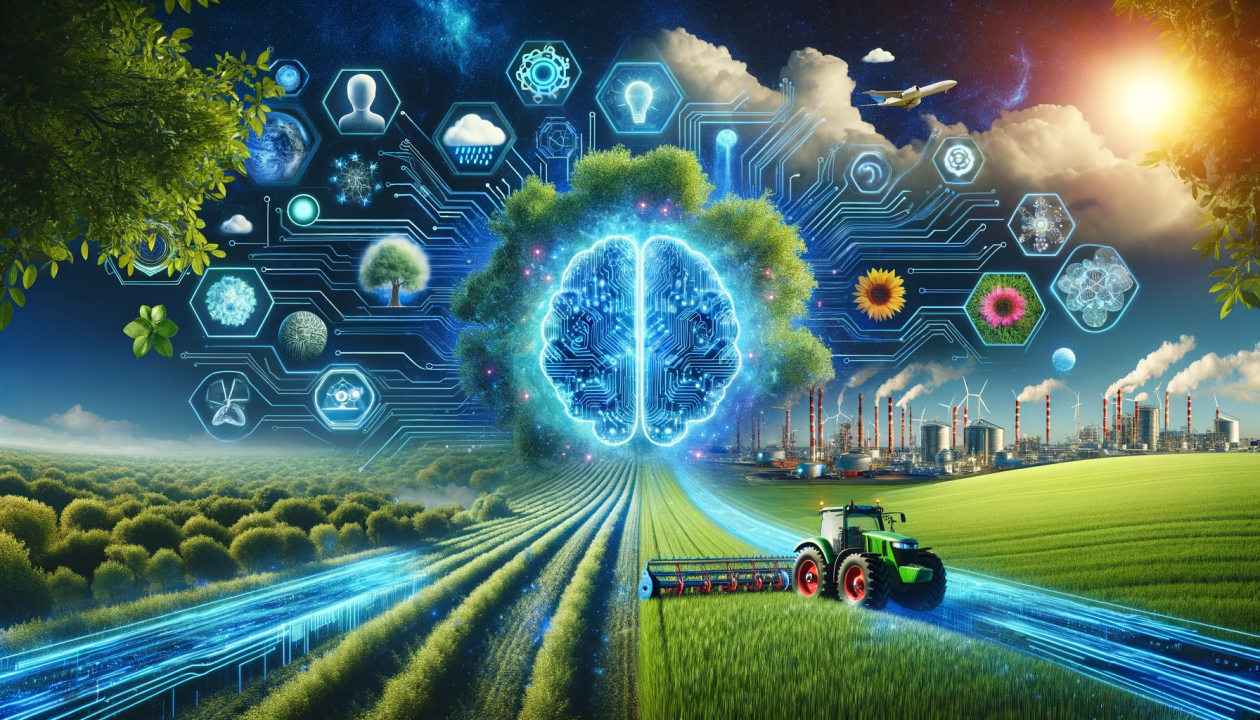
Artificial intelligence (AI) is changing the way we understand and manage weather, the environment, and agriculture. By analyzing large amounts of data, AI can help predict extreme weather, protect ecosystems, and make farming more efficient and sustainable. These innovations are helping humans respond better to climate change while improving the way we live and work.
Here’s how AI is shaping the future in these key areas.
1. AI and Weather Forecasting
Accurate weather prediction is essential for safety, planning, and disaster prevention. AI helps by:
- Analyzing Big Data: AI studies patterns from satellites, radar, and sensors
- Predicting Extreme Events: Forecasts hurricanes, floods, heatwaves, and droughts
- Supporting Emergency Planning: Helps governments and communities prepare evacuation routes and resources
- Reducing Damage: Early warnings save lives and reduce economic losses
With AI, weather forecasts are faster, more precise, and easier to act upon.
2. Protecting the Environment with AI
AI is helping scientists monitor and protect natural ecosystems:
- Tracking Deforestation: Detects illegal logging and land-use changes via satellite images
- Monitoring Oceans and Ice: Tracks sea level rise, melting glaciers, and ocean currents
- Observing Biodiversity: Identifies species populations and ecosystem health
- Pollution Detection: Monitors air and water quality to reduce human impact
AI provides the data needed to make smart decisions for conservation and environmental protection.
3. Transforming Agriculture with AI
Agriculture faces challenges from climate change and increasing global demand. AI helps by:
- Precision Farming: Suggests optimal planting, watering, and fertilization for crops
- Monitoring Crop Health: Detects disease or stress early to prevent losses
- Reducing Waste: Improves harvesting, storage, and distribution
- Carbon Management: Helps manage soil and forests to capture carbon
AI allows farmers to produce more food while reducing environmental impact.
4. AI in Resource Management and Sustainability
Beyond weather and farming, AI helps manage resources efficiently:
- Energy Optimization: Balances supply and demand in power grids, especially renewable energy
- Water Management: Ensures efficient irrigation and reduces waste
- Urban Planning: AI supports cities in reducing emissions and improving sustainability
- Industrial Efficiency: Identifies energy waste and suggests cleaner production methods
These applications make human systems smarter and more sustainable.
Benefits of AI Innovations
AI innovations in weather, environment, and agriculture bring several advantages:
- Speed: Processes large datasets faster than humans
- Accuracy: Detects patterns and trends that are hard to notice manually
- Proactive Action: Provides insights before problems occur
- Scalability: Solutions can be applied globally across sectors
AI helps humanity act smarter and faster to respond to climate challenges.
Challenges and Considerations
Despite its potential, AI faces some challenges:
- Data Quality: Reliable predictions require accurate and comprehensive data
- Algorithm Bias: AI must be carefully trained to avoid misleading results
- Energy Use: AI systems require power, which should come from clean sources
- Access Inequality: Not all regions have the resources to deploy AI effectively
Addressing these issues is essential for responsible use of AI.
The Future of AI in Weather, Environment, and Agriculture
Looking ahead, AI will continue to expand its impact:
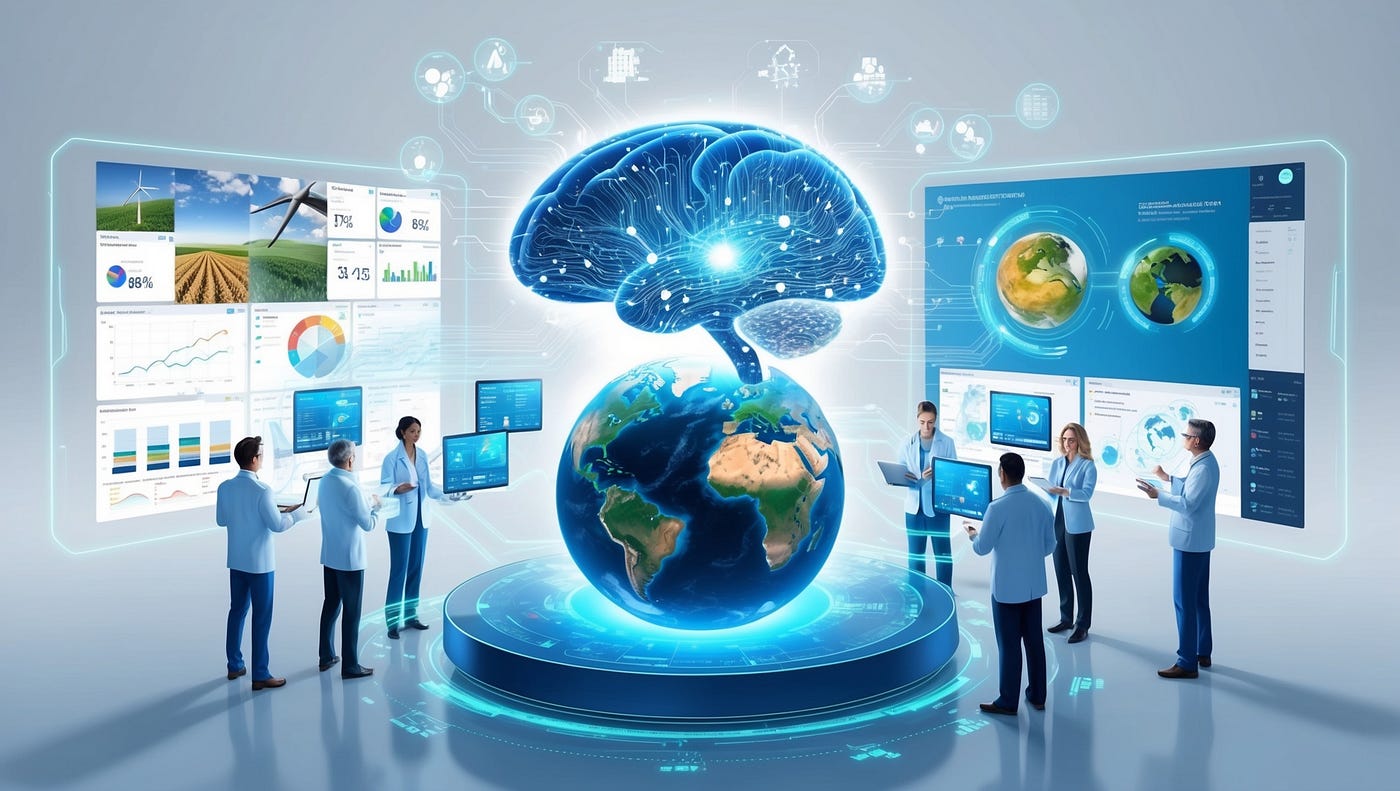
- Integrated Climate Solutions: Combining weather, agriculture, and environmental monitoring for holistic action
- Real-Time Decision Support: Instant recommendations for governments, farmers, and organizations
- Predicting Tipping Points: Detects critical thresholds in ecosystems and climate systems
- Empowering Communities: Provides tools for local decision-making and sustainable practices
AI innovations will complement human efforts, making climate and environmental action faster, smarter, and more effective.
Conclusion
AI is transforming weather forecasting, environmental protection, and agriculture. From predicting extreme events to managing natural resources and supporting sustainable farming, AI offers practical solutions for a changing world.
By using AI responsibly, sharing data openly, and collaborating globally, we can respond better to climate change, protect ecosystems, and build a sustainable future.
Read Also: Keep your face towards the sunshine and shadows will fall behind you
Watch Also: https://www.youtube.com/@TravelsofTheWorld24








Leave a Reply